
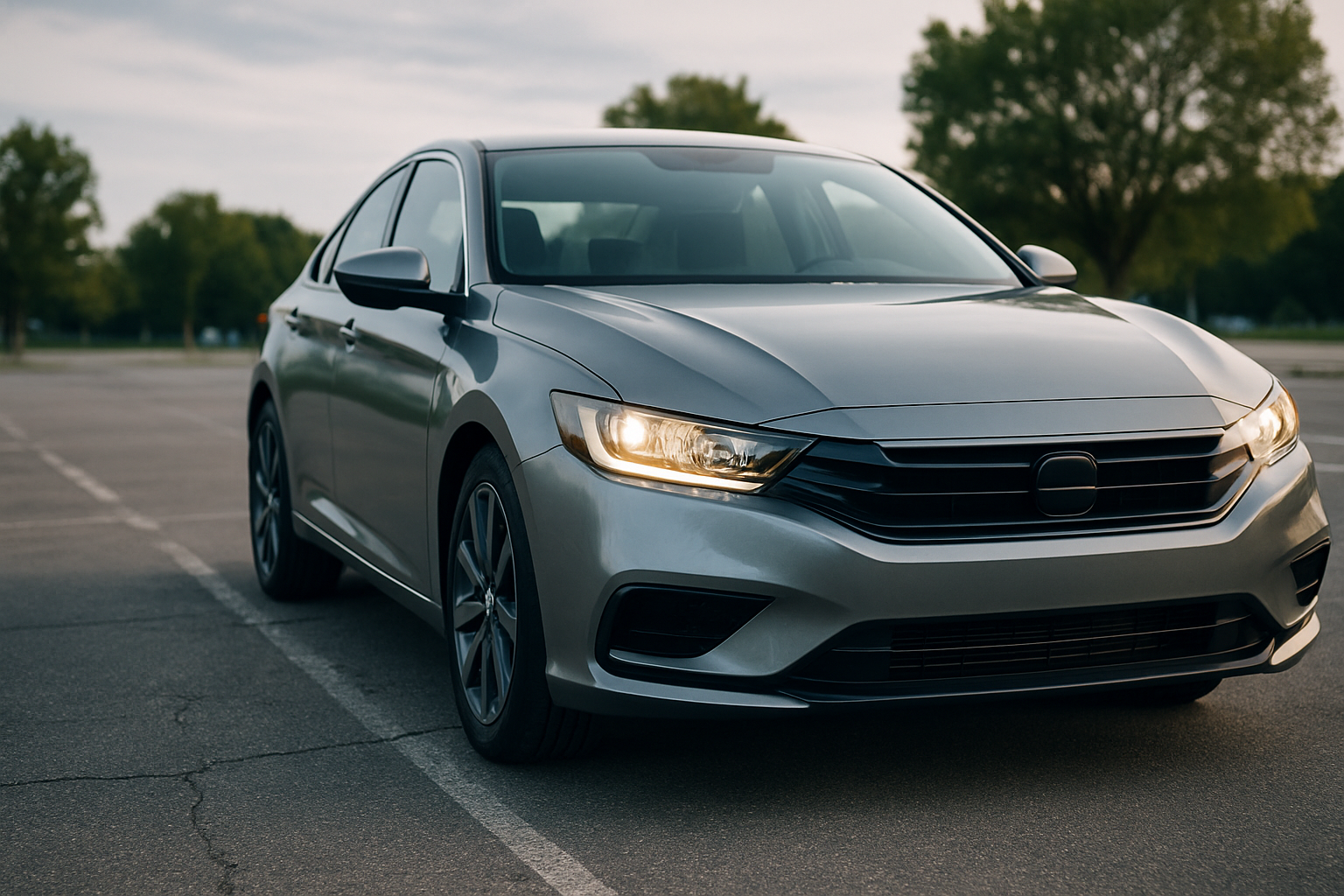
You’ve just bought a brand new car and you’re excited to drive it. But wait, should you baby it for the first few hundred miles, or can you drive it like you normally would? The break-in period has been a topic of debate among car enthusiasts and owners for decades.
Modern manufacturing has improved dramatically, but most automakers still recommend a gentle approach for your car’s first 500 to 1,000 miles. Let’s explore what this means for you and your new vehicle.
What Exactly Is a Break-In Period?
The break-in period, also called the run-in period, refers to the initial miles of driving when your engine’s internal components are settling into their final positions. During manufacturing, machined surfaces have microscopic high spots and rough areas that need to wear smooth against their mating surfaces.
Think of it like breaking in a new pair of shoes. Your engine’s piston rings need to properly seat against the cylinder walls, and various moving parts need time to develop the ideal wear patterns. This process creates the optimal clearances and surface finishes for long-term reliability.
Your engine comes from the factory with synthetic oil, which is actually perfect for the break-in process. Contrary to old “wives’ tales” about using conventional oil first, synthetic provides better protection during this critical period while still allowing proper component seating.
Current Manufacturer Recommendations
Most automakers today recommend following specific guidelines for your first 500 to 1,000 miles. These aren’t the overly restrictive rules your grandfather followed, but they’re still important for optimal engine longevity.
RPM Variation Is Key
You’ll want to vary your engine RPM regularly during the break-in period. Don’t keep the engine at a constant 2,000 RPM for highway driving. Instead, accelerate gently and let the RPM rise and fall naturally as you drive.
This variation helps different parts of the cylinder bore wear evenly. Keeping constant RPM can create uneven wear patterns that may affect performance and oil consumption later.
Avoid Full Throttle Acceleration
Skip the drag races and highway on-ramps for your first 1,000 miles. Full throttle puts maximum stress on pistons, rings, and bearings before they’ve had time to properly mate with their surfaces.
The urge to floor the accelerator is tempting, but there will be plenty of time for that later.
You can accelerate normally for merging and passing, but avoid flooring the accelerator pedal. Keep acceleration smooth and progressive during this period.
Cruise Control Limitations
Many manufacturers recommend avoiding extended cruise control use during break-in. The constant engine load and RPM can prevent the natural variation that helps components seat properly.
If you must use cruise control for long trips, disengage it periodically to let the engine RPM vary naturally. A good rule is to turn it off every 15-20 minutes for a few minutes of varied driving.
Does Modern Technology Make Break-In Obsolete?
Manufacturing tolerances have improved dramatically over the past few decades. Computer-controlled machining produces incredibly precise surfaces, and quality control catches problems that would have slipped through years ago.
Some argue that modern engines don’t need break-in periods at all. Racing teams often run new engines at full power immediately, and some manufacturers have reduced their break-in recommendations significantly.
However, physics hasn’t changed. Metal surfaces still need time to mate properly, regardless of how precisely they’re machined. The consequences of improper break-in might be less severe than in the past, but they still exist.
What Happens If You Skip Break-In?
Your engine probably won’t explode if you drive aggressively from day one. Modern engines are incredibly robust and well-engineered. But you might experience some long-term effects.
Poor ring seating can lead to increased oil consumption throughout your engine’s life. You might also see reduced power output and higher emissions. These effects might not show up for years, making it difficult to trace back to improper break-in.
Some owners report that engines broken in properly feel more responsive and use less oil over their lifetime. While this is difficult to prove scientifically, the potential benefits outweigh the minimal inconvenience.
Real-World Break-In Best Practices
Following break-in guidelines doesn’t mean driving like your grandmother. You can still enjoy your new car while being mindful of a few key practices.
First 500 Miles
Keep RPM below the redline and avoid sustained high RPM operation. Vary your driving speeds and don’t use cruise control for extended periods. Allow the engine to warm up before driving, but don’t let it idle excessively.
Mix city and highway driving if possible. Stop-and-go traffic actually helps the break-in process by creating natural RPM variation.
500 to 1,000 Miles
You can gradually increase your engine’s workload during this period. Occasional higher RPM operation is fine, but still avoid sustained full-throttle acceleration.
Start using cruise control for short periods if needed, but continue to vary your driving patterns when practical.
After 1,000 Miles
Your engine is ready for normal operation. You can use full throttle when needed and operate at any RPM within the engine’s design limits.
Consider changing your oil around 1,000 miles, even if your maintenance schedule doesn’t call for it. This removes any metal particles from the break-in process and ensures fresh oil for continued operation.
Special Considerations for Different Vehicle Types
Performance cars often have more specific break-in requirements. High-performance engines may need longer break-in periods or more restrictive guidelines. Always check your owner’s manual for model-specific recommendations.
Turbocharged engines require extra attention during break-in. The turbocharger adds complexity and heat, making proper break-in even more critical. Allow these engines extra warm-up time and avoid aggressive driving until break-in is complete.
Diesel engines typically have different break-in requirements than gasoline engines. They may need longer periods of varied operation and specific RPM ranges for optimal break-in.
Transmission and Drivetrain Break-In
Your engine isn’t the only component that benefits from a break-in period. Your transmission, differential, and other drivetrain components also need time to settle in.
Avoid aggressive shifting with manual transmissions during the first few hundred miles. Let automatic transmissions shift naturally without forcing downshifts or using sport modes excessively.
All-wheel-drive systems have additional components that benefit from gentle initial operation. Avoid aggressive cornering and sudden direction changes during the break-in period.
Common Break-In Myths Debunked
You don’t need to change to conventional oil for break-in. Synthetic oil from the factory is designed for this purpose and provides better protection than conventional oil.
Driving slowly isn’t the goal. Varying your driving patterns is more important than keeping speeds low. A mix of RPM ranges helps components seat properly.
You don’t need to avoid highways completely. Highway driving at varied speeds can actually help the break-in process, as long as you’re not using cruise control constantly.
Frequently Asked Questions
Can I tow during the break-in period?
Most manufacturers recommend avoiding towing during break-in. The constant high load can prevent proper component seating and put excessive stress on new parts. Wait until after your break-in period is complete before hitching up that trailer.
What if I accidentally drove aggressively during break-in?
Don’t panic. One instance of aggressive driving won’t ruin your engine. Return to following break-in guidelines and complete the full recommended period. Modern engines are forgiving, and occasional lapses won’t cause permanent damage.
Should I change my oil early after break-in?
Many experts recommend an oil change around 1,000 miles, even if your maintenance schedule doesn’t require it. This removes any metal particles from the break-in process. Use the oil specification recommended in your owner’s manual.
Do electric vehicles need break-in periods?
Electric vehicles don’t have traditional engines, but they still have mechanical components that can benefit from gentle initial operation. Brake systems, suspension components, and wheel bearings all appreciate a brief break-in period, though it’s much less critical than with internal combustion engines.
Leave a Reply