
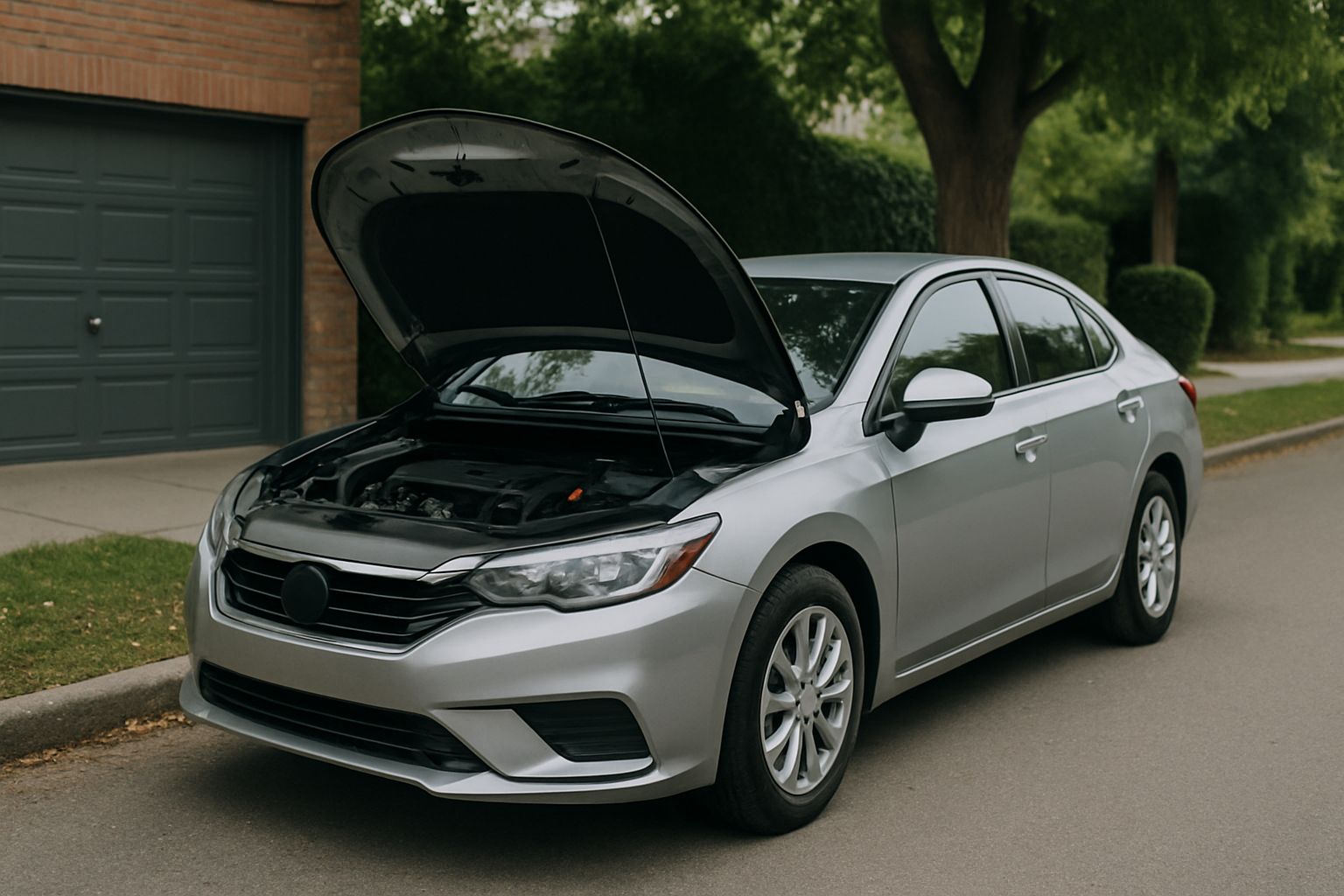
You head out to your car after a week away, turn the key, and… nothing. Your engine won’t turn over, leaving you stranded and frustrated. This scenario happens more often than you’d think, and understanding why can save you time, money, and a lot of headaches.
The Main Culprits Behind Dead Cars
When your car sits for a week without running, several things can go wrong. Your battery slowly drains from parasitic draw, fuel can evaporate or degrade (especially in older vehicles), connections corrode from moisture, and starter motors can struggle with what mechanics call “cold soak.”
Modern cars are particularly susceptible to battery drain issues. Even when parked, your vehicle’s computer systems, clock, radio presets, and security systems continue drawing power. After seven days, this steady drain can deplete your battery below the threshold needed to crank the engine.
Battery Drain: The Number One Problem
Your car’s battery naturally loses charge when the vehicle sits idle. Modern vehicles have what’s called parasitic draw, typically ranging from 20-50 milliamps when everything is functioning normally. Over a week, this can drain 3-8 amp hours from your battery.
Older batteries are especially vulnerable. If your battery is more than three years old, its capacity has already diminished. Cold weather makes this worse, as batteries lose about 20% of their capacity at 32°F and up to 50% at 0°F.
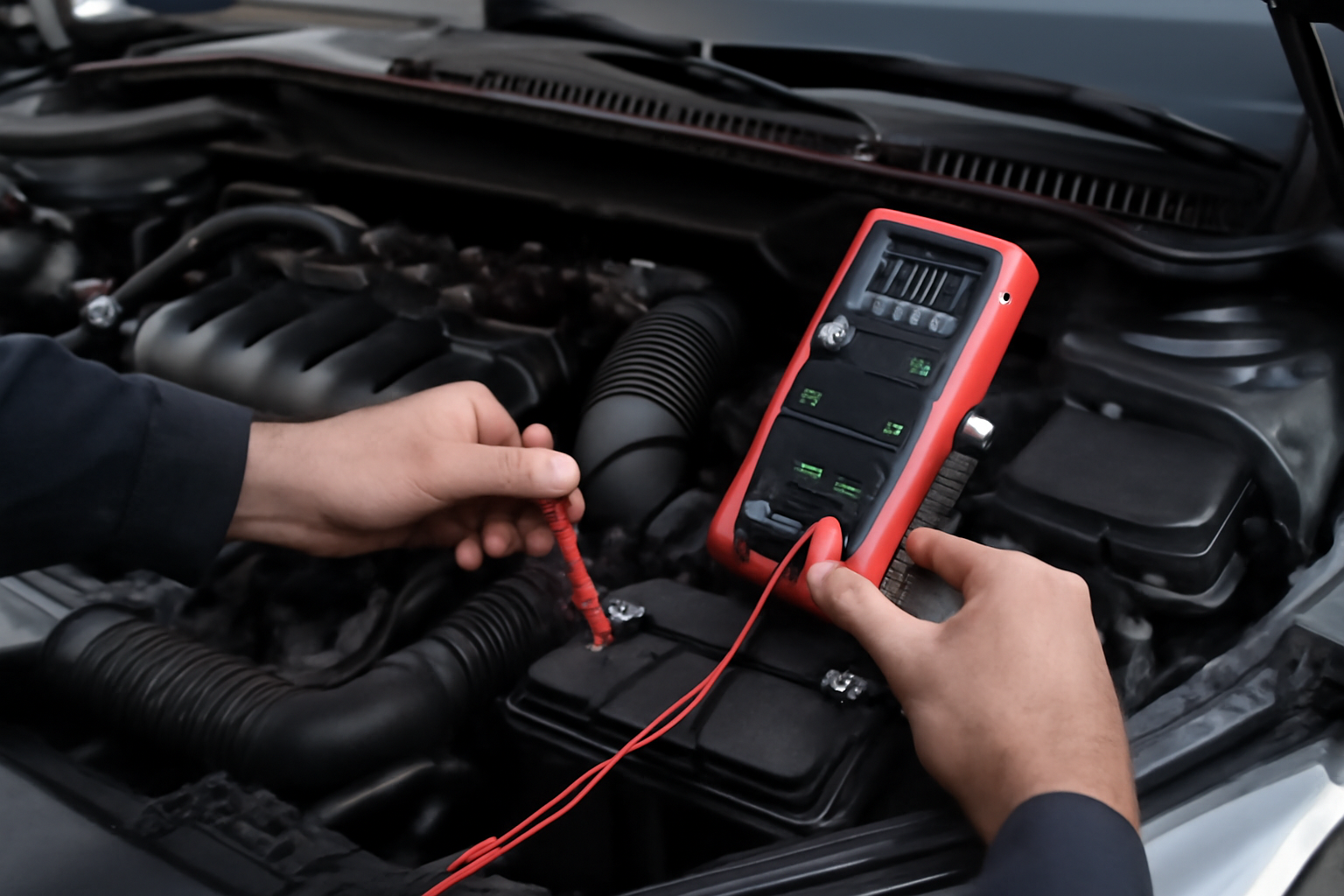
Check your battery voltage with a multimeter. A healthy battery should read 12.6 volts or higher when the car is off. Anything below 12.4 volts indicates a partially discharged battery, and below 12.0 volts means your battery likely won’t start the engine.
Signs Your Battery Is the Problem
When you turn the key, you’ll hear clicking sounds instead of the engine cranking. Your dashboard lights might flicker or appear dimmer than usual. The radio and other electrical components may work intermittently or not at all.
Don’t confuse a dead battery with a failing starter. If your lights work normally but the engine doesn’t crank when you turn the key, your starter motor might be the issue instead.
Fuel System Issues in Older Vehicles
Cars manufactured before 2000 often struggle with fuel evaporation when sitting unused. Carbureted engines and older fuel injection systems don’t seal as tightly as modern designs. Gasoline in the fuel bowl or lines can evaporate, leaving you with an empty fuel delivery system even though your tank still has gas.
Modern ethanol-blended fuels (E10 or E15) absorb moisture from the air over time. This water contamination can cause rough idling, poor acceleration, or complete failure to start. The ethanol also acts as a solvent, potentially loosening debris in older fuel systems that can clog filters and injectors.
If your car is more than 15 years old and has been sitting, try pumping the gas pedal a few times before starting (for carbureted engines) or cycle the ignition key to the “on” position several times without cranking to prime the fuel pump.
Corroded Connections and Cold Soak Effects
Moisture in the air creates corrosion on battery terminals, starter connections, and ground straps. Even a thin layer of corrosion can increase electrical resistance enough to prevent your starter from receiving adequate power.
Starter motor cold soak occurs when the starter motor sits unused and contracts from temperature changes. Internal components can stick or bind, requiring more power to overcome initial resistance. This compounds the battery drain problem, creating a perfect storm of starting issues.
Examine your battery terminals for white, green, or blue powdery buildup. Clean terminals with a mixture of baking soda and water, then apply petroleum jelly or terminal protectant spray to prevent future corrosion.
Prevention Strategies That Actually Work
The most effective prevention method is using a battery maintainer or trickle charger. These devices provide a small, constant charge that offsets parasitic draw without overcharging your battery. Look for smart chargers that automatically adjust their output based on battery condition.
For portable car battery charger maintainers, choose models with float mode capability. Battery Tender, NOCO, and Schumacher make reliable units that connect to your battery with quick-disconnect leads.
If you can’t use a charger, disconnect your battery’s negative terminal before extended parking. This eliminates all parasitic draw but requires resetting your radio presets, clock, and other settings when you reconnect.
Start Your Car Periodically
Running your engine for 15-20 minutes every 3-4 days keeps your battery charged and circulates fluids through the system. Don’t just idle in your driveway, take a short drive to fully warm up the engine and charging system.
During your periodic runs, operate all electrical systems briefly. Turn on lights, radio, air conditioning, and heated seats to exercise these components and prevent contacts from corroding.
Fuel System Maintenance for Extended Storage
Add fuel stabilizer before parking your car for extended periods. Products like STA-BIL or Seafoam prevent fuel degradation and absorb moisture that can contaminate your fuel system. Follow the manufacturer’s mixing ratios, typically 1 ounce per 2.5 gallons of fuel.
Keep your fuel tank at least half full during storage. This reduces condensation inside the tank and provides thermal mass that moderates temperature swings. Top off the tank with fresh fuel and stabilizer just before your extended parking period.
For vehicles with carburetors, consider shutting off the fuel valve and running the engine until it dies. This empties the carburetor bowl and prevents varnish buildup in the float chamber.
Environmental Factors to Consider
Where you park affects how well your car starts after sitting. Covered parking protects your vehicle from temperature extremes and moisture. Even a car cover helps stabilize temperatures and reduce condensation.
Concrete floors conduct heat away from your car faster than asphalt or gravel. If possible, park on grass or use cardboard under your car to provide insulation from cold concrete.
Extreme cold significantly impacts starting ability. Block heaters for the engine and battery warmers can help in harsh climates. Some battery maintainers include temperature compensation to adjust charging rates based on ambient temperature.
When to Call for Professional Help
If your car won’t start even after jump-starting or charging the battery, you may have deeper issues. A failing alternator won’t recharge your battery properly, creating recurring dead battery situations. Starter motors can fail internally, requiring replacement.
Fuel delivery problems beyond simple evaporation need professional diagnosis. Clogged fuel filters, failed fuel pumps, or contaminated fuel systems require specialized tools and expertise to repair properly.
Intermittent starting problems are particularly frustrating and often indicate electrical issues that require systematic troubleshooting. Professional mechanics have scan tools and electrical testing equipment that can identify parasitic draws and failing components.
Quick Troubleshooting Steps
Before calling for help, try these diagnostic steps. Check that your gear selector is in park or neutral (automatic) or that the clutch is fully depressed (manual). Many cars have safety interlocks that prevent starting in the wrong gear position.
Listen carefully when you turn the key. Rapid clicking indicates low battery voltage. A single click suggests starter solenoid problems. Complete silence might mean a blown fuse or failed ignition switch.
Try jump-starting your car with another vehicle or portable jump starter. If it starts immediately, your battery is the primary issue. If it still won’t crank, you likely have starter or electrical system problems.
Long-Term Storage Best Practices
For storage periods longer than two weeks, take additional precautions. Change your engine oil before storage, as used oil contains contaminants that can damage internal components during extended idle periods.
Consider removing your battery entirely and storing it in a warm, dry location connected to a maintainer. This eliminates all parasitic draw and protects your battery from temperature extremes.
Use wheel chocks and engage the parking brake to prevent your car from rolling, but release the brake periodically to prevent it from seizing. Some mechanics recommend against using the parking brake during very long storage periods.
Frequently Asked Questions
How long can a car sit before the battery dies completely?
Most healthy car batteries will maintain enough charge to start the engine for 2-4 weeks of sitting, depending on the vehicle’s parasitic draw and battery condition. Older batteries or cars with high electrical loads may fail after just one week.
Will idling my car charge the battery enough?
Extended idling provides minimal charging compared to driving. Your alternator produces maximum output at higher RPMs, so a 15-20 minute drive is much more effective than 30 minutes of idling for maintaining battery charge.
Can extreme cold prevent my car from starting even with a good battery?
Yes, temperatures below 0°F can cause engine oil to thicken dramatically, making it much harder for your starter motor to turn the engine. Combined with reduced battery capacity in cold weather, this can prevent starting even with an otherwise healthy electrical system.
Should I disconnect my battery for week-long trips?
For trips lasting 7-10 days, disconnecting the battery is usually unnecessary if your battery is in good condition. However, if your battery is more than four years old or you’ve had previous starting issues, disconnecting the negative terminal provides extra insurance against dead battery situations.

Leave a Reply