
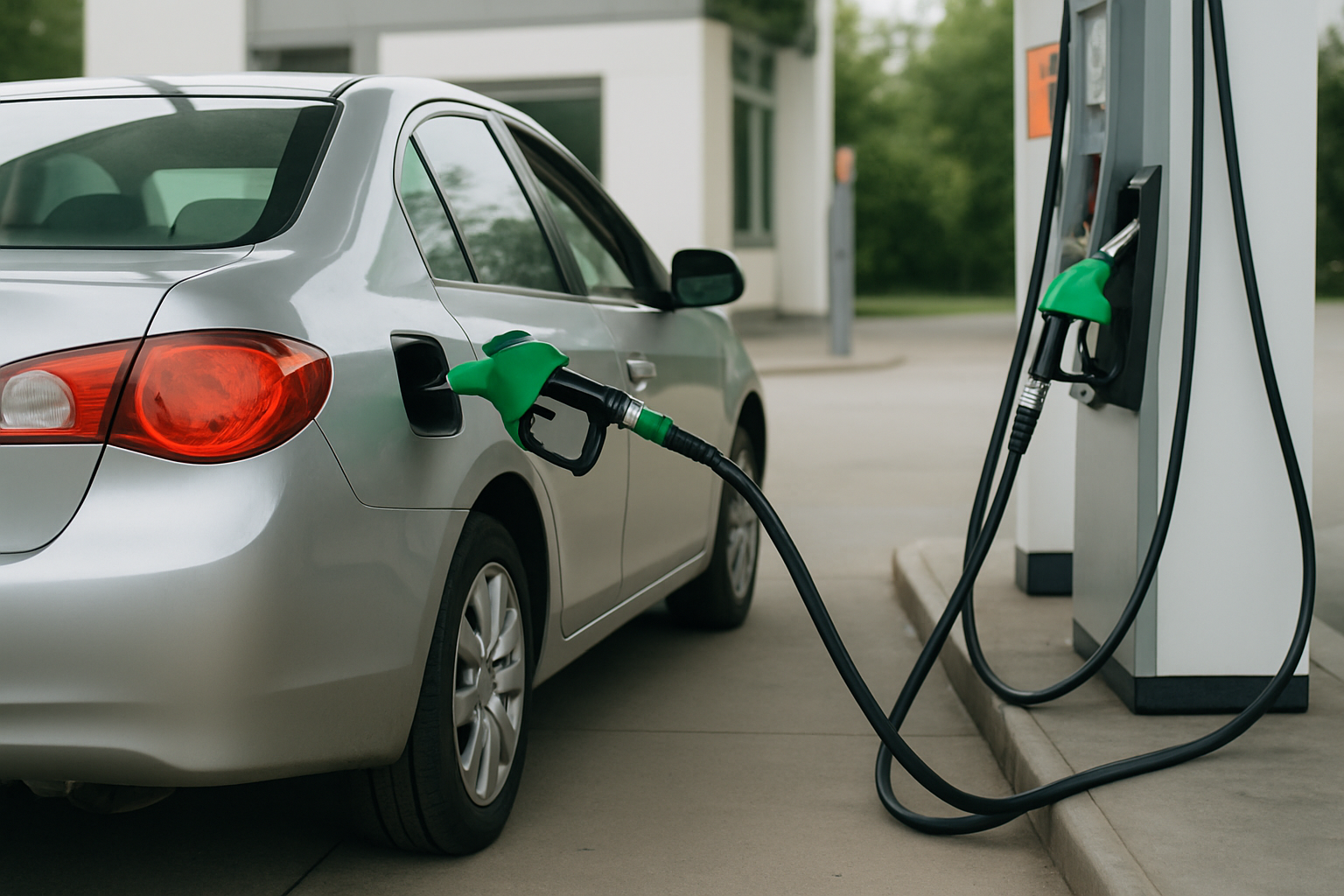
Few automotive problems are as frustrating as having your car stall right after filling up with gas. You’re ready to hit the road, but instead, your engine sputters and dies, leaving you stranded at the pump with a full tank and a sinking feeling.
This issue affects vehicles across all makes and models, from economy cars to luxury SUVs. While it might seem like a mysterious problem, there are actually several common culprits behind post-refueling stalls, and most can be diagnosed and fixed without breaking the bank.
Understanding Your Car’s Fuel System
Before diving into the specific causes, you need to understand how your car’s fuel system works. Modern vehicles use a complex network of components to manage fuel vapors and prevent harmful emissions from escaping into the atmosphere.
The EVAP (Evaporative Emission Control) system captures fuel vapors from your gas tank and routes them back into the engine to be burned. This system includes several key components: the charcoal canister, purge valve, vent valve, and various connecting lines.
When you fill your tank, you’re introducing fresh fuel and disturbing the vapor balance in the system. If any EVAP components are malfunctioning, this disruption can cause your engine to run poorly or stall completely.
The Most Common Culprit: Stuck Purge Valve
The purge valve (also called the purge solenoid) is by far the most frequent cause of post-refueling stalls. This component controls when fuel vapors from the charcoal canister are drawn into the engine.
Under normal conditions, the purge valve stays closed when the engine is idling or running at low RPMs. It only opens when the engine computer determines it’s safe to burn the stored vapors, typically during highway driving or moderate acceleration.
When the purge valve gets stuck in the open position, it creates a vacuum leak that floods the engine with fuel vapors. This makes the air-fuel mixture too rich, especially right after refueling when vapor concentrations are highest.
Symptoms of a Stuck Purge Valve
You’ll notice several telltale signs if your purge valve is stuck open. The car typically starts fine but begins running rough within minutes of leaving the gas station. The engine may idle erratically, hesitate during acceleration, or stall completely when you come to a stop.
Many drivers report that the problem seems to fix itself after driving for 10-15 minutes. This happens because the excess vapors eventually get burned off, temporarily masking the underlying issue.
You might also notice a strong fuel smell around your car, particularly near the engine bay. Some vehicles will trigger the check engine light, though this doesn’t always happen immediately.
Fuel Pump Problems
Your fuel pump can also cause post-refueling stalls, though this is less common than purge valve issues. The fuel pump sits inside your gas tank and pushes gasoline through the fuel lines to your engine.
When you add fresh fuel to the tank, you’re changing the temperature and pressure conditions around the pump. A failing fuel pump that’s already struggling may not be able to handle these changes, resulting in inconsistent fuel delivery.
Fuel pump problems usually develop gradually over time. You might notice the car takes longer to start, especially on hot days, or the engine stumbles during acceleration before the post-refueling stalling begins.
Testing Your Fuel Pump
You can perform a basic fuel pump test by turning your key to the “on” position without starting the engine. Listen carefully near the rear of the car for 2-3 seconds. You should hear a quiet humming or whirring sound as the pump primes the system.
If you don’t hear anything, or if the sound seems weak or inconsistent, your fuel pump may be failing. However, keep in mind that some pumps are naturally quieter than others, and this test isn’t definitive.
Charcoal Canister Issues
The charcoal canister stores fuel vapors until the engine is ready to burn them. Over time, this canister can become saturated with liquid fuel instead of just vapors, rendering it ineffective.
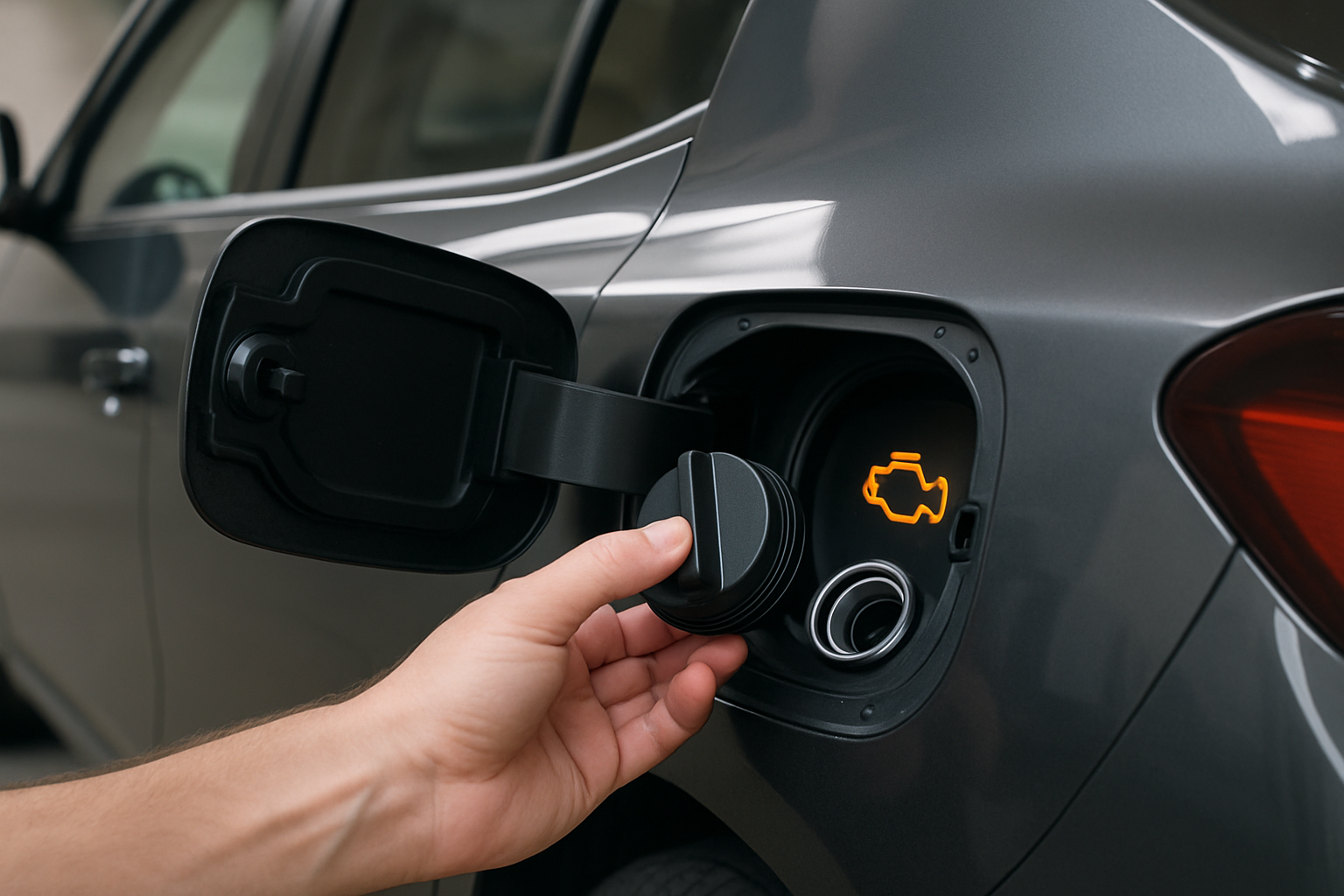
This problem often stems from overfilling your gas tank. When you continue pumping after the automatic shutoff clicks, you can force liquid fuel into the vapor lines, eventually reaching the charcoal canister.
A contaminated canister can’t properly manage fuel vapors, leading to the same rich-running conditions that cause stalling. You might also notice that your car fails emissions testing or triggers EVAP-related diagnostic codes.
The Overfilling Connection
Many post-refueling stalling problems can be traced back to overfilling the gas tank. When you squeeze in those extra few drops after the pump clicks off, you’re potentially causing several issues.
Overfilling can push liquid fuel into the vapor recovery lines, contaminating the charcoal canister and potentially damaging the purge valve. It can also cause fuel to back up into the filler neck, creating vapor pressure imbalances.
This habit is particularly problematic during hot weather when fuel expands more readily. What seems like a full tank in the morning can become an overfull tank by afternoon, increasing the likelihood of vapor system contamination.
Diagnosing the Problem
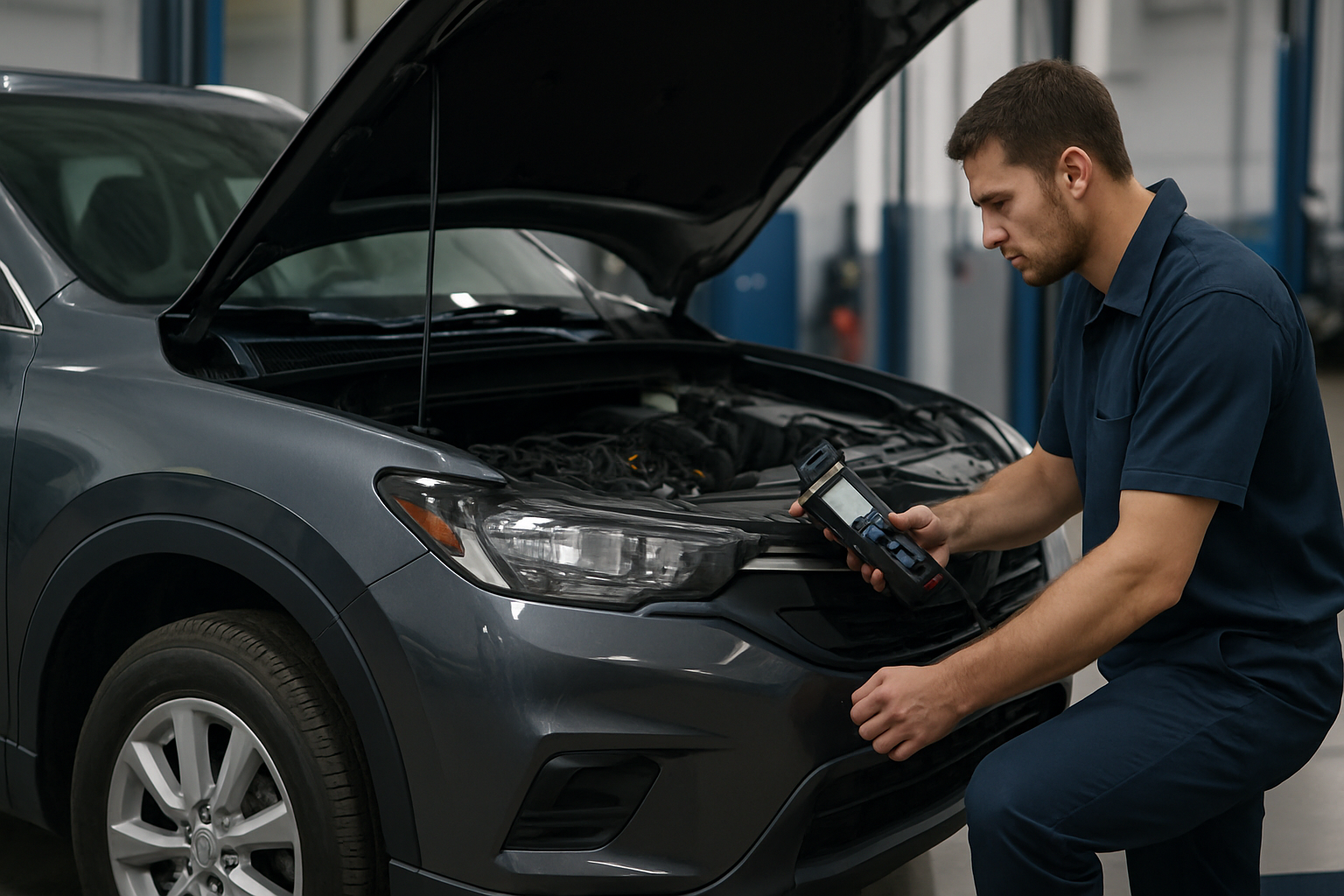
Start your diagnosis by checking for diagnostic trouble codes using an OBD-II scanner. Look for codes in the P0440-P0449 range, which indicate EVAP system problems. Code P0446 specifically points to purge valve issues.
Pay attention to when the stalling occurs. If it happens consistently within 5-10 minutes of refueling, suspect EVAP system problems. If the stalling is more random or occurs at other times too, consider fuel pump or other fuel delivery issues.
Note whether the problem is worse in hot weather or when you’ve filled up completely versus partially. EVAP problems are often temperature-sensitive and worse with fuller tanks.
How to Fix a Stuck Purge Valve
Replacing a stuck purge valve is usually the most cost-effective fix. The part typically costs $30-80, and many DIY mechanics can handle the installation.
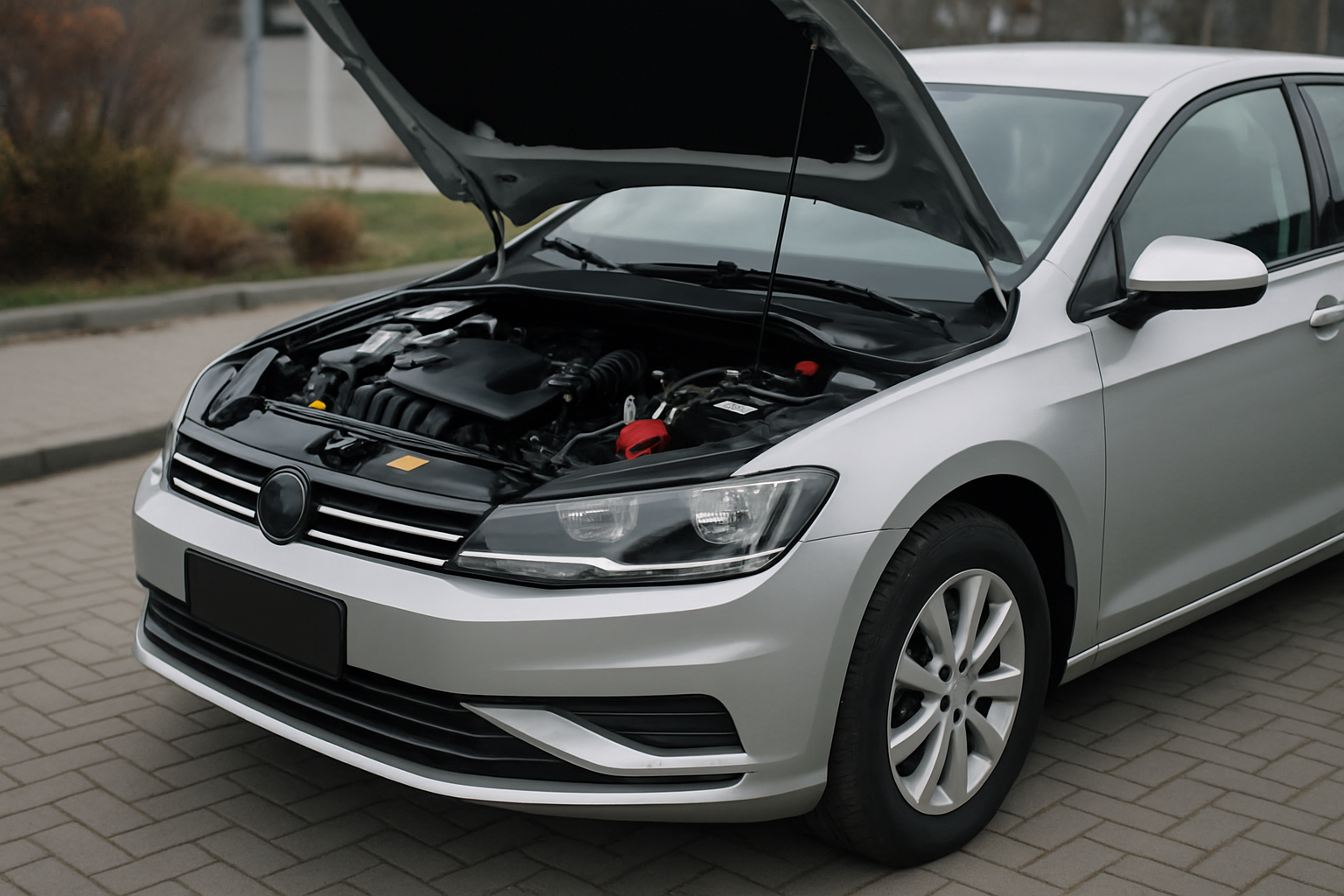
The purge valve is usually located in the engine bay, often near the intake manifold or throttle body. It’s a small cylindrical component with two vacuum lines and an electrical connector.
Before installing the new valve, inspect the vacuum lines for cracks or damage. Replace any brittle or damaged hoses, as these can cause similar symptoms.
Installation Steps
Start by disconnecting the battery and locating the purge valve. Take a photo of the connections before removal to ensure proper reassembly.
Disconnect the electrical connector by pressing the release tab and pulling straight out. Remove the vacuum lines by gently twisting and pulling, being careful not to damage the plastic fittings.
Install the new valve by reversing the removal process. Make sure all connections are secure and properly seated before reconnecting the battery and testing the repair.
Addressing Fuel Pump Problems
Fuel pump replacement is more involved and expensive than purge valve repair. The pump typically costs $100-300, and installation requires dropping the fuel tank on most vehicles.
Before replacing the pump, verify that it’s actually the problem. A fuel pressure test will definitively determine if the pump is delivering adequate pressure and volume.
Consider having this repair performed by a professional unless you have significant mechanical experience. Working with fuel systems requires proper safety precautions and specialized tools.
Dealing with Charcoal Canister Contamination
A contaminated charcoal canister usually needs replacement, as cleaning rarely restores full function. The canister is typically located under the car, often near the fuel tank.
Replacement costs vary widely depending on your vehicle, ranging from $100 for simple canisters to $400+ for complex integrated units.
After replacing the canister, avoid overfilling your tank to prevent future contamination. Stop pumping as soon as the automatic shutoff engages.
Prevention Tips
The best way to avoid post-refueling stalling is to maintain your EVAP system and follow proper fueling practices. Never overfill your tank, and don’t continue pumping after the first automatic shutoff.
Replace your fuel filter according to your vehicle’s maintenance schedule. A clogged filter can put extra strain on the fuel pump, leading to premature failure.
Address check engine lights promptly, especially those related to EVAP codes. Small problems often become bigger, more expensive issues if ignored.
Consider using quality fuel additives occasionally to help keep your fuel system clean. While not a cure-all, they can help prevent the buildup of deposits that contribute to component failure.
When to See a Professional
While many EVAP system repairs are DIY-friendly, some situations require professional diagnosis and repair. If you’re not comfortable working with fuel systems or electrical components, don’t hesitate to seek help.
Complex diagnostic scenarios, such as intermittent problems or multiple related codes, often benefit from professional scan tools and expertise. A good technician can perform smoke tests and pressure tests that aren’t practical for most home mechanics.
If your car is still under warranty, check whether EVAP system repairs are covered before attempting DIY fixes that might void your coverage.
Frequently Asked Questions
Why does my car only stall after getting gas, not at other times?
Refueling disturbs the fuel vapor balance in your EVAP system. If components like the purge valve are malfunctioning, this disruption creates conditions that cause stalling. During normal driving, vapor concentrations are lower and more stable, so the problem doesn’t manifest.
Can I drive my car if it stalls after refueling?
You can usually drive the car once it restarts, but you should address the problem promptly. Continued driving with EVAP system issues can lead to failed emissions tests, reduced fuel economy, and potentially more expensive repairs if components like the catalytic converter are damaged by running too rich.
How much does it cost to fix post-refueling stalling?
Costs vary depending on the root cause. A purge valve replacement typically runs $50-150 including parts and labor. Fuel pump replacement can cost $300-800, while charcoal canister replacement ranges from $150-500. Proper diagnosis is key to avoiding unnecessary repairs.
Will using higher octane gas prevent this problem?
No, octane rating won’t prevent post-refueling stalling. This problem stems from mechanical or electrical component failures in your EVAP system, not fuel quality issues. Using the octane rating specified in your owner’s manual is sufficient and most cost-effective.

Leave a Reply