
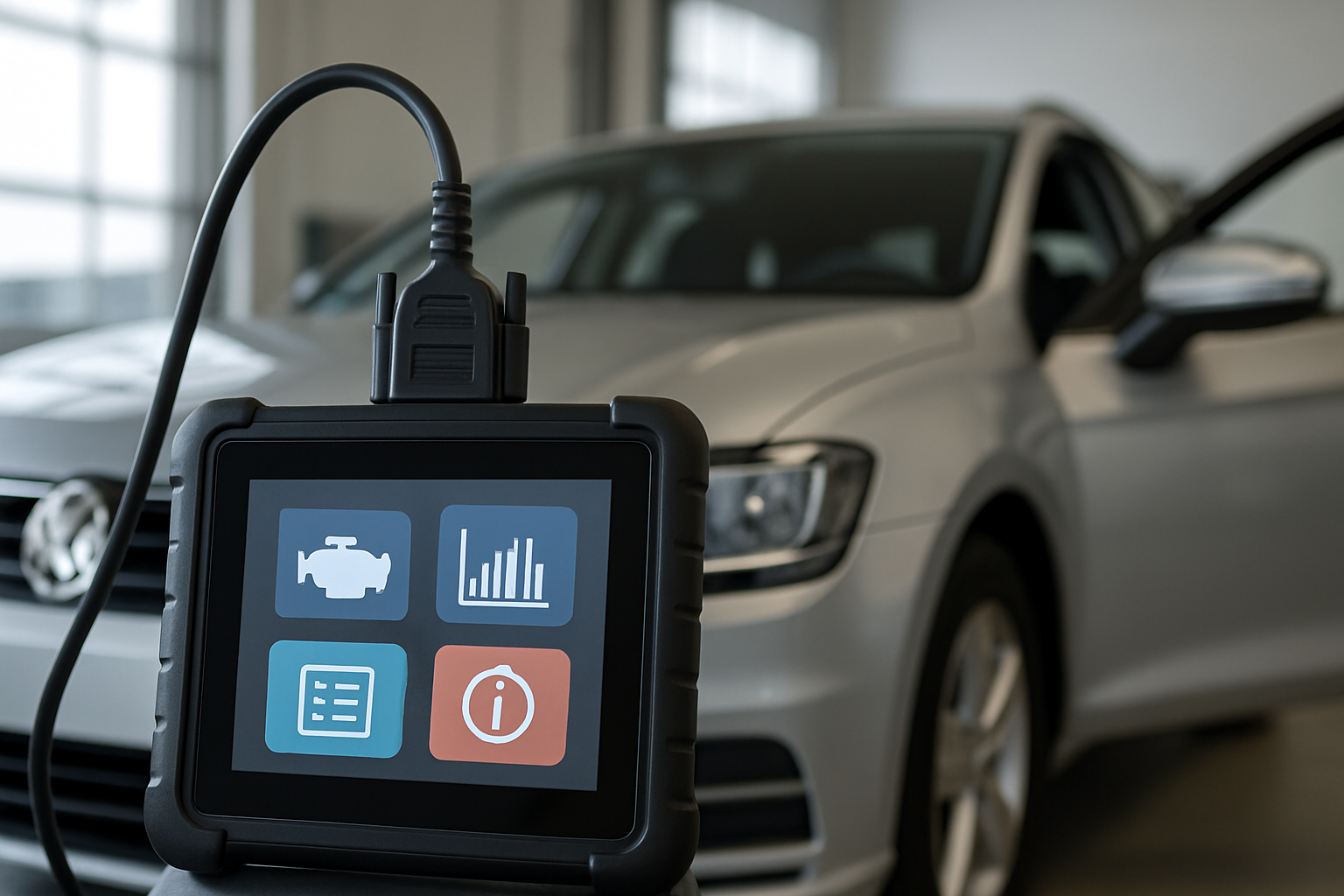
When your car’s engine starts throwing diagnostic trouble codes, understanding what those cryptic alphanumeric combinations actually mean can save you time, money, and unnecessary stress. Every OBD2 code starts with a letter prefix that tells you exactly which system in your vehicle is experiencing problems.
Modern vehicles use a standardized diagnostic system that categorizes issues into four main areas: Powertrain (P codes), Body (B codes), Chassis (C codes), and Network/Communication (U codes). Learning to decode these prefixes gives you immediate insight into whether you’re dealing with an engine problem, electrical issue, or something else entirely.
The OBD2 Code Structure: Breaking Down the Format
Every OBD2 diagnostic trouble code follows the same five-character format. The first character is always a letter (P, B, C, or U) that identifies the system category. The second character is a number (0 or 1) that tells you whether it’s a generic or manufacturer-specific code.
Generic codes (starting with 0) are standardized across all vehicle manufacturers, while manufacturer-specific codes (starting with 1) are unique to each brand. The remaining three digits provide the specific fault information within that system.
For example, P0301 breaks down as: P (Powertrain), 0 (Generic), 3 (Ignition system), 01 (Cylinder 1 misfire). This universal structure makes it possible for any OBD2 scanner to communicate with any vehicle built after 1996.
P Codes: Powertrain System Diagnostics
P codes represent the most common diagnostic trouble codes you’ll encounter. The powertrain system includes your engine, transmission, and all related components that generate and transfer power to the wheels.
Generic P codes (P0xxx) cover fundamental engine operations like fuel delivery, ignition timing, emissions control, and transmission shifting. These codes mean the same thing regardless of whether you’re driving a Honda Civic or a Ford F-150.
Manufacturer-specific P codes (P1xxx, P2xxx, P3xxx) address unique features and systems specific to each brand. Toyota might use P1xxx codes for their Variable Valve Timing system, while BMW uses different P1xxx codes for their VANOS system.
Common P Code Categories
P01xx codes typically relate to fuel and air metering issues. You might see P0171 (System Too Lean Bank 1) when there’s too much air or not enough fuel in the mixture. These codes often point to vacuum leaks, faulty mass airflow sensors, or fuel delivery problems.
P02xx codes cover fuel system issues more specifically. P0201 through P0208 indicate individual fuel injector circuit problems, while P0300 series codes relate to engine misfires in specific cylinders.
P03xx codes handle ignition system problems, including faulty spark plugs, coil packs, and ignition timing issues. P04xx codes address auxiliary emission controls like your EGR valve and secondary air injection systems.
B Codes: Body Control Module Issues
B codes focus on body control systems that manage comfort, convenience, and safety features inside your vehicle. These systems don’t affect engine performance but can significantly impact your driving experience.
Body control modules manage everything from power windows and door locks to interior lighting and climate control. When these systems malfunction, you’ll see B codes that help pinpoint whether the problem is electrical, mechanical, or software-related.
Generic B codes (B0xxx) cover basic body functions that most vehicles share, like airbag systems, lighting circuits, and basic power accessories. Manufacturer-specific B codes (B1xxx and higher) address advanced features unique to each brand.
Typical B Code Problems
B codes often relate to sensor failures, wiring harness problems, or control module communication errors. You might see B1342 for a faulty door ajar switch or B2111 for problems with your automatic climate control system.
Unlike P codes that can cause your check engine light to illuminate, B codes usually trigger other warning lights or cause specific features to stop working. Your power windows might stop functioning, or your airbag warning light might stay on.
These codes require different diagnostic approaches than powertrain issues. Body control problems often involve checking fuse boxes, testing individual circuits, and verifying proper voltage at various components.
C Codes: Chassis and Safety Systems
C codes cover chassis-related systems that directly affect vehicle handling, braking, and stability. These systems are critical for safe vehicle operation and include ABS, traction control, electronic stability control, and power steering.
Modern vehicles rely heavily on electronic chassis control systems to maintain stability and prevent accidents. When these systems detect problems, C codes help technicians identify whether issues stem from sensors, actuators, or control module failures.
Generic C codes (C0xxx) address fundamental safety systems like anti-lock brakes that function similarly across different manufacturers. Manufacturer-specific C codes (C1xxx and higher) cover advanced features like adaptive suspension or brand-specific stability control systems.
Critical C Code Categories
C codes related to ABS systems often indicate wheel speed sensor failures, hydraulic pump problems, or issues with the ABS control module itself. C0035 might indicate a left front wheel speed sensor circuit problem, while C0040 could point to a right front sensor issue.
Electronic stability control codes help diagnose problems with systems that prevent skidding and loss of control. These codes often relate to steering angle sensors, yaw rate sensors, or lateral acceleration sensors that monitor vehicle dynamics.
Power steering codes have become more common as vehicles transition from hydraulic to electric power steering systems. C codes can indicate problems with steering assist motors, position sensors, or control module communication failures.
U Codes: Network and Communication Problems
U codes represent the most complex category of diagnostic trouble codes, dealing with communication between different control modules in your vehicle. Modern cars contain dozens of computers that must communicate constantly to function properly.
These codes indicate problems with the Controller Area Network (CAN bus) system that allows different modules to share information. When communication breaks down, you might experience seemingly unrelated problems across multiple vehicle systems.
Network communication problems can be particularly challenging to diagnose because they often cause cascading failures. One faulty module might trigger U codes in multiple other systems that depend on information from the failing component.
Understanding Network Communication Codes
U codes often indicate lost communication with specific modules. U0100 means lost communication with the Engine Control Module, while U0140 indicates problems communicating with the Body Control Module.
These codes can result from damaged wiring harnesses, corroded connections, or complete module failures. Water damage, accident damage, or simple connector corrosion can disrupt the delicate communication networks in modern vehicles.
Diagnosing U codes typically requires specialized equipment capable of monitoring network traffic between modules. Simple code readers might detect U codes but can’t provide the detailed communication analysis needed for proper diagnosis.
Generic vs Manufacturer-Specific Codes
The second digit in any OBD2 code tells you whether you’re dealing with a standardized generic code or a manufacturer-specific code. This distinction affects how you interpret the code and what resources you’ll need for proper diagnosis.
Generic codes provide consistency across all vehicle brands, making it easier to find diagnostic information and repair procedures. P0301 means cylinder 1 misfire whether you’re working on a Toyota, Ford, or Chevrolet.
Manufacturer-specific codes require brand-specific knowledge and often need proprietary diagnostic equipment for proper diagnosis. These codes address unique systems and features that generic OBD2 protocols don’t cover.
When Generic Codes Aren’t Enough
Some vehicle problems only trigger manufacturer-specific codes, particularly issues related to advanced features like variable valve timing, direct injection systems, or complex transmission controls. Your generic code reader might miss these entirely.
Professional diagnostic equipment often includes manufacturer-specific code libraries that provide detailed descriptions and diagnostic procedures for these specialized codes. This information typically isn’t available through generic OBD2 resources.
Understanding this distinction helps you know when you need professional help versus when you can handle diagnosis yourself with basic tools and generic code information.
Reading and Understanding Freeze Frame Data
Freeze frame data captures a snapshot of your vehicle’s operating conditions at the moment a diagnostic trouble code was set. This information provides crucial context that helps technicians understand what was happening when the problem occurred.
When your vehicle’s computer detects a fault, it records parameters like engine RPM, vehicle speed, engine temperature, fuel trim values, and throttle position. This data helps distinguish between problems that occur at idle versus highway speeds, or when the engine is cold versus fully warmed up.
Reading freeze frame data requires more than just a basic code reader. You’ll need a scan tool capable of displaying this additional information, which most mid-range and professional diagnostic tools provide.
Key Freeze Frame Parameters
Engine RPM and vehicle speed tell you whether the problem occurs during idle, city driving, or highway conditions. A misfire code with 0 MPH and 800 RPM indicates an idle problem, while the same code at 65 MPH and 2500 RPM suggests a high-speed issue.
Engine coolant temperature reveals whether problems occur during cold starts, normal operating temperature, or overheating conditions. Many emission-related codes only set after the engine reaches normal operating temperature.
Fuel trim values show how much the engine computer is adjusting fuel delivery to maintain proper air-fuel ratios. High positive fuel trim values indicate the system is adding fuel to compensate for a lean condition, while negative values suggest it’s reducing fuel to correct a rich condition.
Using Freeze Frame Data for Diagnosis
Freeze frame data helps you recreate the conditions that triggered the fault. If a code set at highway speeds, you might need to road test the vehicle to properly diagnose the problem rather than just checking it in the shop at idle.
This information also helps prioritize multiple codes. The freeze frame data from the first code set often provides the most valuable diagnostic information, while subsequent codes might be symptoms rather than root causes.
Professional technicians use freeze frame data to develop targeted diagnostic strategies, saving time and avoiding unnecessary part replacements. This data transforms a simple code into a detailed picture of what your vehicle was doing when the problem occurred.
Recommended OBD2 Diagnostic Tools
Having the right diagnostic equipment makes all the difference when dealing with OBD2 codes. Professional-grade scanners provide comprehensive code coverage and freeze frame data that basic code readers simply can’t match.
For comprehensive diagnostic capabilities, consider investing in quality OBD2 scanner and diagnostic tools that can handle all four code categories plus freeze frame data. These tools pay for themselves quickly by helping you avoid unnecessary trips to the repair shop.
Advanced scanners can also clear codes, perform system tests, and monitor live data streams from various sensors throughout your vehicle. This functionality is essential for properly diagnosing intermittent problems that don’t always trigger codes.
Professional Diagnosis vs DIY Troubleshooting
While understanding OBD2 code prefixes helps you make informed decisions about your vehicle, some problems require professional diagnostic equipment and expertise. Complex network communication issues, intermittent faults, and manufacturer-specific codes often need specialized knowledge.
Basic P codes for common problems like oxygen sensors, mass airflow sensors, or simple misfires can often be diagnosed and repaired by skilled DIY mechanics. However, advanced powertrain controls, body control modules, and chassis systems typically require professional attention.
Knowing what each code prefix means helps you communicate more effectively with repair shops and makes you a more informed consumer when dealing with diagnostic and repair estimates.
Frequently Asked Questions
Can I drive my car with active OBD2 codes?
This depends entirely on the specific codes and their severity. P codes related to emissions might allow continued driving but could cause long-term engine damage. C codes affecting brakes or stability control should be addressed immediately for safety reasons. B codes typically won’t prevent driving but might disable important comfort or convenience features.
Why do some codes come back after clearing them?
OBD2 codes return when the underlying problem hasn’t been fixed. The diagnostic system continuously monitors various components and will reset codes when it detects the same fault conditions. Clearing codes without addressing the root cause only provides temporary relief and might prevent the system from completing important self-tests.
Do I need different scan tools for different code types?
Most quality OBD2 scanners can read all four code categories (P, B, C, U) along with freeze frame data. However, manufacturer-specific codes often require brand-specific diagnostic equipment or software for detailed information and proper diagnosis. Generic scanners might display the code but not provide adequate description or diagnostic procedures.
How often should I check for diagnostic trouble codes?
Regular code scanning can help catch problems before they cause major damage or leave you stranded. Monthly scans are reasonable for older vehicles, while newer cars might only need checking when warning lights appear or you notice performance issues. Many problems set pending codes before triggering warning lights, giving you early warning of developing issues.


Leave a Reply