
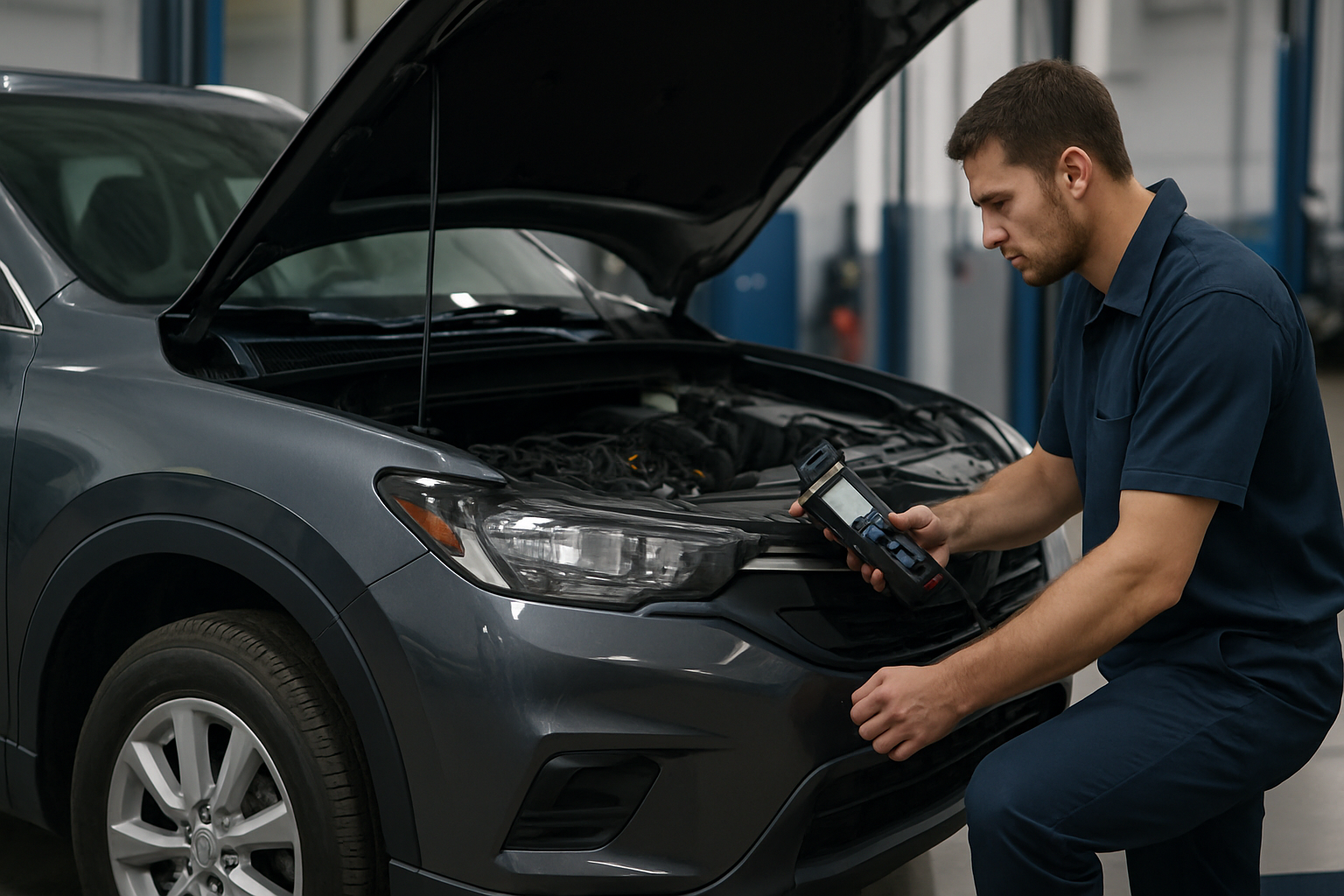
The P0442 code is one of those check engine lights that can drive you crazy. This medium EVAP leak code pops up on all kinds of vehicles, from your daily driver Honda to that trusty old Ford pickup, and it always seems to happen at the worst possible time.
What Does P0442 Actually Mean?
The P0442 diagnostic trouble code stands for “Evaporative Emission Control System Leak Detected (Small Leak).” Despite what the code says, technicians often call this a “medium” leak because it sits between the P0456 (small leak) and P0455 (large leak) codes.
Your car’s EVAP system captures fuel vapors from the gas tank and burns them in the engine instead of releasing them into the atmosphere. When the system detects a leak that’s bigger than 0.040 inches but smaller than 0.090 inches, it triggers the P0442 code.
The leak detection happens during specific drive cycles when your car runs a self-test. The PCM (powertrain control module) seals the EVAP system and uses vacuum to check for leaks. If pressure doesn’t hold where it should, you get the dreaded check engine light.
Common Causes of P0442 EVAP Leaks
Gas Cap Issues
Your gas cap causes about 90% of EVAP codes, and P0442 is no exception. The rubber seal gets hard over time, the cap threads wear out, or people just don’t tighten it properly. Even a slightly loose cap can trigger this code.
Before you spend money on anything else, remove your gas cap and inspect the rubber seal. Look for cracks, hardening, or pieces missing. The threads on both the cap and filler neck should be clean and undamaged.
Purge Solenoid Problems
The purge solenoid (also called the purge valve) controls when fuel vapors flow from the charcoal canister to the engine. These solenoids fail in two ways: they stick open or they don’t seal completely when closed.
A purge solenoid typically costs $30-80 depending on your vehicle. On most cars, you’ll find it mounted on the engine or firewall with two vacuum lines and an electrical connector.
Charcoal Canister Damage
The charcoal canister stores fuel vapors until the engine can burn them. The charcoal inside can break down over time, especially if you frequently top off your tank or drive with a very low fuel level.
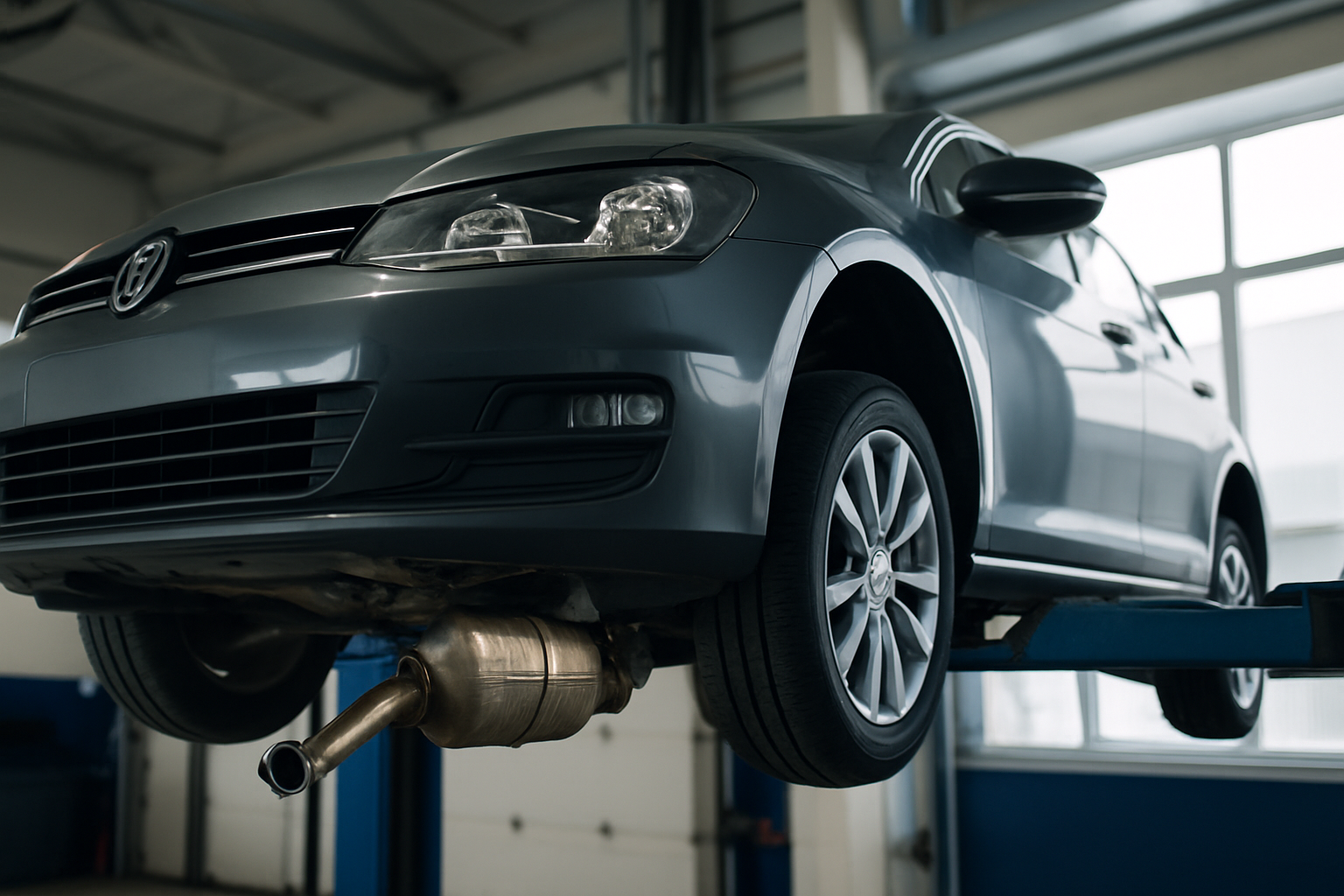
Canister replacement runs $150-400 depending on your vehicle. Some canisters mount under the car near the fuel tank, while others sit in the engine bay.
Cracked or Loose EVAP Hoses
Rubber vacuum hoses crack and split as they age. The constant heat cycling under the hood makes the rubber brittle. Even a tiny crack can cause enough vacuum loss to trigger P0442.
Check every vacuum hose in the EVAP system. Look for obvious cracks, but also squeeze the hoses to find soft spots or internal damage.
Diagnosing P0442 Without Expensive Equipment
Start With the Basics
Before you dive into complex testing, check the obvious stuff first. Remove and inspect your gas cap thoroughly. Make sure it clicks at least three times when you tighten it. Replace it if you see any damage to the seal or threads.
Clear the code and drive normally for 50-100 miles. If the code doesn’t come back, your gas cap fixed it. This simple step solves the majority of P0442 codes.
Visual Inspection of EVAP Components
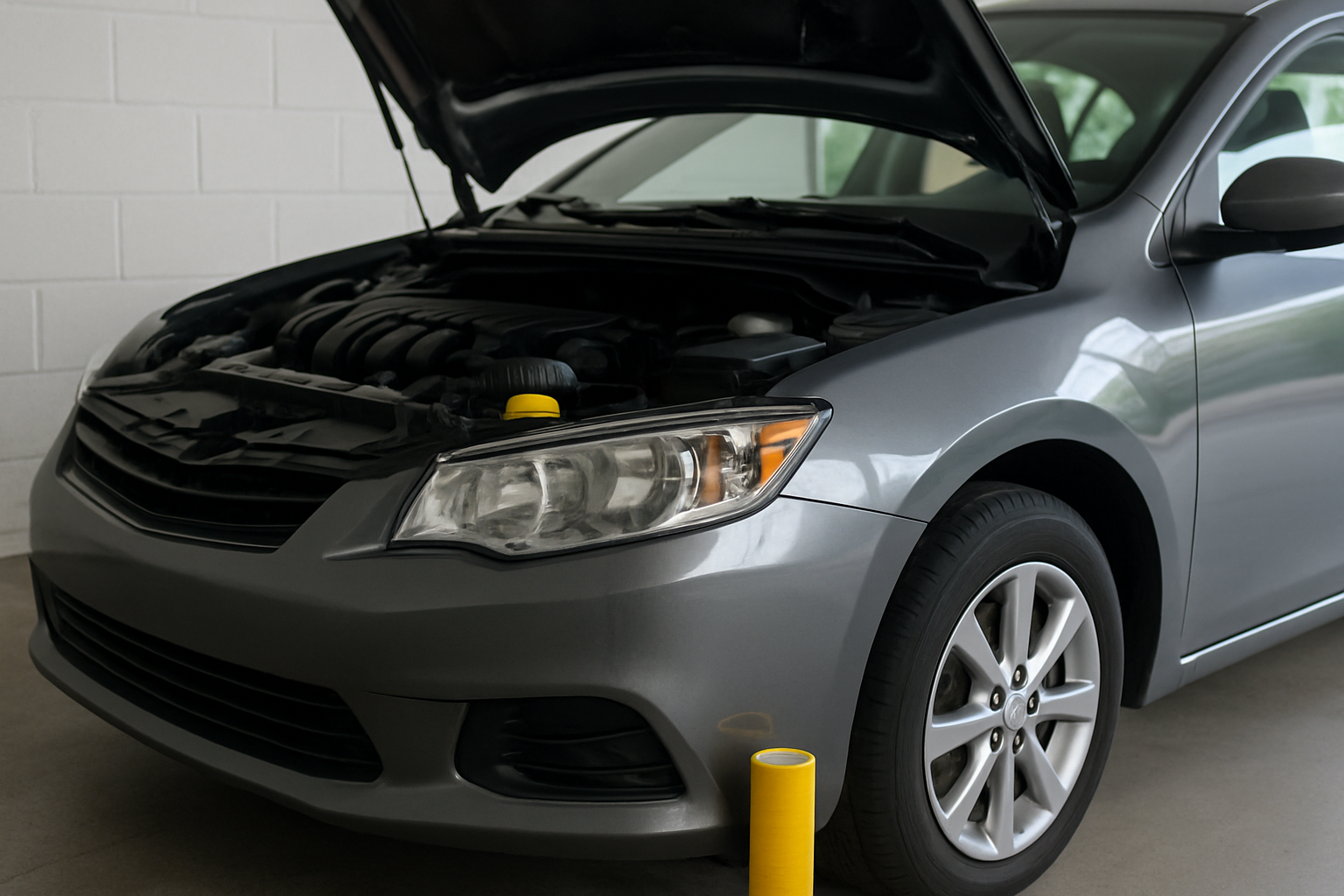
Pop the hood and locate your EVAP components. You’ll typically find the purge solenoid mounted on the engine with vacuum lines running to it. Follow these lines and inspect every inch for cracks, loose connections, or damage.
Check where the lines connect to plastic fittings. These connection points often crack or come loose. Wiggle each connection gently to make sure it’s secure.
DIY Smoke Test Method
Professional smoke machines cost thousands, but you can make your own leak detector for under $50. You’ll need a shop vacuum, some PVC fittings, and either incense sticks or a vape pen with glycerin-based liquid.
Create a sealed container with your smoke source inside. Use the shop vac to push the smoke through the EVAP system while it’s sealed. Smoke will escape from any leaks, making them visible.
Connect to the system through the purge solenoid vacuum line or vent line. Block off other openings with rubber plugs or pinch clamps. Work systematically and check every component while the smoke flows.
Using a Vacuum Pump
A hand vacuum pump costs about $25 and works great for EVAP testing. Connect it to different points in the system and see if vacuum holds steady. A good system should hold 15-20 inches of vacuum for at least 30 seconds.
Test the purge solenoid by applying vacuum with the engine off. The solenoid should hold vacuum when not energized. When you start the engine, the PCM should cycle the solenoid and release the vacuum during normal operation.
Step-by-Step Repair Process
Replace the Gas Cap First
Even if your gas cap looks okay, replace it if it’s more than 5-6 years old. Gas caps are cheap insurance, typically costing $15-30. Make sure you get the right part number for your specific vehicle.
After installation, clear the code and drive through several complete drive cycles. The EVAP monitor needs specific conditions to run, including a fuel level between 1/4 and 3/4 full.
Test and Replace the Purge Solenoid
Disconnect the vacuum lines and electrical connector from the purge solenoid. Apply 12 volts to the solenoid terminals and listen for a clicking sound. You should be able to blow through the solenoid when it’s energized and not when it’s de-energized.
Installation is usually straightforward. The solenoid mounts with a bracket or clips directly to the engine. Connect the vacuum lines to the correct ports (they’re usually different sizes to prevent mistakes).
Address Vacuum Line Issues
Replace any cracked or damaged vacuum lines with the correct size hose. EVAP systems typically use 3/8-inch or 1/2-inch vacuum hose. Don’t use regular vacuum hose for fuel-related applications, get fuel-resistant hose instead.
Cut clean, square ends on your hose and push connections fully onto fittings. Some connections use spring clamps that require special pliers to remove and install properly.
Charcoal Canister Replacement
If other components check out okay, you might need a new charcoal canister. This is usually the most expensive repair, but it’s often the last thing that fails.
Canister replacement involves disconnecting multiple vacuum lines and sometimes dropping the fuel tank. Take pictures before you disconnect anything so you know where everything goes back together.
Professional vs DIY Diagnosis
A shop with proper smoke testing equipment can find EVAP leaks much faster than DIY methods. They’ll charge you $100-150 for diagnosis, but they can pinpoint problems that might take you hours to find.
However, if you have time and basic tools, you can definitely tackle this yourself. The components aren’t expensive, and the labor isn’t too complicated on most vehicles.
Consider professional help if your vehicle requires removing the fuel tank or if you’re not comfortable working with fuel system components.
Prevention and Maintenance Tips
Don’t top off your fuel tank after the pump shuts off. Overfilling can damage the charcoal canister and cause expensive repairs down the road.
Replace your gas cap every 5-6 years regardless of how it looks. The rubber seal degrades over time even if you can’t see obvious damage.
Keep your fuel level above 1/4 tank when possible. Running on fumes draws air through the EVAP system and can contaminate the charcoal canister.
What Happens If You Ignore P0442
Your car will run normally with this code, but you’ll fail emissions testing in most states. The check engine light stays on, which means you won’t know if other problems develop.
Ignoring EVAP leaks also releases fuel vapors into the atmosphere, contributing to smog formation. While one car doesn’t make a huge difference, it adds up across millions of vehicles.
The repair costs don’t get cheaper by waiting. EVAP components will continue to deteriorate, potentially turning your medium leak into a large leak that’s more expensive to fix.
Frequently Asked Questions
How much does P0442 repair typically cost?
Gas cap replacement costs $15-30 and fixes most P0442 codes. Purge solenoid replacement runs $80-150 including parts and labor. Charcoal canister replacement is the most expensive at $200-500 depending on your vehicle and labor requirements.
Can I drive with a P0442 code?
Your vehicle will drive normally with this code, but you should fix it promptly. The check engine light prevents you from knowing about other problems, and you’ll fail emissions testing. Most states won’t renew your registration with a check engine light on.
Why does P0442 come and go?
Intermittent P0442 codes often indicate a gas cap that’s loose but not completely missing the seal. Temperature changes can also cause borderline components to pass or fail the EVAP test. A leak that’s right at the threshold might only trigger the code under certain conditions.
How long does it take for the code to reset after repairs?
After clearing the code, you need to drive through several complete drive cycles for the EVAP monitor to run. This typically takes 50-100 miles of mixed driving with the fuel tank between 1/4 and 3/4 full. The monitor runs during specific conditions that might not happen on every trip.

Leave a Reply