
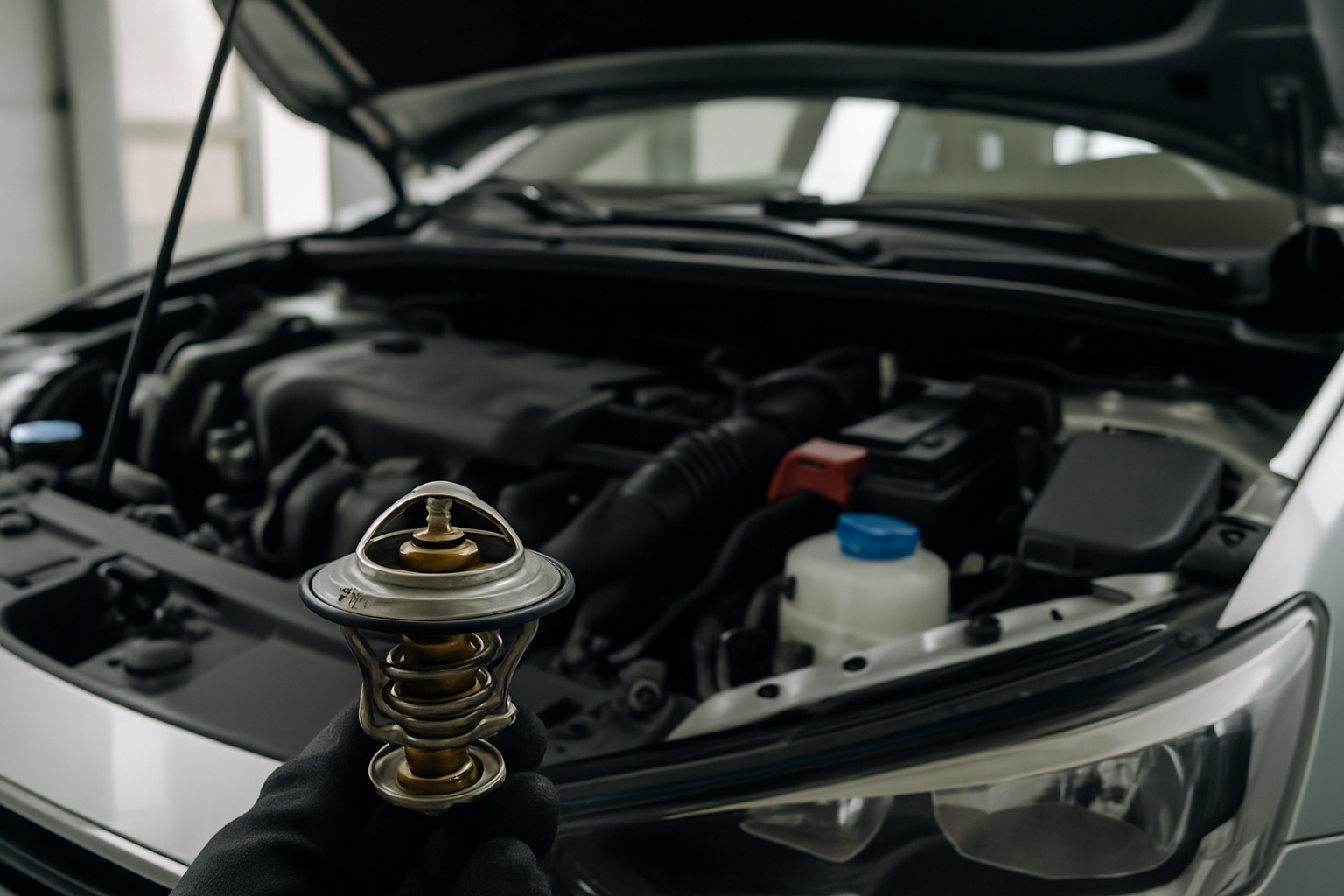
The P0128 diagnostic trouble code indicates your engine’s coolant isn’t reaching proper operating temperature within the expected timeframe. This seemingly minor issue can significantly impact your vehicle’s fuel economy, emissions output, and overall engine performance.
When your thermostat fails to regulate coolant temperature properly, your engine runs cooler than designed, forcing the ECU to compensate with richer fuel mixtures and altered timing. This compensation reduces efficiency and increases harmful emissions.
What Does P0128 Mean
The P0128 code triggers when your vehicle’s powertrain control module (PCM) detects that coolant temperature hasn’t reached the minimum threshold within a predetermined time after startup. The PCM monitors coolant temperature through the engine coolant temperature (ECT) sensor and compares readings against programmed parameters.
Most modern engines should reach operating temperature between 180°F and 220°F within 5 to 15 minutes of startup, depending on ambient conditions. When this doesn’t happen, the PCM sets the P0128 code and illuminates your check engine light.
This code doesn’t indicate an overheating problem. Instead, it signals that your engine is running too cool, which creates its own set of performance and emissions issues.
Primary Causes of P0128
Stuck Open Thermostat
A thermostat stuck in the open position represents the most common cause of P0128. When the thermostat remains open, coolant flows continuously through the radiator, preventing the engine from reaching proper operating temperature.
Thermostats can stick open due to corrosion, debris, or mechanical failure of the spring mechanism. This issue typically develops gradually, with symptoms becoming more noticeable during cold weather when the cooling effect is more pronounced.
Low Coolant Level
Insufficient coolant prevents accurate temperature readings and reduces the cooling system’s heat retention capacity. Low coolant levels can result from leaks, evaporation, or inadequate maintenance.
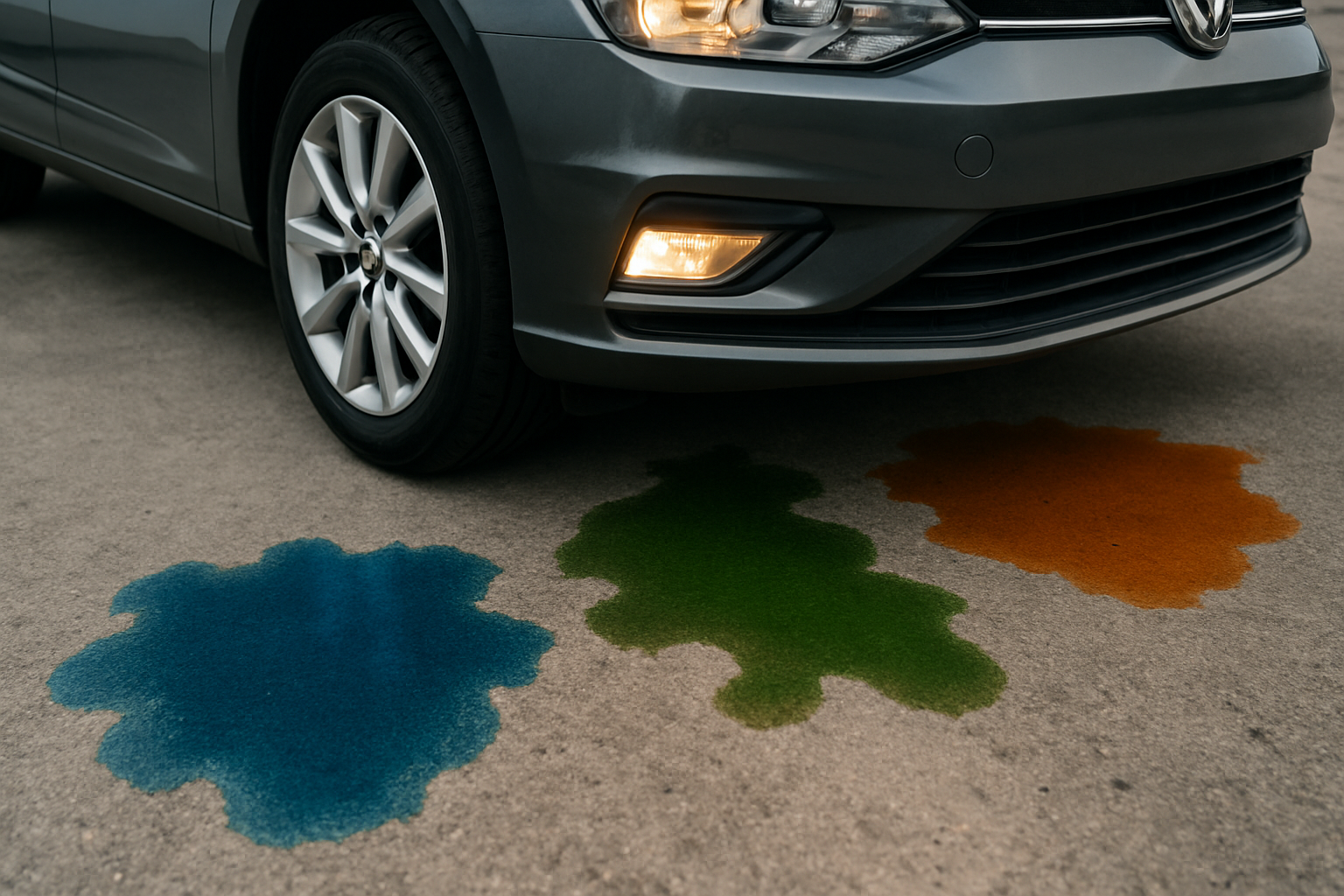
Even minor coolant leaks can cause P0128 if the system loses enough fluid to affect temperature regulation. Check for visible leaks around hose connections, the radiator, water pump, and heater core.
Faulty ECT Sensor
A malfunctioning engine coolant temperature sensor can send incorrect readings to the PCM, triggering P0128 even when the engine reaches proper temperature. ECT sensors can fail internally or develop corroded connections that affect signal transmission.
ECT sensor failures often cause erratic temperature gauge readings or trigger multiple temperature-related codes simultaneously.
Other Contributing Factors
Less common causes include a malfunctioning cooling fan that runs continuously, air pockets in the cooling system, or PCM software issues. Some vehicles experience P0128 due to incorrect thermostat temperature ratings installed during previous repairs.
Why P0128 Matters for Performance
Fuel Economy Impact
Engines running below optimal temperature require richer fuel mixtures to maintain proper combustion. The PCM compensates for low coolant temperature by increasing fuel delivery, directly reducing your miles per gallon.
Cold engines also experience increased internal friction and less efficient oil circulation. These factors combine to decrease fuel economy by 10-20% in severe cases, particularly during short trips where the engine never fully warms up.
Emissions Consequences
Modern engines rely on precise temperature control to minimize emissions. When coolant temperature remains too low, combustion becomes less complete, increasing hydrocarbon and carbon monoxide output.
The catalytic converter also requires specific exhaust temperatures to function effectively. Cold-running engines may not provide sufficient heat for optimal catalytic converter operation, further increasing emissions.
Engine Longevity Issues
Cold-running engines experience increased wear due to poor oil circulation and higher internal friction. Fuel dilution of engine oil becomes more pronounced when the engine runs rich to compensate for low temperatures.
Extended operation with P0128 can lead to carbon buildup, increased engine wear, and potential damage to emissions components like the catalytic converter or oxygen sensors.
Diagnostic Steps
Initial Inspection
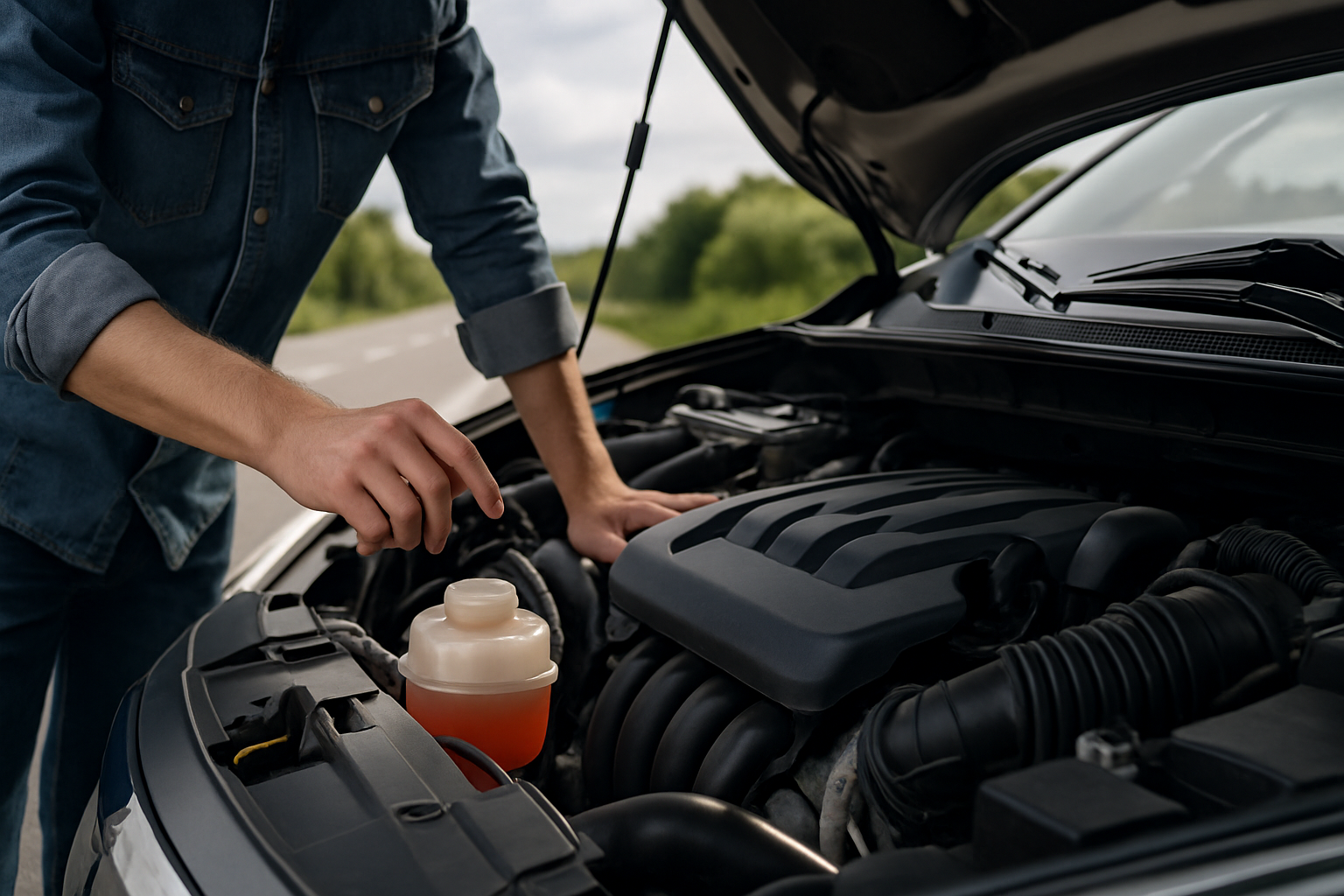
Start by checking coolant level and condition. Remove the radiator cap when the engine is completely cold and verify coolant reaches the proper level. Inspect coolant for contamination, oil mixing, or unusual discoloration.
Examine the cooling system for visible leaks, paying attention to hose connections, the radiator, and areas around the water pump. Small leaks can cause significant temperature regulation issues over time.
Thermostat Testing
Monitor engine temperature during warmup using an OBD2 scanner or temperature gun. The temperature should rise steadily and stabilize within the manufacturer’s specified range. Erratic temperature readings or failure to reach normal operating temperature indicates potential thermostat problems.
A thermostat stuck open typically shows gradual temperature rise that plateaus well below normal operating temperature. Temperature may also drop during highway driving when increased airflow provides additional cooling.
ECT Sensor Verification
Compare ECT sensor readings with actual coolant temperature using an infrared thermometer. Significant discrepancies indicate sensor failure or wiring issues.
ECT sensor resistance should change predictably with temperature. Most sensors show high resistance when cold and decreasing resistance as temperature rises. Consult your vehicle’s service manual for specific resistance values.
P0128 Repair Procedures
Thermostat Replacement
Replacing a stuck thermostat requires draining the cooling system and accessing the thermostat housing. Location varies by engine design, but most thermostats sit where the upper radiator hose connects to the engine.
Always replace the thermostat gasket or O-ring during installation. Install the new thermostat with the spring facing toward the engine block. Verify the replacement thermostat matches the original temperature rating.
After installation, refill the cooling system and run the engine through several heat cycles to verify proper operation and eliminate air pockets.
Coolant System Service
Address low coolant by identifying and repairing leaks before refilling the system. Use the manufacturer-specified coolant type and mixing ratio. Many modern vehicles require specific coolant formulations for optimal performance.
Properly bleeding the cooling system prevents air pockets that can affect temperature sensor readings and coolant circulation. Follow the manufacturer’s bleeding procedure, which may involve running the engine with the radiator cap removed or using specific bleeding valves.
ECT Sensor Replacement
ECT sensors typically thread into the engine block or cylinder head near the thermostat housing. Apply thread sealant to prevent coolant leaks during installation.
Some ECT sensors require partial coolant drainage for replacement, while others can be changed with minimal coolant loss. Clean the sensor threads and surrounding area before installation to ensure proper sealing.
Prevention and Maintenance
Regular cooling system maintenance prevents most P0128 occurrences. Replace coolant according to the manufacturer’s schedule, typically every 3-5 years or 30,000-60,000 miles depending on coolant type.
Inspect cooling system components during routine maintenance. Look for signs of corrosion, leaks, or deteriorating hoses that could affect system performance.
Address cooling system issues promptly to prevent secondary damage. Small coolant leaks or minor temperature irregularities can develop into major repairs if ignored.
Cost Considerations
Thermostat replacement typically costs $150-$400 depending on labor access and vehicle complexity. The thermostat itself costs $20-$60, with labor comprising most of the expense.
ECT sensor replacement usually runs $100-$250 including parts and labor. Sensors cost $25-$75, making this a relatively affordable repair.
Cooling system flushes range from $80-$200 depending on coolant type and system capacity. This preventive maintenance can eliminate P0128 caused by low coolant or air pockets.
Frequently Asked Questions
Can I drive with P0128?
You can drive short distances with P0128, but avoid extended driving until repairs are completed. The code indicates your engine isn’t reaching optimal operating temperature, which reduces efficiency and increases wear.
Cold weather makes P0128 symptoms more pronounced. Your engine may struggle to provide adequate cabin heat, and fuel economy will suffer noticeably.
Will P0128 cause my engine to overheat?
P0128 indicates an engine running too cool, not too hot. However, some underlying causes like low coolant can potentially lead to overheating under extreme conditions.
Monitor your temperature gauge carefully and address the P0128 code promptly to prevent related cooling system problems.
How long does thermostat replacement take?
Most thermostat replacements require 1-3 hours depending on engine design and accessibility. Some engines require removing other components to access the thermostat housing, extending repair time.
Additional time may be needed for cooling system bleeding and testing to ensure proper operation after repair.
Can I replace just the thermostat or should I service the entire cooling system?
Replace the thermostat gasket whenever changing the thermostat, and consider a complete cooling system flush if the coolant appears contaminated or hasn’t been changed recently.
Combining repairs maximizes efficiency and reduces the likelihood of related cooling system problems developing shortly after thermostat replacement.
Leave a Reply