
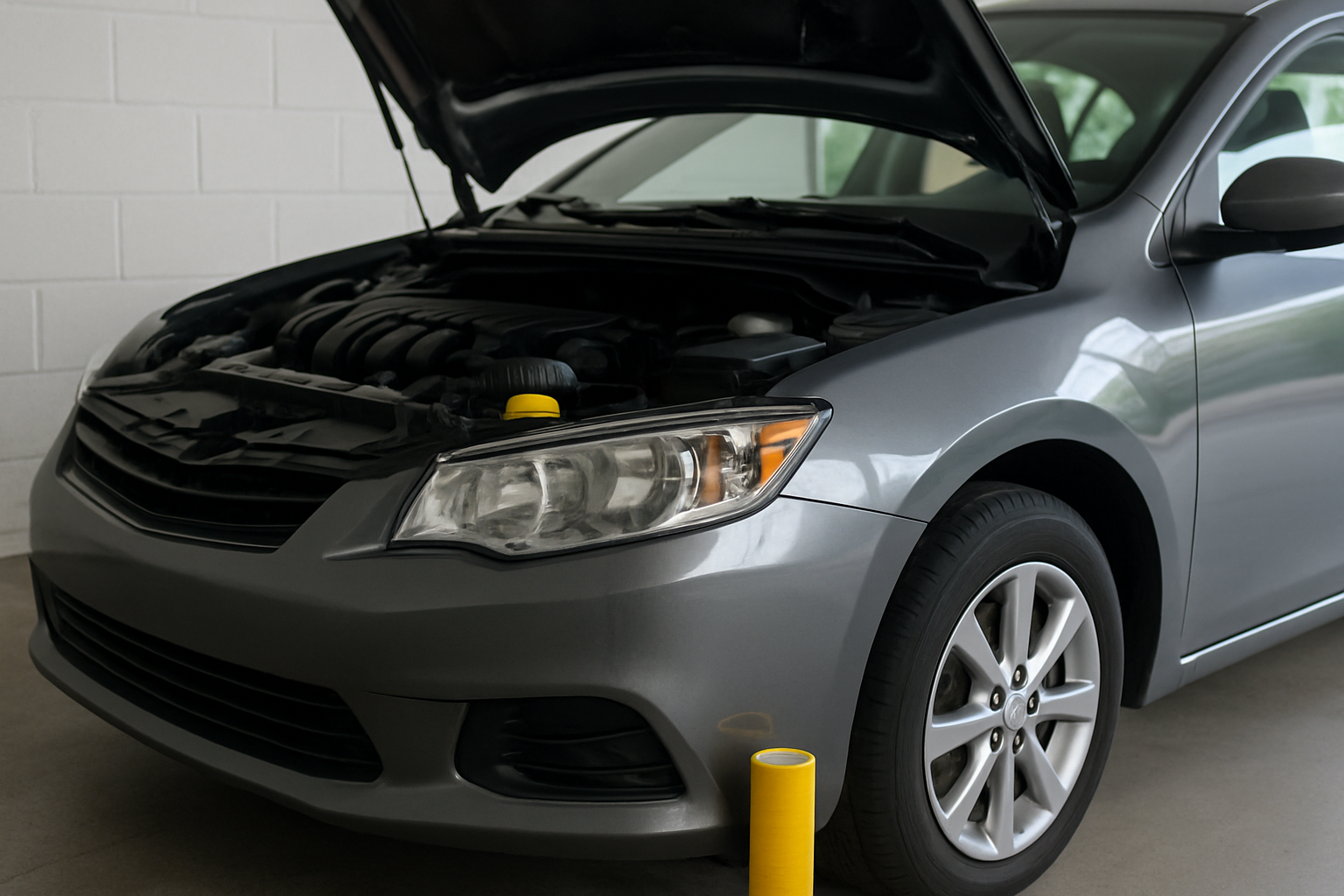
Finding a P0456 code on your scanner is frustrating, especially when you’re quoted hundreds of dollars to fix what might be nothing more than a loose gas cap. This small EVAP leak code triggers your check engine light and can prevent you from passing emissions tests, but the solution is often much simpler than most shops make it seem.
What Is the P0456 Code and Why Does It Happen?
The P0456 diagnostic trouble code indicates a small leak detected in your vehicle’s Evaporative Emission Control (EVAP) system. This system captures fuel vapors from your gas tank and routes them to the engine to be burned rather than released into the atmosphere.
Your car’s computer runs periodic tests on this sealed system, pressurizing it slightly to check for leaks. When it detects a very small leak (usually 0.020 inches or smaller), it triggers the P0456 code and illuminates your check engine light.
The most common culprit behind this code is surprisingly simple: your gas cap. Studies show that about 80% of P0456 codes trace back to a faulty, loose, or missing gas cap seal.
The $5 Fix: Start With Your Gas Cap
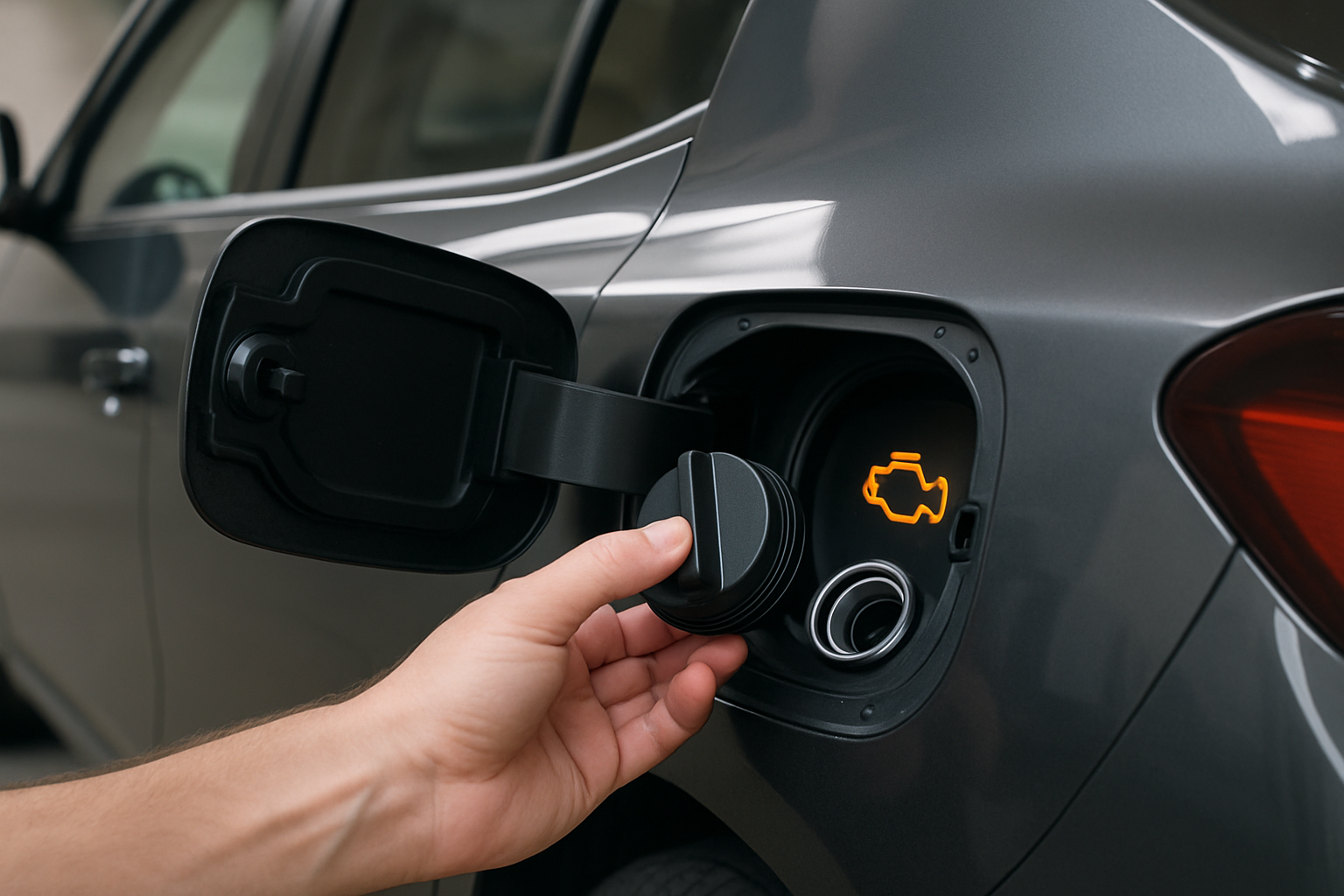
Before you let any shop start talking about expensive smoke tests or EVAP system overhauls, try this simple solution first. Remove your gas cap completely and inspect the rubber seal on the underside.
Look for cracks, hardening, or any debris stuck to the seal surface. Even tiny imperfections can allow enough vapor to escape and trigger the code. The rubber deteriorates over time from heat cycling and exposure to fuel vapors.
Clean the seal thoroughly with a damp cloth, then reinstall the cap. Make sure you hear at least three clicks when tightening it. This ensures proper sealing pressure against the filler neck.
If the seal looks damaged or won’t seal properly, you can find replacement gas caps for most vehicles for under $10. Many auto parts stores also carry universal caps that fit standard filler necks.
Clearing the Code and Testing Your Fix
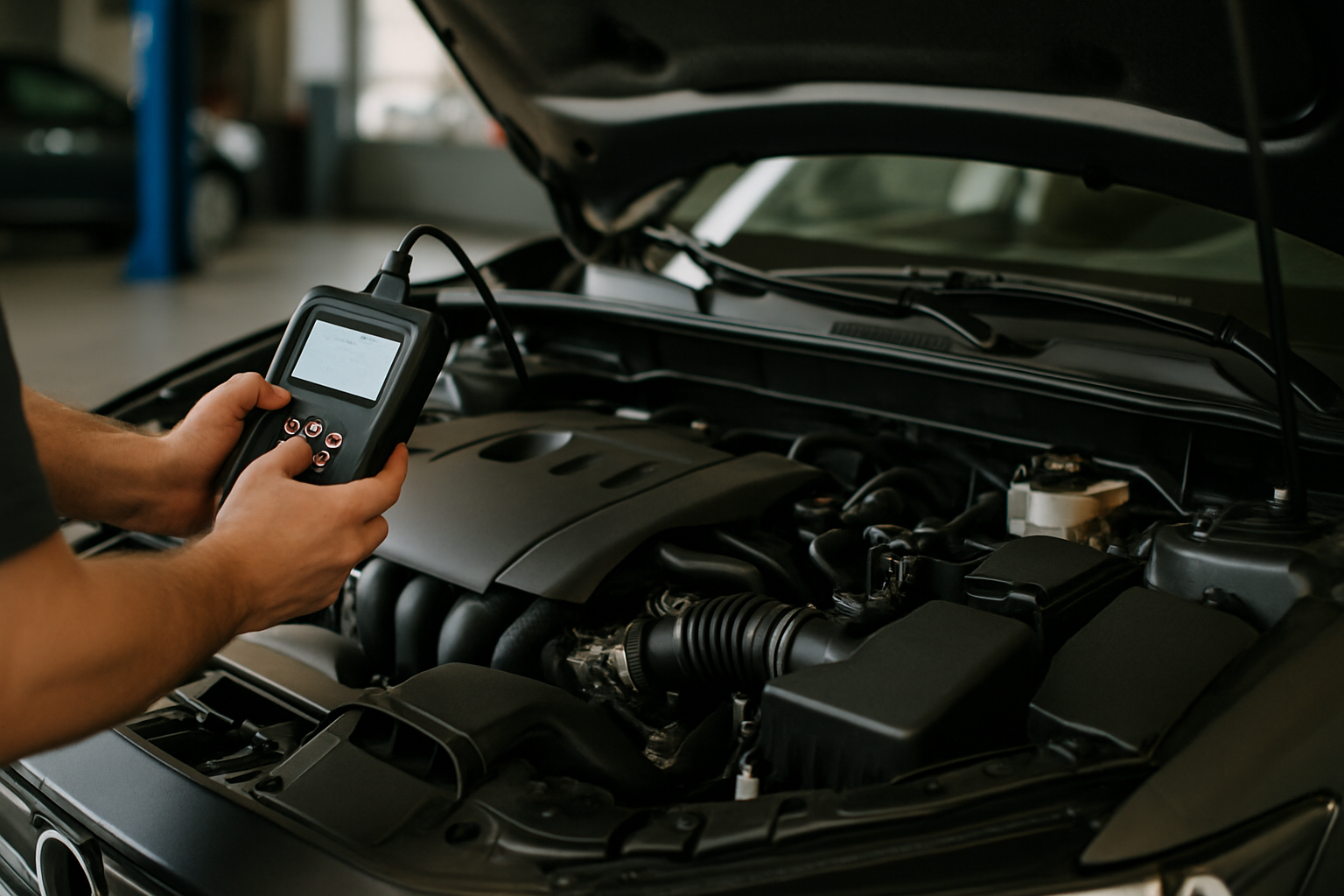
After securing or replacing your gas cap, you’ll need to clear the code and let your car complete its EVAP system test. Use an OBD2 scanner to clear the P0456 code, or disconnect your battery for about 10 minutes.
Drive normally for several days or about 50-100 miles. Your vehicle needs to complete what’s called a “drive cycle” to retest the EVAP system. This includes a combination of city and highway driving with the fuel tank between 1/4 and 3/4 full.
If the gas cap was your problem, the code won’t return and your check engine light will stay off. You’ve just saved yourself potentially hundreds of dollars with a $5 part.
When the Gas Cap Isn’t the Problem
If the P0456 code returns after replacing the gas cap, you’re dealing with a leak elsewhere in the EVAP system. The next most common culprits are the purge valve and vent valve, followed by cracked or loose hoses.
The purge valve controls when fuel vapors flow from the charcoal canister to the engine. When it fails, it can stick open and create a constant leak. You might hear a clicking sound from under the hood when this valve malfunctions.
The vent valve allows fresh air into the system during fuel tank filling and normal operation. A stuck or damaged vent valve can also trigger small leak codes.
Finding the Actual Leak Location
Professional shops use a smoke test to locate EVAP leaks that aren’t obvious. They introduce harmless smoke into the sealed system under slight pressure, then look for where it escapes.
You can perform a basic version of this test yourself using an inexpensive smoke machine designed for automotive use. These tools cost around $50-100 and can save you diagnostic fees at the shop.
Common leak points include the rubber hoses connecting various EVAP components, the charcoal canister itself, and the seals around the fuel tank sending unit. Check all visible hoses for cracks, especially where they bend or connect to hard lines.
DIY Inspection Points
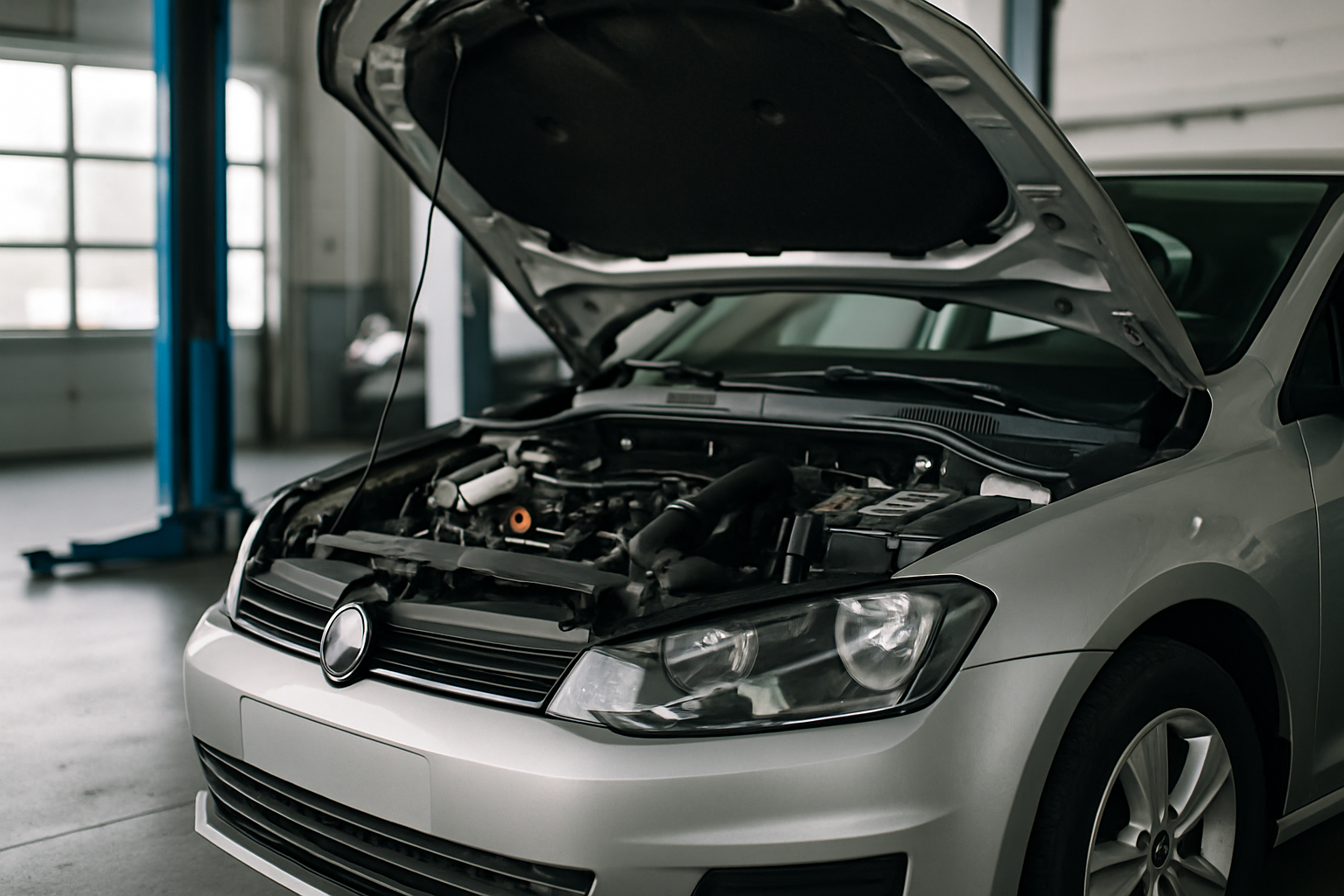
Start your inspection under the hood. Look for the purge valve, usually mounted on or near the intake manifold. It’s typically a small cylindrical component with two hoses and an electrical connector.
Trace the larger hose from the purge valve back toward the fuel tank. This connects to the charcoal canister, often located near the fuel tank or along the frame rail. Look for any obvious damage, loose connections, or cracked hoses along this path.
Check around the fuel tank area if you’re comfortable working under the vehicle. The vent valve is usually mounted on top of the fuel tank or integrated into the fuel pump assembly.
When to Call a Professional
If you’ve verified your gas cap seals properly and can’t locate an obvious leak, professional diagnosis becomes worthwhile. A proper smoke test can reveal leaks in hard-to-reach areas or internal component failures.
Some EVAP leaks occur inside fuel tanks or within integrated components that require special tools to access. These repairs typically involve dropping the fuel tank, which requires proper safety equipment and experience.
Expect to pay $100-150 for professional EVAP system diagnosis if the simple gas cap fix doesn’t solve your problem. This diagnostic fee usually applies toward repair costs if you have the work done at the same shop.
Parts Costs for Common EVAP Repairs
If your problem extends beyond the gas cap, repair costs vary significantly based on the failed component. Purge valves typically cost $30-80 for the part, while vent valves run $40-120 depending on your vehicle.
EVAP hoses are generally inexpensive (under $20), but labor costs can add up if they’re difficult to access. Charcoal canister replacement is more expensive, with parts ranging from $100-300 plus several hours of labor.
The most expensive EVAP repairs involve fuel tank removal, which can cost $500-1000 in labor alone. This is why starting with the simple gas cap check makes financial sense.
Preventing Future EVAP Problems
Regular gas cap maintenance can prevent most P0456 codes. Replace your gas cap every 3-5 years or whenever you notice the seal becoming hard or cracked. Always tighten it until you hear multiple clicks.
Avoid overfilling your fuel tank, as this can damage the charcoal canister and other EVAP components. Stop pumping when the nozzle clicks off the first time, even if the tank isn’t completely full.
Keep your fuel tank at least 1/4 full during cold weather to prevent condensation from forming inside the tank and potentially damaging EVAP system components.
Emissions Testing Considerations
A P0456 code will cause your vehicle to fail emissions testing in most areas that require it. You must repair the leak and ensure the code doesn’t return before your vehicle will pass.
After clearing the code, your car’s computer needs to complete its readiness monitors before emissions testing. This process can take several drive cycles, so don’t wait until the last minute to address EVAP codes.
Some emissions testing facilities allow one incomplete monitor, but EVAP system readiness is typically required to be complete for passing.
Frequently Asked Questions
How long can I drive with a P0456 code?
You can drive indefinitely with a P0456 code without immediate safety concerns, but you should address it promptly. The code indicates your vehicle is releasing fuel vapors into the atmosphere, and you won’t pass emissions testing until it’s fixed.
Will a P0456 code clear itself?
The code won’t clear automatically unless the underlying problem is fixed. If you repair the leak (like tightening or replacing your gas cap), the code may clear after several drive cycles, but using a scanner to clear it immediately is more reliable.
Can I pass emissions with a P0456 code?
No, active trouble codes related to emissions systems will cause automatic failure at most testing facilities. You must repair the leak and clear the code before testing.
Is it worth fixing a small EVAP leak?
Yes, especially since 80% of P0456 codes are fixed with a simple gas cap replacement costing under $10. Even more complex EVAP repairs are usually less expensive than the fines or registration issues you might face for not addressing the problem.
Leave a Reply