
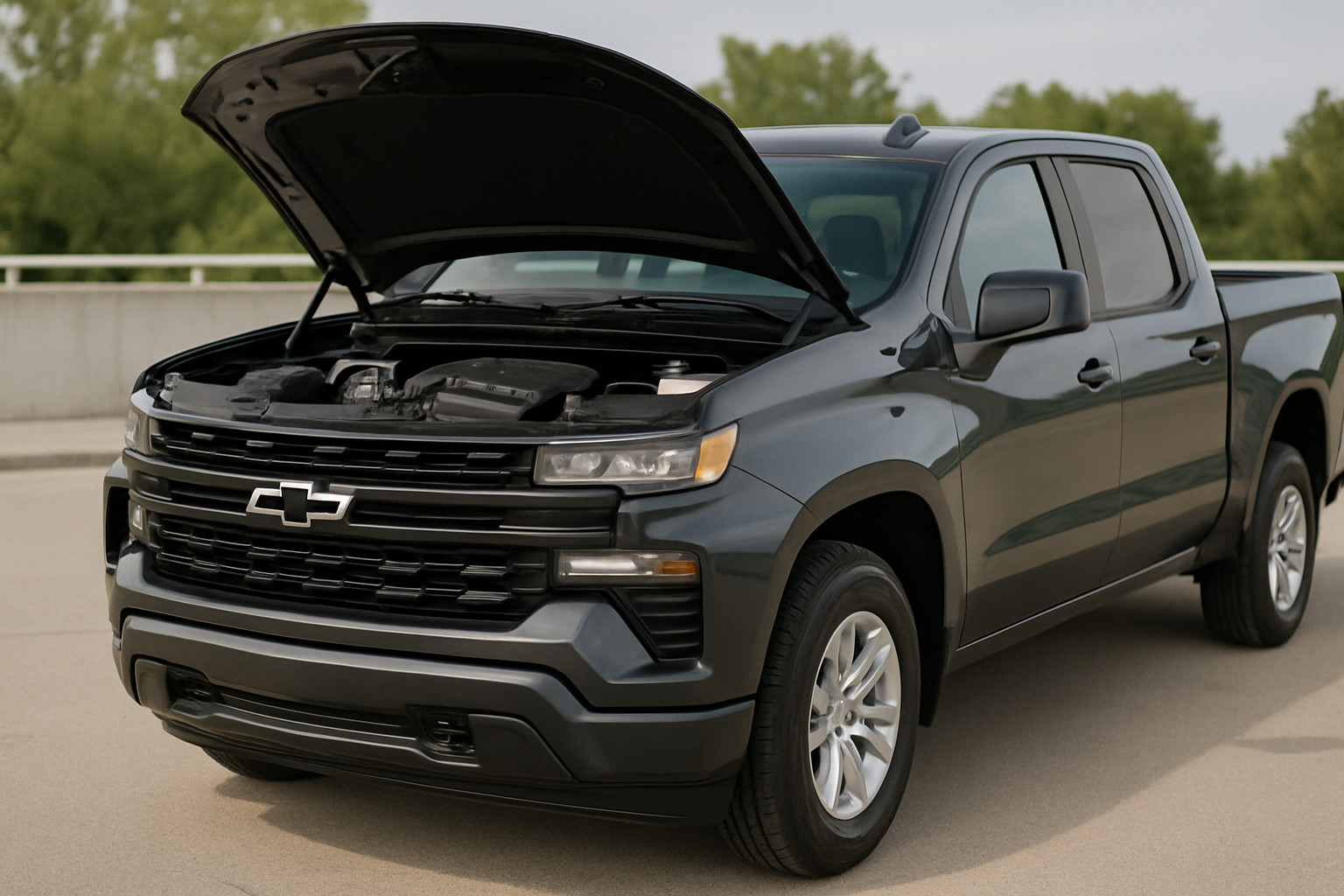
When Chevrolet introduced the 2.7L turbo four-cylinder (L3B) engine in their full-size trucks, it sparked plenty of debate among truck owners. This smaller, turbocharged powerplant promises better fuel economy than traditional V8s, but can it handle the demands of real truck work?
What Makes the L3B Engine Different
The 2.7L L3B isn’t your typical truck engine. Chevy packed this 2.7-liter four-cylinder with a turbocharger, direct injection, and variable valve timing to squeeze out 310 horsepower and 348 lb-ft of torque. Those numbers put it surprisingly close to the 5.3L V8’s output.
You’ll find this engine in 2019 and newer Silverado 1500s, as well as the GMC Sierra 1500. Chevy positioned it as the fuel-efficient option for buyers who want truck capability without V8 thirst.
The L3B uses an aluminum block and head to keep weight down, plus it incorporates GM’s latest engine management technology. On paper, everything looks promising. Real-world performance tells a more complex story.
Real-World Towing Performance
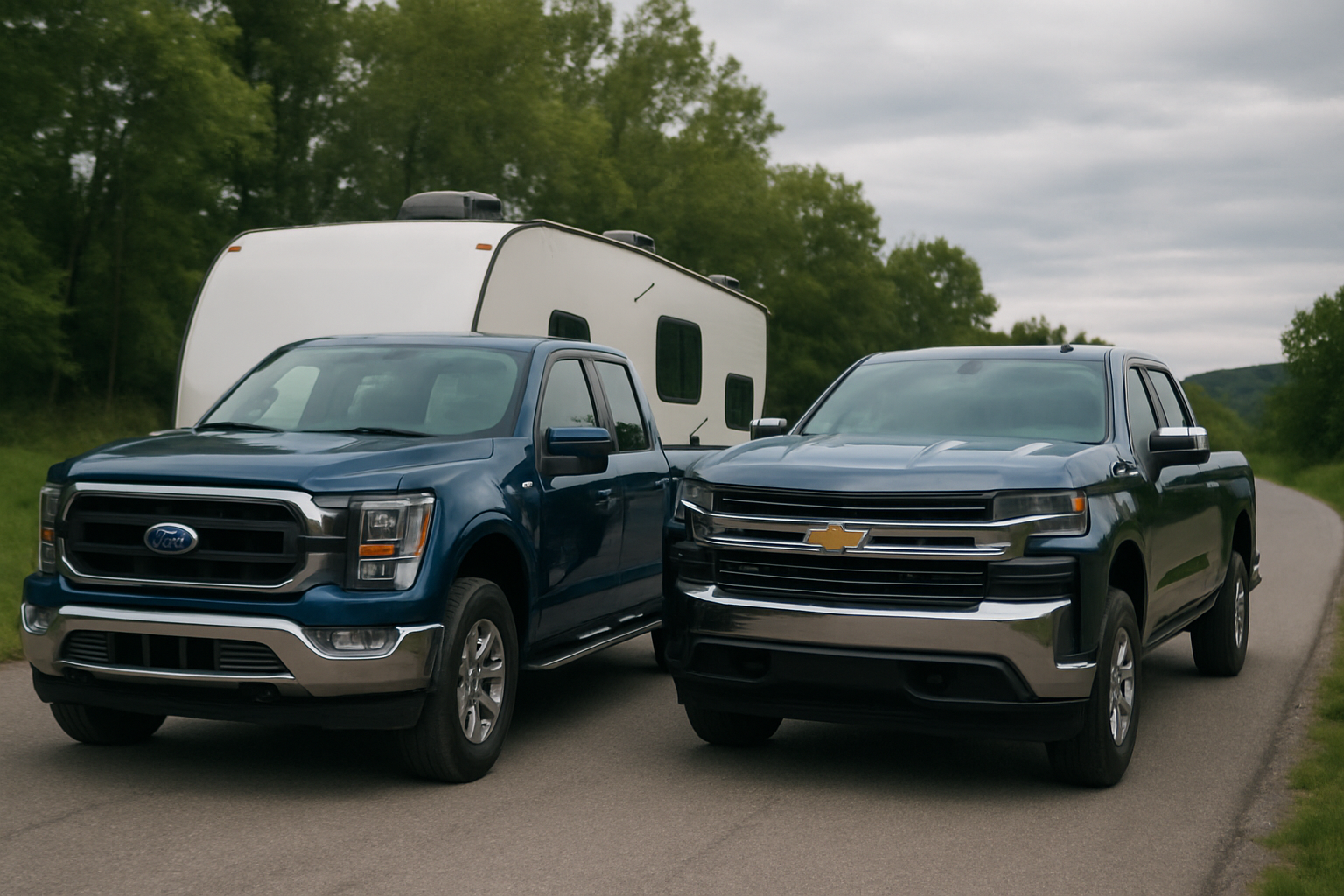
When you’re pulling a trailer, the 2.7L turbo shows both its strengths and limitations. The turbocharger delivers strong low-end torque, which helps when getting a heavy load moving from a stop. You’ll notice good initial pulling power around town and on moderate grades.
However, sustained highway towing exposes the engine’s smaller displacement. Long mountain passes or extended high-speed towing sessions push the turbo hard, and you’ll hear it working. Engine temperatures can climb higher than you’d see with a naturally aspirated V8.
Most owners report the 2.7L handles 5,000-6,000 pound trailers reasonably well for occasional use. If you’re towing near the maximum 9,600-pound rating regularly, you’ll want more engine. The transmission tends to hunt for gears more often with heavy loads compared to V8-equipped trucks.
Fuel economy while towing drops significantly, often into the single digits. The advantage over the 5.3L V8 largely disappears when you’re working the engine hard.
Oil Change Intervals and Maintenance
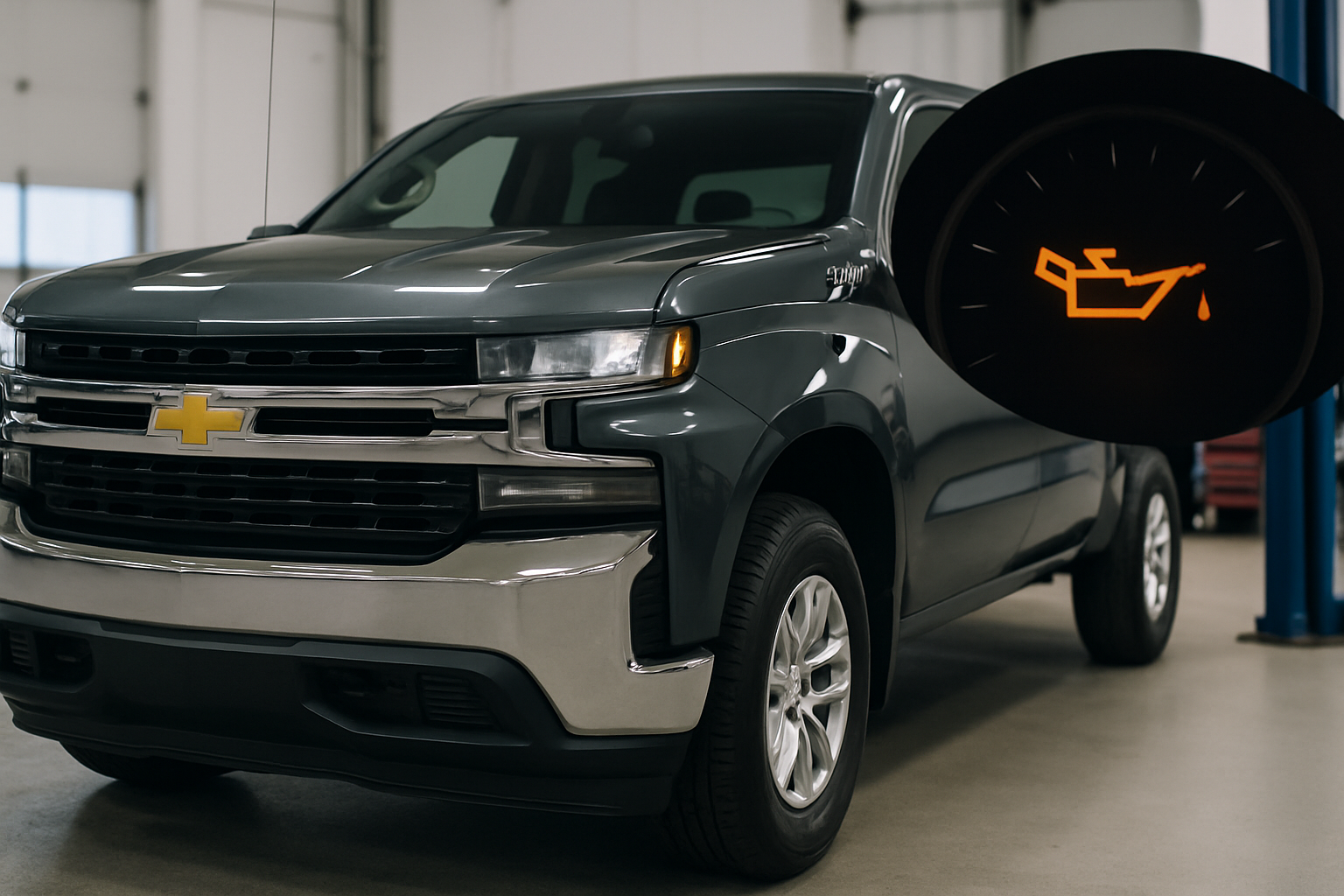
GM recommends 7,500-mile oil change intervals for the L3B under normal conditions. This sounds convenient, but turbocharged engines typically benefit from shorter intervals, especially if you tow regularly or drive in stop-and-go traffic.
Many experienced mechanics suggest 5,000-mile changes for turbocharged engines. The turbo runs extremely hot and relies on engine oil for both lubrication and cooling. Degraded oil can lead to turbo bearing problems down the road.
The 2.7L takes 5 quarts of 0W-20 oil with filter changes. Stick to oils that meet GM’s dexos1 specification. Mobil 1, Valvoline MaxLife, and Castrol GTX are popular choices among owners.
You’ll also want to pay attention to air filter changes. A clogged air filter affects turbo performance more than naturally aspirated engines. Replace it every 15,000-20,000 miles or sooner in dusty conditions.
Timing Chain Reliability Concerns
Early reports suggest the L3B’s timing chain system appears more robust than some previous GM designs. The engine uses a timing chain rather than a belt, which should last the life of the engine under normal conditions.
However, timing chain stretch can still occur with high mileage or poor maintenance. Warning signs include rattling noises on cold starts, especially from the front of the engine. Some owners report timing chain noise around 60,000-80,000 miles, though this seems less common than with older GM engines.
Proper oil changes help prevent timing chain problems. The chain and tensioners depend on adequate oil pressure and clean oil to function correctly. Skipping oil changes or using the wrong viscosity can accelerate wear.
If timing chain replacement becomes necessary, expect a significant repair bill. The labor-intensive job typically runs $1,500-2,500 at independent shops.
Comparing to the 5.3L V8
The choice between the 2.7L turbo and 5.3L V8 depends on your priorities. The turbo four offers better unloaded fuel economy, typically 2-3 mpg better in combined driving. It also costs less upfront and weighs less.
The 5.3L V8 provides more relaxed power delivery and better long-term towing capability. It doesn’t work as hard during sustained high-load situations. The naturally aspirated V8 also has a longer track record for reliability.
Maintenance costs favor the V8 slightly. The simpler design means fewer potential failure points. Turbocharger replacement, if needed, adds a significant expense the V8 doesn’t have.
For daily driving without heavy towing, the 2.7L makes sense. Regular trailer hauling or commercial use still favors the V8’s durability.
Common Problems and Solutions
Most 2.7L reliability issues stem from the turbocharger system. Some owners report turbo wastegate problems, which can cause overboosting or poor performance. This typically appears under warranty coverage for newer trucks.
Carbon buildup on intake valves can occur with direct injection engines. The 2.7L seems less prone to this than some competitors, but it can still happen with time. Periodic intake cleaning may become necessary after 100,000 miles.
Cooling system maintenance becomes more critical with turbocharged engines. The additional heat from the turbo stresses cooling components. Replace coolant according to GM’s schedule and watch for leaks.
Some owners experience excessive oil consumption, particularly in early production engines. GM has updated piston rings in newer versions to address this concern.
Owner Experience and Longevity
Trucks with the 2.7L L3B haven’t been on the road long enough for extensive high-mileage data. Most examples are still under 100,000 miles, making long-term reliability predictions difficult.
Current owner reports show mixed results. Light-duty users who maintain their trucks properly generally report good experiences. The engine provides adequate power for most driving situations and delivers promised fuel economy.
Owners who push their trucks harder express more concerns. Heavy towing, frequent wide-open-throttle use, or poor maintenance practices seem to accelerate wear. The turbo system requires more careful treatment than a naturally aspirated engine.
Resale values for 2.7L trucks remain strong, though they typically lag behind V8 models slightly. Many used truck buyers still prefer the proven V8 formula.
Making the Right Choice
The 2.7L turbo works well for buyers who use their truck primarily as a daily driver with occasional light towing. If you’re hauling boats or RVs a few times per year and value fuel economy, it makes sense.
Commercial users or frequent towers should stick with larger engines. The 2.7L can handle heavy work, but it won’t last as long under constant stress. The small displacement means it works harder to produce the same output as larger engines.
Maintenance becomes more critical with the turbocharged engine. If you’re the type to skip oil changes or defer maintenance, choose the V8. The 2.7L rewards careful ownership but punishes neglect more severely.
Warranty and Support Considerations
GM covers the 2.7L L3B under the standard powertrain warranty: 5 years or 60,000 miles. Turbocharger problems typically fall under this coverage, which provides some peace of mind for early adopters.
Extended warranty coverage makes more sense for turbocharged engines due to higher potential repair costs. Factor this into your ownership calculations when comparing engine options.
Parts availability remains good through GM dealers and aftermarket suppliers. The engine shares some components with other GM applications, which helps with long-term parts support.
Frequently Asked Questions
How long do 2.7L turbo engines typically last?
With proper maintenance, the L3B should provide 200,000+ miles of service. However, most examples haven’t reached high mileage yet, so this represents an educated estimate based on similar engines. Turbocharger replacement may be needed once during the engine’s lifetime.
Is premium fuel required for the 2.7L turbo?
GM recommends regular 87-octane fuel for normal driving. Premium fuel isn’t required, but some owners report slightly better performance and fuel economy with 91+ octane, especially when towing. The extra cost rarely justifies the marginal improvement for most drivers.
Can I modify the 2.7L turbo for more power?
Aftermarket tuning options exist, but proceed carefully. The engine already produces high specific output from the factory. Additional boost or timing changes can reduce reliability. Any modifications will void warranty coverage and may affect emissions compliance.
Should I choose the 2.7L over the 5.3L V8?
Choose the 2.7L if fuel economy is your priority and you don’t tow heavy loads regularly. The V8 makes more sense for frequent towing, commercial use, or if you prefer simpler, proven technology. Both engines can provide reliable service with proper care.
Leave a Reply