
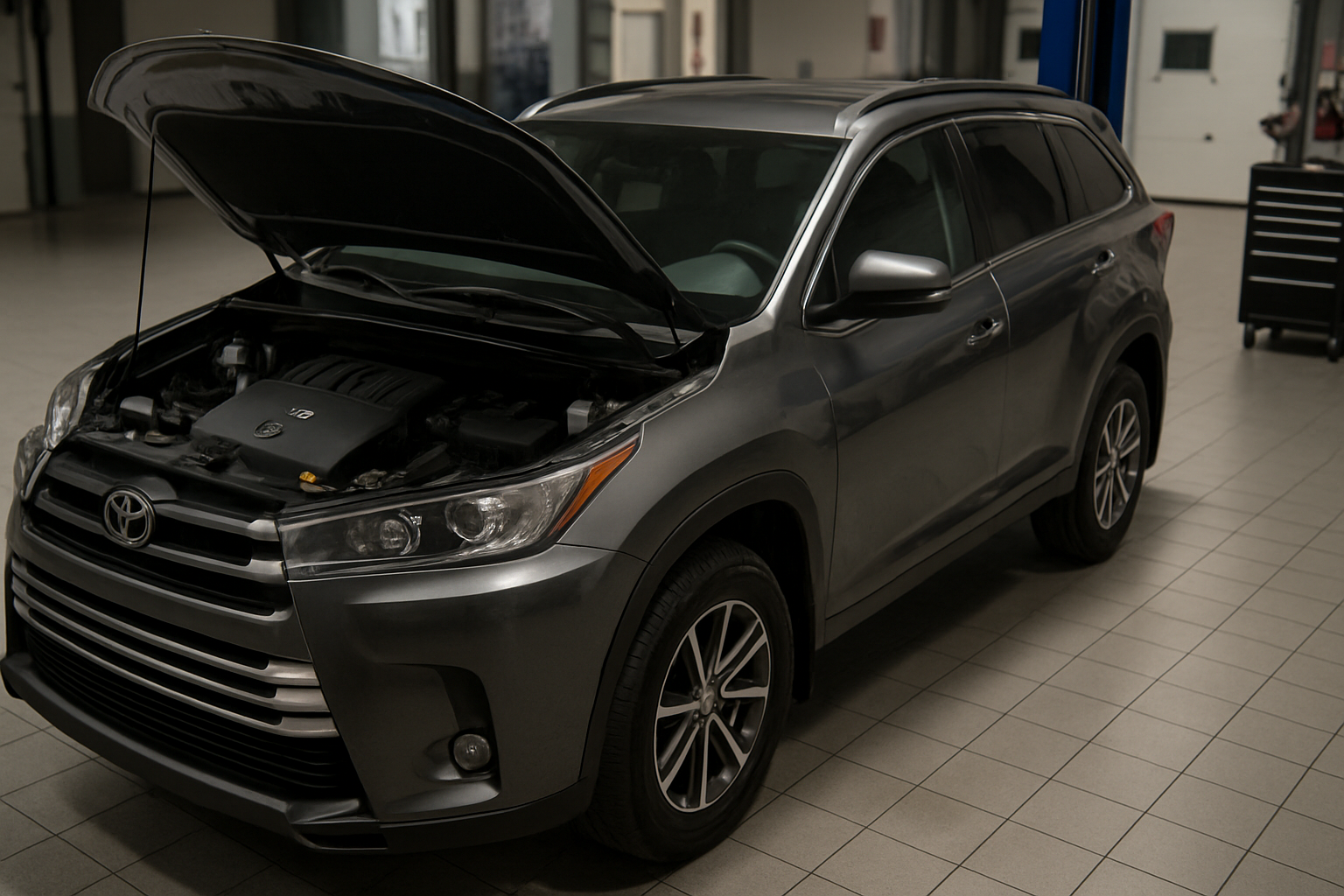
The Toyota 2GR-FKS 3.5L V6 engine has earned a solid reputation among automotive enthusiasts and everyday drivers alike. Found in popular models like the Camry, Highlander, Tacoma, and 4Runner, this naturally aspirated powerplant delivers impressive performance while maintaining Toyota’s legendary reliability standards.
However, like any modern engine, the 2GR-FKS isn’t immune to certain issues that can affect long-term ownership costs and driving experience. Understanding these potential problems and staying on top of proper maintenance can help you maximize your engine’s lifespan and performance.
Engine Overview and Applications
The 2GR-FKS debuted in 2017 as Toyota’s latest iteration of their venerable 3.5L V6 family. This engine incorporates several modern technologies including D-4S dual injection (combining direct and port injection), variable valve timing on both intake and exhaust camshafts, and an integrated water-cooled exhaust manifold.
You’ll find this engine powering multiple Toyota and Lexus vehicles across different segments. In the Camry and Avalon, it produces around 301 horsepower, while truck applications like the Tacoma and 4Runner see slightly different tuning for torque-focused performance.
The engine features an aluminum block and heads, helping keep weight down while providing excellent heat dissipation. Toyota designed it to run on regular unleaded fuel, though premium can unlock slightly better performance in certain driving conditions.
Reliability Track Record
Overall, the 2GR-FKS has proven quite reliable in its relatively short production run. Most owners report trouble-free operation well into six-figure mileage ranges when properly maintained. Toyota’s conservative engineering approach shows in this engine’s design, with robust internal components and proven technologies.
Independent reliability studies consistently rank vehicles equipped with this engine above average for mechanical dependability. Consumer Reports and J.D. Power both give high marks to Toyota models using the 2GR-FKS.
However, several specific issues have emerged as these engines accumulate more miles. While not widespread enough to be considered serious design flaws, they’re worth monitoring as your vehicle ages.
Common Issues and Problems
Water Pump Failures
The most significant concern with the 2GR-FKS involves premature water pump failure. Unlike traditional external water pumps, this engine uses an internal water pump integrated with the timing chain system. When it fails, coolant can leak internally, potentially causing serious engine damage.
Symptoms include coolant loss without visible external leaks, overheating, and sometimes a whining noise from the timing chain area. The repair is expensive because it requires timing chain removal and significant labor time.
Most failures occur between 80,000 and 150,000 miles, though some have happened earlier. Toyota has issued technical service bulletins addressing this issue, and some vehicles may qualify for extended warranty coverage.
Timing Chain Stretch and Noise
While not as common as with some previous Toyota engines, timing chain stretch can occur on the 2GR-FKS. You’ll typically notice this as a rattling noise on startup, especially when the engine is cold.
The noise usually lasts for a few seconds after startup and may become more persistent as the chain stretches further. In severe cases, timing chain failure can cause catastrophic engine damage due to valve-to-piston contact.
Regular oil changes with the correct viscosity oil are crucial for timing chain longevity. Toyota specifies 0W-20 synthetic oil for most applications of this engine.
Direct Injection Carbon Buildup
Like many modern direct-injected engines, the 2GR-FKS can develop carbon deposits on intake valves over time. While the D-4S system uses both direct and port injection to help minimize this issue, some buildup is still inevitable.
Symptoms include rough idling, reduced power output, poor fuel economy, and hesitation during acceleration. The deposits form because direct injection doesn’t wash fuel over the intake valves like traditional port injection does.
Typically, this becomes noticeable after 100,000 miles, though driving habits and fuel quality can affect the timeline. Short trips and city driving tend to accelerate carbon accumulation.
Oil Consumption
Some 2GR-FKS engines exhibit higher than expected oil consumption, particularly in their first 50,000 miles. Toyota considers up to one quart per 1,200 miles as acceptable, though many owners find this excessive.
The issue often improves as the engine breaks in and piston rings seat properly. However, persistent high oil consumption may indicate worn valve seals or other internal problems requiring attention.
Regular oil level monitoring is essential, especially on higher-mileage examples or during the break-in period on new vehicles.
Essential Maintenance Tips
Oil Change Intervals and Specifications
Stick religiously to Toyota’s recommended oil change intervals, typically every 10,000 miles under normal conditions. However, severe driving conditions (frequent short trips, dusty environments, towing) warrant more frequent changes every 5,000-7,500 miles.
Always use the specified 0W-20 synthetic oil. While some owners prefer 5W-30 for high-mileage engines, check your owner’s manual first. Using the wrong viscosity can affect fuel economy and potentially void warranty coverage.
Quality oil filters matter too. OEM Toyota filters or equivalent brands like Wix, Purolator, or Mobil 1 provide better filtration than budget alternatives.
Cooling System Maintenance
Given the water pump concerns, maintaining the cooling system becomes extra important. Replace coolant according to Toyota’s schedule, typically every 100,000 miles for the initial fill and every 50,000 miles thereafter.
Use only Toyota’s pink Super Long Life Coolant or equivalent Asian-formula coolant. European or domestic coolants use different additive packages that may not provide optimal protection.
Monitor coolant levels regularly and investigate any unexplained loss immediately. Internal water pump leaks can cause rapid coolant loss and engine damage if not caught early.
Fuel System Care
To minimize carbon buildup, use Top Tier gasoline when possible. These fuels contain enhanced detergent packages that help keep fuel systems cleaner. Brands like Shell, Chevron, and Costco meet Top Tier standards.
Periodic fuel system cleaning treatments can help prevent carbon accumulation. Products like Chevron Techron or Lucas Fuel Treatment added every 10,000-15,000 miles provide additional cleaning benefits.
For severe carbon buildup, professional walnut shell blasting may be necessary. This service typically costs $400-800 but effectively removes stubborn deposits.
Performance Modifications and Upgrades
The 2GR-FKS responds well to basic modifications for those seeking additional performance. A high-flow air filter and cat-back exhaust system can add 10-15 horsepower while improving engine sound.
More significant gains require ECU tuning, though options remain limited compared to turbocharged engines. Companies like Orange Virus Tuning offer calibrations that can extract additional power safely.
Cold air intake systems provide modest gains but ensure they don’t compromise the engine’s sophisticated airflow management system. Stick with reputable brands that have done proper development work.
Cost of Ownership Considerations
Routine maintenance costs for the 2GR-FKS remain reasonable compared to European or luxury competitors. Oil changes typically run $40-70 at independent shops using quality synthetic oil.
Major service items like timing chain or water pump replacement can be expensive due to labor intensity. Budget $2,000-4,000 for timing chain service and $1,500-2,500 for internal water pump replacement at independent shops.
However, these issues aren’t universal, and many engines never experience them. Regular maintenance and early problem detection can prevent most costly repairs.
Buying Tips for Used Vehicles
When shopping for a used vehicle with the 2GR-FKS, prioritize maintenance records over low mileage. A well-maintained higher-mileage example often proves more reliable than a neglected low-mileage car.
Listen carefully for timing chain noise during startup and warm-up. Any persistent rattling or abnormal noises warrant further investigation by a qualified technician.
Check coolant levels and look for any signs of external leaks. Brown or contaminated coolant may indicate internal water pump problems or poor maintenance.
Consider having a pre-purchase inspection performed by a Toyota specialist who can identify potential issues before you buy.
Frequently Asked Questions
How long does the 2GR-FKS engine typically last?
With proper maintenance, most 2GR-FKS engines should easily reach 200,000+ miles. Some owners report trouble-free operation well beyond 250,000 miles when following Toyota’s maintenance schedule and addressing issues promptly.
Is premium fuel required for optimal performance?
Regular unleaded fuel is sufficient for normal operation. Premium fuel may provide slightly better performance under heavy load conditions but isn’t necessary for most driving situations. The engine’s knock sensors adjust timing automatically based on fuel quality.
How much does timing chain replacement cost?
Timing chain replacement typically costs $2,000-4,000 depending on your location and whether additional components need replacement. The job requires significant disassembly, making labor the primary cost factor. Independent shops usually charge less than dealerships for this service.
Can carbon buildup be prevented entirely?
While the D-4S dual injection system helps minimize carbon buildup compared to pure direct injection engines, some accumulation is inevitable. Regular use of quality fuel, occasional highway driving, and periodic fuel system treatments can slow the process significantly.
This article contains affiliate links. If you purchase through these links, we may earn a small commission at no extra cost to you.

Leave a Reply