
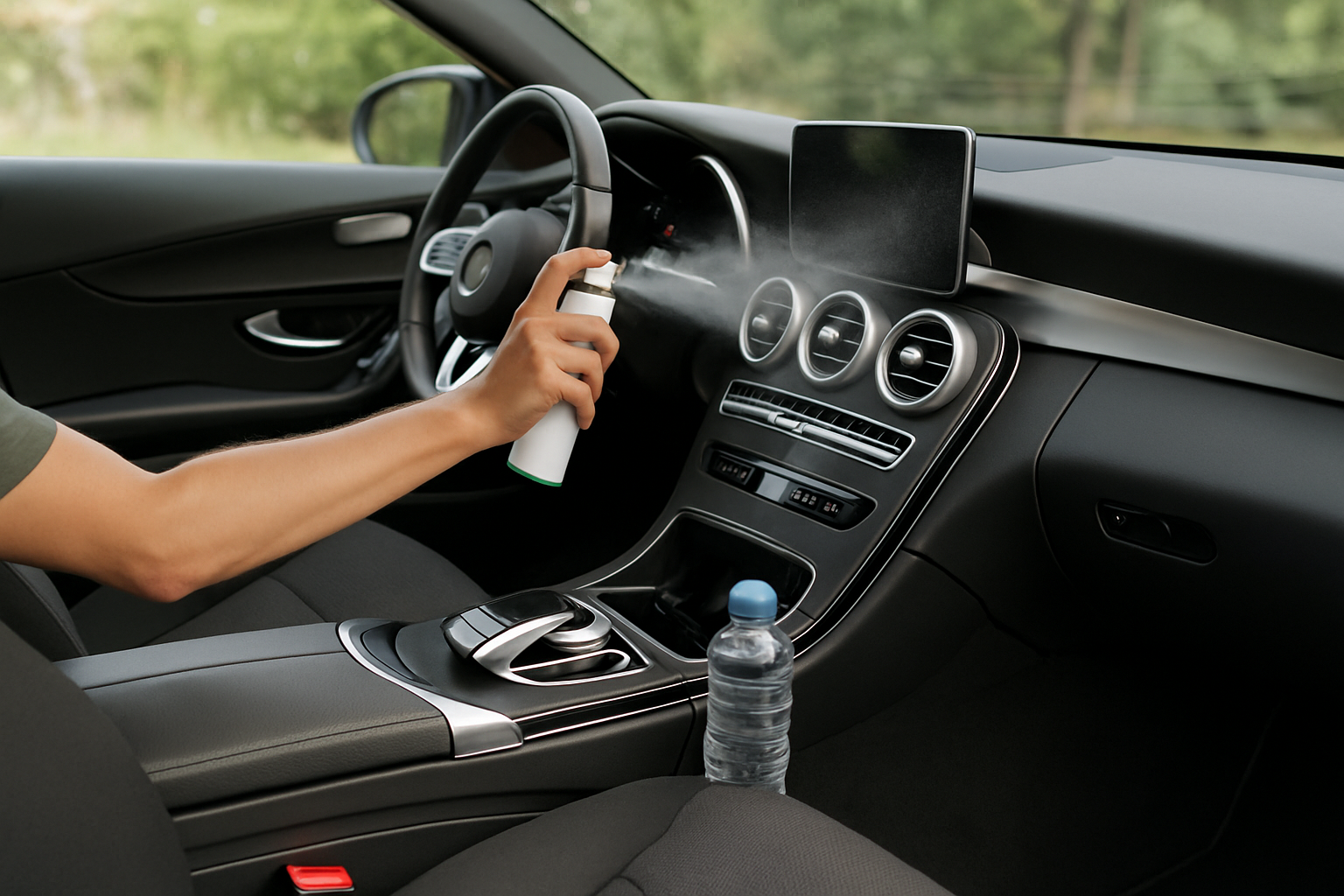
A persistently smelly car interior can turn every drive into an unpleasant experience. While surface cleaning might mask odors temporarily, some smells seem to return no matter what you try.
The key to permanently eliminating stubborn car odors lies in finding and treating the actual source rather than just covering it up. Once you identify where the smell originates, you can choose the right treatment method to eliminate it completely.
Why Some Car Odors Keep Coming Back
Most persistent car odors stem from organic sources that continue producing smell compounds over time. Surface cleaners and air fresheners can’t penetrate deep enough to neutralize these sources completely.
Common culprits include bacteria growing in your AC system, food particles decomposing under seats, moisture trapped in upholstery, and dirty cabin air filters that recirculate contaminated air. Each of these requires a specific approach to eliminate permanently.
Temperature changes also reactivate dormant odors. What smells fine in cool weather can become overwhelming when your car heats up, releasing trapped odor molecules from fabrics and plastics.
Step 1: Find the Source of the Smell
Before treating any odor, you need to locate where it’s coming from. Start your investigation with these common problem areas.
Check Your Cabin Air Filter
A dirty cabin air filter traps moisture, dirt, and debris, creating perfect conditions for bacterial growth. The filter location varies by vehicle, but it’s typically behind the glove box or under the dashboard on the passenger side.
Remove the filter and inspect it for discoloration, debris, or obvious odors. If it’s been more than 15,000 miles since replacement, change it regardless of appearance. A musty or sour smell often disappears immediately after filter replacement.
Inspect Under and Around Seats
Food spills, especially liquids, can seep deep into seat cushions and carpet padding where they’re impossible to clean with surface methods. Pull seats forward and back to check for forgotten food items, spilled drinks, or stained carpeting.
Use a flashlight to look under seats completely. You might find old food containers, spilled coffee that soaked into carpet padding, or wet items that developed mold. Even small spills can create persistent odors if they reach the foam padding underneath.
Test Your AC System
Mold and bacteria commonly grow on your AC evaporator coil, especially if you live in a humid climate. Turn on your AC and smell the air coming from the vents. A musty, dirty sock smell indicates microbial growth in the system.
The evaporator coil sits behind your dashboard where condensation creates perfect growing conditions for mold. This location makes it difficult to clean without specialized products designed to reach the coil through the air ducts.
Deep Cleaning Methods That Actually Work
Once you’ve identified the odor source, choose the appropriate treatment method. Different types of odors require different approaches for complete elimination.
Enzyme Cleaners for Organic Odors
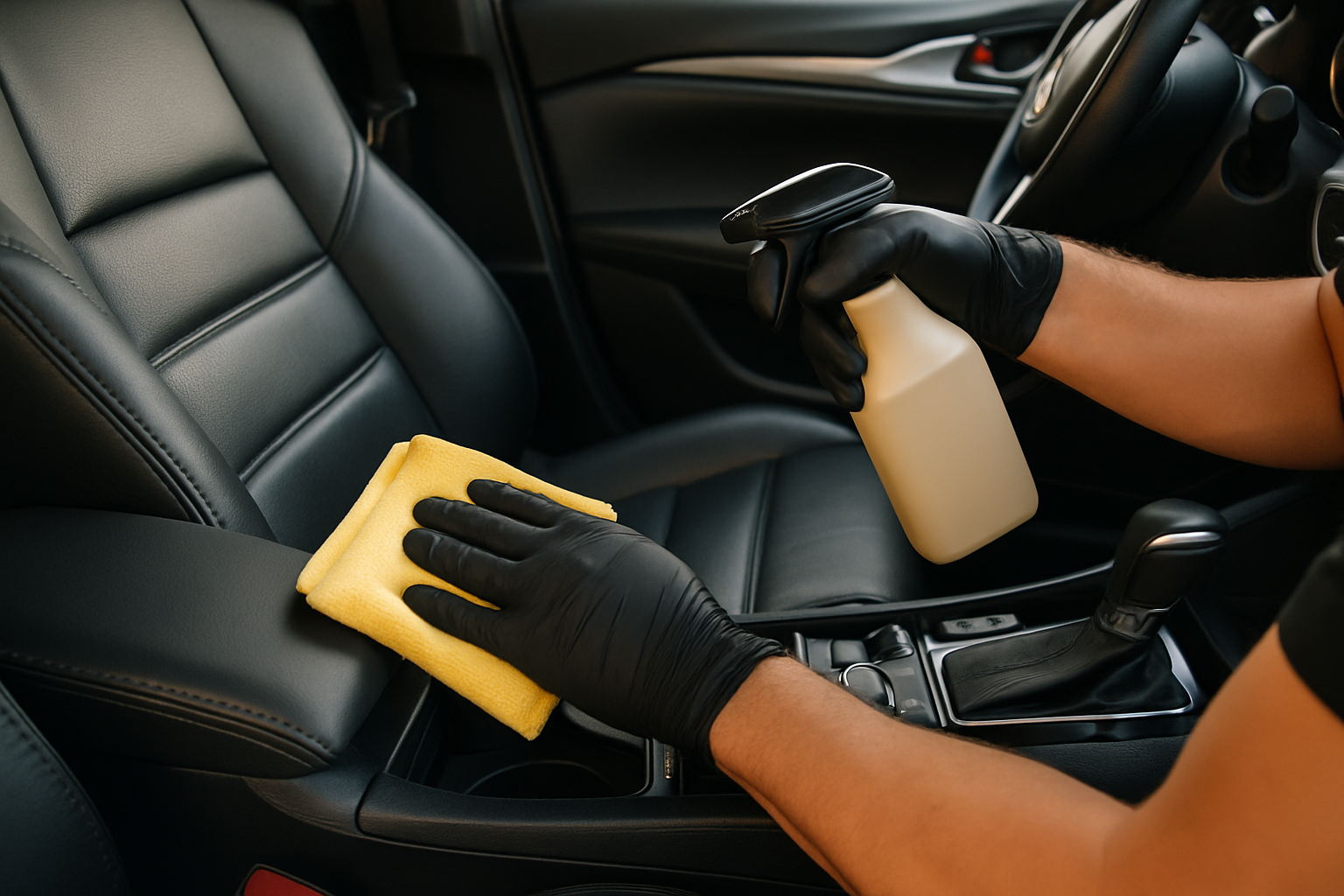
Enzyme cleaners work by breaking down the actual molecules that cause organic odors rather than just masking them. They’re particularly effective on food spills, pet accidents, and human body odors that have soaked into upholstery.
Apply enzyme cleaner directly to affected areas and allow it to air dry completely. Don’t rinse or wipe it away, as the enzymes need time to break down odor-causing compounds. Multiple applications might be necessary for deeply embedded odors.
For carpet and upholstery, saturate the area enough to reach the padding underneath. The enzymes must contact the odor source to be effective, which often means going deeper than the surface fabric.
Professional AC Evaporator Treatment
AC evaporator sprays are specifically designed to eliminate mold and bacteria growing on your evaporator coil. These products spray through your air intake system to reach areas you can’t access manually.
Remove the cabin air filter and spray the treatment directly into the air intake housing. Run your AC on recirculate mode to help distribute the treatment throughout the system. Some products require the engine to be off during application, so follow the specific instructions.
Allow the treatment to sit for the recommended time before reinstalling a new cabin filter. Don’t reuse the old filter, as it likely contains the same contaminants you just treated.
Steam Cleaning for Deep Penetration
Steam cleaning reaches deeper into fabrics and padding than conventional wet cleaning methods. The high temperature also kills bacteria and mold that cause ongoing odors.
Focus on areas where spills occurred, paying special attention to seams and crevices where liquids collect. Work slowly to allow the steam to penetrate completely, and ensure adequate ventilation to prevent moisture buildup.
Advanced Odor Elimination Techniques
For severe or persistent odors that resist conventional cleaning, these advanced methods can eliminate even the most stubborn smells.
Ozone Generator Treatment
Ozone generators produce O3 molecules that break down odor compounds at the molecular level. This method is particularly effective for smoke odors, pet smells, and other persistent organic odors that have saturated your car’s interior.
Place the ozone generator inside your car with windows closed and run it for the recommended time based on your vehicle’s interior volume. Most treatments require 30 minutes to several hours depending on odor severity.
Important safety note: Never use an ozone generator while occupying the vehicle. Ozone is harmful to breathe and can damage rubber seals with excessive exposure. Ventilate the car thoroughly after treatment before driving.
Activated Charcoal Absorption
Activated charcoal bags provide ongoing odor control by continuously absorbing odor molecules from the air. They work well for maintaining freshness after initial deep cleaning or for mild ongoing odors.
Place several charcoal bags throughout your car, focusing on areas where odors were strongest. Replace or reactivate them according to manufacturer instructions, typically every 30-60 days for maximum effectiveness.
Charcoal bags won’t eliminate strong existing odors but excel at preventing new odors from building up. They’re particularly useful for cars that develop musty smells from humidity or occasional food odors.
Complete Interior Deodorizing Process
For best results, follow this systematic approach to eliminate odors completely and prevent their return.
Preparation Steps
- Remove all personal items, floor mats, and seat covers
- Vacuum thoroughly, including under seats and in crevices
- Check and replace cabin air filter
- Identify specific odor sources using your nose and flashlight
Treatment Application
- Apply enzyme cleaner to organic odor sources and allow to dry completely
- Treat AC system with evaporator spray if musty odors are present
- Steam clean carpets and upholstery, focusing on stained or odorous areas
- Use ozone generator for severe odors, following safety precautions
Final Steps
- Place activated charcoal bags in strategic locations
- Run AC with new filter to ensure clean airflow
- Allow complete drying before returning personal items
- Monitor for returning odors over the next few days
Preventing Future Odor Problems
Maintaining a fresh-smelling car interior requires ongoing attention to potential odor sources. Regular maintenance prevents small issues from becoming major problems.
Replace your cabin air filter every 12,000-15,000 miles or annually, whichever comes first. Clean up spills immediately, before they can soak into padding or develop bacterial growth. Use floor mats and seat protectors to prevent contamination of permanent interior surfaces.
Run your AC on fresh air mode periodically to prevent moisture buildup in the system. If you frequently drive in humid conditions, consider running the AC with heat occasionally to dry out the evaporator coil.
When to Seek Professional Help
Some odor problems require professional intervention, particularly when contamination has reached areas you can’t access or treat safely. Professional detailers have specialized equipment and products not available to consumers.
Consider professional help for flood-damaged vehicles, severe mold contamination, or odors that persist despite multiple treatment attempts. Professionals can remove seats and carpeting for thorough cleaning or replacement when necessary.
Insurance claims for odor damage typically require professional documentation and treatment, especially for smoke or flood damage. Professional treatment also maintains vehicle value better than DIY approaches for severe contamination.
Frequently Asked Questions
How long does it take to eliminate persistent car odors?
Simple odors from surface contamination can be eliminated in a few hours with proper treatment. Deep-seated odors from spills that reached carpet padding or AC system contamination may require multiple treatments over several days. Severe cases involving mold or extensive contamination might take a week or more of repeated treatments.
Can I use household products instead of specialized car odor eliminators?
While some household products like white vinegar or baking soda can help with mild odors, they’re not effective for persistent or severe smells. Specialized automotive products are formulated for the specific materials and contamination types found in vehicles. Enzyme cleaners and evaporator treatments have no effective household substitutes.
Will these treatments damage my car’s interior materials?
When used according to directions, quality odor elimination products won’t damage automotive materials. Always test cleaning products in an inconspicuous area first. Ozone generators can damage rubber seals if overused, so follow timing recommendations carefully. Professional-grade products are specifically formulated for automotive use.
How do I know if the odor is completely eliminated?
True odor elimination means the smell doesn’t return even when your car heats up in direct sunlight. Test your results by parking in the sun for several hours, then immediately entering your car. If odors return with heat, the source wasn’t completely treated and requires additional attention.
This article contains affiliate links. If you purchase through these links, we may earn a small commission at no extra cost to you.

Leave a Reply