
A two-minute coolant check before every long drive can save you thousands in engine repairs and prevent you from getting stranded on the roadside. Your engine’s coolant system is what stands between normal operation and catastrophic overheating that can destroy your engine in minutes.
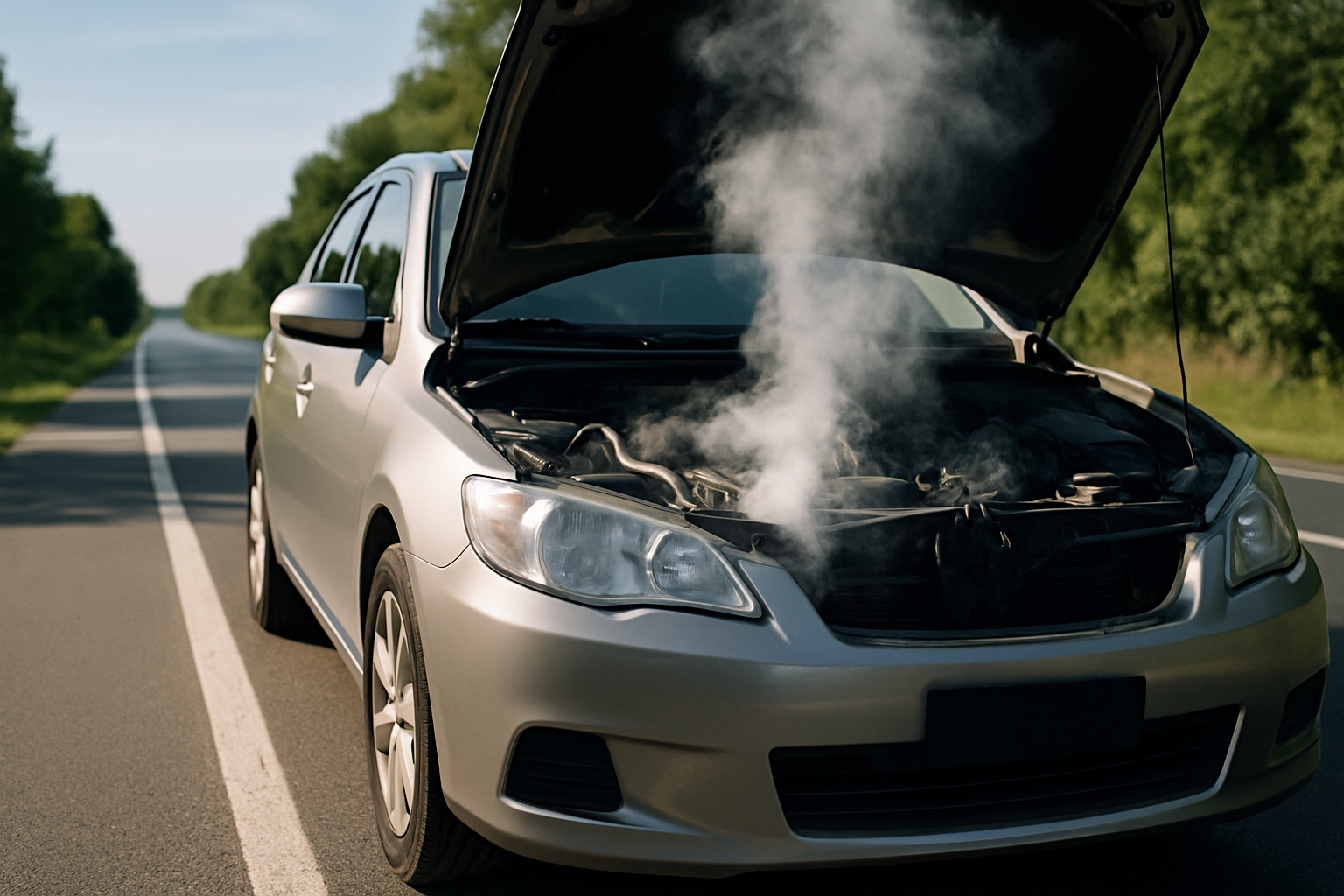
Most drivers never think about coolant until steam starts pouring from under their hood. By then, it’s often too late to prevent serious damage.
What Your Coolant Actually Does
Coolant isn’t just water. It’s a carefully formulated mixture of antifreeze and water that circulates through your engine block, absorbing heat from combustion and carrying it to the radiator where it dissipates into the air.
Your engine generates temperatures hot enough to melt aluminum. Without proper coolant circulation, metal components expand beyond their design limits, gaskets fail, and cylinder heads can warp or crack. We’re talking about repair bills that often exceed the vehicle’s value.
Modern engines run hotter and with tighter tolerances than older designs. This makes them more efficient but also less forgiving when cooling system problems occur.
Why Long Drives Are Especially Risky
Extended highway driving puts maximum stress on your cooling system. Your engine runs at sustained high RPM, generating more heat than stop-and-go city driving. The cooling system works harder for longer periods without the break of idling at traffic lights.
If your coolant level is low when you start a long trip, the problem compounds quickly. Reduced coolant means less heat absorption capacity. The remaining coolant gets hotter faster, and hot coolant is less effective at cooling.
Highway speeds also mean you’re likely far from help when problems occur. A cooling system failure in city traffic is inconvenient. The same failure 200 miles from home can ruin your entire trip and leave you facing emergency towing costs.
How to Check Your Coolant Level Properly

Never attempt to check coolant when your engine is hot. The cooling system operates under pressure, and removing the radiator cap on a hot engine can spray boiling coolant and cause severe burns. Wait at least 30 minutes after driving before checking.
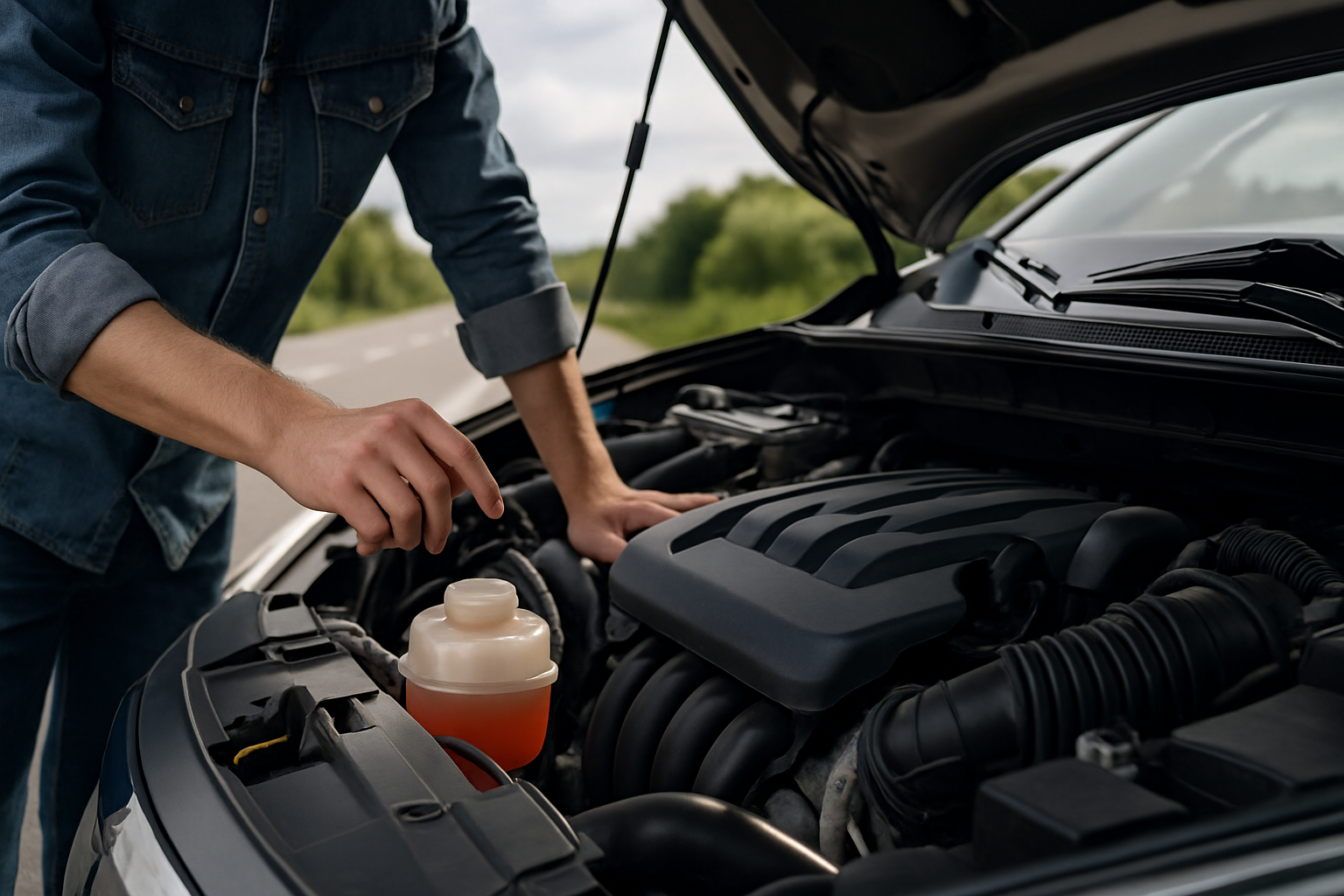
Most vehicles have a translucent plastic overflow reservoir mounted near the radiator. This tank has minimum and maximum level markings molded into the plastic or printed on a label. You should be able to see the coolant level without removing any caps.
Check the coolant level against the “COLD” markings on the reservoir. When the engine is cold, coolant level should be between the minimum and maximum cold level marks. Don’t use the “HOT” markings unless you’re checking a warm (not hot) engine.
What You’re Looking For
Proper coolant level sits between the minimum and maximum marks when cold. If the level is below the minimum mark, you need to add coolant immediately. If it’s above the maximum mark, you may have a different problem like a blown head gasket forcing combustion gases into the cooling system.
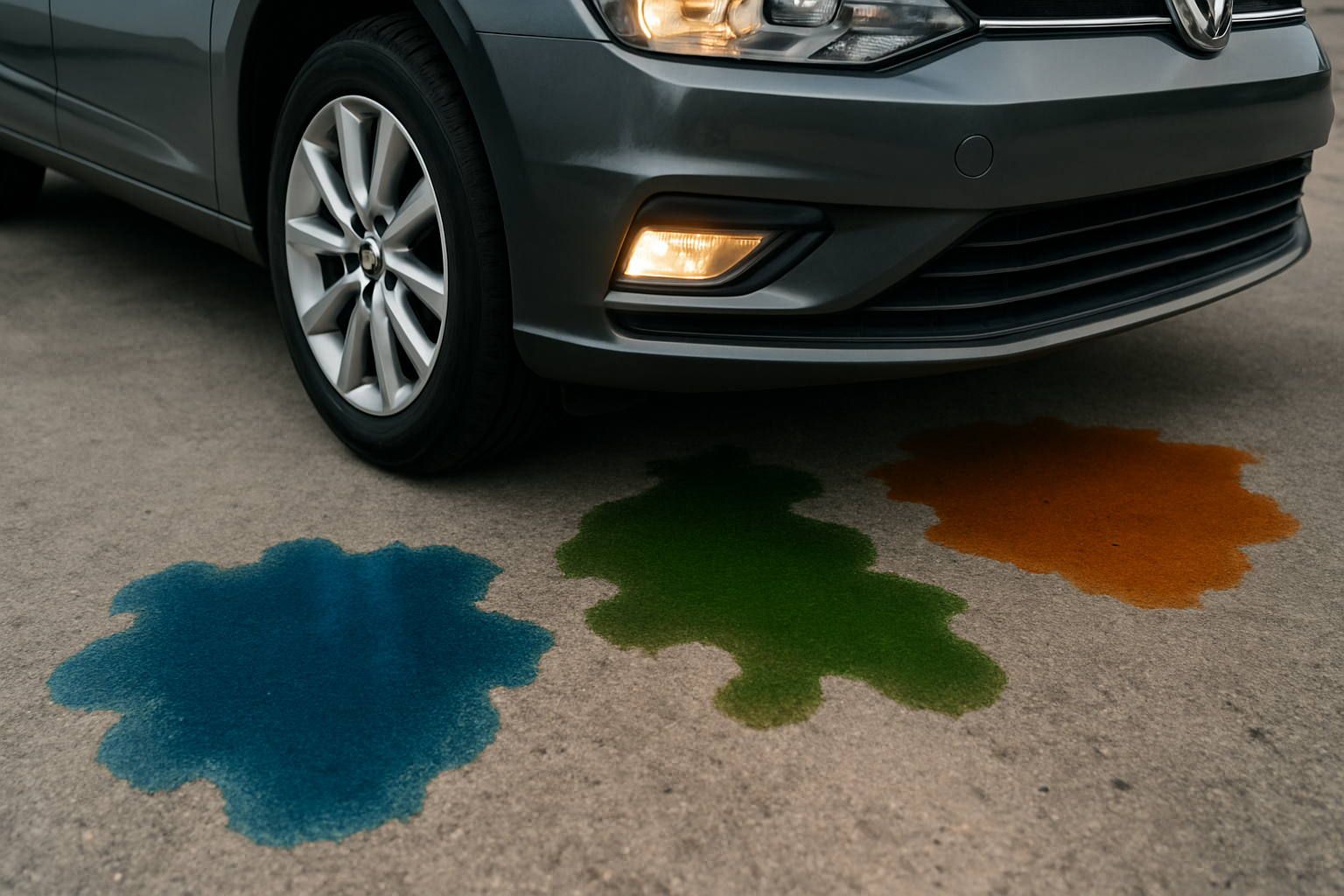
Also inspect the coolant’s condition while you’re checking the level. Healthy coolant is typically bright green, orange, pink, or blue depending on the type. Coolant that’s brown, rusty, or has floating particles needs to be flushed and replaced.
Look for obvious leaks around the reservoir, hoses, and radiator. Small puddles under your parked car or white residue around connections indicate leaks that will get worse during long drives.
Adding Coolant the Right Way
If your coolant level is low, don’t just add water. Use the correct type of antifreeze for your vehicle, mixed to the proper concentration. Most modern vehicles use long-life coolants that aren’t compatible with older green antifreeze formulations.
Your owner’s manual specifies the correct coolant type. Common types include Dex-Cool (orange), Asian vehicle formulations (blue or pink), and European specifications (various colors). Using the wrong type can cause chemical reactions that damage seals and gaskets.
Add coolant slowly to the reservoir, not the radiator. The reservoir feeds coolant to the radiator as the system heats up and cools down. Filling to the maximum cold level gives the system room to expand when hot.
Emergency Coolant Options
In emergencies, you can use distilled water to get home, but replace it with proper coolant as soon as possible. Tap water contains minerals that promote corrosion and scaling inside the cooling system.
Pre-mixed coolant costs more than concentrate but eliminates mixing errors. A 50/50 mixture of antifreeze and water provides the best combination of freeze protection, boil-over protection, and heat transfer.
Warning Signs That Demand Immediate Attention
If you’re adding coolant frequently, you have a leak that needs professional diagnosis. Cooling systems are closed loops. Coolant doesn’t evaporate or get consumed during normal operation.
Small leaks often start as seepage around hose connections or the water pump. These can be difficult to spot but will leave telltale signs like white residue or sweet-smelling dampness around components.
Internal leaks are more serious. If your coolant level drops but you don’t see external leaks, coolant may be leaking into the oil system or combustion chambers. This requires immediate professional attention to prevent engine damage.
Temperature Gauge Behavior
Watch your temperature gauge during the first few miles of any long drive. The needle should rise to its normal position and stay there. If it continues climbing or fluctuates significantly, stop immediately and shut off the engine.
Modern vehicles may not show temperature problems until damage is already occurring. Many newer cars have simplified gauge displays that don’t reveal gradual temperature increases until the situation becomes critical.
Seasonal Considerations
Summer driving puts maximum stress on cooling systems. High ambient temperatures mean less efficient heat dissipation from the radiator. Air conditioning adds extra heat load from the condenser mounted in front of the radiator.
Winter brings different challenges. If your coolant mixture is weak, it can freeze and crack the engine block. Even in moderate climates, coolant provides crucial corrosion protection year-round.
Check your coolant’s freeze point with an inexpensive hydrometer before winter weather arrives. Most climates need protection to at least -20°F, even if temperatures rarely drop below freezing.
The Real Cost of Cooling System Failure
Minor overheating can warp cylinder heads, requiring machining or replacement. Severe overheating can crack engine blocks, damage pistons, and destroy bearings. These repairs often cost check current prices or more.
Insurance doesn’t typically cover engine damage from poor maintenance. You’re responsible for the full cost of repairs plus towing, rental cars, and trip disruptions.
Even if you catch overheating early, the engine may suffer invisible damage that reduces reliability and lifespan. Aluminum components are particularly susceptible to heat damage that doesn’t show up immediately.
Making It a Habit

Check coolant level whenever you check tire pressure before trips. Both are critical safety items that take minutes to verify. Keep a small flashlight in your glove box for checking fluid levels in dim conditions.
Take a photo of your coolant reservoir when it’s at the proper level. This gives you a reference point for future checks, especially if the level markings are faded or hard to read.
Consider carrying a small bottle of the correct coolant type in your vehicle during long trips. This lets you top off the system if levels drop slightly without searching for the right product in unfamiliar locations.
Frequently Asked Questions
How often should I completely change my coolant?
Most manufacturers recommend coolant changes every 60,000 to 100,000 miles for long-life formulations, or every 30,000 miles for conventional coolant. Severe service conditions like frequent towing or extreme temperatures may require more frequent changes. Check your owner’s manual for specific intervals.
Can I mix different types of coolant?
Mixing different coolant chemistries can cause precipitation and reduced protection. If you must add a different type in an emergency, flush and refill the entire system as soon as possible. Universal coolants claim compatibility with all types but may not provide optimal protection for your specific engine.
Why does my coolant level drop slightly over time?
Minor coolant loss through normal evaporation and microscopic seepage is normal over thousands of miles. However, if you’re adding coolant more than once per year, you likely have a leak that needs attention. Document how much you add and how often to help diagnose problems.
What should I do if my engine overheats during a trip?
Stop immediately when you notice overheating. Turn off the engine and don’t restart it until you’ve identified and fixed the problem. Never remove the radiator cap on a hot engine. Call for professional help rather than risk further damage by continuing to drive.
This article contains affiliate links. If you purchase through these links, we may earn a small commission at no extra cost to you.

Leave a Reply