
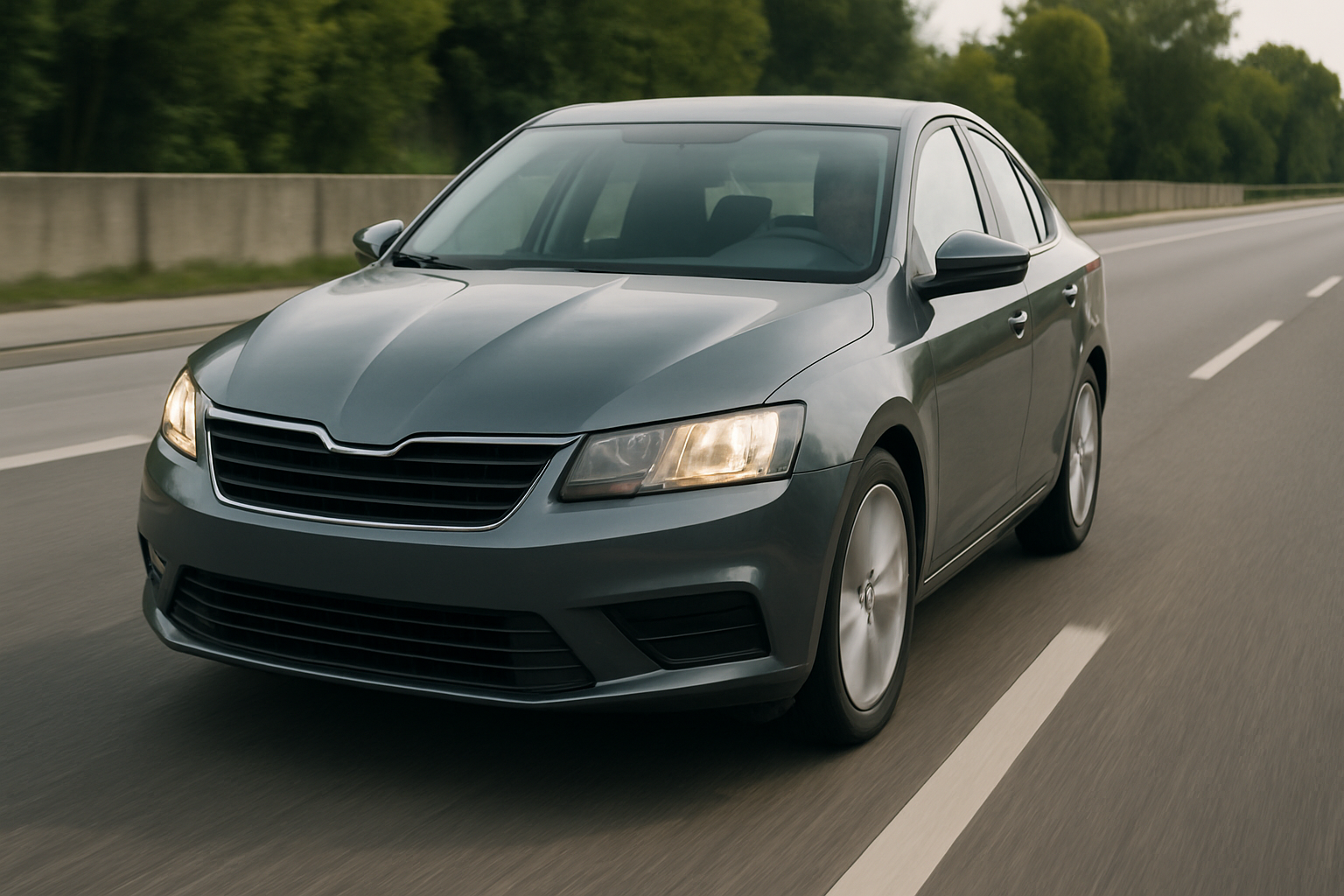
Getting your car aligned only to have it still pull to the right can be incredibly frustrating. You just spent money on what should have fixed the problem, but your steering wheel still won’t stay centered on a straight road.
Don’t assume you got ripped off or that the shop did poor work. Several legitimate issues can cause pulling even after a fresh alignment, and understanding them will help you get your car driving straight.
Understanding Normal Road Crown vs. Actual Pulling
Before you head back to the shop, make sure you’re experiencing actual pulling and not just normal road crown effect. Most roads are built with a slight slope toward the shoulder to help water drain off the surface.
This road crown means your car will naturally drift slightly to the right on most roads. A properly aligned vehicle should only require light steering input to maintain a straight path, not a constant firm grip fighting the wheel.
Test your car on different roads, including some that slope left toward a center median. If your car pulls right regardless of road crown direction, you have a real problem that needs attention.
Tire Conicity: The Hidden Culprit
Tire conicity is one of the most common causes of pulling after alignment, and many drivers have never heard of it. This manufacturing defect makes a tire shaped more like a cone than a perfect cylinder.
Even brand new, expensive tires can have conicity issues. The tire looks completely normal but creates a steering pull because it wants to roll in an arc rather than straight ahead.
Testing for Tire Conicity
You can test for tire conicity yourself with a simple swap. Switch your front tires from side to side, keeping them on the same axle. Don’t worry about rotation direction unless you have directional tires.
Drive the car after swapping the front tires. If the pull changes direction or gets worse, you’ve found tire conicity. If the pull stays exactly the same, your tires aren’t the problem.
This test works because a conical tire pulling right on the right side will pull left when moved to the left side. The change in pull direction confirms the tire defect.
Brake Problems That Cause Pulling
Sticking brake components can cause pulling that seems like an alignment issue. A brake caliper that doesn’t fully release creates constant drag on one side, making the car pull toward that wheel.
This pulling often gets worse as you drive because brake heat builds up. You might notice the pull is slight when you first start driving but becomes more pronounced after several miles.
Signs of Brake-Related Pulling
Check for these symptoms that indicate brake problems rather than alignment issues. Your car might pull more when going downhill or after using the brakes. One wheel may be noticeably hotter than others after driving.
You might smell burning brakes or notice reduced fuel economy. A sticking caliper or dragging brake pad creates constant friction that robs power and generates heat.
Brake-related pulling requires immediate attention. Continuing to drive with sticking brakes can damage rotors, overheat brake fluid, or even cause brake failure.
When the Alignment Itself Is Wrong
Sometimes the alignment specs are simply incorrect, even after professional service. Alignment equipment needs regular calibration, and human error can result in measurements that look good on paper but don’t translate to straight driving.
Modern alignment machines are highly sophisticated, but they still require proper setup and operation. A sensor that’s not positioned correctly or equipment that’s out of calibration can produce alignment specs that seem perfect but leave your car pulling.
Common Alignment Specification Errors
Cross camber and cross caster are critical measurements that affect pulling. If these aren’t properly balanced between left and right sides, your car will pull even with individual measurements within specification.
Toe settings that look correct might not account for your specific driving conditions. Some cars need slight modifications from factory specs to drive straight, especially vehicles with larger wheels or performance suspension modifications.
The alignment tech might have set everything to factory specifications without considering tire wear patterns, suspension component wear, or other factors that require compensation in the alignment settings.
Suspension Components and Hidden Issues
Worn suspension components can cause pulling that returns shortly after alignment. Ball joints, tie rod ends, or control arm bushings that are worn but not completely failed can shift position under driving loads.
These components might hold their position during the static alignment process but move when subjected to road forces. The result is an alignment that looks perfect on the rack but doesn’t hold up under real driving conditions.
Uneven tire pressures can also cause pulling that mimics alignment problems. Check that all tires are inflated to the proper pressure before concluding you have alignment issues.
Going Back to the Shop
Most reputable alignment shops will recheck their work if you return with pulling complaints soon after service. Call the shop and explain the problem rather than just showing up unannounced.
Bring documentation of when you notice the pulling most. Does it happen immediately when driving, or does it develop after the car warms up? Does it change with different road surfaces or speeds?
Ask the shop to verify their alignment measurements and check for the issues covered in this article. A good shop will test drive the car and investigate tire conicity and brake problems, not just rerun the alignment.
What to Expect During the Recheck
The shop should start with a test drive to experience the pulling firsthand. They should check tire pressures, inspect brake components, and verify that suspension parts are tight and in good condition.
If they suspect tire conicity, they should be willing to swap tires and test drive again. This is standard diagnostic procedure for post-alignment pulling complaints.
A reputable shop won’t charge you for rechecking alignment work performed recently, especially if the problem developed immediately after service. They should stand behind their work and diagnose the real cause of the pulling.
Preventing Future Alignment Problems
Regular tire rotation helps prevent uneven wear that can cause pulling. Follow your vehicle manufacturer’s rotation schedule, typically every 5,000 to 7,500 miles.
Address suspension problems promptly rather than letting them worsen. Worn components put stress on other parts and make it impossible to achieve a stable alignment.
Keep tires properly inflated and replace them in pairs or sets when possible. Mixing different tire brands, models, or wear levels on the same axle can create handling problems that no alignment can fix.
When to Seek a Second Opinion
If the original shop can’t resolve the pulling after multiple attempts, consider getting a second opinion from a different facility. Sometimes fresh eyes and different equipment can identify problems the first shop missed.
Specialty shops that focus on alignment and suspension work often have more experience with difficult cases. They may have more sophisticated equipment or techniques for diagnosing pulling problems.
Don’t keep paying for repeated alignments if the problem isn’t being resolved. A good shop will identify and address the root cause rather than just repeatedly adjusting alignment settings.
Frequently Asked Questions
How long should I wait before returning to the shop about pulling?
You should notice improvement immediately after a proper alignment. If your car still pulls significantly after driving 10-20 miles, contact the shop. Don’t wait weeks hoping the problem will resolve itself.
Can new tires cause pulling even with good alignment?
Yes, tire conicity can cause pulling with brand new tires. Manufacturing defects aren’t always visible, and even premium tire brands can have conical tires that cause steering pull.
Should I pay for alignment again if my car is still pulling?
No, if you return to the same shop within a reasonable time frame. Most shops warranty their alignment work for at least 30 days and should recheck without additional charges.
Can I drive safely with a car that pulls to the right?
Mild pulling from road crown is normal, but significant pulling requires constant steering correction and can be dangerous. Address the problem promptly, especially if the pulling is getting worse or if you suspect brake problems.
This article contains affiliate links. If you purchase through these links, we may earn a small commission at no extra cost to you.
Leave a Reply