
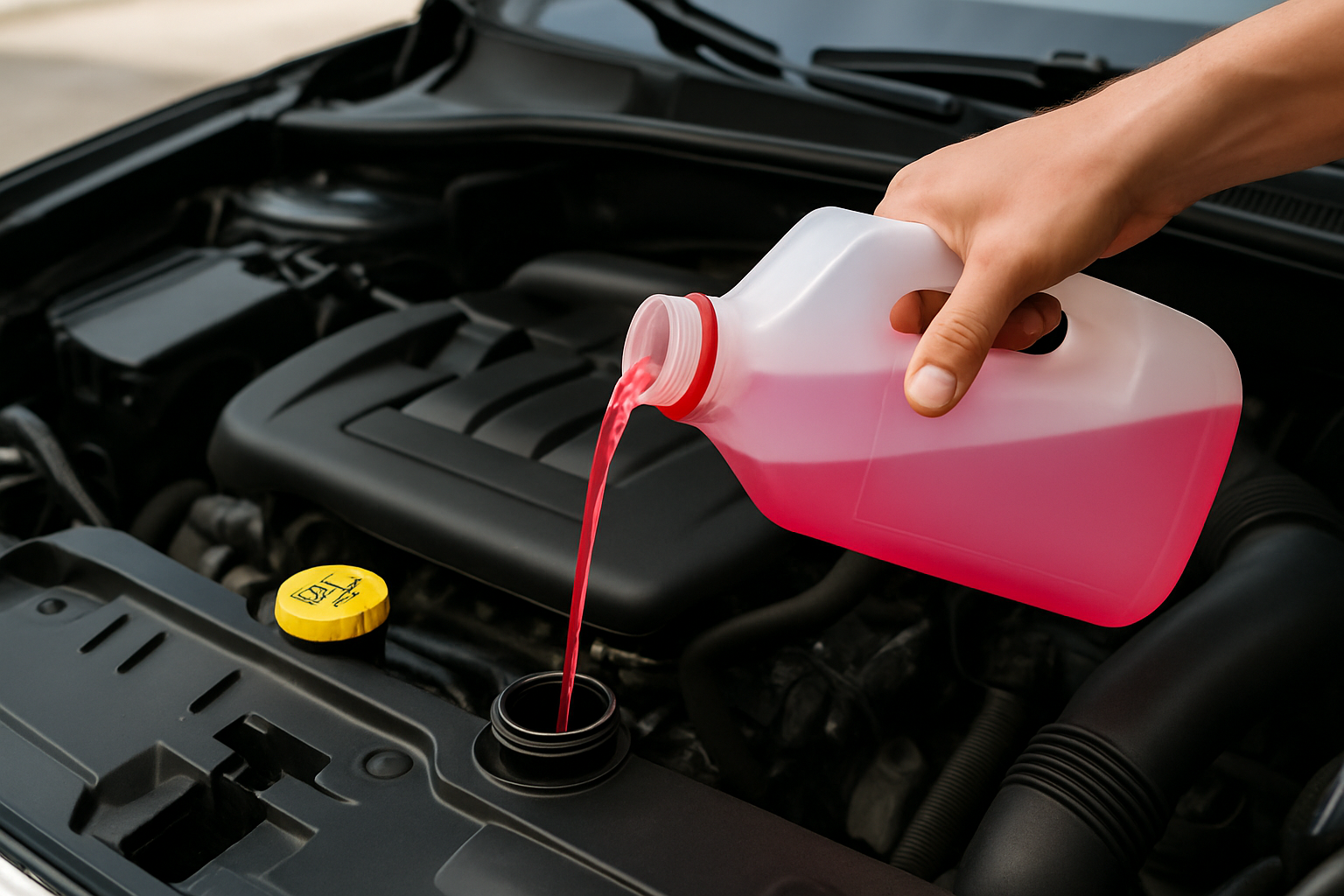
Mixing different types of engine coolant can turn your cooling system into a disaster zone. When incompatible coolants combine, they create gel-like sludge that clogs radiators, heater cores, and water pumps, potentially leaving you with thousands in repair bills.
Understanding what happens when coolants mix, and how to prevent it, could save your engine from catastrophic damage.
The Chemistry Behind Coolant Incompatibility
Engine coolants aren’t just colored water. Each type contains different chemical additives that prevent corrosion, cavitation, and mineral buildup in your cooling system. These additives are formulated to work together within their specific coolant family.
When you mix different coolant technologies, their additives can react chemically. The most problematic combination occurs when traditional green IAT (Inorganic Additive Technology) coolant meets orange OAT (Organic Acid Technology) coolant.
This chemical reaction creates a thick, gel-like substance that behaves more like jelly than liquid coolant. The gel doesn’t flow properly through your cooling system, leading to immediate circulation problems and potential overheating.
What Actually Happens When Coolants Mix
The gel formation happens almost immediately when incompatible coolants combine. You won’t get a warning light or gradual decline in performance. Instead, the mixture thickens and begins clogging the smallest passages in your cooling system first.
Your heater core, with its tiny tubes and fins, typically gets blocked first. You’ll notice weak or cold air from your heater, even when the engine reaches operating temperature. The radiator follows, with reduced cooling capacity and potential overheating.
Water pumps struggle to circulate the thickened mixture, leading to increased wear and potential pump failure. The gel also settles in low points of the system, creating pockets where no coolant flows at all.
Common Coolant Types and Their Compatibility
Traditional green coolant uses IAT technology and typically lasts 2-3 years or 30,000 miles. This older technology relies on silicates and phosphates to prevent corrosion but can be harsh on modern aluminum components.
Orange coolant usually indicates OAT technology, designed for extended service intervals of 5 years or 150,000 miles. OAT coolants use organic acids instead of traditional additives and work better with modern mixed-metal engines.
Yellow, pink, and blue coolants often use HOAT (Hybrid Organic Acid Technology), combining benefits of both IAT and OAT systems. Some HOAT coolants can mix with OAT types, but others cannot.
The Color Confusion Problem
Color doesn’t always indicate coolant type. Different manufacturers use various dyes, and some universal coolants come in multiple colors. A pink coolant from one brand might be HOAT technology, while another brand’s pink coolant could be OAT.
Always check your owner’s manual or coolant reservoir cap for the specific coolant specification your vehicle requires. Look for designations like GM DEX-COOL, Ford WSS-M97B44-D, or Chrysler MS-7170.
Signs You’ve Mixed Incompatible Coolants
If you’ve accidentally mixed coolants, you’ll see symptoms quickly. The most obvious sign is thick, jelly-like substance in your coolant reservoir or radiator. This gel might appear foamy or have a consistency similar to pudding.
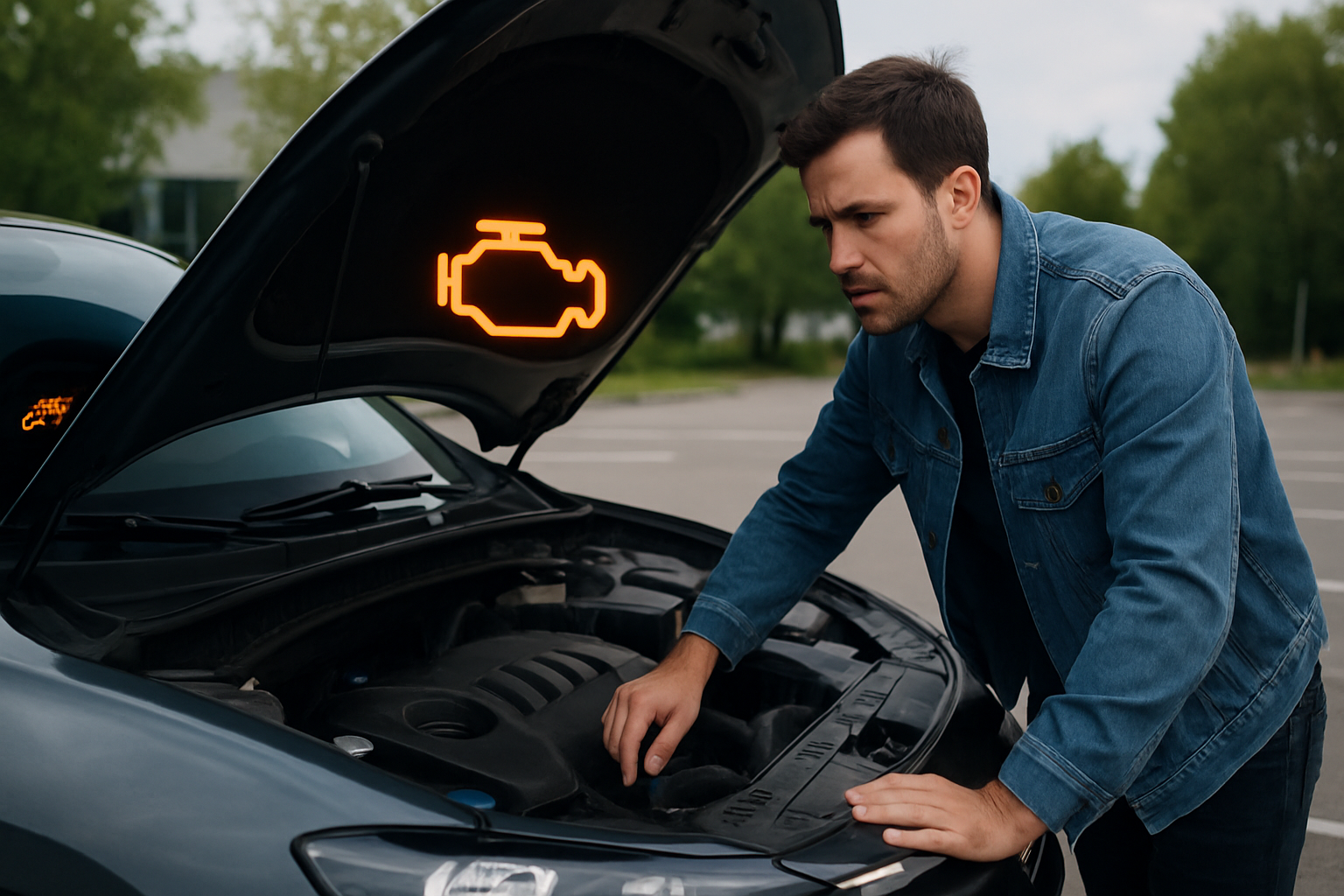
Your heater will stop working effectively, blowing lukewarm or cold air even when the engine is fully warmed up. You might also notice temperature gauge fluctuations or higher-than-normal operating temperatures.
White or unusual-colored residue around the radiator cap, overflow tank, or hose connections indicates gel formation. In severe cases, you’ll hear unusual noises from the water pump as it struggles to move the thickened mixture.
Immediate Steps If You’ve Mixed Coolants
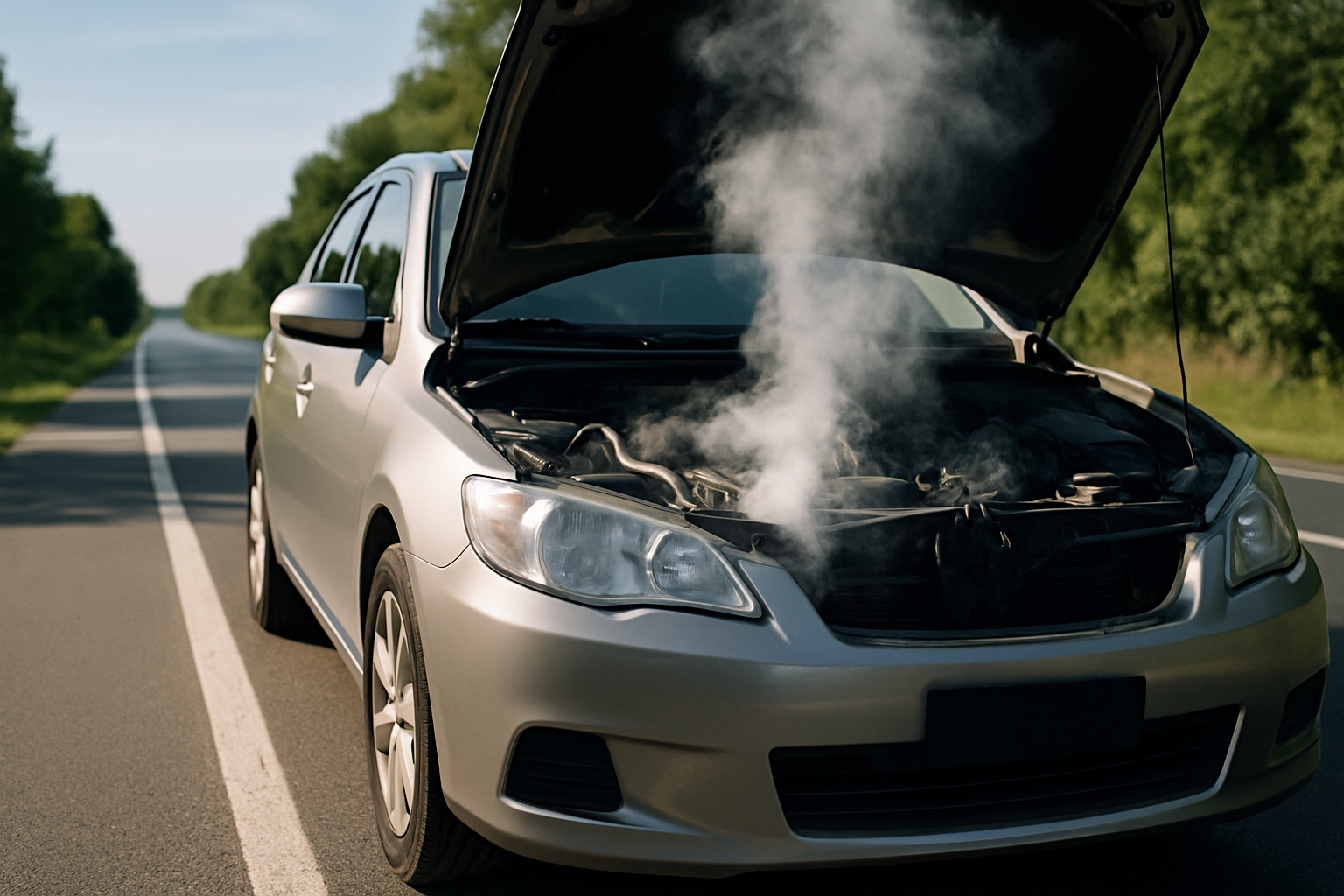
Stop driving immediately if you suspect mixed coolants. Continuing to operate the engine can cause permanent damage to the water pump, radiator, and heater core. The gel will only thicken further as it circulates.
Don’t attempt to flush the system yourself if gel has already formed. The gel can clog your drain plugs and make a complete flush impossible without professional equipment. Hot gel can also cause severe burns if it contacts your skin.
Have the vehicle towed to a repair facility equipped to handle cooling system emergencies. They’ll need to completely disassemble parts of the cooling system to remove all gel residue.
The Professional Flush Process
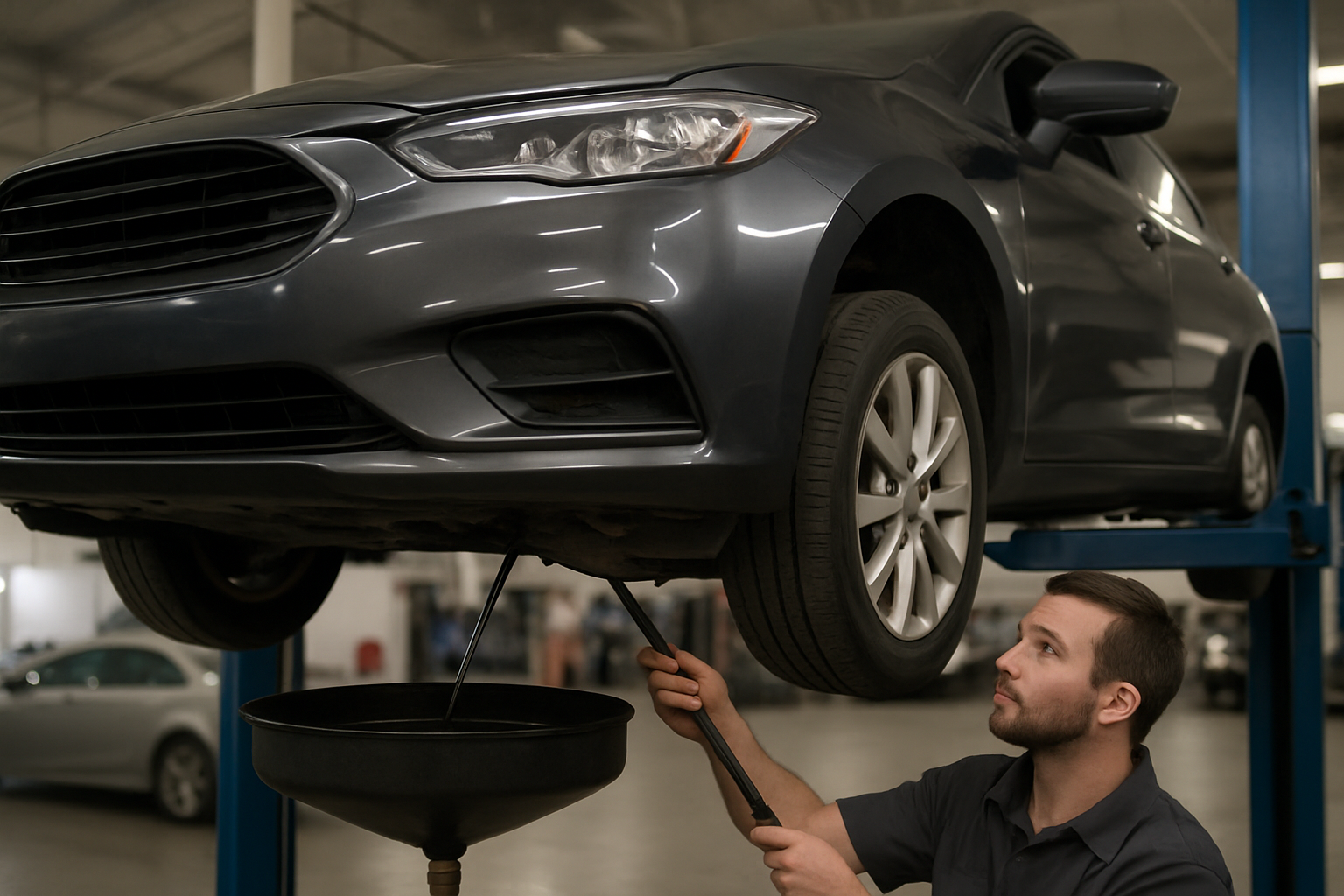
Professional coolant system recovery requires specialized equipment and knowledge. Technicians will first drain what they can from the system, though gel may block normal drain points.
They’ll disconnect hoses and remove components like the thermostat housing to access gel deposits. High-pressure flushing equipment forces cleaning solution through individual components to break up remaining gel.
The radiator and heater core often require separate flushing procedures. In severe cases, these components need replacement if gel has permanently clogged internal passages. Water pumps typically require inspection and possible replacement due to impeller damage from circulating thick gel.
Cost Considerations
Professional gel removal can cost anywhere from $500 to $2,000 depending on damage severity. Simple flushes run $150-300, but component replacement drives costs higher quickly.
Radiator replacement adds $400-800 to the bill. Heater core replacement can cost $800-1,500 due to dashboard removal requirements on many vehicles. Water pump replacement ranges from $300-600 depending on accessibility.
Prevention Strategies
Always use the exact coolant type specified in your owner’s manual. If you can’t find the manual, check the coolant reservoir cap or radiator cap for specifications printed on the plastic.
Keep a bottle of the correct coolant in your garage for emergency top-offs. This prevents the temptation to grab whatever’s available at a gas station when you’re running low.
When having cooling system work done, specify the exact coolant type to your technician. Don’t assume they’ll use the correct type, especially at quick-lube shops that might stock only one universal product.
Emergency Situations
If you must add coolant in an emergency and only have the wrong type available, add only enough to get to a repair facility. Plan to have the system completely flushed before the mixed coolants have time to react fully.
Water makes a safer emergency additive than wrong coolant type, though it provides no freeze protection and limited corrosion protection. Use distilled water if possible to avoid mineral deposits.
Universal Coolants and Their Limitations
Universal coolants claim compatibility with all coolant types, but these claims come with limitations. While they might not create gel when mixed, they often provide less protection than your vehicle’s specified coolant.
Universal products typically offer shorter service intervals and may not protect specialized materials in your cooling system as effectively. They work acceptably for older vehicles but aren’t ideal for modern engines with specific metallurgy requirements.
Some “universal” coolants work by using minimal additives that won’t react with existing coolants, but this approach sacrifices protection for compatibility. Your cooling system performs better with the manufacturer’s specified coolant chemistry.
Long-Term Cooling System Health
Even if you avoid mixing disasters, maintaining proper coolant chemistry requires regular service. Coolant additives deplete over time, reducing protection against corrosion and cavitation.
Follow your manufacturer’s service intervals religiously. Extended-life coolants aren’t maintenance-free; they simply last longer between complete changes. Testing coolant condition annually helps catch problems before they cause damage.
When changing coolant, always flush the system completely. Mixing old and new coolant of the same type dilutes the fresh additives and can reduce service life significantly.
Frequently Asked Questions
Can I mix small amounts of different coolants without problems?
Even small amounts of incompatible coolants can cause gel formation. The reaction happens regardless of quantity, though larger amounts create more gel. If you’ve added even a cup of wrong coolant type, plan for a complete system flush.
How can I tell what coolant type is currently in my system?
Color provides a hint but isn’t definitive. Check your owner’s manual for the original specification, or have a shop test the coolant chemistry. Test strips are available for determining coolant type, though professional testing is more accurate.
Will mixing coolants void my warranty?
Using incorrect coolant or mixing types can void cooling system warranty coverage. Manufacturers specify coolant types for good reasons, and deviating from their requirements removes their responsibility for related failures.
Can I fix mixed coolant problems myself?
If gel has formed, professional service is necessary. DIY flushing equipment can’t generate enough pressure to remove gel from tight passages. Attempting home repairs often makes the problem worse by pushing gel deeper into the system.
This article contains affiliate links. If you purchase through these links, we may earn a small commission at no extra cost to you.

Leave a Reply