
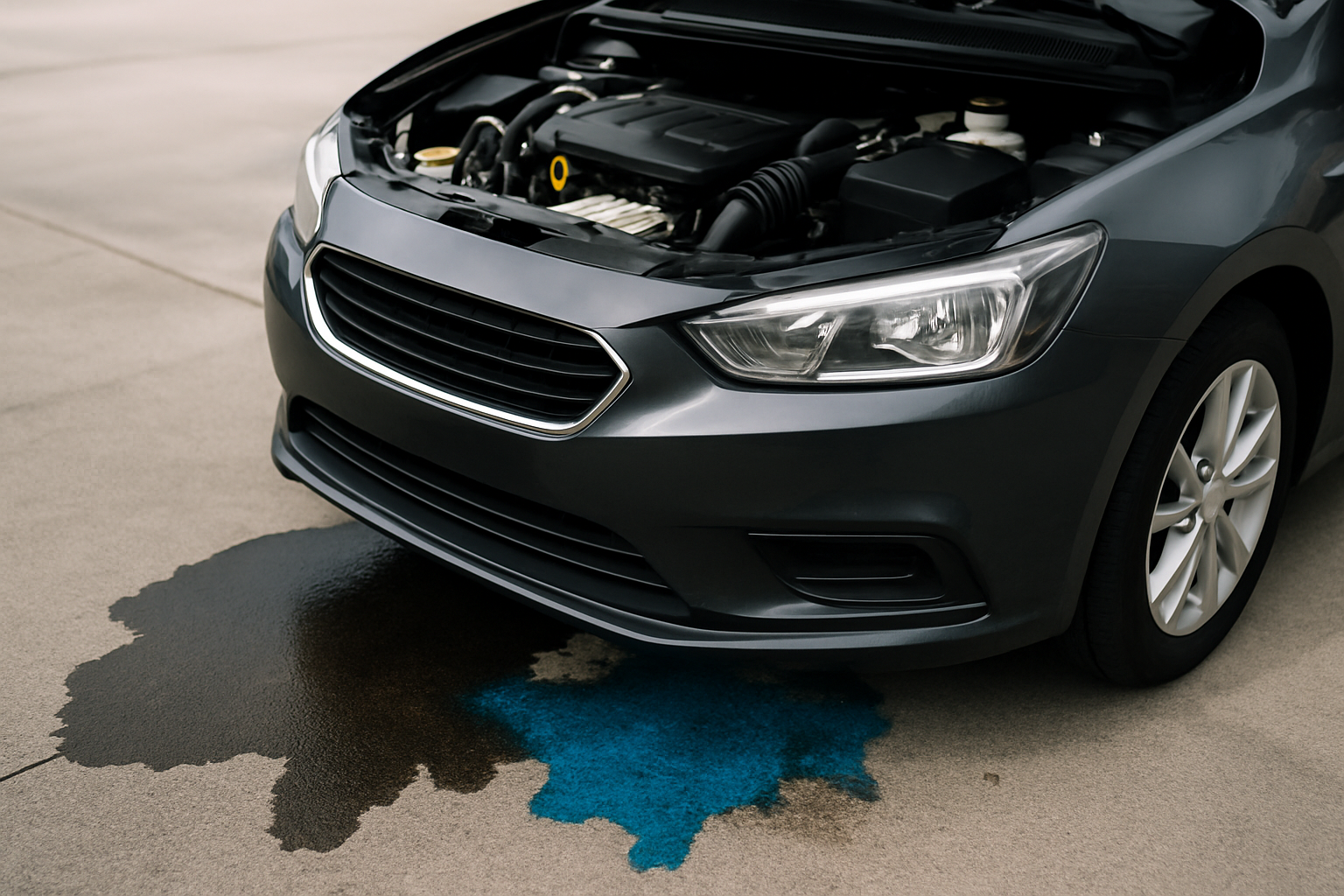
A small puddle of coolant under your car might seem like a minor inconvenience, but ignoring it can transform a simple $50 hose replacement into a catastrophic $3000 engine rebuild. Your cooling system is one of the most critical components keeping your engine alive, and even tiny leaks deserve immediate attention.
Most drivers underestimate how quickly a small coolant leak can escalate into major engine damage. What starts as a few drops can leave you stranded with a completely destroyed engine in just weeks or months.
How Your Cooling System Actually Works
Your engine generates tremendous heat during combustion, reaching temperatures that would literally melt metal components without proper cooling. The cooling system circulates coolant through passages in the engine block and cylinder head, absorbing this heat and carrying it to the radiator where it’s dissipated.
This system operates under pressure, typically 13-16 PSI, which raises the boiling point of coolant to around 250°F. When you lose coolant through a leak, you lose both the liquid that absorbs heat and the pressure that keeps the system functioning properly.
Even a small leak can disrupt this delicate balance. Your engine depends on consistent coolant circulation to maintain safe operating temperatures, and any interruption starts a chain reaction of problems.
The Early Warning Signs You Can’t Afford to Miss
Coolant leaks rarely appear overnight. Your car will give you several warning signs before catastrophic failure occurs, but you need to know what to look for.
Check your driveway or parking spot regularly for small puddles of colored liquid. Coolant is typically green, orange, or pink, and it has a sweet smell that’s distinctly different from oil or other fluids. Even tiny drops should concern you.
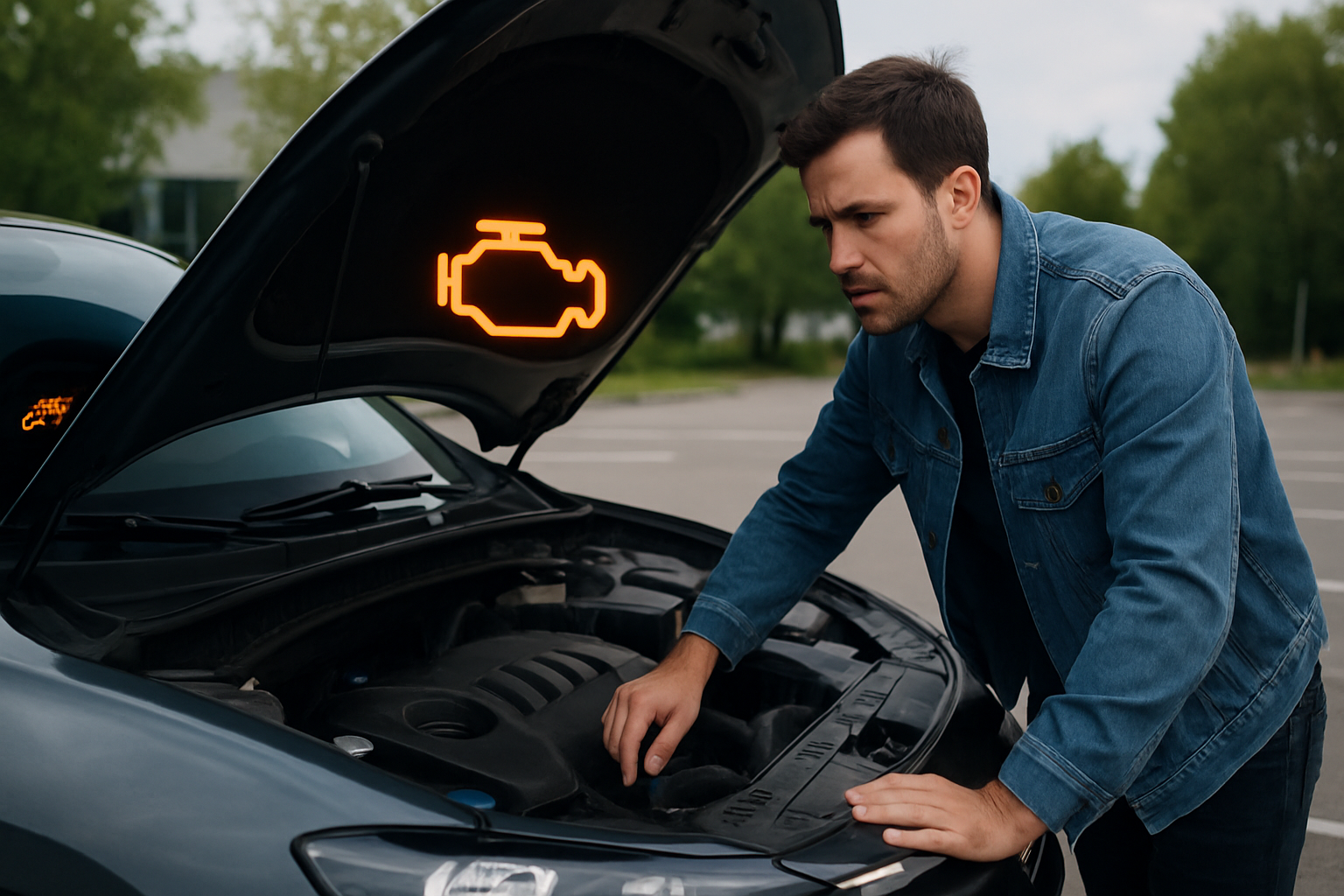
Watch your temperature gauge during normal driving. If it creeps higher than usual, even slightly, your cooling system isn’t working properly. Modern cars often don’t show temperature problems until damage is already occurring, so any increase deserves investigation.
Look for white exhaust smoke, especially when the engine is warm. This could indicate coolant entering the combustion chamber through a failing head gasket. Sweet-smelling exhaust is another red flag that coolant is burning in your engine.
Check your coolant reservoir regularly. If the level drops consistently, even without visible external leaks, you’re losing coolant somewhere. Internal leaks are often more dangerous than external ones because they’re harder to detect.
Stage 1: The Minor Leak Phase
Most coolant leaks start small, often from aging hoses, loose clamps, or worn gaskets. A radiator hose might develop a pinhole leak, or a heater hose connection might start seeping. These repairs typically cost between $50-200 and can be completed in under an hour.
During this phase, your cooling system can still function normally most of the time. You might need to add coolant occasionally, and you’ll see small puddles under your car. The engine temperature stays normal during regular driving.
This is your golden window for cheap repairs. A $15 hose and $35 in labor can solve the problem completely. Many drivers ignore these early signs because the car still runs fine, but you’re living on borrowed time.
The leak will gradually worsen due to the pressure cycling that occurs as your engine heats up and cools down. Rubber hoses become more brittle, and small cracks expand into larger failures.
Stage 2: Accelerated Coolant Loss
As the leak worsens, you’ll start losing coolant faster than the system can compensate. You might need to add coolant weekly or even daily. The engine starts running slightly hotter, especially in traffic or during highway driving.
Your heater might blow cooler air because there isn’t enough coolant circulating through the heater core. This is actually an early warning that coolant levels are dropping dangerously low.
The cooling system’s ability to maintain proper temperatures becomes compromised. Hot spots develop in the engine where coolant circulation is inadequate. These localized high temperatures start causing damage to gaskets and seals.
Repair costs during this phase can still be relatively minor if you address the leak quickly. However, you might also need to replace additional components that have been stressed by the temperature fluctuations.
Stage 3: Engine Overheating Events
When coolant levels drop too low, your engine will start experiencing overheating episodes. These might be brief at first, occurring only during demanding conditions like climbing hills or sitting in traffic.
Each overheating event causes cumulative damage to your engine. Aluminum components expand more than iron ones, creating stress on gaskets and seals. The cylinder head can start to warp slightly, compromising the seal with the head gasket.
You’ll notice the temperature gauge climbing into the red zone, and modern cars will often display warning messages or enter “limp mode” to protect the engine. Steam might start coming from under the hood as the remaining coolant boils.
Even brief overheating can cause permanent damage. The head gasket, which seals the combustion chamber from the cooling passages, starts to fail under the extreme temperatures and pressure differentials.
Stage 4: Head Gasket Failure
The head gasket is one of the most critical seals in your engine, and it’s particularly vulnerable to overheating damage. When it fails, you’ll see several telltale symptoms that indicate expensive repairs ahead.
White smoke from the exhaust becomes more pronounced as coolant enters the combustion chambers and burns. Your exhaust might smell sweet, and you could see bubbles forming in the coolant reservoir as combustion gases leak into the cooling system.
Oil contamination often occurs when the head gasket fails. Coolant can leak into the oil passages, creating a milky substance that provides inadequate lubrication. This accelerates wear on all internal engine components.
Head gasket replacement typically costs $1500-2500 depending on your vehicle. The repair requires removing the cylinder head, machining it flat if it’s warped, and replacing multiple gaskets and seals. What started as a $50 hose problem has now become a major engine repair.
Stage 5: Complete Engine Destruction
If you continue driving with a failed head gasket and ongoing coolant loss, complete engine failure becomes inevitable. The final stages happen quickly and leave you with repair bills that often exceed the vehicle’s value.
Cylinder head warping occurs when aluminum heads are repeatedly overheated. The head surface becomes uneven, making it impossible to maintain proper sealing even with a new head gasket. Machine shop work or head replacement adds significantly to repair costs.
Engine block damage represents the most catastrophic outcome. Severe overheating can crack the block itself, particularly in the thin areas between cylinders and cooling passages. A cracked block usually means the engine is beyond economical repair.
Complete engine replacement or rebuilding can cost $4000-8000 or more. You’ll also face towing costs, rental car expenses, and the hassle of being without transportation during repairs. All of this stems from ignoring a minor coolant leak.
The Real Cost of Procrastination
The financial progression from minor leak to major failure is dramatic. A $50 hose replacement becomes a $200 repair if you wait until multiple hoses need replacement. Wait longer, and you’re looking at $500-800 for cooling system overhaul including radiator work.
Head gasket failure pushes costs into the $1500-2500 range, while severe overheating damage can require $3000-5000 in machine work and parts replacement. Complete engine replacement often exceeds the vehicle’s book value.
Beyond direct repair costs, consider the indirect expenses. Towing fees, rental cars, lost work time, and the stress of unexpected breakdowns all add to the total cost of ignoring that small leak.
Insurance typically doesn’t cover mechanical failures caused by lack of maintenance. You’ll pay these costs out of pocket, and financing options for major repairs often carry high interest rates.
How to Catch Problems Early
Regular inspection can save you thousands in repair costs. Check your parking area weekly for any fluid leaks, and investigate immediately if you find colored puddles. Keep a small piece of cardboard in your garage to place under your car overnight to detect minor leaks.
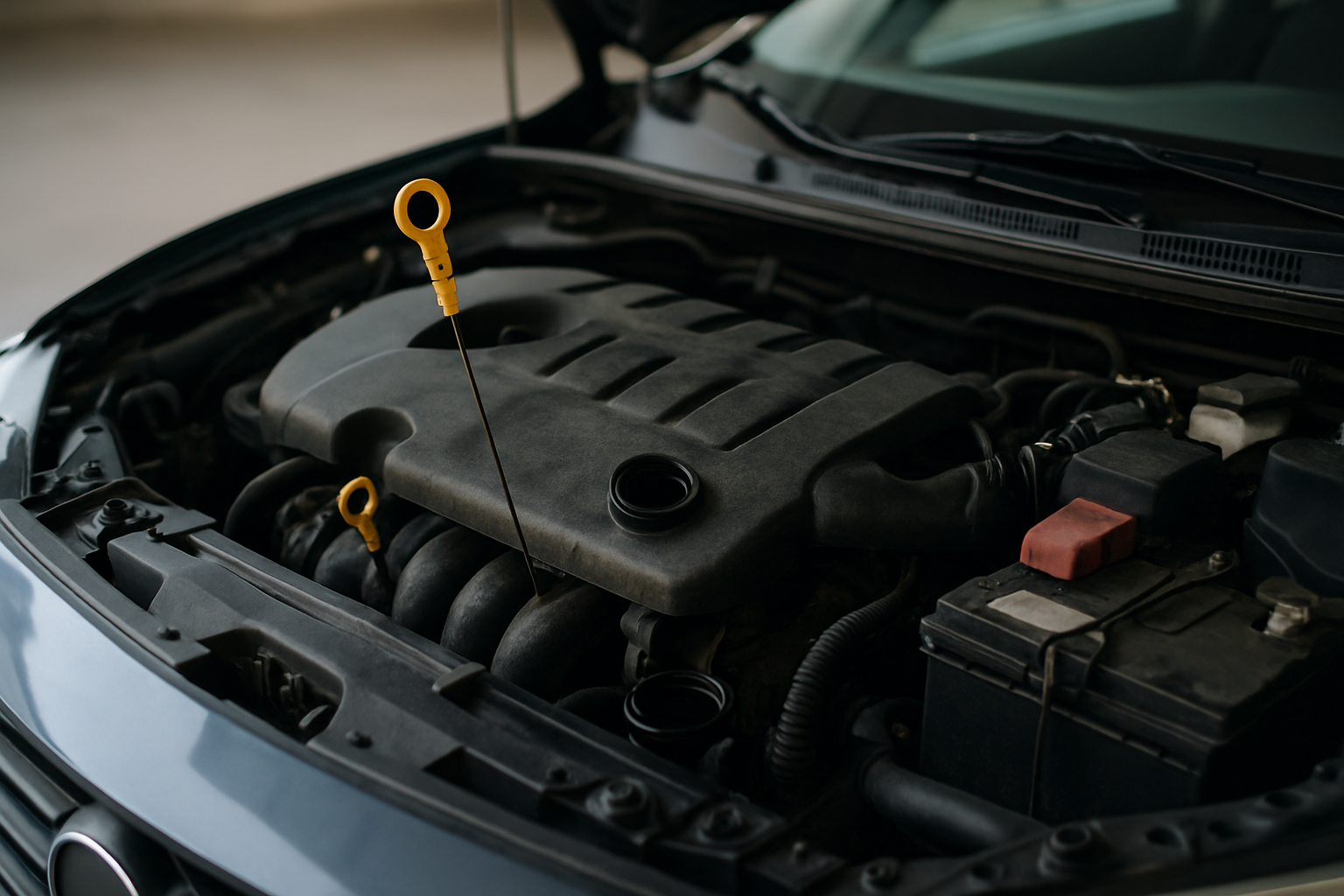
Monitor your coolant level monthly when the engine is cold. Most cars have a translucent reservoir with minimum and maximum level marks. If the level drops consistently, you have a leak somewhere that needs attention.
Pay attention to your temperature gauge during normal driving. Learn where it normally sits, and investigate any changes. Many modern cars have digital displays that show actual coolant temperature, making monitoring easier.
Have your cooling system inspected during regular maintenance. A qualified technician can pressure test the system to identify weak spots before they become leaks. This proactive approach costs far less than emergency repairs.
Emergency Actions When Overheating Occurs
If your temperature gauge climbs into the red zone, pull over safely and shut off the engine immediately. Continuing to drive, even for a short distance, can cause thousands of dollars in additional damage.
Never remove the radiator cap when the engine is hot. The system is under pressure, and you could be severely burned by escaping steam and coolant. Wait at least 30 minutes for the engine to cool before checking coolant levels.
Call for roadside assistance rather than attempting to drive to a repair shop. The cost of a tow is minimal compared to the potential engine damage from continued operation. Professional mechanics can properly diagnose the problem and prevent further damage.
If you must add coolant in an emergency, use only the proper type for your vehicle. Mixing different coolant types can cause chemical reactions that damage seals and create more leaks.
Prevention Strategies That Work
Replace cooling system hoses every 60,000-80,000 miles or when they show signs of cracking, bulging, or hardening. Quality aftermarket hoses cost a fraction of engine rebuild expenses, and the labor is minimal during routine maintenance.
Flush your cooling system according to the manufacturer’s schedule, typically every 30,000-50,000 miles. Old coolant loses its protective properties and can become corrosive, attacking seals and gaskets from the inside.
Fix small leaks immediately, even if they seem insignificant. A $20 clamp replacement or $50 hose change can prevent thousands in future damage. Don’t let minor problems become major failures through neglect.
Keep spare coolant in your garage and check levels regularly. Maintaining proper coolant levels reduces stress on the entire system and helps prevent the cascade of failures that leads to expensive repairs.
That small coolant leak under your car isn’t just an annoyance you can ignore until your next oil change. It’s a ticking time bomb that can destroy your engine and leave you with repair bills that exceed your car’s value. The difference between a $50 repair and a $3000 disaster often comes down to how quickly you respond to those early warning signs. Your wallet and your peace of mind depend on taking coolant leaks seriously, no matter how minor they might seem.


Leave a Reply