
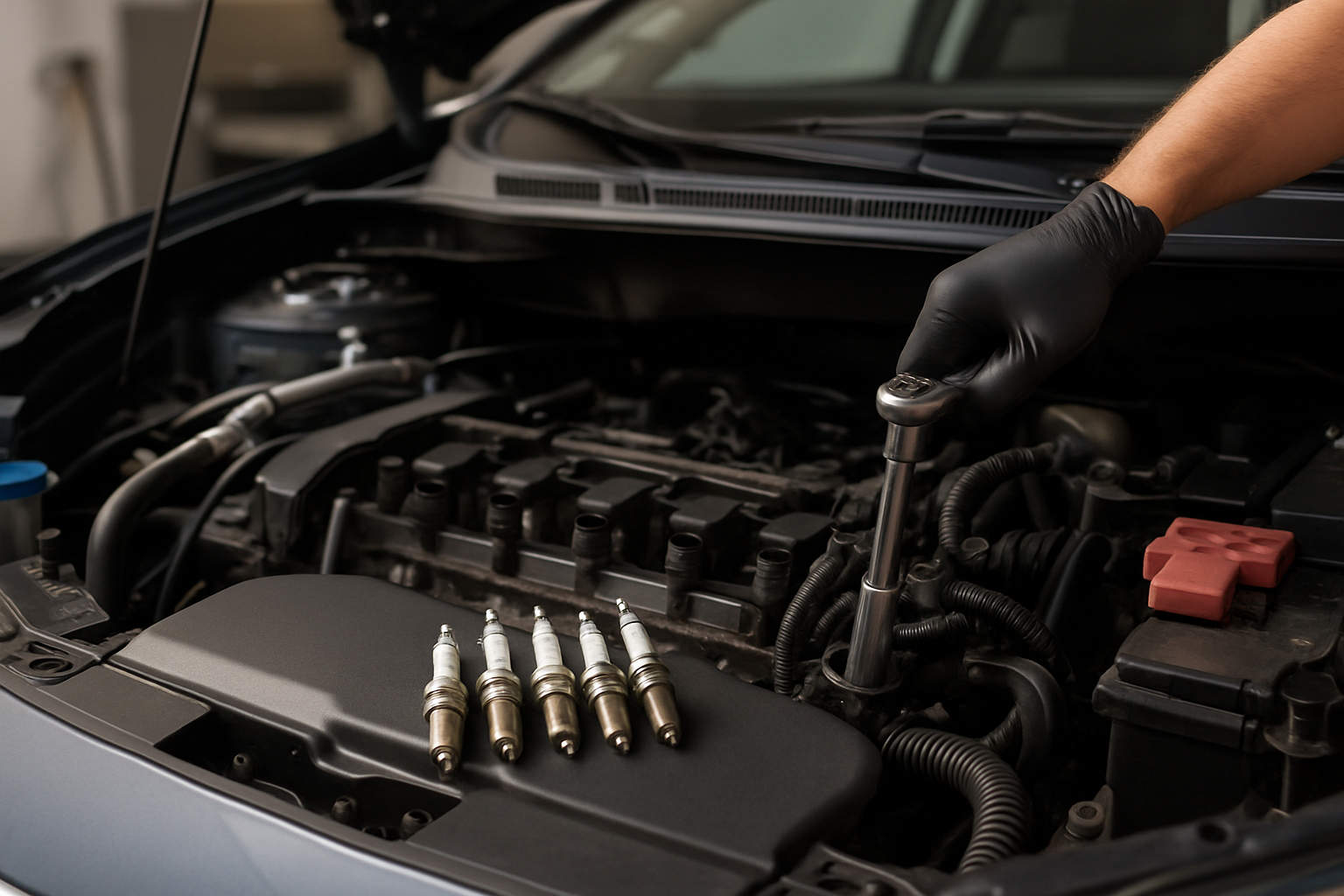
Spark plugs are one of those maintenance items that most drivers put off until their engine starts running rough. By understanding when spark plugs actually need replacement and learning the proper installation technique, you can keep your engine running smoothly and avoid costly repairs down the road.
Understanding Spark Plug Replacement Intervals
The replacement interval for spark plugs depends entirely on the electrode material used in their construction. Different metals have vastly different lifespans, and using the wrong replacement schedule can either waste money or damage your engine.
Copper Spark Plugs: 30,000 Mile Intervals
Copper core spark plugs are the most affordable option but have the shortest lifespan. The copper electrode wears down relatively quickly under normal driving conditions, typically requiring replacement every 30,000 miles.
These plugs work well for older vehicles or high-performance applications where frequent replacement isn’t a concern. You’ll often find copper plugs specified for classic cars or modified engines where the lower cost makes frequent changes more palatable.
Platinum Spark Plugs: 60,000 Mile Intervals
Platinum plugs offer a good middle ground between cost and longevity. The platinum tip resists wear better than copper, allowing these plugs to function properly for around 60,000 miles under normal driving conditions.
Many manufacturers use platinum plugs as original equipment because they provide reliable performance throughout most lease periods and extended warranty coverage. They’re particularly common in vehicles from the 2000s and early 2010s.
Iridium Spark Plugs: 100,000 Mile Intervals
Iridium represents the premium option in spark plug technology. The iridium tip is extremely hard and wear-resistant, allowing these plugs to maintain proper gap and firing characteristics for up to 100,000 miles.
Most modern vehicles come equipped with iridium plugs from the factory. While they cost more upfront, the extended service life often makes them more economical over the vehicle’s lifetime. Quality iridium spark plugs are available for most vehicle applications and provide excellent long-term value.
Signs Your Spark Plugs Need Replacement
Don’t rely solely on mileage intervals to determine when spark plugs need changing. Several symptoms can indicate worn spark plugs before you reach the recommended replacement mileage.
Engine Performance Issues
Rough idling is often the first sign of spark plug problems. You’ll notice the engine shaking or vibrating more than usual when stopped at traffic lights. Misfiring during acceleration, especially under load, indicates one or more plugs aren’t firing consistently.
Reduced fuel economy can also point to spark plug issues. Worn plugs don’t burn fuel as efficiently, forcing the engine to work harder and consume more gas to maintain the same performance level.
Starting Problems
Difficulty starting, particularly in cold weather, often indicates spark plug wear. Worn electrodes require higher voltage to create a spark, making cold starts especially challenging when engine oil is thick and compression is slightly reduced.
Reading Spark Plug Condition
Learning to read spark plug condition helps you understand your engine’s health and tune. When you remove old plugs, examine them carefully before disposal.
Normal Wear Patterns
Healthy spark plugs show light brown or tan deposits on the electrode with minimal wear on the center electrode. The gap might be slightly wider than specification, but the electrode tips should remain relatively sharp and well-defined.
Problem Indicators
Black, sooty deposits usually indicate a rich fuel mixture or oil consumption issues. White or light gray deposits suggest lean running conditions that could damage the engine if not corrected.
Severely worn electrodes with rounded tips indicate the plugs have been in service too long. Melted or damaged electrodes point to serious engine problems like overheating or incorrect heat range selection.
Tools and Materials Needed
Gathering the right tools before starting makes the job much smoother. Most spark plug replacement jobs require only basic tools, but having the correct items prevents damage to expensive components.
Essential Tools
A spark plug socket is mandatory for this job. These special sockets have a rubber insert that grips the spark plug insulator, preventing the plug from falling into the engine bay. Most vehicles use either 5/8-inch or 13/16-inch spark plug sockets.
You’ll need a ratchet handle and extension to reach plugs in tight locations. A universal joint attachment helps when plugs are positioned at awkward angles. A torque wrench ensures proper installation torque, which is critical for preventing damage.
Additional Supplies
A gap gauge or feeler gauge set allows you to verify proper electrode gap before installation. Wire brush and compressed air help clean debris from the spark plug wells before removing old plugs.
Dielectric grease protects the spark plug boot from moisture and makes future removal easier. Some technicians prefer anti-seize compound on the threads, though this practice remains controversial.
Step-by-Step Replacement Process
Proper technique prevents expensive mistakes during spark plug replacement. Take your time and follow these steps carefully to avoid threading problems or dropped components.
Preparation Steps
Start with a completely cool engine. Hot components can burn you, and thermal expansion makes removal more difficult. Remove any covers or components blocking access to the spark plugs.
Clean around each spark plug well using compressed air or a small brush. This prevents dirt from falling into the cylinder when you remove the plugs. Label or photograph ignition coil connections if you need to remove them for access.
Removal Process
Remove spark plug wires or ignition coils one at a time to avoid mixing up the firing order. Insert the spark plug socket fully onto the plug and turn counterclockwise with steady pressure.
If a plug feels stuck, stop and apply penetrating oil around the threads. Let it soak for several minutes before attempting removal again. Forcing stuck plugs often strips threads in the aluminum cylinder head.
Installation Steps
Check the gap on each new plug before installation. Use the gap specification from your owner’s manual or the emissions decal under the hood. Adjust carefully using a gap gauge, bending only the ground electrode.
Thread new plugs in by hand first to prevent cross-threading. Turn until the gasket contacts the cylinder head, then tighten with a torque wrench to specification. Most plugs require 15-25 foot-pounds of torque, but always verify the exact specification for your application.
The Anti-Seize Debate
Whether to use anti-seize compound on spark plug threads remains a contentious topic among technicians and enthusiasts. Both sides have valid points worth considering.
Arguments For Anti-Seize
Anti-seize compound prevents galvanic corrosion between dissimilar metals and makes future removal easier. This is particularly important on vehicles driven in harsh conditions or stored for extended periods.
Many professional technicians swear by anti-seize, especially when working on vehicles they’ll service again in the future. The compound helps prevent seized plugs that can break off during removal.
Arguments Against Anti-Seize
Modern spark plugs often have nickel-plated threads that resist corrosion without additional compounds. Some manufacturers specifically recommend against using anti-seize, citing concerns about over-torquing.
Anti-seize reduces friction, which means the actual bolt tension achieved at a given torque value is higher than intended. This can potentially lead to stripped threads or cracked insulators if standard torque specifications are used.
Best Practice Recommendation
Follow the spark plug manufacturer’s recommendations. If you choose to use anti-seize, reduce the torque specification by approximately 25% to account for the reduced friction. Apply only a thin coat to the first few threads, never the entire threaded portion.
Proper Gap and Torque Specifications
Correct gap and torque settings are critical for proper spark plug performance and longevity. These specifications aren’t universal, so always verify the correct values for your specific application.
Gap Specifications
Gap specifications typically range from 0.024 to 0.060 inches, depending on the ignition system design. Modern vehicles with coil-on-plug ignition often run wider gaps than older vehicles with single coils and spark plug wires.
Check the gap on every new plug, even if they’re supposed to be pre-gapped. Manufacturing tolerances and shipping damage can affect gap settings. Use a round wire gauge rather than a flat feeler gauge for more accurate measurements.
Torque Specifications
Torque specifications depend on thread size, gasket type, and cylinder head material. Most automotive spark plugs use 14mm threads and require 15-25 foot-pounds of torque. Smaller plugs in motorcycles or small engines typically need less torque.
Under-torquing allows combustion gases to leak past the threads, potentially causing damage. Over-torquing can strip threads in aluminum heads or crack ceramic insulators. A quality torque wrench is essential for proper installation.
Common Mistakes to Avoid
Several common errors can turn a simple spark plug replacement into an expensive repair. Being aware of these pitfalls helps you avoid costly mistakes.
Cross-Threading
Cross-threading occurs when the plug isn’t aligned properly during installation. Always start threads by hand and ensure the plug turns easily for several threads before using tools. If you feel resistance, back out and try again.
Wrong Heat Range
Using plugs with incorrect heat range can cause poor performance or engine damage. Stick with the manufacturer’s specified part number unless you have specific reasons to change heat range, such as engine modifications.
Mixing Up Firing Order
Work on one cylinder at a time to avoid connecting ignition components to the wrong plugs. Mixing up the firing order prevents the engine from starting and can cause damage if you attempt to force it to run.
When to Seek Professional Help
While spark plug replacement is generally straightforward, some situations require professional attention. Recognize when you’re in over your head to avoid expensive mistakes.
Broken or seized plugs often require special tools and techniques to remove without damaging threads. Stripped threads need professional repair with thread inserts or head machine work.
Some modern engines have plugs buried deep under intake manifolds or other components. If accessing the plugs requires major disassembly, professional installation might be more cost-effective than risking damage to expensive components.
Frequently Asked Questions
Can I replace just one spark plug instead of all of them?
While you can replace individual plugs, changing all plugs at once ensures even performance and prevents having to repeat the job soon. Mismatched plug ages can cause slight variations in combustion that affect engine smoothness.
How do I know what spark plugs to buy?
Use the part number specified in your owner’s manual or on the emissions decal under the hood. Auto parts stores can also look up the correct plugs using your vehicle’s year, make, model, and engine size. Stick with reputable brands like NGK, Denso, or Champion for reliable performance.
What happens if I don’t replace spark plugs on schedule?
Worn spark plugs cause reduced fuel economy, poor performance, and difficulty starting. Eventually, severely worn plugs can cause misfiring that damages catalytic converters or other expensive emission control components. The cost of delayed maintenance often exceeds the price of timely spark plug replacement.
Should I replace spark plug wires at the same time?
If your vehicle has traditional spark plug wires, consider their age and condition. Wires typically last longer than plugs, but replacing them together eliminates a second service appointment. Modern vehicles with coil-on-plug ignition don’t have replaceable wires.


Leave a Reply