
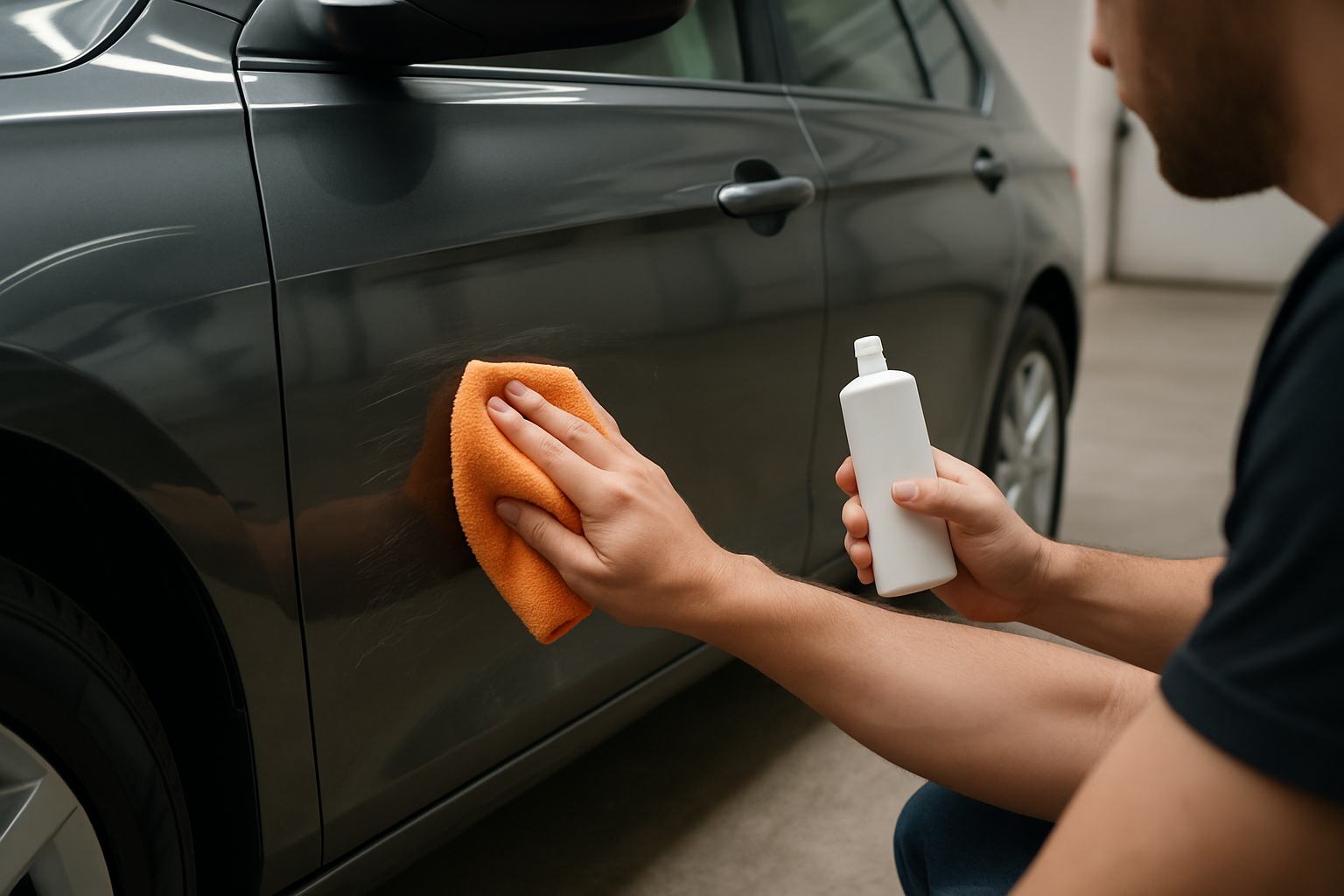
Car scratches happen to everyone. Whether it’s from a shopping cart, tree branch, or careless parking neighbor, those unsightly marks can make your pride and joy look worn and neglected. The good news is that many scratches can be fixed at home with the right approach and products.
Understanding Different Types of Car Scratches
Before you start buffing away, you need to identify what type of scratch you’re dealing with. Modern car paint has multiple layers, and the repair method depends on how deep the scratch goes.
The Fingernail Test
This simple diagnostic test tells you everything you need to know. Run your fingernail perpendicular across the scratch. If your nail doesn’t catch, it’s a surface-level clear coat scratch. If your nail catches slightly, it’s gone through the clear coat into the base coat. If it catches significantly and you can see white or gray, it’s reached the primer layer.
Clear Coat Scratches
These are the easiest to fix and make up about 80% of the scratches you’ll encounter. Clear coat scratches only affect the transparent protective layer on top of your paint. They often look worse than they are, especially in direct sunlight.
Base Coat Scratches
These go deeper, penetrating through the clear coat into the colored paint layer. You’ll typically see the scratch change color slightly compared to the surrounding paint. These require more aggressive repair methods.
Primer Scratches
The deepest scratches expose the primer or bare metal underneath. These show up as white, gray, or metallic lines and need touch-up paint to fix properly.
When to Fix It Yourself vs Accept It
Not every scratch is worth your time and effort to repair. Tiny surface scratches that are barely visible except in perfect lighting conditions might be better left alone. Focus your energy on scratches longer than an inch or those clearly visible from arm’s length.
If the scratch is on a plastic bumper, near a body panel edge, or in a high-flex area, professional repair might be your best bet. These areas are tricky to work on and easy to make worse.
Tools and Products You’ll Need
The products you need depend on the scratch depth, but here’s what covers most situations:
For Clear Coat Scratches: You’ll need polishing compound, microfiber cloths, and car wax. Some people prefer scratch remover products specifically designed for light scratches.
For Deeper Scratches: Add touch-up paint that matches your car’s color code, fine-grit sandpaper (2000-3000 grit), and primer if needed.
Essential Supplies: Clean water, car soap, masking tape, and good lighting are critical for any scratch repair job.
Step-by-Step Repair Process
Surface Level Clear Coat Scratches
Start by washing the area thoroughly with car soap and water. Any dirt or debris left on the surface will create new scratches when you start polishing.
Apply a small amount of polishing compound to a clean microfiber cloth. Work the compound into the scratch using circular motions, applying moderate pressure. The compound contains mild abrasives that level out the clear coat.
After working the compound for 30-60 seconds, wipe away the residue with a clean cloth. Check your progress. Light scratches often disappear completely after one treatment.
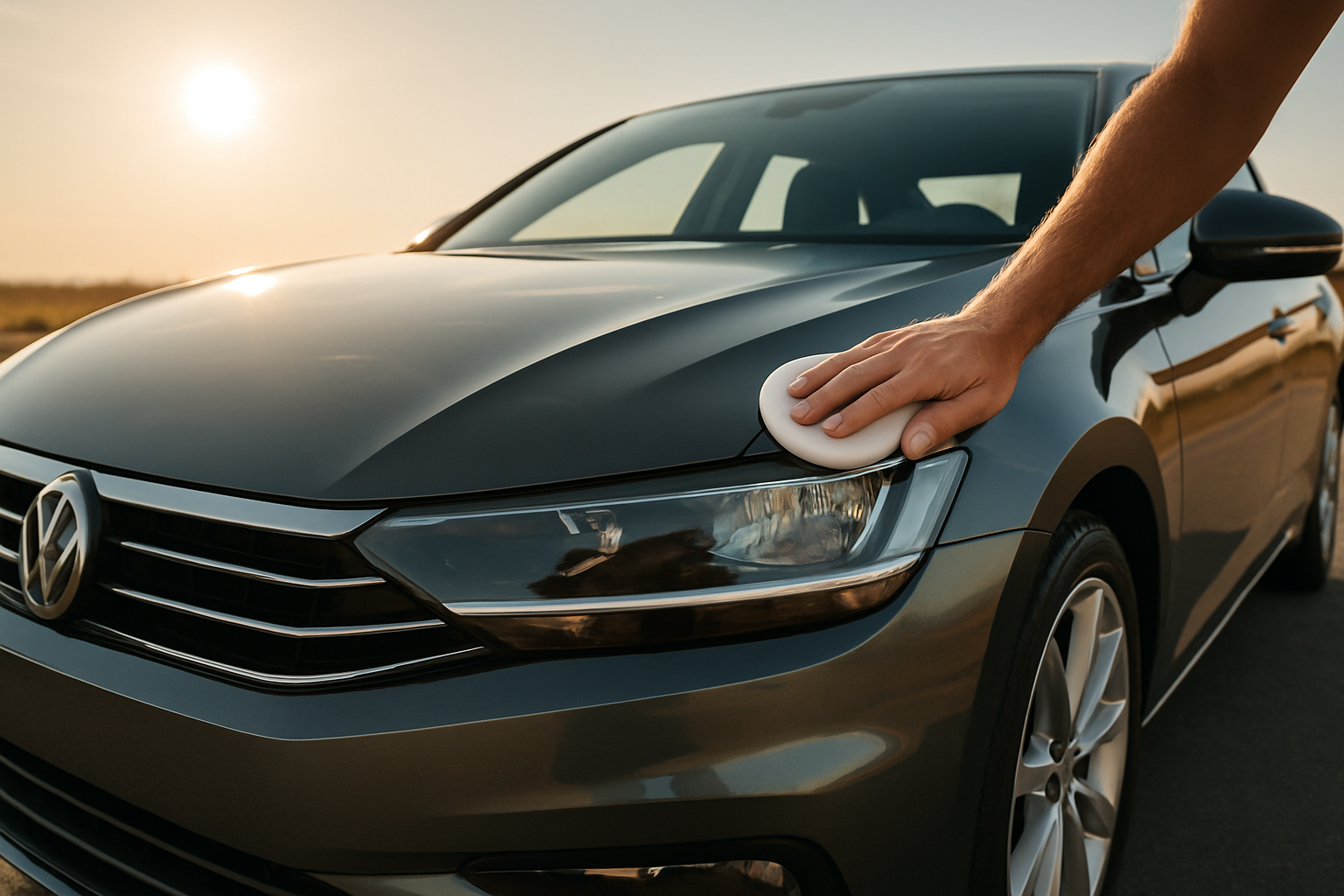
Finish by applying car wax to protect the newly polished area and blend it with the surrounding paint.
Base Coat Scratches
These require a more aggressive approach. Start with the same cleaning process, then use a slightly more abrasive compound. You might need to repeat the polishing process several times.
Work in small sections, checking your progress frequently. You’re trying to level the clear coat around the scratch until it becomes invisible. This takes patience and might require 15-20 minutes of work per inch of scratch.
If polishing compound alone doesn’t work, you may need to wet sand the area lightly with 2000-grit sandpaper before polishing. This is advanced territory, so practice on a hidden area first.
Deep Primer Scratches
Deep scratches need touch-up paint. Find your car’s paint code (usually on a sticker in the door jamb) and buy matching touch-up paint from the dealer or auto parts store.
Clean the scratch thoroughly and let it dry completely. If you see bare metal, apply primer first and let it cure according to the product instructions.
Apply thin coats of touch-up paint, building up the repair gradually. Multiple thin coats look better than one thick application. Let each coat dry completely before applying the next.
Once the paint is level with the surrounding surface, you can polish the area to blend the repair with the existing paint.
Recommended Scratch Repair Products
The market offers plenty of scratch repair options, from basic compounds to complete kits. Quality scratch remover compounds make the biggest difference in your results.
Look for products that include multiple grits of compound, from aggressive cutting compounds for deeper scratches to fine polishes for finishing work. Meguiar’s, Chemical Guys, and Turtle Wax all make reliable scratch repair products available online.
Complete scratch repair kits often include everything you need: compounds, polishes, microfiber cloths, and even touch-up paint. These kits cost more upfront but save you from buying individual products.
Professional vs DIY: Making the Right Choice
Some scratches are better left to professionals. If the scratch is longer than 6 inches, covers multiple panels, or you’re not comfortable with the repair process, a body shop might be worth the cost.
Professional repairs typically cost $150-400 per panel, depending on the damage severity and your location. Mobile scratch repair services cost less but may not match the quality of a full body shop.
DIY repairs cost $30-80 in materials and can handle most common scratches effectively. You’ll also learn valuable skills for future maintenance.
Preventing Future Scratches
Prevention beats repair every time. Park away from other cars when possible, especially in crowded lots. Avoid parking under trees that drop branches or attract birds.
Regular washing removes dirt and debris that can cause scratches during normal handling. Use the two-bucket method: one for soapy water, one for rinsing your wash mitt.
Consider paint protection film for high-impact areas like door handles, bumpers, and mirror housings. This clear film takes the abuse instead of your paint.
Common Mistakes to Avoid
Don’t use household products like toothpaste or baking soda on car scratches. These home remedies can cause more damage than they fix.
Avoid working in direct sunlight or on hot surfaces. Heat makes compounds dry too quickly and can cause streaking or uneven results.
Never use circular motions with cutting compound on metallic or pearl paints. These finishes show swirl marks more easily, so stick to straight-line motions.
Don’t rush the process. Good scratch repair takes time and patience. Trying to speed things up usually means starting over.
When to Call It Done
Perfect results aren’t always possible, especially on older cars or metallic paints. If you’ve improved the scratch by 80-90%, you’ve probably done as well as you can at home.
Step back and evaluate your work from several feet away in different lighting conditions. Small imperfections that are only visible up close aren’t worth obsessing over.
Sometimes accepting a barely visible scratch is better than risking damage from over-polishing. You can always try again later with fresh products and techniques.
Frequently Asked Questions
How long do DIY scratch repairs last?
Properly done repairs last as long as the original paint. The key is using quality products and taking your time with the process. Touch-up paint repairs may need occasional maintenance as the painted area weathers differently than factory paint.
Can I repair scratches on any paint color?
Most colors respond well to scratch repair, but some are more forgiving than others. White and silver hide minor imperfections better than black or dark blue. Metallic and pearl paints require extra care to avoid creating visible texture differences.
Should I repair multiple scratches at once?
Work on one scratch at a time until you’re comfortable with the process. Each scratch may need slightly different treatment, and you’ll get better results focusing on individual repairs rather than trying to fix everything simultaneously.
What if the scratch comes back after repair?
If a scratch reappears, it likely wasn’t fully repaired the first time. This happens when the damage was deeper than initially assessed. Redo the fingernail test and use appropriate products for the actual depth of the scratch.
Leave a Reply