
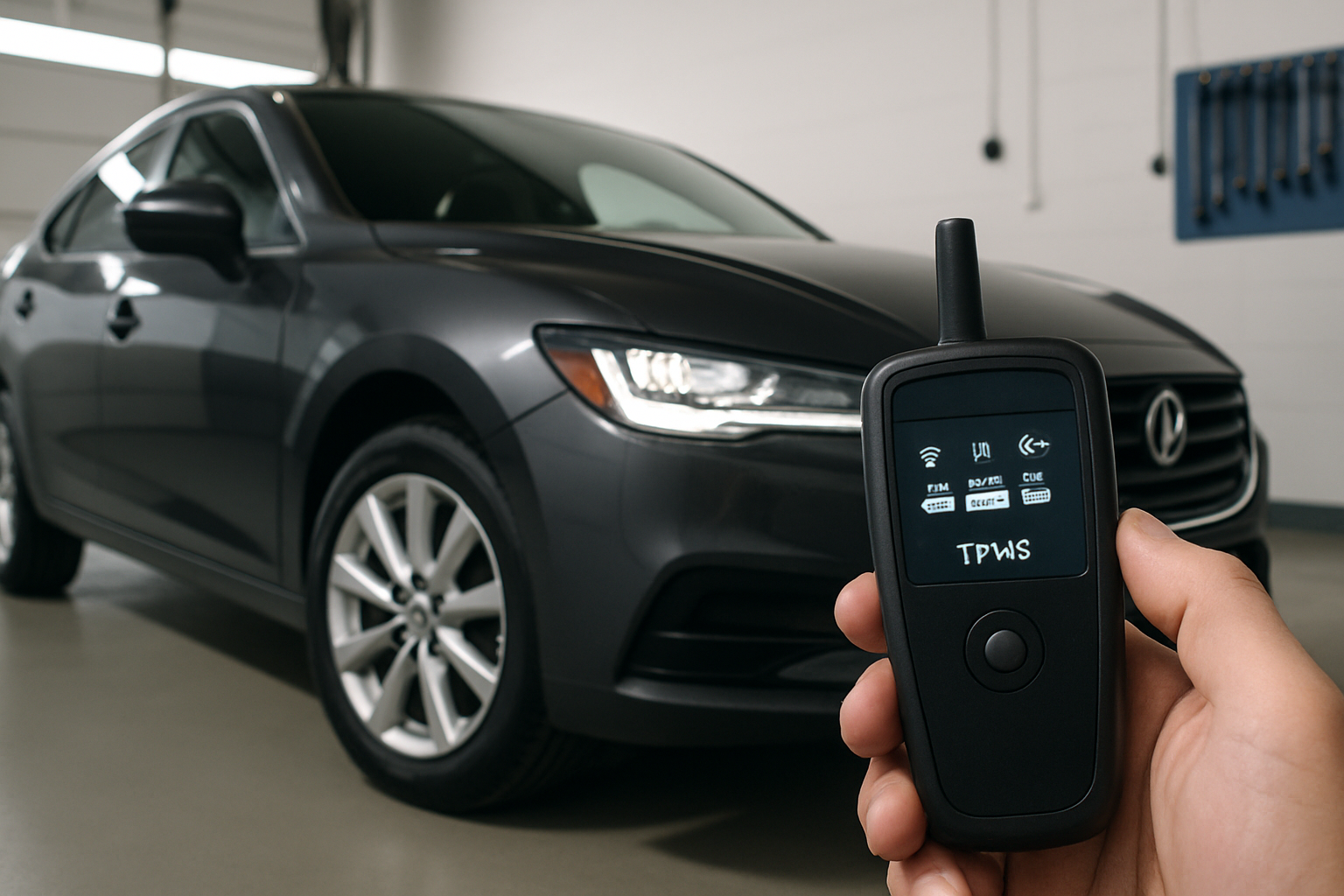
Your car’s Tire Pressure Monitoring System (TPMS) warning light just won’t go away, even after you’ve checked and adjusted your tire pressure. This happens to countless drivers, and the solution is usually a simple TPMS reset procedure.
Understanding how to reset your TPMS can save you a trip to the dealership and get that annoying dashboard warning light to disappear. Different car manufacturers use different reset methods, so knowing the right procedure for your vehicle makes all the difference.
Understanding Your TPMS Type
Before jumping into reset procedures, you need to know what type of TPMS your vehicle uses. There are two main systems: direct and indirect.
Direct TPMS uses sensors mounted inside each wheel that measure actual tire pressure and transmit data wirelessly to your car’s computer. These sensors have batteries that last about 7-10 years and need replacement when they die.
Indirect TPMS doesn’t use pressure sensors at all. Instead, it monitors wheel speed through your ABS system to detect when a tire is underinflated (which would cause it to rotate faster than properly inflated tires).
Most vehicles built after 2008 use direct TPMS because it’s more accurate and can tell you exactly which tire has a problem. However, some manufacturers still use indirect systems on certain models.
When You Need to Reset Your TPMS
Several situations require a TPMS reset, and recognizing these scenarios helps you know when to perform the procedure.
After rotating your tires, the system needs to relearn which sensor is in which position. Your TPMS might show the wrong tire location for pressure warnings without this reset.
When you replace a tire or install new sensors, the system must learn the new sensor IDs. New sensors come programmed with different identification codes that your car’s computer doesn’t recognize yet.
Sometimes the system just glitches and needs a fresh start, especially after disconnecting the battery or performing other electrical work on your vehicle.
Toyota TPMS Reset Procedure
Toyota vehicles typically use a reset button located under the dashboard, usually to the left of the steering wheel near your left knee.
Start with your vehicle parked and the engine off. Make sure all tires are inflated to the correct pressure listed on your door jamb sticker, including your spare tire if it has a sensor.
Turn the ignition to the “ON” position without starting the engine. On push-button start vehicles, press the start button twice without pressing the brake pedal.
Locate the TPMS reset button under the dash. It’s usually a small black button that might be hidden behind a plastic panel. Press and hold this button until the TPMS warning light blinks three times, then release it.
Start the engine and drive for 10-15 minutes at speeds above 25 mph. The system should complete its relearn process during this drive, and the warning light should turn off.
If your Toyota doesn’t have a reset button (some newer models don’t), you can access the reset function through the multi-information display menu. Look for “Vehicle Settings” or “TPMS” in your dash menu system.
Honda TPMS Reset Methods
Honda uses different reset procedures depending on the model year and whether your vehicle has an infotainment system.
For Honda models with a touchscreen infotainment system, the reset process happens through the display. Go to Settings, then Vehicle, then TPMS Calibration. Select “Calibrate” and confirm your selection.
Older Honda models use a button-based reset similar to Toyota. Look for a TPMS button near the steering wheel or in the glove compartment area.
Some Honda vehicles require you to hold the TPMS button while the system goes through a calibration sequence. The process typically involves the horn honking and lights flashing to confirm each step.
Honda’s indirect TPMS systems (found on some Civic and Fit models) require driving for 20-30 minutes after the reset to complete calibration. The system learns your driving patterns and tire characteristics during this period.
GM TPMS Relearn Procedures
General Motors vehicles (Chevrolet, GMC, Buick, Cadillac) use one of the most complex TPMS relearn procedures, but it’s still manageable with the right steps.
GM uses a “relearn” process that requires the system to recognize each sensor in a specific order: left front, right front, right rear, left rear, and spare (if equipped).
Start by ensuring all tires are at the correct pressure. Turn the ignition to “ON” and use the Driver Information Center (DIC) to select the “Tire Pressure” menu, then choose “Sensors” and “Start Sensor Matching.”
The horn will chirp twice to indicate the system is ready. Starting with the left front tire, let air out of the valve stem until the horn chirps once and the turn signal light turns on. This means the system has recognized that sensor.
Move to the right front tire and repeat the process. Continue with the right rear, then left rear, following the same procedure for each wheel.
If your GM vehicle has a spare tire sensor, you’ll need to activate it last. The spare is usually mounted under the truck bed or inside the cargo area.
After completing all wheels, the system will chirp twice and flash the hazard lights to confirm successful relearn. Drive the vehicle for a few minutes to verify the system is working properly.
Other Manufacturer Reset Methods
Ford vehicles often use a combination of ignition cycling and driving procedures. Turn the ignition off and on three times, ending in the “ON” position, then drive for 10 minutes above 20 mph.
Nissan and Infiniti models typically have a TPMS reset button similar to Toyota, usually located in the glove compartment or under the steering wheel. The procedure involves holding the button until the TPMS light blinks.
European brands like BMW, Mercedes-Benz, and Volkswagen often integrate TPMS reset functions into their infotainment or instrument cluster menus. Look for “Vehicle Settings,” “Car,” or “Service” menus.
Hyundai and Kia vehicles usually reset automatically after driving for 10-15 minutes with properly inflated tires, but some models have manual reset buttons or menu options.
Professional TPMS Reset Tools
Sometimes the standard reset procedures don’t work, especially when dealing with aftermarket sensors or complex system issues. Professional TPMS tools can solve these problems.
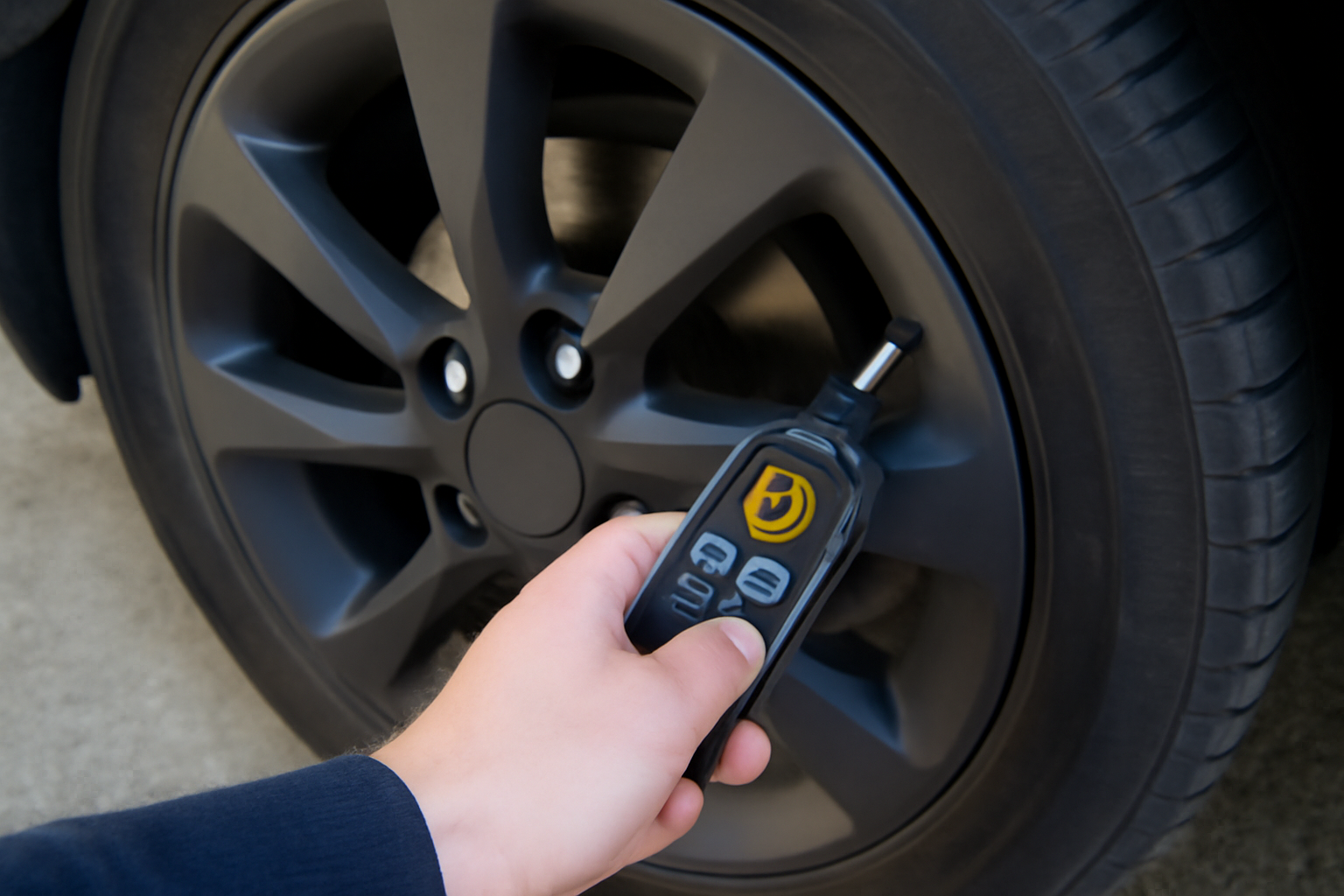
TPMS relearn tools can activate sensors, program new sensor IDs, and force the vehicle’s computer to recognize sensors that aren’t responding to normal procedures. These tools are particularly useful for GM vehicles and aftermarket sensor installations.
Popular TPMS reset tools and relearn devices include the ATEQ VT56, Autel TS508, and Bartec TECH600. These professional-grade tools work with multiple vehicle brands and can diagnose sensor problems.
Many auto parts stores and tire shops offer TPMS relearn services if you don’t want to purchase your own tool. The service typically costs $20-50 and includes verifying that all sensors are working properly.
Troubleshooting Common TPMS Issues
When your TPMS reset doesn’t work on the first try, several factors might be causing the problem.
Dead sensor batteries are the most common issue with direct TPMS systems. Sensors typically last 7-10 years, and when the battery dies, no amount of resetting will make them work. You’ll need sensor replacement.
Incorrect tire pressure prevents successful resets. Even if your tires look properly inflated, use a quality tire pressure gauge to verify exact pressures match your vehicle’s specifications.
Aftermarket wheels or sensors can complicate reset procedures. Some aftermarket sensors use different frequencies or protocols that don’t work with standard reset methods.
Temperature changes affect tire pressure and can trigger TPMS warnings even after a successful reset. Cold weather can drop tire pressure by 1-2 psi, enough to set off the system.
Maintaining Your TPMS System
Regular maintenance keeps your TPMS working properly and reduces the need for frequent resets.
Check your tire pressure monthly, including the spare tire if it has a sensor. This prevents unnecessary TPMS activations and helps you catch slow leaks early.
When mounting new tires, have the shop check sensor condition and replace valve stems. Old rubber valve stems can cause leaks that trigger TPMS warnings.
During tire rotations, remind your service technician to perform the TPMS relearn procedure. Many shops forget this step, leaving you with incorrect tire position warnings.
Replace TPMS sensors when they fail rather than trying to disable the system. Most states require functional TPMS for vehicle inspections, and the system provides valuable safety information.
Frequently Asked Questions
How long does a TPMS reset take to complete?
Most TPMS resets complete within 10-20 minutes of driving after performing the reset procedure. GM vehicles might take up to 30 minutes for the relearn process to finish completely.
Can I reset my TPMS without special tools?
Yes, most vehicles have built-in reset procedures using buttons or menu systems. However, some situations like new sensor installation or aftermarket wheels might require professional TPMS tools.
Why does my TPMS light come back on after a reset?
Recurring TPMS warnings usually indicate a real problem like a slow leak, failing sensor, or incorrect tire pressure. Check all tires carefully and consider having the sensors tested.
Do I need to reset TPMS after changing a flat tire?
Usually not, unless you’re installing a spare tire with a different sensor or the system was already showing warnings. The system should automatically recognize the original sensor when you reinstall the repaired tire.



Leave a Reply