
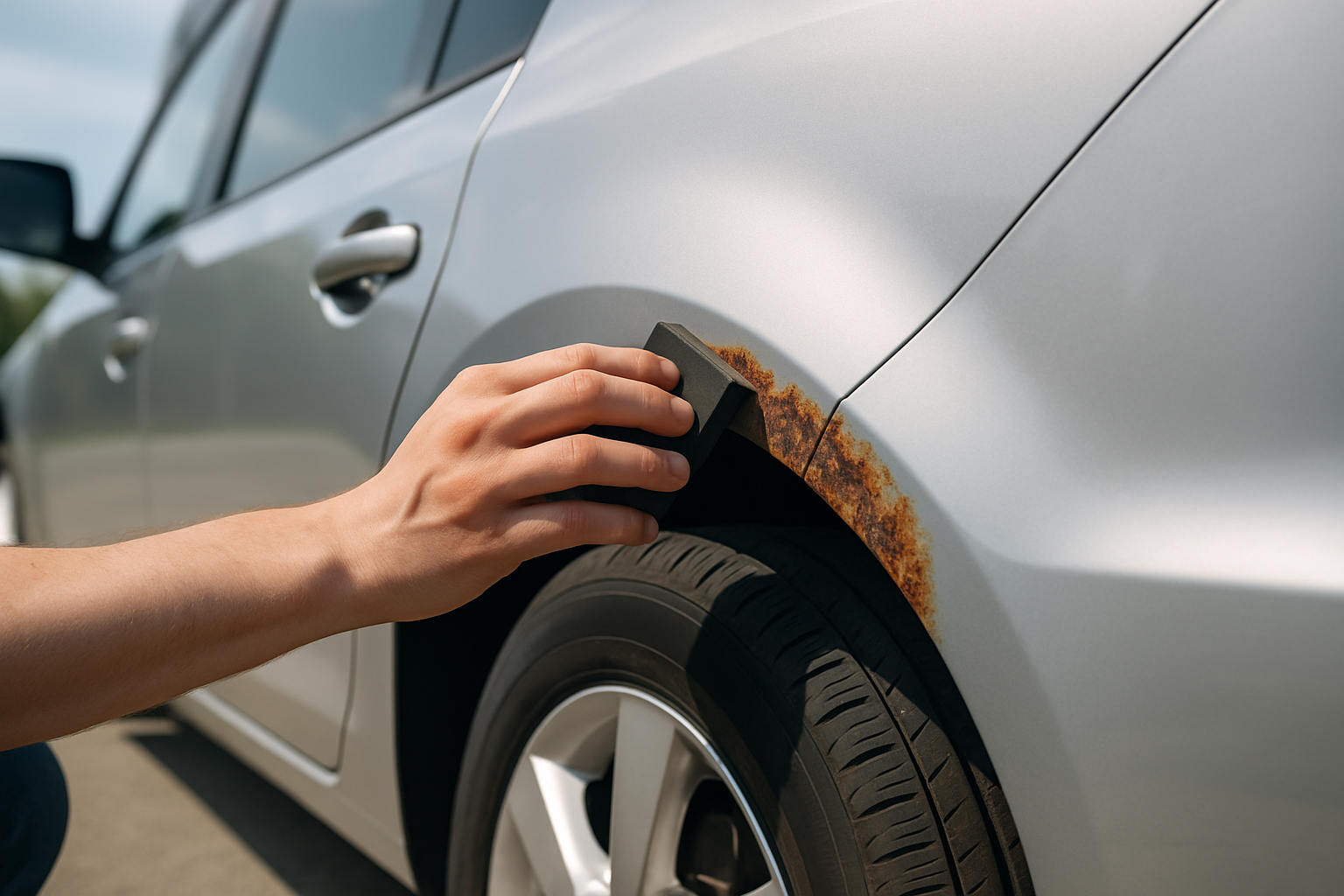
Rust is every car owner’s silent enemy. Once it starts eating through your vehicle’s metal, it spreads quickly and can turn a minor cosmetic issue into expensive structural damage. The key to protecting your investment is catching rust early and stopping it before it becomes a major problem.
Understanding the Enemy: Different Types of Rust
Not all rust is created equal. Surface rust appears as small orange or brown spots on your car’s paint and affects only the outer layer of metal. This type is relatively easy to treat and won’t compromise your vehicle’s integrity if addressed promptly.
Structural rust is the serious stuff. It eats through metal components like frame rails, floor pans, and suspension mounting points. Once structural rust takes hold, repairs become expensive and sometimes impossible, potentially making your car unsafe to drive.
Scale rust falls somewhere in between. It’s more advanced than surface rust but hasn’t yet compromised the metal’s structural integrity. You’ll recognize it by its flaky, layered appearance that often bubbles under paint.
Spotting Rust Before It Spreads
Check your vehicle regularly for early warning signs. Look for small paint chips, especially around wheel wells, door frames, and the lower sections of doors and fenders. These areas get hit with road salt, moisture, and debris that accelerate rust formation.
Pay special attention to areas where different metals meet or where water can collect. The junction between your bumper and fender, around headlight and taillight housings, and anywhere trim pieces attach to the body are common trouble spots.
Don’t forget the undercarriage. Crawl under your car with a flashlight and inspect frame rails, exhaust system mounting points, and suspension components. Surface rust here often goes unnoticed until it becomes a serious problem.
Surface Rust Treatment: Quick Action for Small Problems
When you catch rust in its early stages, you can often stop it yourself with basic tools and supplies. Start by thoroughly cleaning the affected area with soap and water, then dry it completely.
Use 220-grit sandpaper to remove loose rust and feather the edges of the surrounding paint. You want to sand until you see clean metal. For smaller spots, steel wool works well too.
After sanding, clean the area again with rubbing alcohol or acetone to remove any remaining debris or oils. This step ensures proper adhesion of whatever rust treatment you choose.
Rust Converter vs Rust Encapsulator: Choosing Your Weapon
Rust converters chemically transform existing rust into a protective coating. Products like Evapo-Rust or Loctite Naval Jelly contain phosphoric acid that converts iron oxide (rust) into iron phosphate, which actually helps protect the metal underneath.
Apply rust converter directly to clean, dry rust without trying to remove every last bit. The chemical reaction needs some rust to work with. After the converter dries, you can prime and paint over it.
Rust encapsulators work differently. They seal existing rust under a protective barrier, preventing oxygen and moisture from reaching the metal. Corroseal and SEM Metal Prep are popular options that work well when you can’t remove all the rust mechanically.
For the best results on surface rust, use a converter first, then follow with an encapsulator for extra protection. This two-step approach gives you both chemical conversion and physical barrier protection.
Professional-Grade Treatment Options
Several high-quality products can help you tackle rust like a pro. Rust converter car sprays offer convenient application for larger areas or hard-to-reach spots.
Evapo-Rust is a non-toxic option that works through soaking. It’s perfect for small parts you can remove from the car. Just drop the rusty part in a container of Evapo-Rust and let chemistry do the work.
For spray application, Corroseal Water-Based Rust Converter offers excellent coverage and can be applied directly over rust. It converts and primes in one step, saving you time and ensuring good adhesion for topcoats.
DIY Patch Repair for Larger Rust Damage
When rust has eaten through the metal, you’ll need to cut out the damaged section and patch it. This job requires more skill and tools, but it’s still manageable for determined DIYers.
Use an angle grinder with a cut-off wheel to remove all rusted metal. Cut back to solid metal, even if that means making the hole bigger than you initially planned. Any remaining rust will continue spreading under your patch.
For small holes, fiberglass repair kits work well. Clean the area thoroughly, apply the fiberglass backing, then build up layers of body filler. Sand smooth and prime before painting.
Larger holes need metal patches. Cut a piece of sheet metal slightly larger than the hole, then weld or use panel bonding adhesive to secure it. Professional body shops use 18-gauge steel for most patch work, which you can buy at automotive supply stores.
Undercoating: Your Best Defense Against Future Rust
Prevention beats treatment every time. Undercoating creates a protective barrier between your car’s metal and the corrosive elements it encounters daily.
Rubberized undercoating sprays on as a liquid and dries to form a flexible, waterproof barrier. It’s particularly effective on wheel wells and other areas that see lots of road spray. Clean the surface first, then apply multiple thin coats rather than one thick layer.
Wax-based undercoating penetrates into crevices better than rubberized products. It stays somewhat soft, which helps it self-heal minor damage. However, it can attract dirt and debris more readily than rubberized options.
Apply undercoating in dry weather when temperatures are between 50 and 80 degrees Fahrenheit. The coating needs time to cure properly, and humidity or extreme temperatures can affect adhesion.
When to Call in Professional Help
Some rust problems exceed DIY capabilities. If rust has affected structural components like frame rails or suspension mounting points, professional evaluation is essential for safety reasons.
Body shops have specialized tools like media blasters that can remove rust more thoroughly than hand sanding. They also have access to professional-grade primers and paints that provide better long-term protection.
Consider professional help when rust covers large areas or when it’s in locations that are difficult to access properly. The cost of professional treatment is often less than the potential damage from incomplete DIY repairs.
Maintenance Tips to Prevent Future Rust
Regular washing removes salt and corrosive debris before they can cause damage. Pay special attention to the undercarriage during winter months when road salt use is heaviest.
Wax your car at least twice yearly to maintain the protective barrier on your paint. Modern synthetic waxes last longer than traditional carnauba products and provide excellent protection against moisture and UV damage.
Keep your car’s drainage systems clear. Clogged door drains, sunroof drains, and cowl drains allow water to collect in areas where it can cause serious rust damage. A few minutes with compressed air can prevent thousands in repair costs.
Address paint chips immediately. Small chips expose bare metal to the elements and provide entry points for rust to start. Touch-up paint pens are inexpensive and can prevent major problems when used promptly.
Frequently Asked Questions
Can I paint directly over rust converter?
Most rust converters require primer before painting. Check the product instructions, as some newer formulations include primer in the converter. Using primer ensures better paint adhesion and longer-lasting results.
How long does rust treatment last?
Properly applied rust treatment can last several years, but longevity depends on environmental conditions and the quality of surface preparation. Cars in coastal areas or regions with heavy salt use may need retreatment more frequently.
Is it worth fixing rust on an older car?
This depends on the extent of rust and the car’s value. Surface rust treatment is almost always worthwhile, while extensive structural rust repair may cost more than the vehicle is worth. Consider the car’s sentimental value and overall condition when making this decision.
Can I prevent rust completely?
While you can’t prevent rust entirely, regular maintenance and protective treatments can significantly slow its formation. Cars in dry climates naturally resist rust better than those in humid or salt-heavy environments, but proper care helps in any climate.

Leave a Reply