
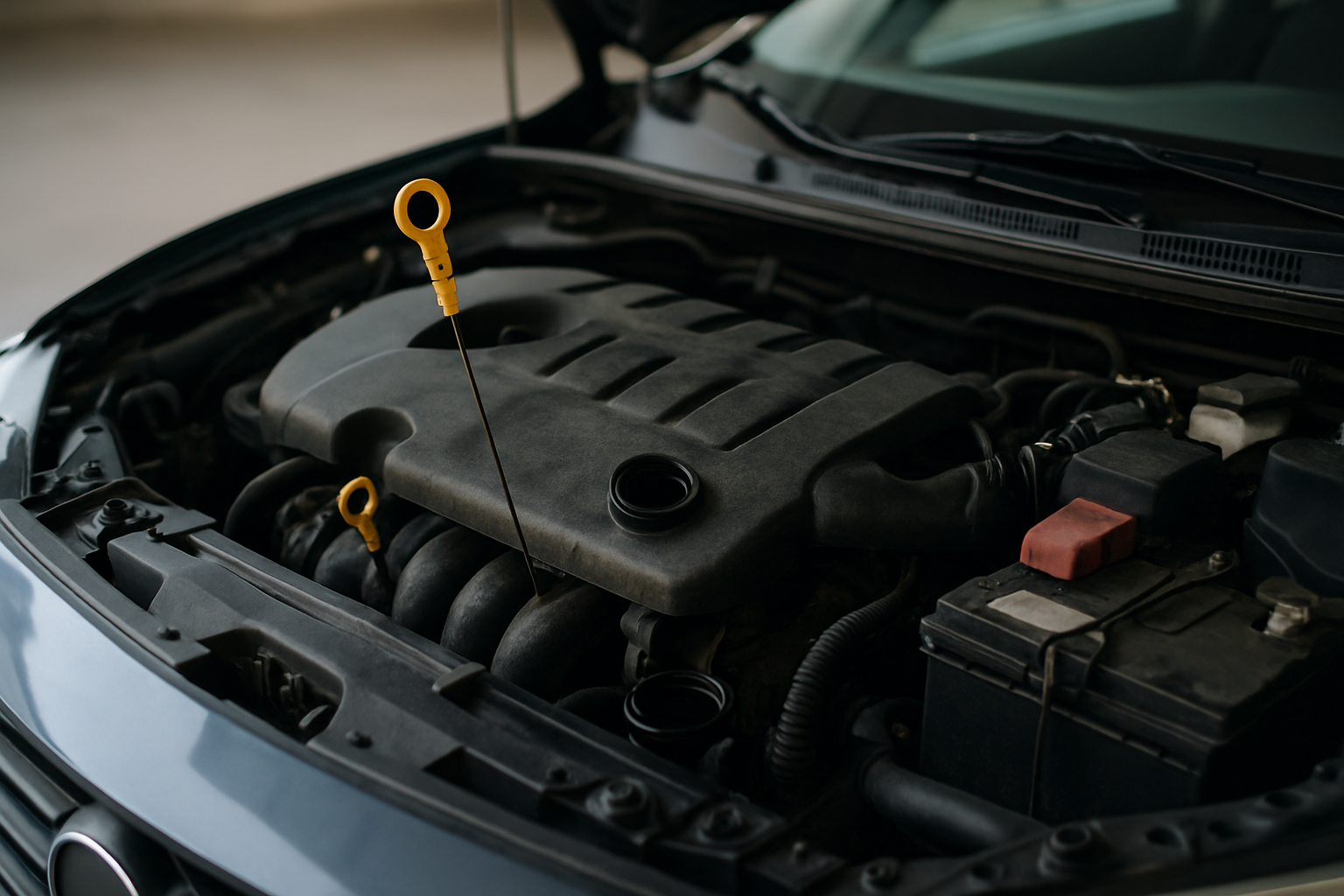
Skipping oil changes might seem like a minor delay, but your engine doesn’t forgive this oversight. The consequences range from expensive repairs to complete engine failure, and the damage often happens faster than most drivers expect.
How Engine Oil Protects Your Investment
Your engine oil performs four critical jobs that keep your car running smoothly. It lubricates moving parts to prevent metal-on-metal contact, carries away heat from friction points, cleans internal components by suspending contaminants, and creates a seal between pistons and cylinder walls.
Fresh oil flows easily through narrow passages and maintains a protective film between components. Over time, this oil breaks down chemically and accumulates debris that transforms it from a protective fluid into a destructive sludge.
The Deadly Process: What Happens When Oil Breaks Down
Weeks 1-4: Oil Degradation Begins
During the first month past your oil change interval, the oil starts losing its protective properties. Heat and oxygen cause the oil molecules to break apart, while combustion byproducts begin accumulating in the oil pan.
You won’t notice any symptoms yet, but microscopic wear particles start circulating through your engine. The oil’s viscosity begins changing, becoming either thicker or thinner than specifications require.
Months 2-3: Sludge Formation Accelerates
Old oil combined with dirt, metal particles, and combustion residue creates a thick, tar-like substance called sludge. This sludge starts coating internal engine surfaces and clogging oil passages.
Your oil pump works harder to circulate the thickening fluid. Oil pressure may fluctuate, and you might hear slight ticking noises from the valve train during cold starts.
Months 4-6: Critical Damage Zone
Sludge buildup reaches dangerous levels, blocking oil galleries and starving critical components of lubrication. Your engine’s bearings, which support the crankshaft and connecting rods, begin wearing rapidly without adequate oil flow.
Engine noise increases noticeably, especially during startup. Oil pressure warning lights may flicker during idle or low RPM operation.
The Five Stages of Engine Destruction
Stage 1: Sludge Buildup
Sludge accumulates in the oil pan, valve covers, and oil passages throughout the engine. This thick, sticky substance acts like cement, blocking the flow of fresh oil to critical components.
The oil pickup tube, which draws oil from the pan to the pump, becomes partially blocked. Your engine essentially starts choking on its own waste products.
Stage 2: Oil Starvation
Critical engine components stop receiving adequate lubrication. The top end of the engine suffers first, with valve train components experiencing increased friction and wear.
Hydraulic valve lifters begin ticking loudly as they lose oil pressure. Variable valve timing systems malfunction, triggering check engine lights and reducing performance.
Stage 3: Bearing Damage
Main bearings and rod bearings, which support your crankshaft, begin failing without proper oil pressure. These precision components require a constant film of clean oil to prevent direct metal contact.
You’ll hear deep knocking sounds from the engine block, especially under load or acceleration. Each knock represents metal grinding against metal, creating permanent damage.
Stage 4: Component Scoring
Cylinder walls develop scratches and grooves as pistons scrape against them without adequate lubrication. Piston rings wear rapidly, allowing combustion gases to blow past into the crankcase.
Your engine starts burning oil visibly through the exhaust. Blue smoke becomes constant, and oil consumption increases dramatically.
Stage 5: Complete Seizure
Moving parts expand from excessive heat and literally weld themselves together. The crankshaft seizes in its bearings, or pistons lock up in their cylinders.
Your engine stops running completely and cannot be restarted. The repair cost typically exceeds the vehicle’s value, making replacement the only economical option.
Visual Evidence: What Mechanics See
Mechanics encounter sludge-destroyed engines regularly, and the damage follows predictable patterns. Oil pans filled with black, tar-like substance that barely flows when drained. Valve covers packed with sludge so thick you can write your name in it.
Oil pickup screens completely blocked, looking like they’re coated in roofing tar. Internal engine components covered in baked-on deposits that require scraping to remove.
Bearing surfaces showing copper backing material where the protective overlay has worn completely away. Crankshaft journals scored and discolored from excessive heat and friction.
Timeline: How Fast Can This Happen?
The destruction timeline varies based on driving conditions, engine design, and oil quality. Severe service conditions accelerate the process significantly.
Short trips that never fully warm the engine create the worst conditions. Stop-and-go traffic, dusty environments, and extreme temperatures all shorten oil life dramatically.
Normal Driving Conditions
Under ideal conditions with high-quality conventional oil, serious damage typically begins after 12,000 to 15,000 miles without an oil change. Synthetic oils extend this timeline but don’t eliminate the eventual consequences.
Most engines show measurable wear after doubling the recommended oil change interval, even with synthetic oil.
Severe Service Conditions
Frequent short trips, extreme temperatures, dusty conditions, or towing accelerate oil breakdown dramatically. Under these conditions, engine damage can begin within 6,000 to 8,000 miles past the recommended interval.
Turbocharged engines face even shorter timelines due to extreme operating temperatures that break down oil faster.
Warning Signs Your Engine Is Suffering
Early Warning Signals
Your engine provides several warnings before catastrophic failure occurs. Increased engine noise, especially ticking or rattling sounds, indicates inadequate lubrication reaching moving parts.
Oil pressure warning lights, even if they flicker briefly, signal serious problems with oil circulation. Don’t ignore these warnings, as they represent your last chance to prevent major damage.
Advanced Damage Symptoms
Blue smoke from the exhaust indicates oil burning in the combustion chambers. Knocking sounds under acceleration mean bearing damage has already begun.
Rough idle, reduced power, and check engine lights all point to internal engine problems related to poor lubrication and excessive wear.
The Real Cost of Delayed Oil Changes
Skipping oil changes creates a false economy that costs exponentially more than regular maintenance. A $50 oil change becomes a $5,000 engine replacement when neglected too long.
Modern engines with tight tolerances and turbochargers are particularly vulnerable to oil-related damage. What might have been survivable in older, simpler engines becomes catastrophic in today’s high-performance powerplants.
Repair vs. Replacement Costs
Minor sludge cleanup costs $500 to $1,000 if caught early. Once bearing damage occurs, engine rebuilding costs range from $3,000 to $6,000.
Complete engine replacement often exceeds $8,000 when including labor and associated repairs. These costs typically surpass the vehicle’s value on older cars.
Different Engines, Different Vulnerabilities
Some engine designs tolerate neglect better than others, but none survive indefinitely without proper maintenance. High-performance engines with tight tolerances fail faster than simple, older designs.
Turbocharged engines face additional challenges from extreme operating temperatures that break down oil rapidly. Direct injection engines accumulate more combustion byproducts in the oil.
High-Risk Engine Types
Turbocharged four-cylinders, especially in performance applications, demand strict oil change adherence. These engines run hot and work hard, breaking down oil faster than naturally aspirated engines.
Variable valve timing systems rely heavily on clean oil for proper operation. Sludge buildup causes these systems to malfunction, triggering expensive repairs beyond just engine damage.
Prevention: Your Engine’s Lifeline
Preventing oil-related engine damage requires consistent maintenance and attention to warning signs. Follow manufacturer recommendations for oil change intervals as absolute maximums, not targets.
Severe driving conditions require more frequent changes than normal schedules suggest. If you drive short distances, sit in traffic regularly, or operate in dusty conditions, change oil every 3,000 to 5,000 miles regardless of manufacturer recommendations.
Choosing the Right Oil
Full synthetic oils provide better protection and longer change intervals than conventional oils. However, they don’t eliminate the need for regular changes, just extend the safe interval slightly.
Match oil viscosity exactly to manufacturer specifications. Using incorrect viscosity can cause circulation problems and inadequate protection even with fresh oil.
When It’s Too Late: Recognizing Terminal Damage
Some engine damage passes the point of economical repair. Widespread bearing damage, scored cylinder walls, or seized components typically mean replacement rather than repair makes financial sense.
If your engine has survived extended oil change intervals, have it professionally inspected before assuming everything is fine. Internal damage may exist without obvious external symptoms.
Oil analysis can reveal internal wear patterns and contamination levels that predict future problems. This $30 test often saves thousands by identifying issues before catastrophic failure occurs.
Frequently Asked Questions
Can flushing remove sludge buildup?
Engine flushes can remove light sludge deposits but won’t reverse serious buildup. Heavy sludge requires mechanical cleaning during engine disassembly. Attempting to flush severely sludged engines may dislodge chunks that block oil passages completely.
Will switching to synthetic oil help a neglected engine?
Synthetic oil provides better protection going forward but won’t repair existing damage. Switching to synthetic after neglect may actually loosen deposits that block passages. Gradual transition with frequent changes works better than immediate switching.
How can I tell if my engine has internal damage?
Professional oil analysis reveals metal particles and contamination levels that indicate internal wear. Unusual noises, especially knocking or ticking, suggest component damage. Oil pressure testing during operation can identify circulation problems.
Is it worth fixing a sludged engine?
Repair economics depend on damage extent and vehicle value. Light sludging caught early justifies cleanup costs. Extensive damage with bearing wear typically costs more to repair than the vehicle’s worth. Get professional assessment before deciding.
This article contains affiliate links. If you purchase through these links, we may earn a small commission at no extra cost to you.

Leave a Reply