
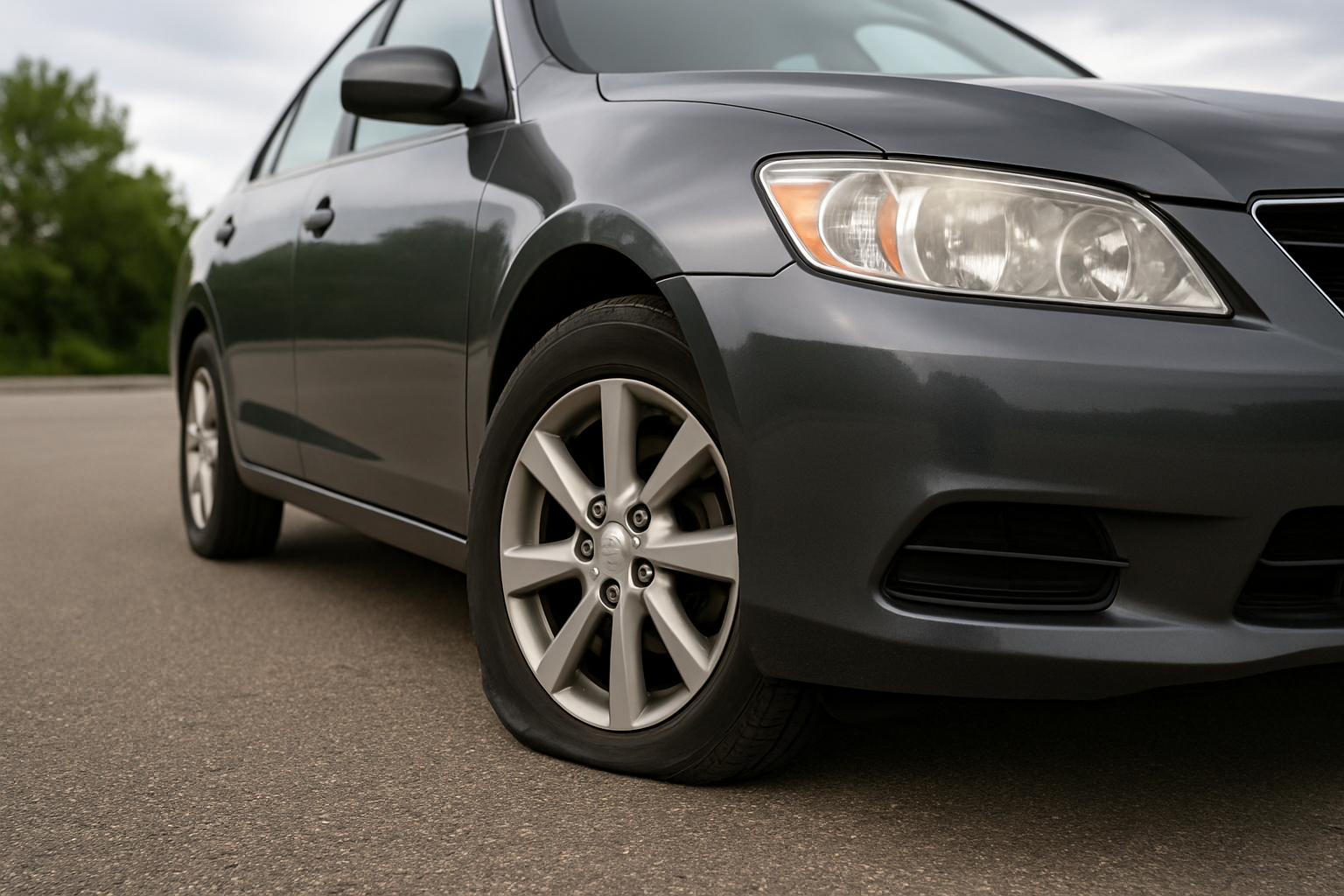
Your car feels sluggish, you’re filling up more often than usual, and your tires seem to be wearing out faster than they should. If this sounds familiar, your tire pressure might be the culprit. Driving on underinflated tires creates a cascade of problems that hit you right in the wallet.
Most drivers don’t realize how dramatically low tire pressure affects their vehicle’s performance and operating costs. Even a small drop in pressure can reduce fuel economy and cause expensive tire damage that could have been easily prevented.
The Hidden Cost of Low Tire Pressure
Every single PSI your tires are underinflated costs you 0.2% in fuel economy. This might not sound like much, but it adds up quickly. If your tires are 10 PSI low (which is common), you’re losing 2% of your gas mileage.
For a car that normally gets 30 MPG, that drops to 29.4 MPG. Over a year of driving 12,000 miles with gas at $3.50 per gallon, you’ll spend an extra $29 just on that 10 PSI difference. If your tires are 20 PSI low, that cost doubles.
The math gets worse with larger vehicles. A truck that normally gets 20 MPG drops to 19.2 MPG with 10 PSI low tires, costing you an extra $44 per year in fuel.
Why Underinflated Tires Kill Your Gas Mileage
When your tires don’t have enough air, they create more rolling resistance against the road surface. Think of it like riding a bicycle with low tires. You have to pedal harder to maintain the same speed.
Your engine works the same way. It has to burn more fuel to overcome the increased resistance from underinflated tires. The larger contact patch between tire and road creates more friction, requiring more energy to move your vehicle forward.
Underinflated tires also flex more as they roll. This constant flexing generates heat and wastes energy that should be propelling your car forward. Instead of efficient rolling, you’re essentially squishing and reshaping your tires with every rotation.
The Uneven Wear Pattern That Costs You Money
Low tire pressure causes a distinctive wear pattern that ruins tires prematurely. When tires are underinflated, the edges (shoulders) of the tread carry more weight than the center. This creates accelerated wear on both outer edges while the center of the tire remains relatively unworn.
You’ll notice this pattern as excessive wear on the outside edges of your tires while the middle still has plenty of tread depth. This edge wear happens because the tire’s sidewalls bulge outward when there isn’t enough air pressure to maintain the tire’s proper shape.
Instead of getting 50,000-60,000 miles from a good set of tires, you might only get 30,000-40,000 miles when they’re consistently underinflated. That’s potentially thousands of dollars in premature tire replacements over the life of your vehicle.
Handling Problems and Safety Risks
Underinflated tires don’t just cost money. They create serious safety hazards that put you and your passengers at risk.
Your car’s handling becomes unpredictable with low tire pressure. The steering feels mushy and unresponsive, especially during emergency maneuvers. Braking distances increase because the tire’s contact patch isn’t optimized for maximum grip.
Cornering becomes dangerous as the tire sidewalls flex excessively, potentially causing the tire to roll off the rim or lose contact with the road surface. Highway driving becomes particularly risky as underinflated tires are prone to catastrophic blowouts.
The Blowout Risk Nobody Talks About
Severely underinflated tires generate excessive heat from constant flexing. This heat buildup weakens the tire’s internal structure, particularly the sidewall and belt areas. Eventually, this leads to sudden tire failure, often at highway speeds.
A blowout at 70 MPH can cause you to lose control of your vehicle, potentially causing a serious accident. The risk increases dramatically when tires are more than 25% underinflated, but even moderately low pressure contributes to heat buildup over time.
Modern tires are incredibly well-built, but they’re designed to operate within specific pressure ranges. Operating outside these parameters significantly increases the likelihood of sudden failure.
How to Check Your Tire Pressure Properly
Check your tire pressure monthly when the tires are cold. This means the car hasn’t been driven for at least three hours, preferably first thing in the morning. Driving heats up your tires and increases pressure, giving you inaccurate readings.
Your vehicle’s recommended tire pressure is listed on a sticker inside the driver’s door frame, not on the tire sidewall. The sidewall shows the tire’s maximum pressure rating, which is typically much higher than what your car actually needs.
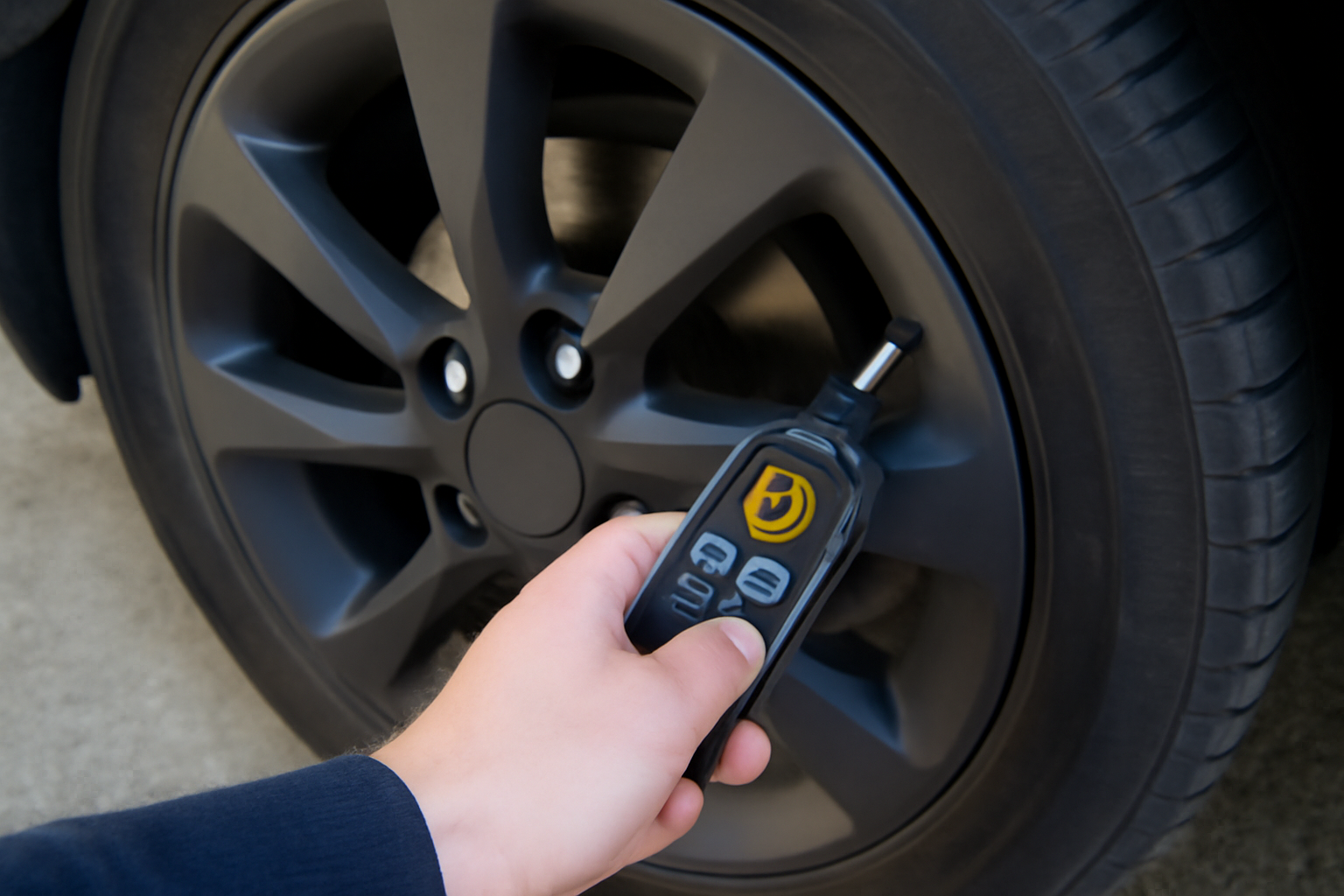
Use a quality digital tire pressure gauge for accurate readings. The pencil-style gauges and gas station air pumps are notoriously inaccurate. A good digital gauge will pay for itself in fuel savings and tire life within a few months.
Digital Tire Pressure Gauges Worth Buying
Investing in a reliable digital tire pressure gauge is one of the smartest automotive purchases you can make. These tools provide accurate readings and help you maintain proper tire pressure consistently.
Look for gauges with backlit displays, automatic shut-off features, and pressure ranges that match your vehicle’s requirements. Many quality digital gauges also include built-in air bleeders for fine-tuning pressure and protective cases to prevent damage.
Professional-grade gauges from brands like JACO, AstroAI, and Accutire offer exceptional accuracy and durability. They’re significantly more reliable than the analog gauges found at most parts stores and will give you consistent readings for years.
Seasonal Pressure Changes You Need to Know
Tire pressure drops about 1-2 PSI for every 10-degree decrease in temperature. This means your properly inflated summer tires will be significantly underinflated when winter arrives, even without any air leaks.
Check your pressure more frequently during seasonal transitions. Fall and early winter are particularly important times to monitor tire pressure as temperatures drop rapidly. Don’t wait for your TPMS warning light, as it typically doesn’t trigger until tires are 25% underinflated.
Some drivers slightly overinflate their tires in fall to account for winter temperature drops, but this isn’t recommended. It’s better to check pressure monthly and adjust as needed rather than guess at seasonal adjustments.
TPMS Warning Lights and What They Mean
Your Tire Pressure Monitoring System (TPMS) light looks like a horseshoe with an exclamation point inside. When this light comes on, at least one tire is significantly underinflated, usually 25% or more below the recommended pressure.
Don’t ignore TPMS warnings. By the time the light activates, your tires are already causing increased fuel consumption, uneven wear, and potential safety hazards. Check all four tires immediately when the warning appears.
Remember that TPMS systems don’t prevent the problems caused by underinflated tires. They only alert you after the damage has already started. Regular manual pressure checks are still essential for optimal tire performance and longevity.
Quick Fixes vs. Long-term Solutions
If you discover low tire pressure, add air immediately rather than waiting for a more convenient time. Even a few days of driving on underinflated tires can cause permanent damage to the tire’s internal structure.
Many gas stations have air pumps, but their gauges are often inaccurate. Bring your own digital gauge and check the pressure after adding air. Some modern gas stations have digital displays, but it’s still wise to verify with your own gauge.
If you find yourself adding air to the same tire repeatedly, you have a leak that needs professional attention. Small punctures can often be repaired, but sidewall damage usually requires tire replacement.
Professional Tire Services Worth the Cost
Most tire shops offer free pressure checks and will add air at no charge. Take advantage of these services, especially if you don’t have access to an air compressor at home. Building a relationship with a good tire shop can save you money in the long run.
Consider having your tires professionally inspected annually, even if they look fine. Technicians can spot early signs of uneven wear, internal damage, or slow leaks that aren’t immediately obvious to vehicle owners.
Professional tire rotations every 5,000-7,500 miles help ensure even wear patterns and maximize tire life. This service typically costs $50-80 but can extend tire life by thousands of miles when combined with proper pressure maintenance.
Frequently Asked Questions
How often should I check my tire pressure?
Check tire pressure monthly when tires are cold, preferably in the morning before driving. Also check before long road trips and when seasons change. Don’t rely solely on TPMS warnings, as they only activate when tires are severely underinflated.
Can I use the pressure rating printed on my tire sidewall?
No, the sidewall pressure is the tire’s maximum rating, not your vehicle’s recommended pressure. Use the pressure listed on the sticker inside your driver’s door frame or in your owner’s manual. This is typically 10-15 PSI lower than the sidewall maximum.
Why do my tires lose pressure even without visible damage?
Tires naturally lose 1-2 PSI per month through normal permeation. Rubber is slightly porous, allowing air molecules to slowly escape. Temperature changes also affect pressure significantly. Cold weather can drop tire pressure 1-2 PSI for every 10-degree temperature decrease.
Is it better to slightly overinflate tires for better fuel economy?
No, overinflation causes center tread wear, reduced traction, and harsh ride quality. While slightly overinflated tires may improve fuel economy marginally, the benefits are offset by premature tire replacement costs and safety risks. Stick to manufacturer recommendations for optimal performance and tire life.


Leave a Reply