
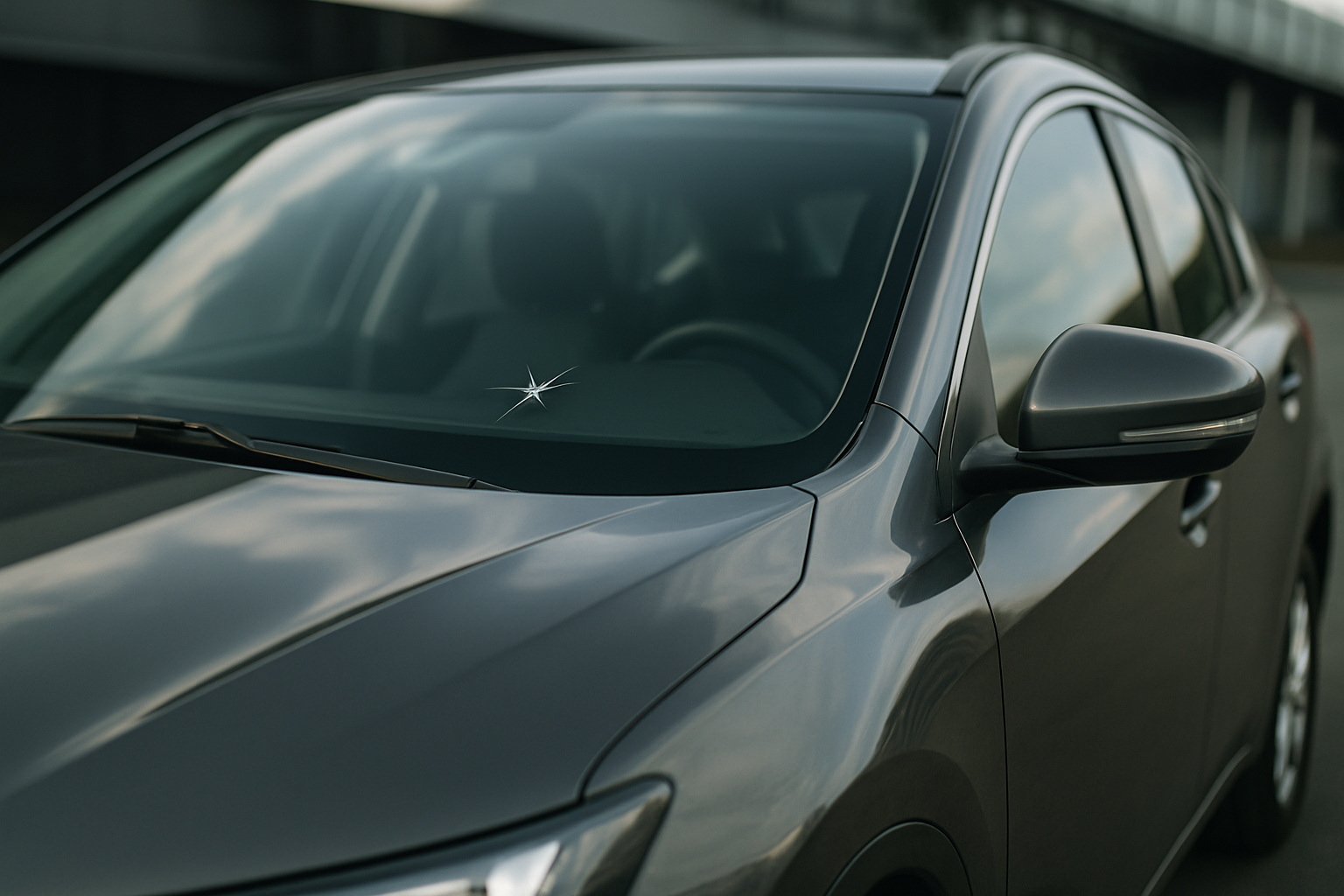
You’re driving down the highway when you notice a tiny chip in your windshield. It’s barely noticeable, and you figure you’ll deal with it later. That tiny chip could cost you hundreds of dollars if you wait too long.
Small windshield damage spreads quickly, and what starts as a check current prices repair can turn into a full windshield replacement costing check current prices. Understanding why cracks grow and taking action early can save you serious money.
How Small Cracks Turn Into Big Problems
Your windshield isn’t just a piece of glass. It’s a laminated safety component made of two layers of glass with a plastic interlayer. When a rock or debris creates a small chip, it compromises the structural integrity of this system.
Temperature changes are the biggest enemy of damaged windshields. When it’s hot outside, the glass expands. When temperatures drop, it contracts. This constant expansion and contraction puts stress on the damaged area, causing cracks to spread outward from the original chip.
Even a 20-degree temperature swing can cause a small chip to develop into a crack several inches long. During winter months, using your defroster on a chipped windshield can cause immediate crack propagation due to the rapid temperature change.
Road vibrations make the problem worse. Every bump, pothole, and normal driving vibration flexes your windshield slightly. A healthy windshield handles this flex without issue, but damaged glass concentrates stress at the chip location.
The Real Cost Difference
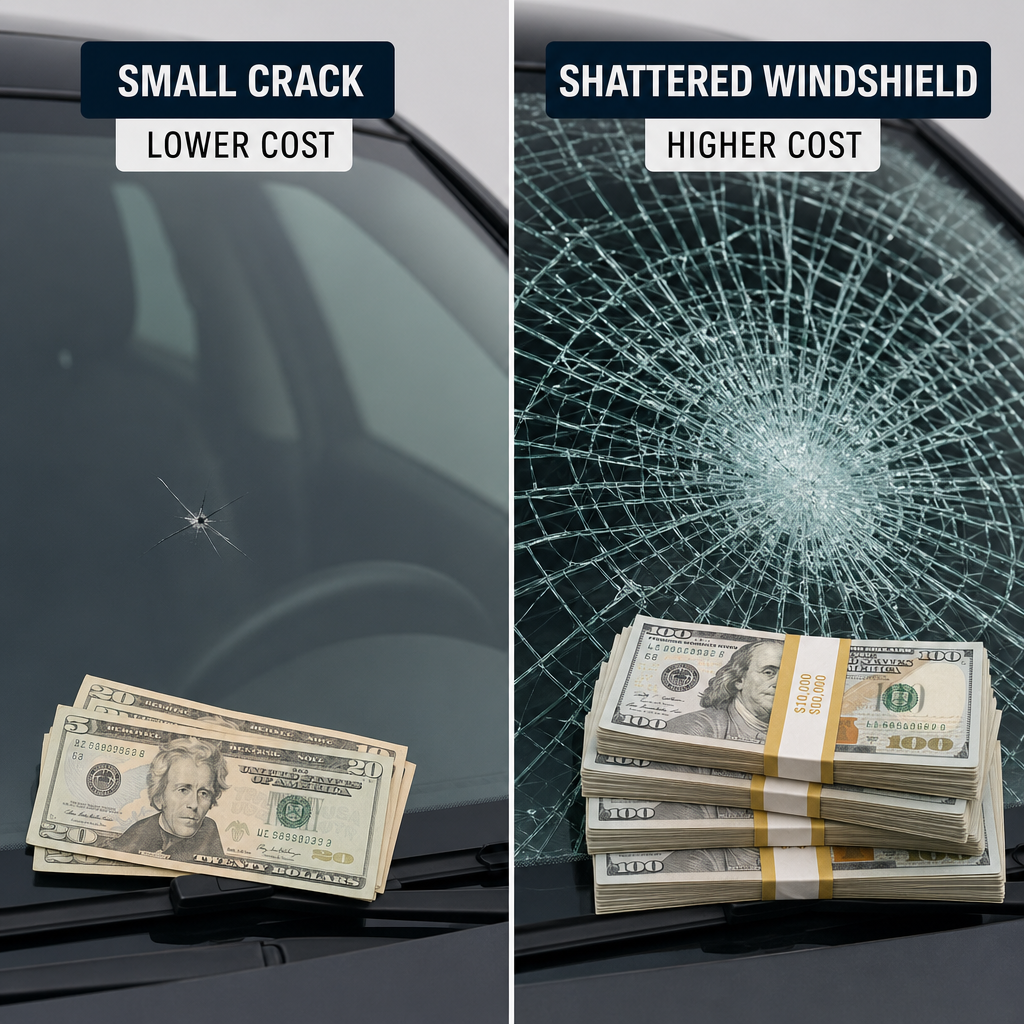
Repairing a small chip typically costs between check current prices and check current prices at most auto glass shops. The process takes about 30 minutes and involves injecting a clear resin into the damaged area to restore structural integrity.
Compare this to full windshield replacement costs. Budget replacements start around check current prices for basic vehicles, but most car owners pay check current prices for quality installation. Luxury vehicles, trucks with advanced driver assistance systems, or cars requiring original equipment manufacturer (OEM) glass can cost check current prices or more.
The labor time difference is significant too. Chip repair takes 30 minutes. Windshield replacement requires 2 to 3 hours, plus additional time for the adhesive to cure before you can drive safely.
Many insurance policies cover chip repairs completely, with no deductible. This makes financial sense for insurance companies because paying check current prices for a repair prevents a future check current prices replacement claim.
When Repair Isn’t Possible
Several factors determine whether your windshield can be repaired or needs replacement. Size matters most. Chips larger than a quarter or cracks longer than 3 inches typically require full replacement.
Location is equally important. Damage directly in the driver’s line of sight may need replacement even if it’s small, since repairs can leave slight visual distortions. Cracks that extend to the edge of the windshield also require replacement because they compromise structural integrity.
Deep chips that penetrate through the outer glass layer into the plastic interlayer usually can’t be repaired effectively. You can tell if damage is too deep by running your fingernail across it. If your nail catches, the damage likely extends too far into the glass layers.
Age of the damage affects repairability too. Fresh chips repair best because debris and moisture haven’t had time to contaminate the damaged area. Chips that have collected dirt or been exposed to weather for weeks may not accept repair resin properly.
DIY Repair Kits vs Professional Service
Auto parts stores sell windshield repair kits for check current prices. These kits include basic resin and application tools for emergency repairs. While they can stop crack propagation temporarily, they rarely match professional repair quality.
Windshield repair kits work best on fresh, small chips in non-critical areas. The resin included in these kits isn’t always the same quality professionals use, and the application tools are basic.
Professional shops use specialized equipment including vacuum chambers to remove air from the damaged area before injecting resin. This creates a stronger, clearer repair that’s less likely to fail over time.
Professional technicians also have access to different resin formulations designed for specific types of damage. They can assess whether your particular chip is suitable for repair and choose the best approach.
Insurance Coverage for Windshield Damage
Most comprehensive insurance policies cover windshield repairs without applying your deductible. Insurance companies prefer paying check current prices for a chip repair over check current prices for eventual replacement.
Check your policy details or call your insurance agent to confirm coverage. Some states, including Florida, Kentucky, and South Carolina, have laws requiring insurance companies to waive deductibles for windshield repairs.
Even if you have a high deductible, windshield chip repair often costs less than your deductible amount. A check current prices deductible doesn’t help with a check current prices repair, but it does make a check current prices replacement cost only check current prices out of pocket.
Document the damage with photos before calling your insurance company. Take pictures from multiple angles showing the size and location of the chip. This helps adjusters process claims more quickly.
Safety Concerns You Can’t Ignore
Your windshield provides up to 30% of your vehicle’s structural strength in a rollover accident. Compromised glass can fail when you need it most, potentially allowing roof collapse.
In frontal crashes, the windshield helps deploy passenger-side airbags properly. A weakened windshield may not provide adequate resistance, causing airbags to deploy incorrectly and reducing their effectiveness.
Cracks in your line of sight create dangerous blind spots and visual distortions. What seems like minor damage can refract light unexpectedly, especially during sunrise or sunset driving conditions.
Law enforcement officers can cite you for obstructed vision if windshield damage impairs your ability to drive safely. These citations can result in fines and required repairs before your vehicle passes inspection.
Environmental Factors That Accelerate Damage
Extreme weather conditions can turn minor chips into major problems quickly. Desert climates with large day-night temperature swings are particularly hard on damaged windshields.
Parking in direct sunlight heats your windshield significantly. The dark plastic dashboard underneath radiates heat upward while the glass surface stays relatively cooler, creating stress differentials that promote crack growth.
Winter weather presents multiple challenges. Road salt can penetrate chips and cause corrosion of the metal particles embedded in windshield glass. Ice formation in cracks expands as it freezes, physically forcing cracks to grow larger.
Using ice scrapers near damaged areas can extend cracks instantly. Even gentle scraping puts localized stress on already weakened glass.
Finding Quality Repair Services
Choose auto glass shops that are certified by the Auto Glass Replacement Safety Standards (AGRSS) organization. This certification ensures technicians follow proper safety and installation procedures.
Ask about the warranty on repair work. Reputable shops offer at least one year warranties against repair failure. Some provide lifetime warranties as long as you own the vehicle.
Mobile repair services can fix chips at your home or workplace. These services use the same professional equipment as shop-based repairs and often cost the same or less due to lower overhead.
Get quotes from multiple providers, but don’t choose based solely on price. The cheapest option may use inferior materials or skip important preparation steps that affect repair longevity.
Prevention Tips for Future Damage
Maintain proper following distance, especially behind trucks and construction vehicles that kick up more debris. The two-second rule gives you more time to react to road hazards.
Avoid driving directly behind vehicles carrying loose loads like gravel trucks or pickup trucks with unsecured cargo. Change lanes when possible to reduce your exposure to flying debris.
Replace windshield wipers regularly. Old, hard wiper blades can scratch glass and create weak points that are more susceptible to impact damage.
Park in covered areas when possible to reduce temperature-related stress on your windshield. Even partial shade helps minimize the thermal cycling that weakens glass over time.
Frequently Asked Questions
How long do I have to repair a small chip?
You should repair chips as soon as possible, ideally within a few days. Temperature changes and road vibrations can cause small chips to develop into long cracks quickly. Fresh damage repairs better and costs less than waiting until replacement becomes necessary.
Can I drive with a small windshield crack?
While you can drive with minor damage, it’s risky and potentially illegal if the crack obstructs your vision. Small cracks can spread rapidly, especially during temperature changes, turning a minor issue into a safety hazard and expensive replacement.
Will my insurance rates increase if I file a windshield claim?
Most insurance companies don’t raise rates for windshield repair claims because they’re considered no-fault incidents. However, multiple claims within a short period might affect your rates. Check with your specific insurance provider about their policies.
How can I tell if damage is too severe for repair?
Damage larger than a quarter, cracks longer than 3 inches, or any damage that penetrates through the outer glass layer typically requires replacement. Damage in the driver’s direct line of sight may also need replacement regardless of size due to safety regulations.
This article contains affiliate links. If you purchase through these links, we may earn a small commission at no extra cost to you.



Leave a Reply