

If you grew up watching your parents let their car idle for 10-15 minutes on cold mornings, you might think warming up your engine is essential for vehicle health. Modern fuel-injected engines have changed everything about this old routine, making extended warm-up periods not just unnecessary but potentially harmful to your engine.
How Modern Fuel Injection Changed Everything
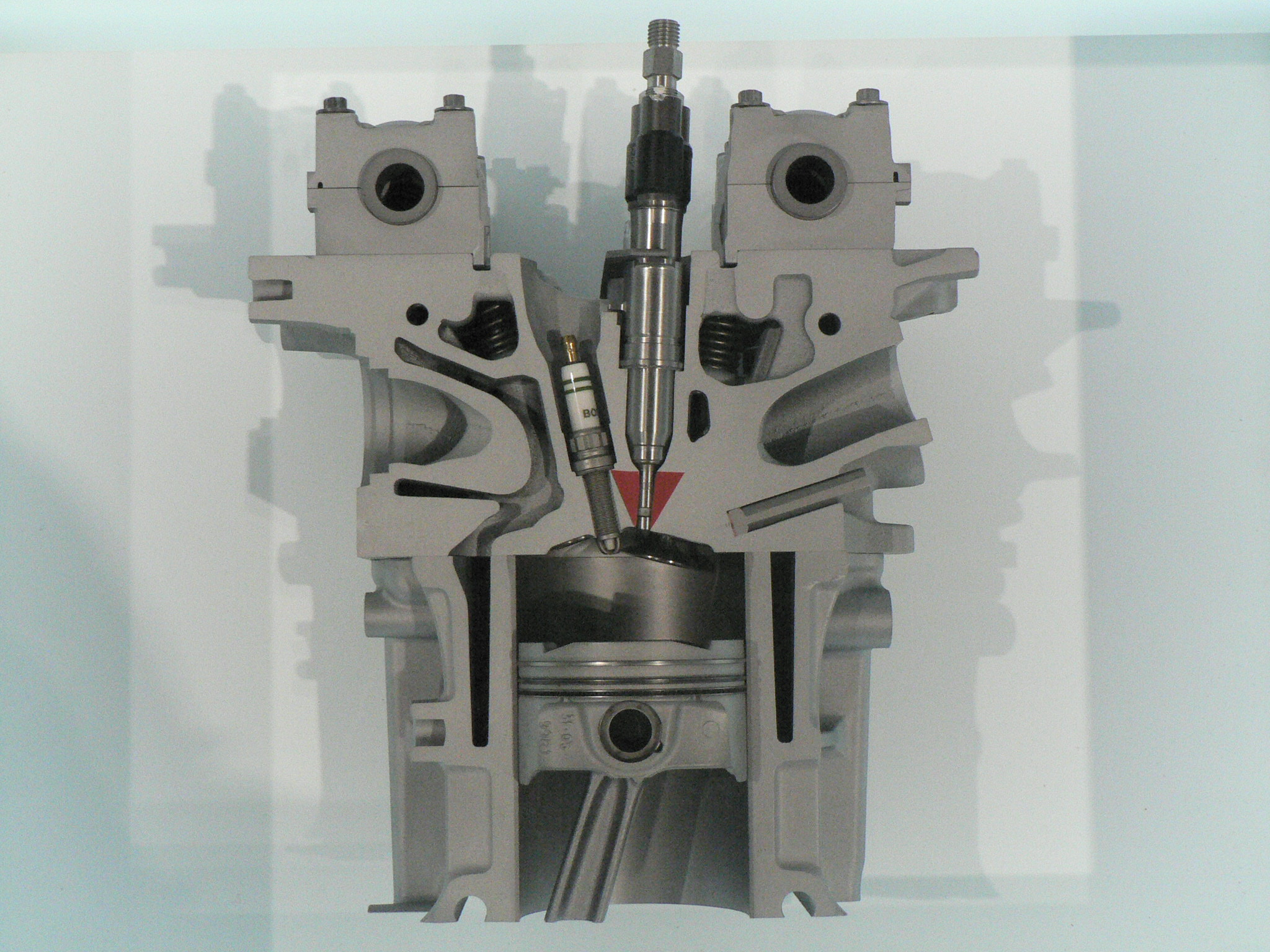
The biggest difference between today’s cars and vehicles from the 1980s and earlier comes down to fuel delivery systems. Carbureted engines required manual choke adjustments and needed time to reach proper operating temperatures before they could maintain smooth idle and acceleration.
Modern electronic fuel injection systems monitor dozens of sensors in real-time, including coolant temperature, air temperature, and throttle position. Your engine’s computer automatically adjusts the fuel mixture for cold starts without any warm-up period needed.
When you turn the key on a fuel-injected engine, the system immediately delivers the perfect air-fuel ratio for current conditions. This happens within seconds, not minutes.
The 30-Second Rule for Modern Engines
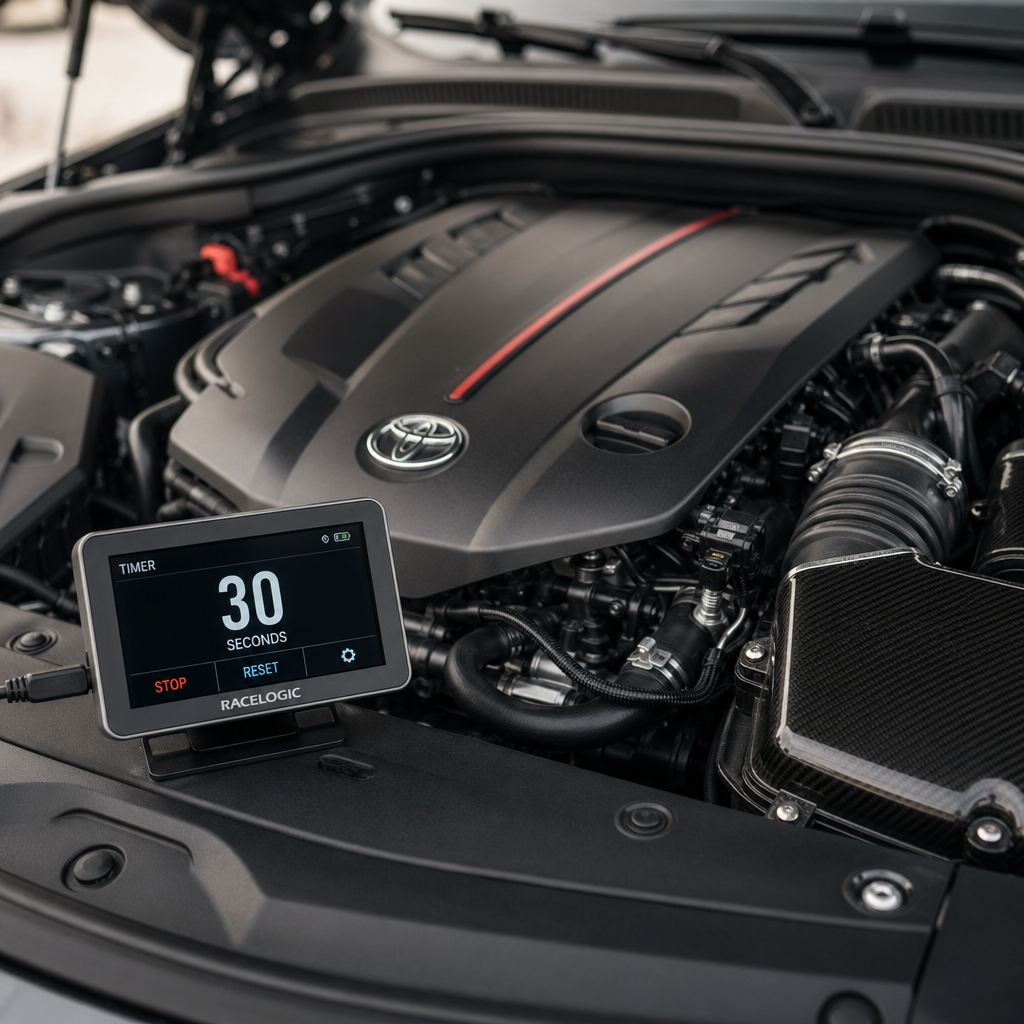
Today’s engines need just 30 seconds of idle time before you can drive away. This brief period allows oil pressure to build throughout the engine and ensures all systems are ready for normal operation.
After those initial 30 seconds, the best approach is to drive gently for the first few miles. Keep your RPMs below 3,000 and avoid heavy acceleration until your temperature gauge shows the engine has reached normal operating temperature.
This gentle driving approach actually warms your engine faster and more evenly than sitting in your driveway. Moving parts generate heat through normal friction, and your cooling system circulates that warmth throughout the engine block more effectively under light load conditions.
Why Extended Idling Damages Your Engine
Extended idling creates several problems that can shorten your engine’s lifespan. The most serious issue involves how fuel combustion affects your cylinder walls during prolonged idle periods.
When gasoline burns incompletely during idle conditions, it can wash oil off the cylinder walls. This oil film provides crucial lubrication between your pistons and cylinders. Without adequate lubrication, these metal surfaces experience increased wear and potential scoring.
Cold engines run rich fuel mixtures, meaning they inject more gasoline than needed for optimal combustion. This excess fuel can dilute your motor oil, reducing its protective properties and requiring more frequent oil changes.
Carbon deposits also build up faster during extended idle periods. Your engine’s computer richens the fuel mixture when cold, but this extra fuel doesn’t burn completely at idle speeds. These deposits accumulate on intake valves, fuel injectors, and combustion chambers.
Real-World Temperature Considerations
Even in extremely cold conditions, modern engines don’t benefit from long warm-up periods. Synthetic motor oils flow effectively at temperatures as low as -40°F, ensuring proper lubrication immediately after startup.
Your engine block heater provides a better solution for extreme cold climates. These devices warm the coolant and oil while your car is parked, eliminating the stress of cold starts entirely. Most block heaters cost between check current prices and plug into standard household outlets.
If your region regularly sees temperatures below 0°F, consider switching to a lower viscosity oil like 0W-20 or 0W-30. These oils flow more easily in cold conditions while still providing adequate protection at operating temperatures.
What About Older Vehicles
Cars built before the mid-1990s may still benefit from brief warm-up periods, particularly if they have carburetors or early fuel injection systems. However, even these older engines rarely need more than 2-3 minutes of idle time.
Vehicles with mechanical fuel pumps or single-point throttle body injection systems fall into this category. These systems lack the sophisticated sensors and computer controls found in modern multi-point fuel injection setups.
Check your owner’s manual for specific recommendations. Most manufacturers provide cold-weather starting procedures that reflect their engine’s particular requirements.
Environmental and Fuel Economy Impact
Extended idling wastes significant amounts of fuel while producing unnecessary emissions. A typical car burns about half a gallon of fuel per hour while idling, meaning a 15-minute warm-up routine consumes roughly an eighth of a gallon every morning.
Over a winter season, this habit can waste 15-20 gallons of gasoline while contributing nothing to your vehicle’s performance or longevity. With current fuel prices, you’re essentially burning money in your driveway.
Modern catalytic converters also work more effectively when they reach operating temperature quickly. Gentle driving heats these emissions control devices faster than idling, reducing your vehicle’s environmental impact.
Transmission and Other Components
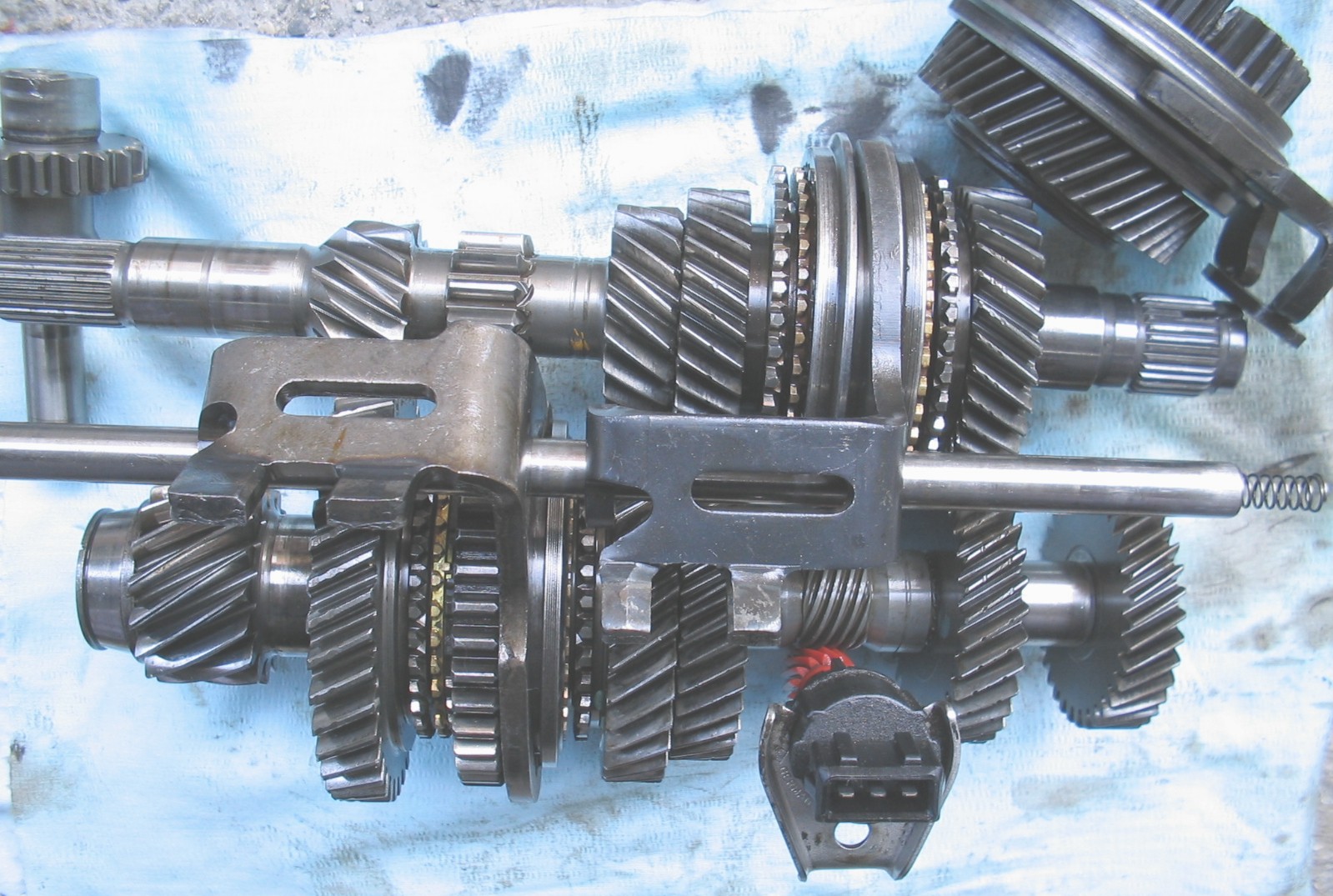
Your transmission, differential, and other drivetrain components also benefit from gentle driving rather than extended idling. These parts contain their own lubricants that warm up and circulate properly only when the vehicle is in motion.
Automatic transmissions use fluid pumps driven by the engine to circulate transmission fluid. This circulation improves when the transmission is in gear and operating under light loads.
Power steering systems, brake boosters, and air conditioning compressors also function better when they’re working normally rather than sitting idle. These components are designed for operation, not extended stationary running.
Common Myths About Engine Warm-Up
Many drivers believe their engine needs to reach full operating temperature before driving. This misconception leads to 10-15 minute warm-up routines that provide no benefit to modern vehicles.
Another common myth suggests that cold engines suffer damage if driven immediately. While thermal shock can affect engines, the gradual warming that occurs during gentle driving actually reduces thermal stress compared to rapid temperature changes from extended idling.
Some people worry about their engine stalling if they don’t warm it up first. Modern fuel injection systems prevent this issue by automatically adjusting idle speed and fuel mixture based on engine temperature.
Best Practices for Cold Weather Starting
Start your engine and allow 30 seconds for oil pressure to stabilize. During this brief period, clear ice and snow from your windows, adjust your mirrors, and set your climate controls.
Drive away gently, keeping your engine RPMs below 3,000 for the first few miles. Avoid heavy acceleration, high speeds, or towing loads until your temperature gauge shows normal operating temperature.
Use your engine block heater when temperatures drop below 10°F. These devices warm your engine overnight, eliminating cold-start stress while reducing emissions and fuel consumption.
Keep your gas tank at least half full during winter months. This practice prevents fuel line freeze-up and ensures you have adequate fuel for unexpected delays or emergencies.
When Professional Help Makes Sense
If your modern vehicle requires extended warm-up periods to run smoothly, underlying problems may need professional diagnosis. Issues with fuel injectors, oxygen sensors, or engine management systems can cause poor cold-weather performance.
Rough idling, stalling, or hesitation during cold starts indicates potential problems that won’t improve with longer warm-up periods. These symptoms often point to maintenance needs or component failures that require proper repair.
Your mechanic can perform fuel system cleaning, update engine software, or replace faulty sensors to restore proper cold-weather operation. These repairs address root causes rather than masking symptoms with extended idling.
Frequently Asked Questions
How long should I let my fuel-injected car warm up?
Modern fuel-injected engines need only 30 seconds of idle time before driving. This allows oil pressure to build and ensures all systems are ready for operation. After 30 seconds, drive gently for the first few miles while your engine reaches normal operating temperature.
Will driving immediately damage my cold engine?
Gentle driving after a 30-second warm-up period won’t damage modern engines. Electronic fuel injection systems automatically adjust for cold conditions, and synthetic motor oils provide immediate lubrication. Avoid high RPMs and heavy loads until your engine reaches operating temperature.
Does extended idling help my engine last longer?
Extended idling actually shortens engine life by washing oil off cylinder walls and creating incomplete fuel combustion. Modern engines warm up faster and more evenly through gentle driving, which provides better lubrication circulation and reduces carbon deposit formation.
What about extremely cold weather below zero?
Even in sub-zero temperatures, modern engines don’t need extended warm-up periods. Use an engine block heater for temperatures below 10°F, and consider lower viscosity motor oil for improved cold-weather flow. The 30-second rule still applies, followed by gentle driving until the engine reaches operating temperature.
Leave a Reply