
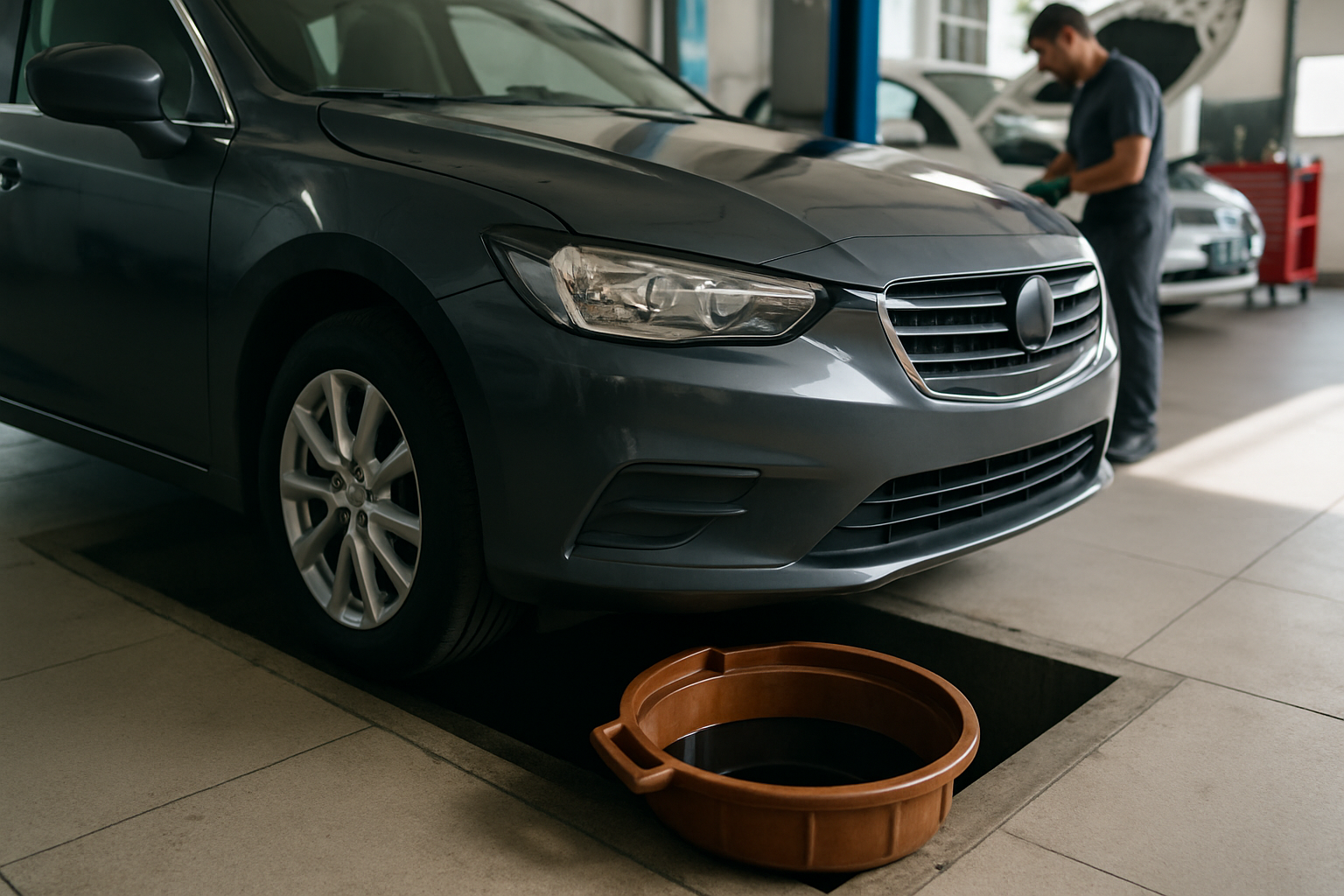
Every car owner faces this monthly dilemma: drop $30-60 at a quick lube shop or spend a Saturday afternoon getting their hands dirty. With oil change costs climbing and DIY supplies more accessible than ever, understanding the real numbers behind both options can save you hundreds of dollars each year.
The decision isn’t just about immediate costs. Your time, skill level, and long-term maintenance goals all factor into which approach makes financial sense for your situation.
Breaking Down the Real Costs of DIY Oil Changes
When you change your own oil, you’re paying for three main components: the oil itself, the filter, and proper disposal of the old oil. These costs vary significantly based on your vehicle’s requirements and where you shop.
Conventional oil typically runs $3-5 per quart at auto parts stores, while full synthetic can cost $6-10 per quart. Most vehicles need between 4-6 quarts, putting your oil cost between $12-60 depending on your choice and engine size.
Oil filters range from $8-25 for most passenger vehicles. Premium filters with better filtration media cost more, but they often provide better protection for your engine. Don’t forget the drain plug gasket, which costs about $1-2 and should be replaced each time.
Disposal fees vary by location. Many auto parts stores accept used oil for free, while some charge $2-5. Factor in the cost of a drain pan ($15-30 one-time purchase) and basic tools if you don’t already own them.
What Quick Lube Services Actually Cost
Quick lube prices have increased substantially over the past few years. Basic conventional oil changes now range from $25-45 at chain shops, while full synthetic services can cost $60-90 or more.
Premium locations and dealerships often charge even higher rates. European and luxury vehicles face particularly steep costs, with some synthetic oil changes exceeding $100 at dealership service centers.
These prices typically include the oil, filter, basic inspection, and disposal. However, many shops push additional services like air filters, cabin filters, or transmission flushes that can double or triple your final bill.
The Hidden Costs Most People Forget
DIY oil changes require more than just oil and filters. You’ll need proper tools including a socket set, oil drain pan, funnel, and potentially ramps or jack stands. This initial investment can range from $75-150 but spreads across dozens of oil changes.
Time represents another significant cost. A DIY oil change typically takes 30-60 minutes once you’re experienced, plus travel time to purchase supplies and dispose of old oil. Quick lube shops usually complete the service in 15-30 minutes.
Storage space for supplies and tools adds another consideration. You’ll need room for several quarts of oil, spare filters, and equipment. Apartment dwellers or those with limited garage space may find this challenging.
When DIY Actually Saves Money
DIY oil changes become profitable after your third or fourth service once you’ve recouped tool costs. The savings multiply significantly if you drive multiple vehicles or perform frequent oil changes.
High-mileage drivers benefit most from the DIY approach. If you change oil every 3,000-5,000 miles and drive 15,000+ miles annually, you could save $150-300 per year per vehicle.
Luxury and European vehicles show the biggest savings potential. When dealerships charge $80-120 for synthetic oil changes, doing it yourself for $35-45 in materials creates substantial long-term savings.
Bulk purchasing further improves the economics. Buying oil by the case during sales and stocking up on filters during promotions can reduce per-change costs by 20-30%.
Essential Supplies for DIY Oil Changes
Getting started with DIY oil changes requires the right equipment. Quality tools make the job easier and safer while lasting for years of regular use.
A good drain pan holds 6-8 quarts and features a pour spout for mess-free disposal. Look for models with wide openings to catch oil flow from different angles. Some include measurement marks to verify how much oil you’ve drained.
Car ramps provide safer, more comfortable access than jack stands for oil changes. They’re stable, quick to set up, and eliminate the risk of improper jack placement. Choose ramps rated for your vehicle’s weight with good traction surfaces.
For convenient DIY maintenance, consider complete oil change kits with ramps and drain pans that include everything you need in one purchase. These bundled sets often cost less than buying components separately while ensuring compatibility between parts.
Time Investment: The Make-or-Break Factor
Your first DIY oil change might take 90 minutes or more as you locate the drain plug, figure out filter removal, and navigate the learning curve. Experienced DIYers complete the same job in 20-30 minutes.
Quick lube shops save time but often require appointments or waiting in line. Factor in drive time to the shop, potential delays, and the upsell pitch for additional services when calculating total time investment.
Consider your hourly earnings when evaluating time costs. If you earn $30 per hour and spend an extra 45 minutes on DIY versus quick lube, that’s $22.50 in opportunity cost that reduces your savings.
Quality Control: What You Gain with DIY
Changing your own oil guarantees you know exactly what products go into your engine. You can choose premium synthetic oils, high-quality filters, and replace the drain plug gasket every time.
Quick lube shops sometimes use lower-grade oils than advertised or skip steps like replacing drain plug gaskets. You’ll never wonder if they actually put in the full amount of oil or properly tightened the drain plug.
DIY maintenance also lets you inspect your vehicle more thoroughly. You’ll notice leaks, worn components, or other issues that might go undetected with quick service visits.
When Professional Service Makes More Sense
Some situations favor professional oil changes despite higher costs. Vehicles with difficult-to-access drain plugs or filters mounted in awkward locations can make DIY changes frustrating and time-consuming.
Warranty considerations matter for newer vehicles. While you can legally change your own oil under warranty, keeping professional service records provides clearer documentation if engine problems develop.
Environmental disposal becomes easier with professional service. They handle used oil and filters properly without requiring trips to recycling centers or auto parts stores.
The Math: Real-World Savings Examples
For a typical sedan requiring 5 quarts of conventional oil, DIY costs break down to approximately $20-25 per change after initial tool purchase. Comparable quick lube service costs $35-45, creating $15-20 savings per oil change.
A luxury SUV requiring 7 quarts of full synthetic oil costs about $45-55 in DIY materials versus $75-95 at professional shops. This generates $30-40 savings per service.
Over five years with oil changes every 6 months, the sedan owner saves $150-200 while the SUV owner saves $300-400. These numbers increase significantly for high-mileage drivers or multiple vehicle households.
Frequently Asked Questions
Will changing my own oil void my vehicle’s warranty?
Federal law protects your right to perform basic maintenance like oil changes without voiding warranty coverage. Keep receipts for oil and filters as proof you used appropriate specifications. The manufacturer cannot void warranty coverage solely because you changed your own oil.
How do I know what type of oil my car needs?
Check your owner’s manual for the manufacturer’s oil viscosity recommendation (like 5W-30 or 0W-20). The manual also specifies whether conventional, synthetic blend, or full synthetic oil is required. When in doubt, full synthetic provides better protection but costs more.
What should I do with used oil and filters?
Most auto parts stores, quick lube shops, and municipal recycling centers accept used motor oil and filters for free. Never pour used oil down drains or onto the ground. One quart of oil can contaminate up to 250,000 gallons of water.
How often should I really change my oil?
Follow your vehicle manufacturer’s recommendations, typically found in the owner’s manual or maintenance schedule. Modern vehicles with synthetic oil often go 7,500-10,000 miles between changes. Severe driving conditions like frequent short trips, extreme temperatures, or dusty conditions may require more frequent changes.



Leave a Reply