
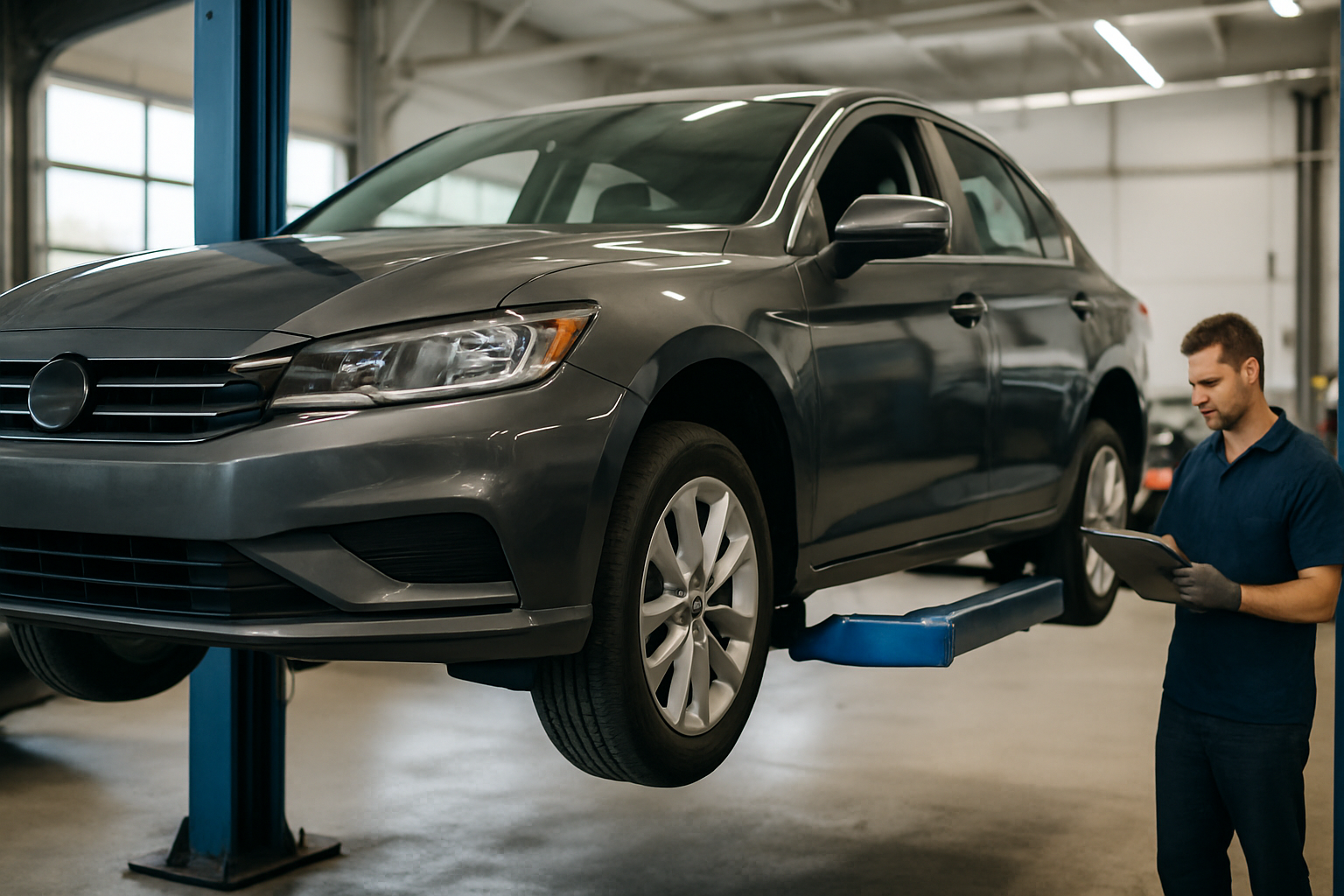
Car repairs can drain your wallet faster than a leaky radiator drains coolant. Between inflated labor costs, marked-up parts, and unnecessary services, many drivers end up paying hundreds or even thousands more than they should.
You don’t have to become a mechanic to protect yourself from overpriced repairs and shady practices. With the right knowledge and approach, you can save significant money while still getting quality work done on your vehicle.
Understanding Common Repair Shop Tactics
Before diving into money-saving strategies, you need to recognize how some shops inflate costs. The most common tactic involves recommending services you don’t actually need. A shop might claim your brake fluid needs flushing when it’s still perfectly clear, or suggest replacing parts that have plenty of life left.
Another red flag is when a shop quotes you for premium parts but installs cheaper alternatives without reducing the price. Some places also pad labor hours, charging you for three hours of work when the job actually took 90 minutes.
Shops sometimes create urgency around non-critical repairs. They’ll tell you that worn brake pads need immediate replacement when you actually have several thousand miles left. This pressure tactic catches many drivers off guard.
Get Multiple Quotes for Major Repairs
Never accept the first quote for expensive repairs without shopping around. Call at least three different shops and provide identical information about your car’s symptoms and any diagnostic codes.
When requesting quotes, be specific about what you want. Don’t just say “my brakes are squeaking.” Instead, mention details like when the noise occurs, whether it happens during light or heavy braking, and if you feel any vibration in the pedal.
Write down each shop’s quote, including parts costs and labor hours. You’ll often find significant price differences. A brake job that costs $800 at one shop might be $450 at another using the same quality parts.
Don’t automatically choose the cheapest option though. Compare what’s included in each quote. The lowest bidder might be cutting corners on parts quality or skipping important steps.
What to Ask When Getting Quotes
Request a breakdown of parts and labor costs separately. This helps you spot shops that heavily mark up parts. Also ask about the specific brand of parts they’ll use. There’s a big difference between OEM, aftermarket, and rebuilt components.
Find out their labor rate per hour and how many hours they estimate for the job. You can cross-reference repair times using online databases like AllData or Mitchell to see if their estimate seems reasonable.
Ask if they guarantee their work and for how long. Reputable shops typically offer warranties on both parts and labor, usually ranging from 12 months to 36 months depending on the repair.
Understand the Diagnosis Before Agreeing to Repairs
Many expensive repair bills start with incomplete or rushed diagnoses. When your check engine light comes on, don’t let a shop immediately start replacing parts based on a single diagnostic code.
Diagnostic trouble codes point to systems that aren’t working properly, but they don’t always identify the exact failed component. Code P0300 indicates random misfires, but the actual problem could be spark plugs, ignition coils, fuel injectors, or even carbon buildup.
Request a detailed explanation of their diagnostic process. A thorough diagnosis often involves multiple tests and measurements, not just plugging in a code reader. Good technicians will test components individually rather than guessing.
You can purchase your own basic OBD2 scanner for $25-50 to read codes before visiting a shop. This prevents them from charging you $100+ just to tell you what code triggered your check engine light.
Questions to Ask About the Diagnosis
Ask the technician to explain exactly what’s wrong with your car in simple terms. If they can’t explain it clearly, they might not fully understand the problem themselves.
Request to see any failed parts or diagnostic test results. A legitimate shop won’t hesitate to show you a broken component or explain their test findings.
Find out if they performed any additional testing beyond reading codes. Complex problems require systematic testing to isolate the root cause rather than throwing parts at symptoms.
Always Request Your Old Parts Back
This simple request protects you from several common scams. First, it ensures the shop actually replaces the parts they’re charging you for. Some dishonest places will clean and reinstall your old parts while billing you for new ones.
Second, getting your old parts back lets you verify they were actually worn out or broken. You might discover that your “failed” alternator still looks brand new, suggesting unnecessary replacement.
Make this request upfront when approving repairs. Tell them you want all replaced parts returned to you. Legitimate shops have no problem with this, while sketchy ones might make excuses.
When you get the old parts, examine them closely. Brake pads should show obvious wear if they needed replacement. Failed electronic components might have visible damage like burnt circuits or cracked housings.
What to Look for in Returned Parts
Brake components should show clear signs of wear or damage. Pads worn down to the metal backing or rotors with deep grooves justify replacement. If the parts look fine, ask for detailed explanation.
Belts and hoses should display cracking, fraying, or other deterioration if they truly needed replacement. A belt that looks new probably didn’t require changing.
Electronic parts are harder to evaluate visually, but you can sometimes spot obvious damage like melted plastic, corrosion, or burnt components.
Independent Shops vs. Dealerships
Both independent shops and dealerships have advantages depending on your situation. Dealerships typically charge more for labor and parts but offer specialized knowledge for your specific make and model.
Independent shops usually have lower overhead costs, translating to savings for customers. Many independent technicians have decades of experience and can work on multiple brands effectively.
For routine maintenance like oil changes, brake service, and tire rotations, independent shops often provide better value. Dealerships make sense for complex warranty work or recalls that require special tools and procedures.
Consider the age of your vehicle when choosing. Newer cars still under warranty might need dealership service to maintain coverage. Older vehicles often get better treatment at independent shops that specialize in high-mileage cars.
Finding Quality Independent Shops
Look for shops with ASE-certified technicians and positive reviews from multiple sources. Check their Better Business Bureau rating and ask friends for recommendations.
Visit the shop before committing to major work. Clean, organized facilities with modern equipment usually indicate professional operations. Cluttered shops with ancient tools might cut corners.
Ask about their warranty policies and whether they use quality parts. Shops confident in their work will guarantee repairs for reasonable periods.
Bring Your Own Parts
You can save 30-50% on parts costs by purchasing them yourself from online retailers or parts stores. This works especially well for maintenance items like oil filters, air filters, and spark plugs.
Research the exact part numbers for your vehicle using resources like RockAuto, AutoZone, or your owner’s manual. Don’t rely on generic fitment guides that might recommend wrong parts.
Buy from reputable suppliers and keep all receipts. Some shops won’t warranty customer-supplied parts, while others will warranty their labor but not the parts themselves.
This strategy works best for routine maintenance and common repairs. Avoid bringing your own parts for complex diagnostics where the wrong component could cause additional problems.
Best Parts to Buy Yourself
Oil filters, air filters, and cabin filters offer huge savings with minimal risk. These simple components are hard to install incorrectly and cost much less online.
Spark plugs, belts, and basic maintenance items also provide good savings opportunities. Make sure you get the exact specifications recommended for your engine.
Avoid bringing your own parts for complex electrical components or emissions-related items where compatibility is critical.
Learn Basic Maintenance Tasks
You don’t need to become an expert mechanic, but learning simple maintenance saves hundreds annually. Oil changes, air filter replacement, and basic inspections are within most people’s capabilities.
Start with your owner’s manual to understand maintenance schedules and procedures. YouTube offers countless tutorials for basic automotive tasks, though verify information with multiple sources.
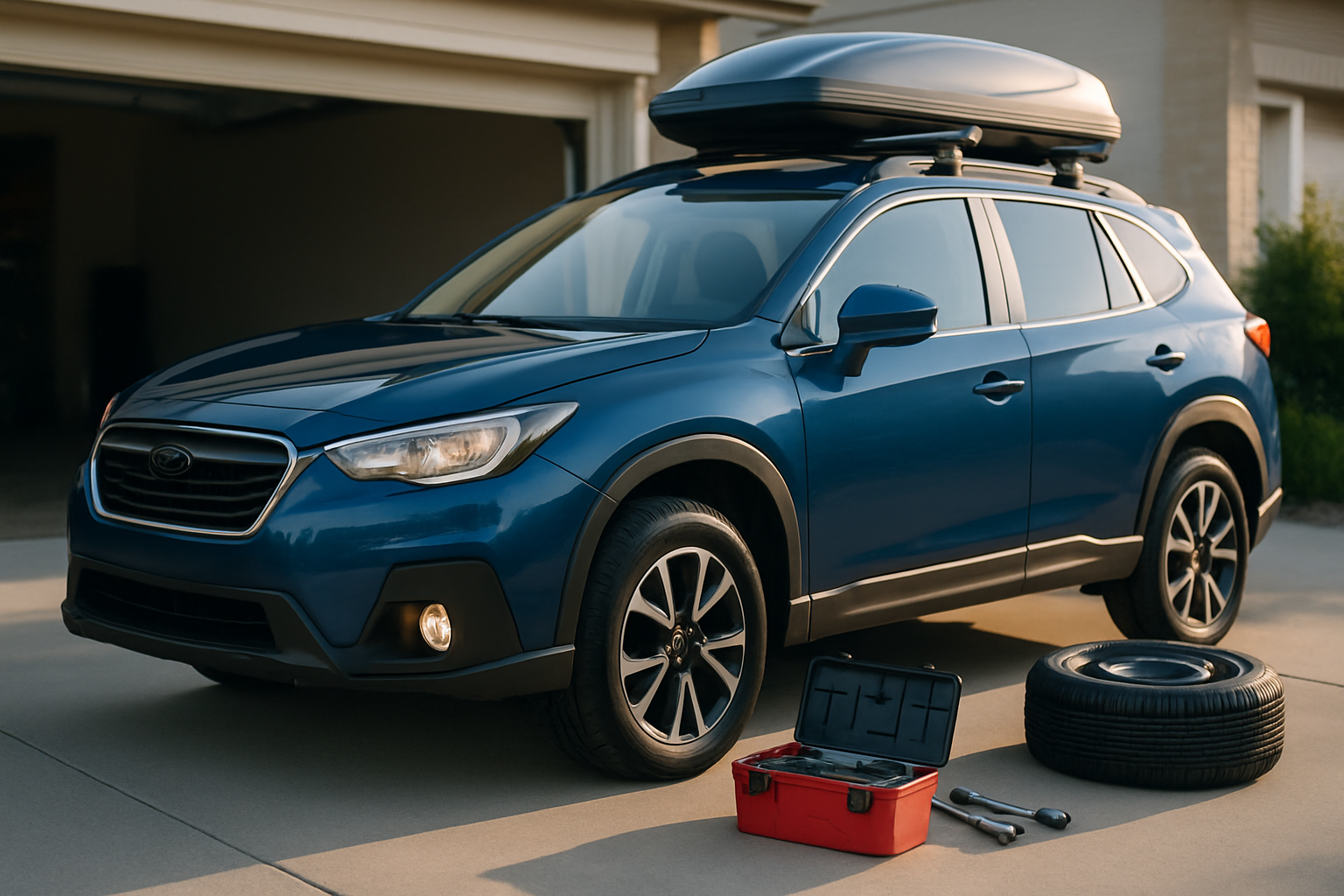
Invest in basic tools gradually. A socket set, oil drain pan, and jack stands will pay for themselves quickly through avoided shop visits.
Focus on high-frequency, low-risk tasks first. Oil changes happen every 5,000-10,000 miles and are relatively simple. Complex repairs requiring special tools are better left to professionals.
Maintenance Tasks Worth Learning
Oil and filter changes can save $30-50 per service. With proper tools and disposal methods, this becomes routine after a few attempts.
Air filter replacement takes minutes and saves $20-40 each time. Most filters simply lift out of a plastic housing without any tools required.
Tire rotation extends tire life and prevents irregular wear patterns. This service costs $50-80 at shops but requires only basic tools at home.
Timing Your Repairs Strategically
Auto repair shops experience seasonal fluctuations in business. Winter brings more battery failures and heating system problems, while summer increases air conditioning work.
Schedule non-urgent repairs during slow periods when shops might offer better prices or more attention to your vehicle. Late spring and early fall often see reduced demand.
Avoid emergency repairs whenever possible by staying ahead of maintenance schedules. Emergency work always costs more and gives you less leverage in negotiations.
Group multiple repairs together when practical. Shops often reduce labor charges when they can address several issues during one visit.
Know When to Walk Away
Sometimes the best way to save money is avoiding a particular shop entirely. Trust your instincts if something feels wrong about their approach or pricing.
Excessive pressure to make immediate decisions is a major red flag. Legitimate shops understand that customers need time to consider expensive repairs.
Be especially cautious of shops that find numerous expensive problems during routine services. While it’s possible your car needs extensive work, getting a second opinion protects against unnecessary repairs.
Don’t let sunk costs trap you into bad decisions. If you’ve already paid for diagnostics but don’t trust the shop’s recommendations, take your car elsewhere for the actual repairs.
Building Long-Term Relationships
Finding a trustworthy shop and building a relationship over time provides the best protection against scams and overcharging. Shops value repeat customers and often provide better service to familiar faces.
Start with small jobs to evaluate their work quality and pricing. If they handle routine maintenance well, gradually trust them with larger repairs.
Keep detailed records of all work performed on your vehicle. This helps you track maintenance schedules and provides valuable information for diagnosing future problems.
Don’t be afraid to ask questions or express concerns. Good shops appreciate educated customers who take interest in their vehicle’s maintenance and repair needs.
Car repairs don’t have to break your budget or leave you feeling taken advantage of. By getting multiple quotes, understanding diagnoses, requesting old parts, and building relationships with honest shops, you’ll save money while keeping your vehicle running reliably. The key is staying informed and never rushing into expensive repairs without proper research.


Leave a Reply