

Long-term car storage doesn’t have to result in expensive repairs and headaches when you return. Whether you’re deployed overseas, spending months traveling, or simply have a seasonal vehicle you won’t touch for half the year, proper preparation can save you thousands in damage and frustration.
Many car owners make critical mistakes when storing their vehicles, leading to dead batteries, seized engines, flat-spotted tires, and even rodent damage that can cost more to fix than the car is worth.
Why Long-Term Storage Requires Special Preparation
Your car wasn’t designed to sit motionless for months. Modern vehicles have computers and systems that slowly drain the battery even when parked. Fuel breaks down and creates varnish that clogs injectors. Tires develop permanent flat spots from supporting the vehicle’s weight in one position.
Even worse, rodents see your engine bay as prime real estate for nesting, chewing through expensive wiring harnesses and air intake systems. Insurance companies will still charge you full premiums for a car that’s not moving an inch.
Essential Battery Maintenance and Power Management
Your car’s battery will die within 4-8 weeks of sitting, even in perfect conditions. Modern vehicles have dozens of computers that never fully shut off, creating what’s called parasitic draw.
The solution is a battery tender, not a regular battery charger. Battery tenders maintain optimal charge levels without overcharging, while traditional chargers can damage your battery if left connected long-term.
Connect the battery tender’s positive clamp to the positive terminal and negative to negative. Many newer models have a quick-connect harness you can install permanently, allowing you to simply plug in the tender each time you park.
If you don’t have access to electrical outlets where the car is stored, disconnect the battery entirely. Remove the negative cable first, then the positive. Store the battery in a cool, dry place and charge it monthly with a regular charger.
Fuel System Protection and Stabilization
Gasoline starts breaking down within 30 days, creating gum and varnish that can clog your fuel injectors and damage your fuel pump. Ethanol-blended fuels are particularly problematic, absorbing moisture from the air and potentially separating from the gasoline.
Add fuel stabilizer to a nearly full tank before storage. Sta-Bil and Sea Foam are proven brands that prevent fuel degradation for up to 12 months. Fill the tank to 95% capacity to minimize air space where condensation can form.
Run the engine for 10-15 minutes after adding stabilizer to circulate the treated fuel through the entire system, including the fuel rails and injectors. This step is crucial because untreated fuel remaining in the lines can still cause problems.
For storage longer than 12 months, consider draining the fuel system entirely and running the engine until it stops. This prevents any fuel-related issues but requires more preparation when you’re ready to drive again.
Preventing Tire Flat Spots and Damage
Tires develop flat spots when they support the vehicle’s weight in one position for weeks or months. These flat spots cause vibrations and rough rides that may never fully disappear, even after driving.
Inflate your tires to the maximum pressure listed on the tire sidewall (not the door jamb sticker). Higher pressure reduces the contact patch and minimizes flat spotting. Check tire pressure monthly if possible, as tires naturally lose 1-2 PSI per month.
If you have access to the vehicle, move it forward or backward a few feet every two weeks. This changes the contact patch and prevents permanent flat spots from forming.
For valuable vehicles or very long storage periods, consider tire cradles or jack stands. Place jack stands under the vehicle’s designated lift points and allow the tires to hang freely. This completely eliminates flat spotting but requires more setup time.
Engine and Fluid Preparation
Change the engine oil and filter before storage, even if you’re not due for regular service. Used oil contains acids and contaminants that can damage internal engine components during extended periods of inactivity.
Run the engine to operating temperature after the oil change to circulate fresh oil through all components. This also burns off any moisture in the system that could cause corrosion.
Top off all other fluids including coolant, brake fluid, and power steering fluid. These fluids can absorb moisture over time, and low levels expose metal components to air and potential corrosion.
For storage periods longer than six months, consider adding a fuel system cleaner to help prevent injector clogging and carbon buildup.
Rodent Prevention and Pest Control
Mice and rats can cause thousands of dollars in damage by chewing wiring harnesses, building nests in air intake systems, and leaving droppings throughout the interior. Prevention is much cheaper than repair.
Remove all food items from the vehicle, including mints, protein bars, and anything with scent. Vacuum the interior thoroughly, paying special attention to areas where crumbs might hide.
Place mothballs or dryer sheets in the engine bay, trunk, and interior. Replace these every 30 days if possible. Peppermint oil on cotton balls is another natural deterrent that many rodents avoid.
Block potential entry points with steel wool or hardware cloth. Common entry points include the exhaust pipe, air intake, and gaps around the engine bay. Remove these blocks before starting the engine.
If storing in a garage, keep the area clean and eliminate food sources that might attract rodents to the vicinity.
Protective Covering and Environmental Protection
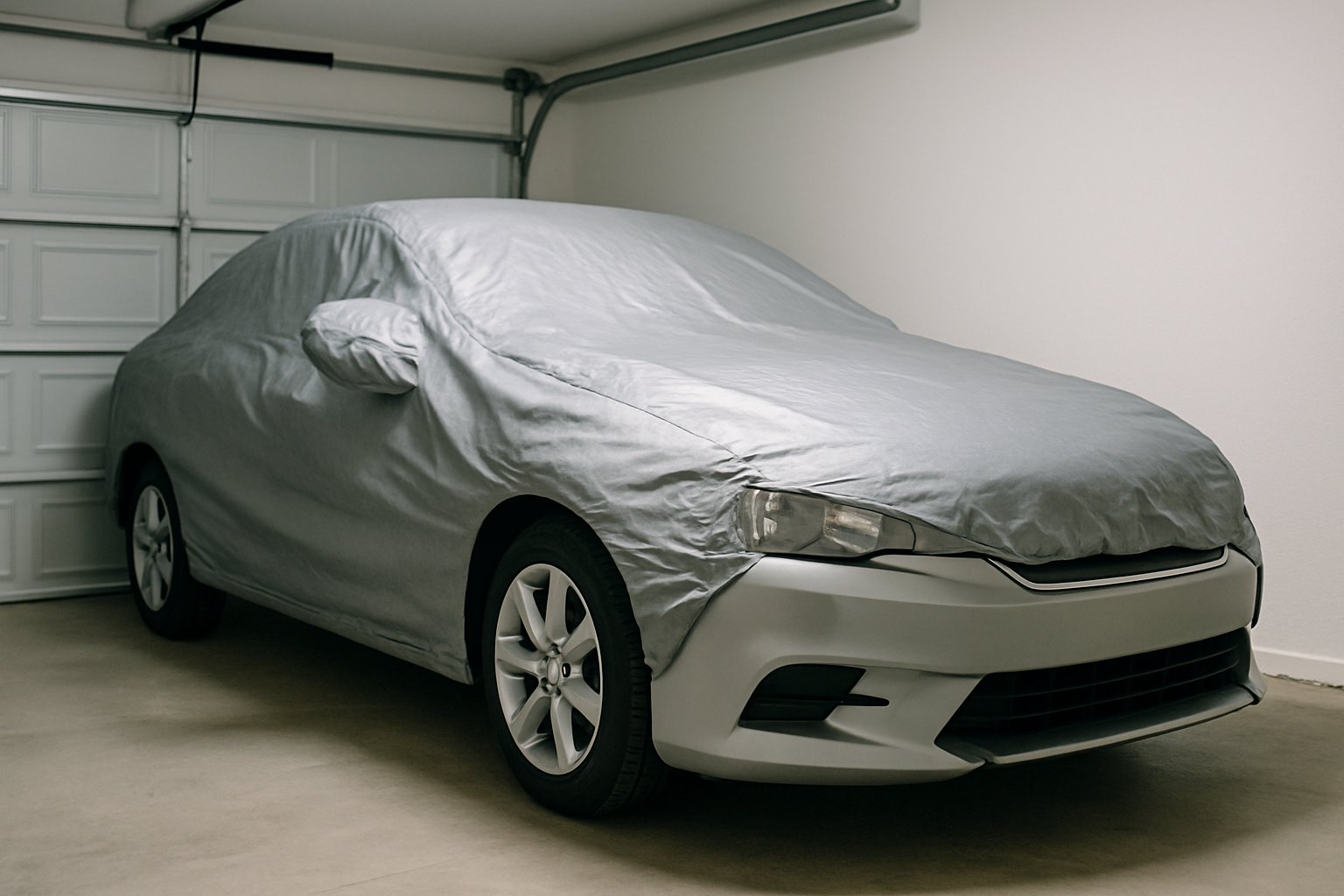
A quality car cover protects your vehicle from dust, UV damage, bird droppings, and moisture. Indoor and outdoor covers are designed differently, so choose the correct type for your storage location.
Outdoor covers need to be waterproof and UV-resistant, while indoor covers focus on breathability to prevent moisture buildup. Cheap covers can actually damage your paint by trapping moisture or scratching the surface.
Clean and wax your vehicle before covering it. Dirt and contaminants left on the paint can cause permanent damage over months of storage. A fresh coat of wax provides an additional protective barrier.
For outdoor storage, consider a carport or temporary garage structure if possible. Direct exposure to weather, even with a cover, is the most challenging storage environment.
Insurance and Legal Considerations
Contact your insurance company about storage options. Many insurers offer reduced premiums for vehicles in long-term storage, but requirements vary. Some require the vehicle to be in a locked garage, while others simply need verification that it won’t be driven.
Comprehensive coverage is typically required even during storage to protect against theft, vandalism, and weather damage. Liability coverage can often be suspended since you won’t be driving.
Don’t cancel insurance entirely unless you’re storing the vehicle on private property and won’t be driving it at all. Even a short test drive without insurance can result in serious legal and financial consequences.
Vehicle registration requirements vary by state for stored vehicles. Check your local DMV requirements to avoid penalties or complications when you’re ready to drive again.
Monthly Maintenance Checks During Storage
If possible, inspect your stored vehicle monthly. Look for signs of rodent activity, check tire pressure, and verify that your battery tender is working properly.
Document the vehicle’s condition with photos before storage and during monthly checks. This helps with insurance claims if damage occurs and helps you track any changes over time.
Avoid starting the engine unless you can drive the vehicle or run it long enough to reach full operating temperature. Short run times can actually cause more harm than good by introducing moisture into the system without burning it off.
Essential Equipment for Proper Car Storage
Having the right tools makes storage much easier and more effective. Battery tenders and trickle chargers are essential for maintaining your battery during long-term storage. Look for models with automatic shut-off and maintenance modes that prevent overcharging.
Quality fuel stabilizers, tire pressure gauges, and car covers are also important investments. These items pay for themselves by preventing much more expensive repairs later.
Preparing to Drive After Storage
Don’t just jump in and drive after months of storage. Check all fluid levels, inspect tires for flat spots or damage, and verify that rodent deterrents have been removed from exhaust pipes and air intakes.
Start the engine and let it idle for several minutes before driving. Listen for unusual noises and watch for warning lights. Take your first drive slowly and check that brakes, steering, and other systems are functioning normally.
Plan to service the vehicle shortly after returning it to regular use. Change fluids if they’ve been sitting for more than a year, and inspect belts, hoses, and other components that may have deteriorated during storage.
Frequently Asked Questions
How long can a car sit without being driven?
Without preparation, most cars will develop problems within 4-8 weeks. With proper storage techniques, vehicles can sit safely for 6-12 months or longer. The key is preparation and occasional maintenance checks.
Should I start my car periodically during storage?
Only if you can drive it or run it until fully warmed up. Short run times can actually cause more damage by introducing moisture and condensation without burning it off. A battery tender is better than periodic starting for maintaining the electrical system.
Can I store a car with a full tank of gas?
Yes, and you should. A full tank with fuel stabilizer prevents moisture accumulation and fuel degradation. Empty tanks can rust from moisture in the air, and partially full tanks have more air space for condensation to form.
What’s the biggest mistake people make with car storage?
Skipping the battery tender and fuel stabilizer. These two items prevent the most common and expensive storage-related problems. Dead batteries and fuel system damage account for the majority of storage-related repairs.
Leave a Reply