
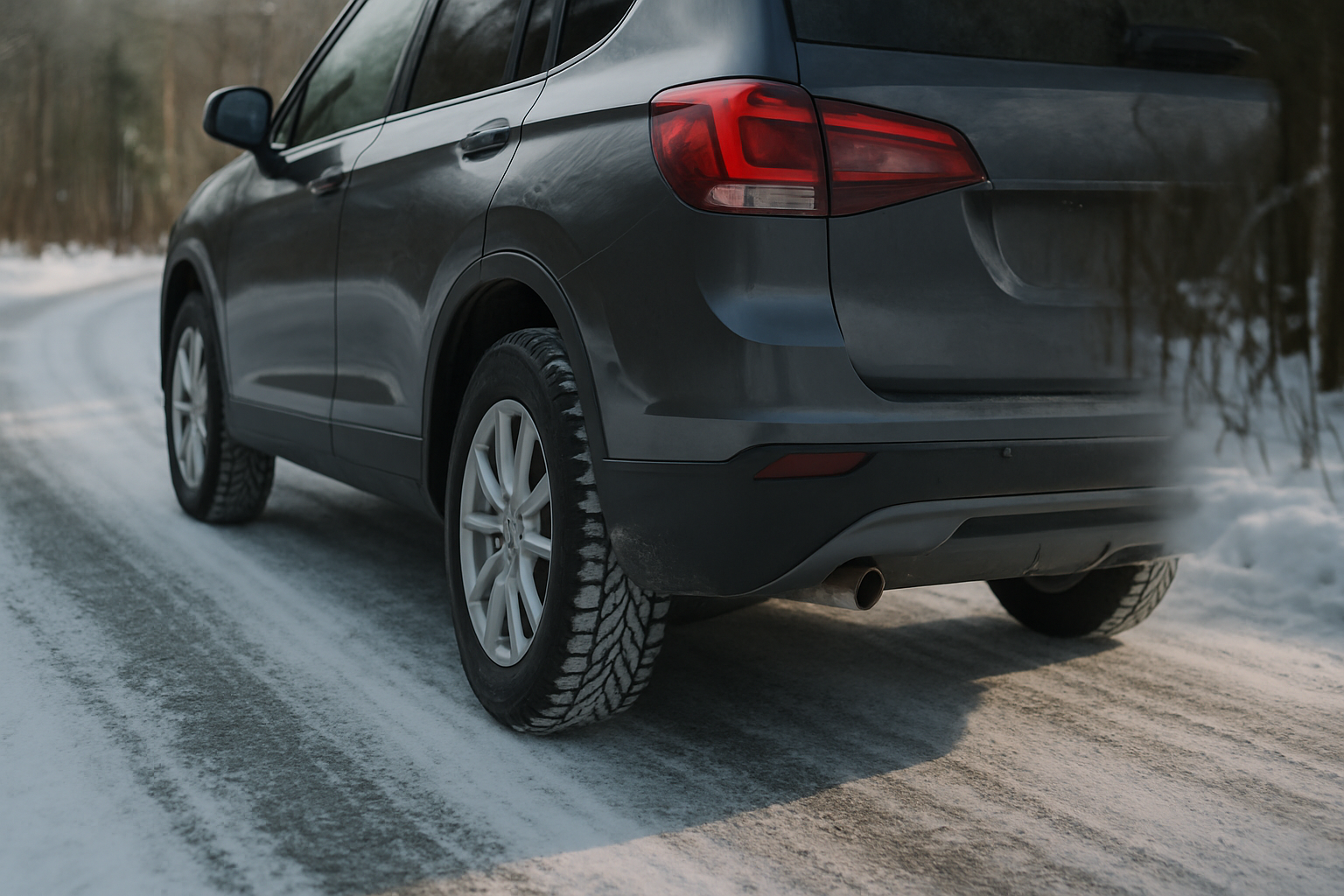
Every winter, drivers face the same question: do you really need to spend hundreds on dedicated winter tires, or can your all-seasons handle whatever Mother Nature throws at you? The answer depends on where you live, how you drive, and what you consider acceptable risk when the temperature drops.
Winter driving isn’t just about snow and ice. The rubber compounds in your tires behave completely differently once the thermometer hits 45°F, and understanding these differences could save your life.
How Temperature Affects Tire Performance
Your tires aren’t just rubber circles. They’re complex compounds engineered for specific temperature ranges, and physics doesn’t care about your budget.
All-season tires use a compromise compound designed to work reasonably well year-round. When temperatures drop below 45°F, this compound hardens significantly. Think of it like a hockey puck versus a racquetball. The harder compound loses flexibility, reducing the tire’s ability to conform to road surfaces and maintain grip.
Winter tires use specialized compounds with silica additives and polymers that stay flexible in cold temperatures. These compounds maintain their grip-enhancing properties down to well below freezing. The tread patterns also feature thousands of tiny cuts called sipes that create additional biting edges on snow and ice.
The Stopping Distance Reality Check
Consumer Reports and independent testing organizations consistently show dramatic differences in cold-weather stopping performance. On snow-covered roads at 30°F, winter tires can stop a vehicle traveling 60 mph in roughly 300-350 feet. Quality all-season tires need 400-450 feet for the same stop.
That extra 100 feet could be the difference between stopping at a red light and sliding into cross traffic. On ice, the difference becomes even more pronounced. Winter tires might stop in 500-600 feet from 60 mph, while all-seasons can require 700+ feet.
Temperature alone affects braking distance even without snow. Tests show that all-season tires lose approximately 10-15% of their dry pavement grip when temperatures drop from 70°F to 35°F. Winter tires actually improve slightly in these same conditions.
All-Season vs All-Weather vs Winter Tires
The tire industry has created some confusing terminology that makes choosing the right tire more complicated than necessary.
All-season tires are the standard equipment on most vehicles. They’re designed for spring, summer, and fall conditions with light winter capability. Most carry an M+S (Mud and Snow) marking, but this doesn’t indicate serious winter performance.
All-weather tires are a newer category that bridges the gap between all-seasons and winters. These tires carry the three-peak mountain snowflake symbol, indicating they meet industry standards for severe snow service. Brands like Nokian WRG4, Michelin CrossClimate2, and Goodyear Assurance WeatherReady fall into this category.
Winter tires are purpose-built for cold, snow, and ice. They all carry the three-peak mountain snowflake symbol and deliver maximum cold-weather performance. Popular options include Bridgestone Blizzak, Michelin X-Ice, and Continental WinterContact.
When All-Seasons Are Actually Fine
All-season tires can handle winter conditions in specific circumstances. Geography plays the biggest role in this decision.
If you live in areas where winter temperatures rarely drop below 45°F for extended periods, quality all-seasons will serve you well. Cities like Atlanta, Dallas, Phoenix, and most of California fall into this category. Occasional cold snaps don’t justify the expense and storage hassle of dedicated winter tires.
Urban drivers who rarely leave plowed roads might find all-seasons adequate even in colder climates. City snow removal crews typically clear major routes quickly, and the heat from traffic and buildings melts snow faster than rural areas.
All-seasons also make sense if you’re an extremely cautious winter driver who avoids driving in anything more than light snow. Some people simply park their cars during winter storms and wait for clear conditions.
Winter Tire Recommendations by Category
The winter tire market offers options for every driving style and budget. Winter and snow tires come in several categories designed for different winter conditions.
Studless ice and snow tires like the Bridgestone Blizzak WS90 and Michelin X-Ice Xi3 represent the most popular category. These provide excellent all-around winter performance without the road noise and pavement damage of studded tires.
Performance winter tires such as the Continental WinterContact SI and Pirelli Winter Sottozero maintain better dry road handling for sports cars and luxury vehicles. They sacrifice some snow traction for improved steering response and shorter dry stopping distances.
Studded tires offer maximum ice traction but create road noise and aren’t legal in all states. Some areas restrict studded tire use to specific winter months.
The All-Weather Compromise Solution
All-weather tires have gained popularity as a year-round solution for drivers who occasionally encounter winter conditions. These tires eliminate the twice-yearly mounting and balancing expense while providing legitimate winter capability.
The Michelin CrossClimate2 leads this category with impressive dry and wet performance plus genuine snow traction. The Nokian WRG4 offers similar capability with slightly better ice performance. Both carry the three-peak mountain snowflake symbol.
All-weather tires cost more than standard all-seasons but less than buying separate summer and winter sets. They’re ideal for drivers who face unpredictable weather or don’t want the hassle of seasonal tire changes.
Regional Considerations
Your local climate determines whether winter tires are necessary or optional. The Great Lakes region, Northeast, and mountain states experience conditions where winter tires provide significant safety benefits.
Some states and provinces legally require winter tires or chains during certain months. Quebec mandates winter tires from December through March. Many mountain passes in Colorado, California, and other western states require tire chains or winter-rated tires during snow season.
Insurance companies in some regions offer discounts for winter tire use, recognizing their accident prevention benefits. Check with your insurance provider about potential savings.
Installation and Storage Tips
Winter tires work best when mounted on dedicated wheels. This allows quick seasonal changes without mounting and balancing costs twice yearly. Steel wheels cost less than alloy but add unsprung weight. Many tire shops offer winter tire and wheel packages.
Proper storage extends tire life significantly. Clean tires before storage and keep them in a cool, dry location away from direct sunlight. Stack unmounted tires or hang them individually. Tires mounted on wheels should be stored inflated and either stacked or hung.
Most winter tires should be removed when temperatures consistently stay above 50°F. The soft compounds wear quickly on hot pavement and provide less grip than all-seasons in warm weather.
Cost Analysis
Winter tires represent a significant upfront investment, but the math isn’t as bad as it initially appears. A set of four winter tires costs $400-1200 depending on size and brand.
Winter tires don’t add to your annual tire budget if you alternate properly. Your all-season tires last longer because you’re not driving on them during winter months. Dedicated winter wheels add cost but save mounting fees and reduce tire damage from frequent mounting.
Compare the winter tire investment to potential accident costs, insurance deductibles, and missed work from winter weather incidents. Many drivers find the safety benefits justify the expense.
When to Make the Switch
Most tire experts recommend installing winter tires when daytime temperatures consistently stay below 45°F. This typically occurs in November for northern states and December for moderate climates.
Don’t wait for the first snowfall to make the change. Tire shops get extremely busy once winter weather arrives, and popular sizes sell out quickly. Schedule your winter tire installation in early fall for the best selection and service availability.
Spring changeover should happen when temperatures consistently stay above 50°F and snow is unlikely. This usually occurs in March or April depending on your location.
Frequently Asked Questions
Can I install just two winter tires?
Installing only two winter tires creates dangerous handling imbalances. If budget constraints limit you to two tires, put them on the rear axle regardless of drive type. This prevents dangerous oversteer situations where the rear end slides out during turns or braking.
Do I need winter tires with all-wheel drive?
All-wheel drive helps with acceleration and climbing but doesn’t improve stopping or turning. Winter tires provide better grip for braking and cornering, which all-wheel drive can’t address. Many AWD drivers develop false confidence and benefit significantly from winter tires.
How long do winter tires last?
Winter tires typically provide 3-4 seasons of use with average driving. Aggressive drivers or those covering high mileage might need replacement sooner. Proper storage and timely seasonal changes maximize tire life.
Are expensive winter tires worth the extra cost?
Premium winter tires generally offer better performance, longer tread life, and improved comfort compared to budget options. The performance difference between a $100 tire and $200 tire can be substantial in emergency situations. Consider your driving needs and safety priorities when choosing.

Leave a Reply