

Winter weather creates some of the most challenging driving conditions you’ll face all year. Getting stranded in snow, ice, or freezing temperatures can quickly turn dangerous without the right supplies. A well-stocked emergency kit keeps you prepared for whatever winter throws your way.
Why Winter Emergency Preparedness Matters
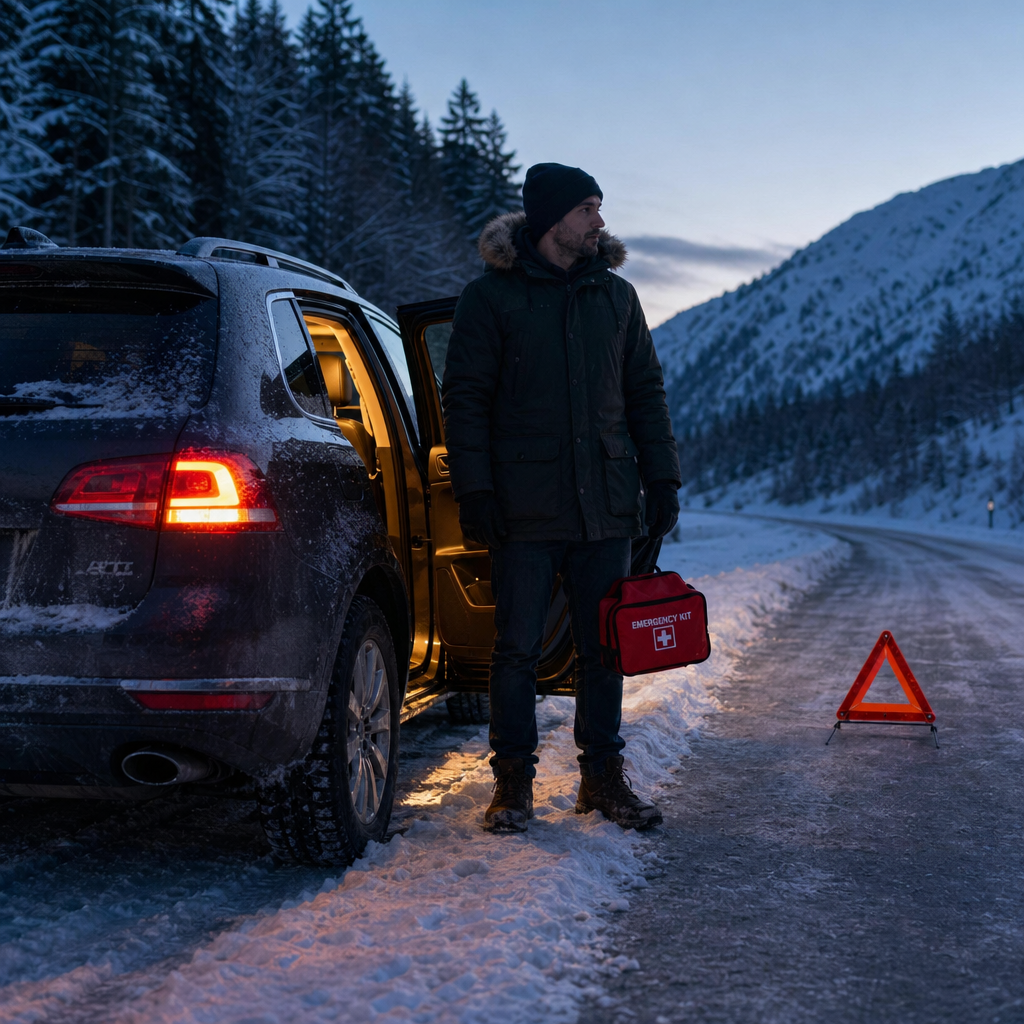
Winter breakdowns and accidents happen fast. Your battery dies in subzero temperatures, you slide into a ditch on black ice, or you get stuck in an unexpected snowstorm. Regular roadside assistance can take hours to arrive in severe weather, leaving you vulnerable to hypothermia and frostbite.
Emergency responders report a significant spike in weather-related incidents during winter months. Many of these situations become life-threatening simply because drivers weren’t prepared with basic survival supplies.
The items in your winter emergency kit serve two purposes: helping you get back on the road quickly and keeping you safe if you can’t. Every item should earn its place by addressing real winter driving hazards.
Essential Warmth and Shelter Items
Emergency Blankets
A quality emergency blanket tops the list of winter car essentials. You’ll want both a traditional wool or fleece blanket for comfort and a reflective space blanket for emergency warmth. Wool blankets retain heat even when damp, while space blankets reflect up to 90% of your body heat back to you.
Store blankets in waterproof bags to keep them dry. Wet blankets lose their insulating properties and can actually make hypothermia worse. Pack at least one blanket per person who regularly travels in your vehicle.
Extra Winter Clothing
Keep a complete set of winter gear in your trunk: insulated gloves, warm hat, extra socks, and a winter jacket. Even if you’re dressed for your destination rather than the weather, you’ll have proper gear for roadside emergencies.
Pack hand and foot warmers that activate when exposed to air. These small packets provide hours of supplemental heat and can prevent frostbite if you need to work outside your vehicle in extreme cold.
Lighting and Communication Equipment
Reliable Flashlight System
Winter emergencies often happen in low-light conditions. A dependable flashlight becomes critical for inspecting your vehicle, signaling for help, or navigating to safety. LED flashlights provide bright, long-lasting illumination that won’t drain batteries quickly in cold weather.
Pack extra batteries and store them separately from your flashlight. Cold temperatures reduce battery life significantly, so consider lithium batteries that perform better in freezing conditions. A headlamp keeps your hands free while working on your vehicle.
Phone Charger and Power Bank
Your smartphone connects you to emergency services, GPS navigation, and weather updates. Cold weather drains phone batteries faster, making a reliable charging solution essential. A 12V car charger works when your engine runs, but a portable power bank provides backup when your car won’t start.
Choose a power bank rated for cold weather operation. Some models shut down in freezing temperatures, leaving you without power when you need it most. Keep charging cables for every device you carry regularly.
Vehicle Recovery and Mobility Tools
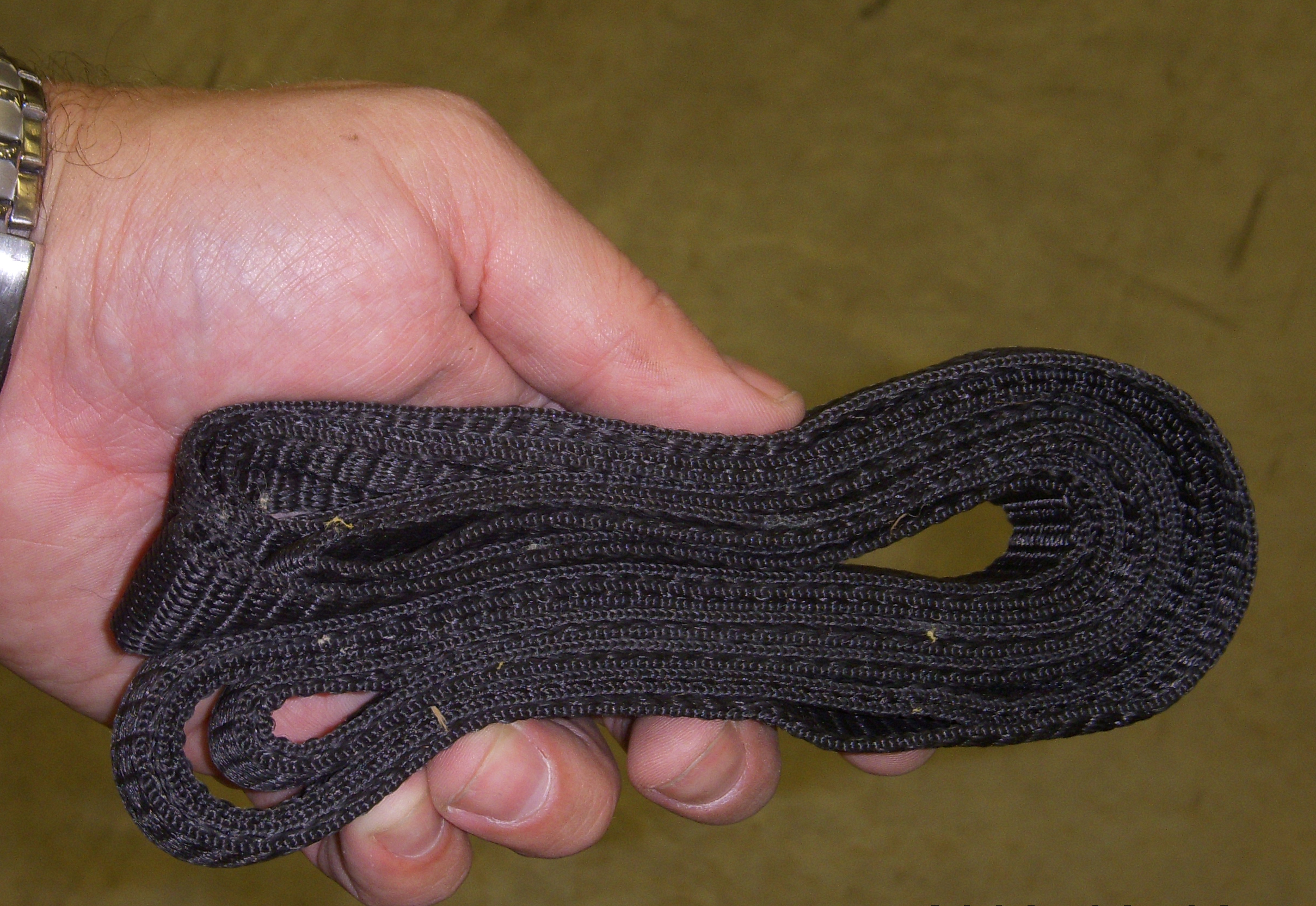
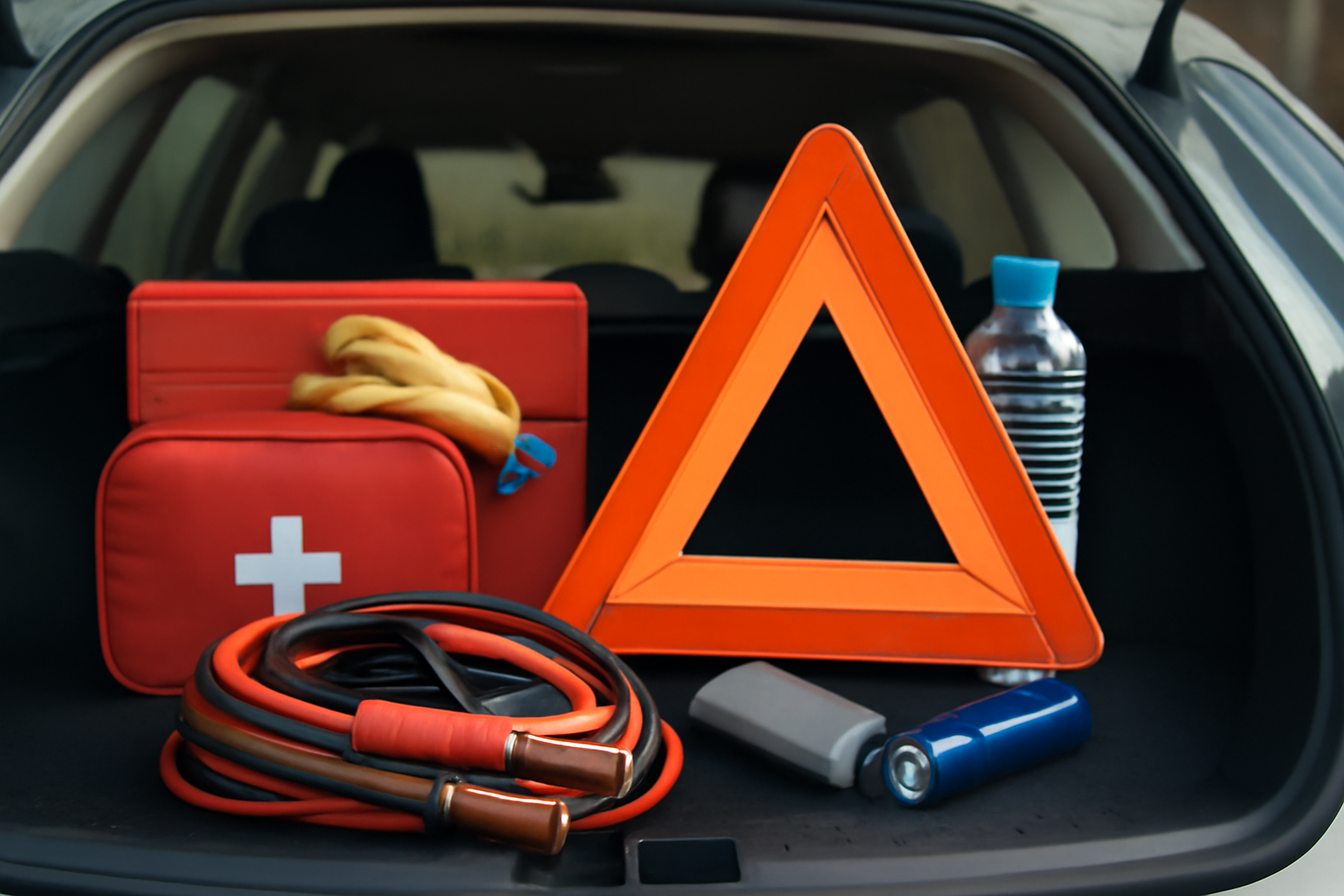
Jump Starter or Jumper Cables
Cold weather kills car batteries faster than any other condition. Chemical reactions inside batteries slow down dramatically in freezing temperatures, reducing their ability to provide starting power. A dead battery becomes almost inevitable during extended cold snaps.
Portable jump starters offer more flexibility than traditional jumper cables. You don’t need another vehicle to help, and many models include USB ports for charging devices plus built-in flashlights. Look for jump starters rated for your engine size and cold weather operation.
If you prefer traditional jumper cables, buy heavy-duty cables with thick gauge wire and strong clamps. Cheap cables can fail when you need them most, and inadequate wire gauge won’t transfer enough power to start your engine.
Traction Mats or Sand
Getting stuck in snow or ice is frustrating and potentially dangerous. Traction mats provide instant grip under your drive wheels, helping you escape most stuck situations without calling for help. These plastic or metal mats slide under your tires to create a solid surface for traction.
Alternatives include bags of sand, cat litter, or rock salt. These materials add weight to your trunk for better traction and can be spread around your tires when stuck. Sand works well in most conditions, while salt helps melt ice but can damage vegetation.
Ice Scraper and Snow Brush
You can’t drive safely with snow and ice covering your windows, lights, and mirrors. A quality ice scraper with a sturdy blade removes even thick ice without scratching your glass. Look for scrapers with foam grips that won’t freeze to your hands.
Snow brushes with extendable handles help you reach across wide windshields and clear snow from your roof. Leaving snow on your roof creates dangerous flying chunks that can blind following drivers or damage other vehicles.
Food, Water, and Medical Supplies
Non-Perishable Snacks
Your body needs fuel to generate heat and maintain energy during stressful situations. Pack high-energy snacks that won’t freeze or spoil in your car: granola bars, nuts, dried fruit, and crackers. Avoid chocolate and other items that become rock-hard in freezing temperatures.
Energy bars specifically designed for cold weather maintain their texture and nutritional value in extreme temperatures. Replace food items periodically to maintain freshness and check expiration dates during seasonal kit reviews.
Water and Hot Beverages
Dehydration happens quickly in cold, dry winter air. Store water in containers that won’t crack when frozen, or use freeze-resistant bottles designed for winter conditions. Insulated thermoses keep beverages warm for hours and provide comforting hot drinks during emergencies.
Instant coffee, tea, or hot chocolate packets paired with a thermos of hot water create warming beverages that boost morale and body temperature. Pack extra packets since hot drinks disappear quickly when you’re cold and stressed.
First Aid Kit
Winter accidents often involve cuts from ice, burns from hot metal, and injuries from slipping on frozen surfaces. Your first aid kit should include bandages, antiseptic wipes, pain relievers, and any prescription medications you take regularly.
Add items specific to cold weather injuries: instant cold packs for sprains, elastic bandages for support, and emergency blankets for shock treatment. Include a first aid manual with instructions for treating hypothermia and frostbite.
Emergency Signaling and Visibility
Road Flares or LED Beacons
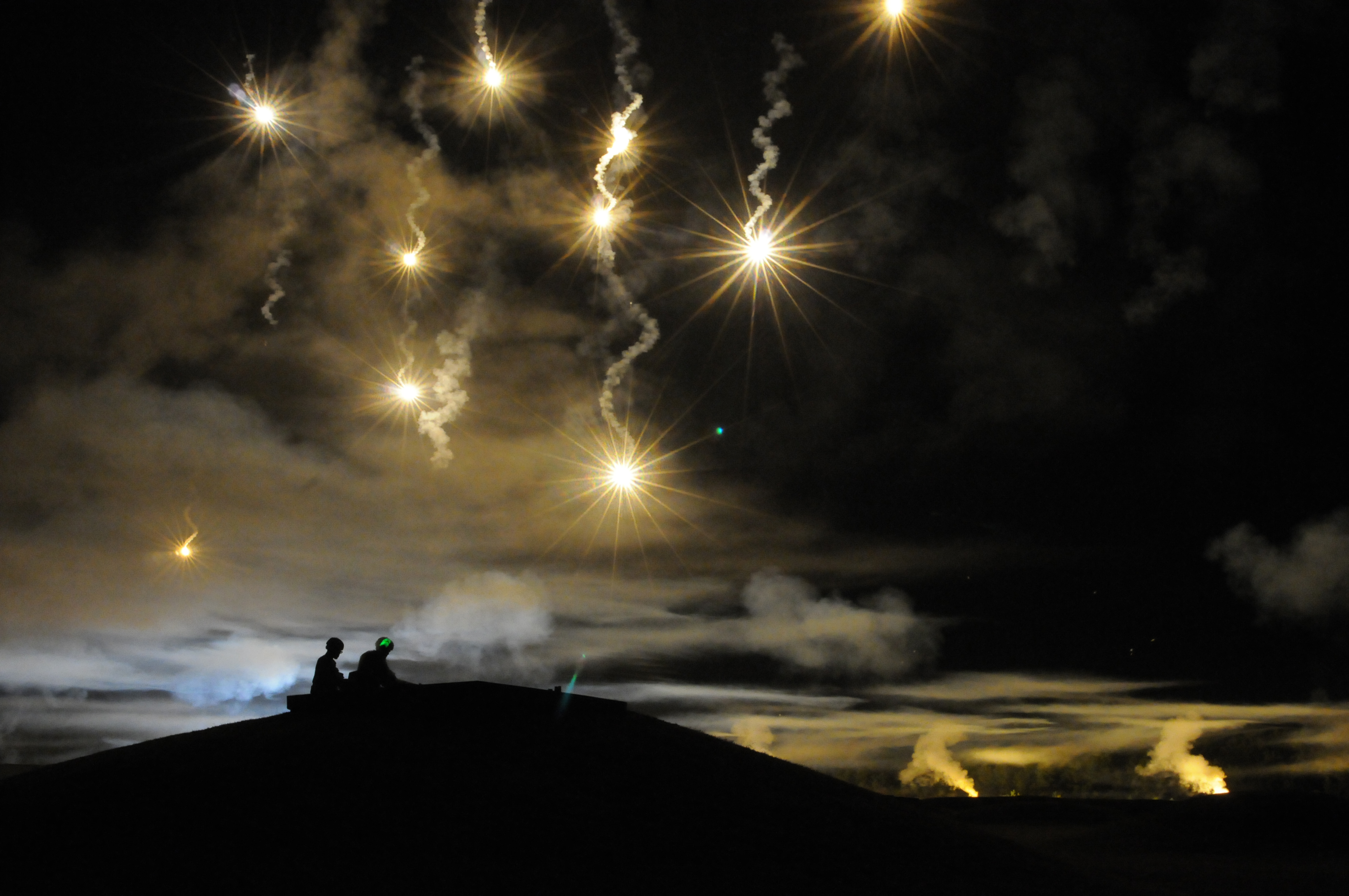
Other drivers need to see you and your disabled vehicle, especially during snowstorms or low visibility conditions. Traditional road flares burn bright and work in any weather, but they create fire hazards and burn out quickly.
LED emergency beacons offer a safer alternative with flashing lights visible from long distances. They won’t ignite spilled fuel or cause burns, and their batteries last much longer than flares. Some models include magnetic bases that stick to your vehicle’s metal surfaces.
Place warning devices at least 100 feet behind your vehicle to give approaching drivers time to react safely. Use multiple devices to create a visible warning triangle around your car.
Reflective Triangles
Emergency triangles meet Department of Transportation requirements for roadside visibility. Their reflective surfaces bounce headlight beams back to approaching drivers even when no power source is available. Unlike flares or beacons, triangles won’t fail due to dead batteries or harsh weather.
Recommended Winter Emergency Kit Products
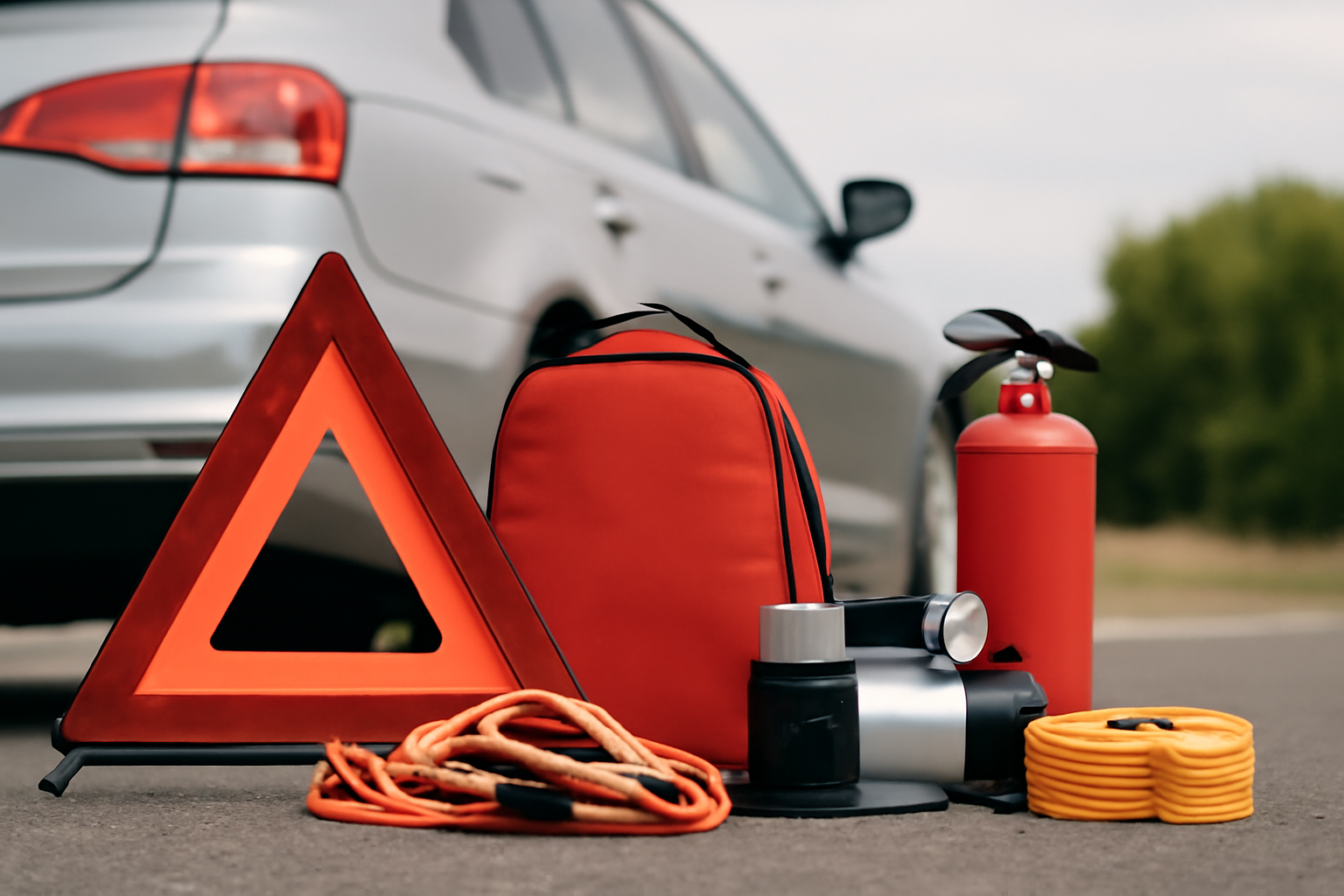
Building your own winter emergency kit gives you control over quality and contents, but complete winter car emergency kit roadside packages offer convenience and often better value. These pre-assembled kits include most essential items in weatherproof containers.
Look for kits that include jumper cables or jump starters, emergency blankets, flashlights, first aid supplies, and food items. Many quality kits also feature traction mats, ice scrapers, and emergency signaling devices.
Premium kits often include additional items like multi-tools, duct tape, zip ties, and emergency cash. While these extras add convenience, focus first on the core survival items that address immediate winter driving hazards.
Storage and Organization Tips
Your emergency supplies won’t help if you can’t find them or they’re damaged by moisture and temperature extremes. Use waterproof containers or heavy-duty plastic bags to protect sensitive items from condensation and road salt.
Organize supplies by category and label containers clearly. During an actual emergency, you’ll be cold, stressed, and possibly in the dark. Clear organization helps you locate critical items quickly.
Check your kit twice per year, ideally when changing to winter and summer tires. Replace expired food items, dead batteries, and damaged equipment. Test electronic devices to confirm they still function properly.
Store your emergency kit in your trunk or cargo area where it won’t shift during normal driving. Secure heavy items like jump starters to prevent them from becoming projectiles during sudden stops or accidents.
Additional Winter Driving Considerations
Your emergency kit works best when combined with proper winter driving preparation. Check your tire tread depth and consider winter tires if you regularly drive in snow and ice. Maintain your battery, antifreeze levels, and windshield washer fluid.
Keep your gas tank at least half full during winter months. A full tank prevents fuel line freeze-ups and provides fuel for running your engine for heat during extended waits. Running your engine intermittently keeps your battery charged and your interior warm.
Inform someone about your travel plans, especially during severe weather. Share your route and expected arrival time so someone knows to look for you if you don’t arrive as planned. This simple step can reduce rescue time significantly.
Frequently Asked Questions
How often should I replace items in my winter emergency kit?
Check your kit twice yearly and replace food items annually. Batteries should be replaced every two years or whenever they show signs of corrosion. Replace emergency blankets and clothing if they become damaged or contaminated with road salt or chemicals.
Can I use my summer emergency kit for winter driving?
Summer kits lack critical cold-weather items like blankets, ice scrapers, and traction aids. Many summer items like water bottles can freeze and burst, making them useless or damaging other supplies. Winter conditions require specialized equipment that functions in extreme cold.
What’s the most important item in a winter car emergency kit?
Emergency blankets provide the most critical function by preventing hypothermia, which can kill within hours in severe cold. However, a well-balanced kit addresses multiple needs since you can’t predict which type of emergency you’ll face.
Should I keep my emergency kit in the passenger compartment or trunk?
Store most items in your trunk or cargo area, but keep a few essentials like a flashlight, phone charger, and emergency blanket in the passenger compartment. If your trunk latch freezes or your car is damaged, you’ll still have access to basic survival items.


Leave a Reply