
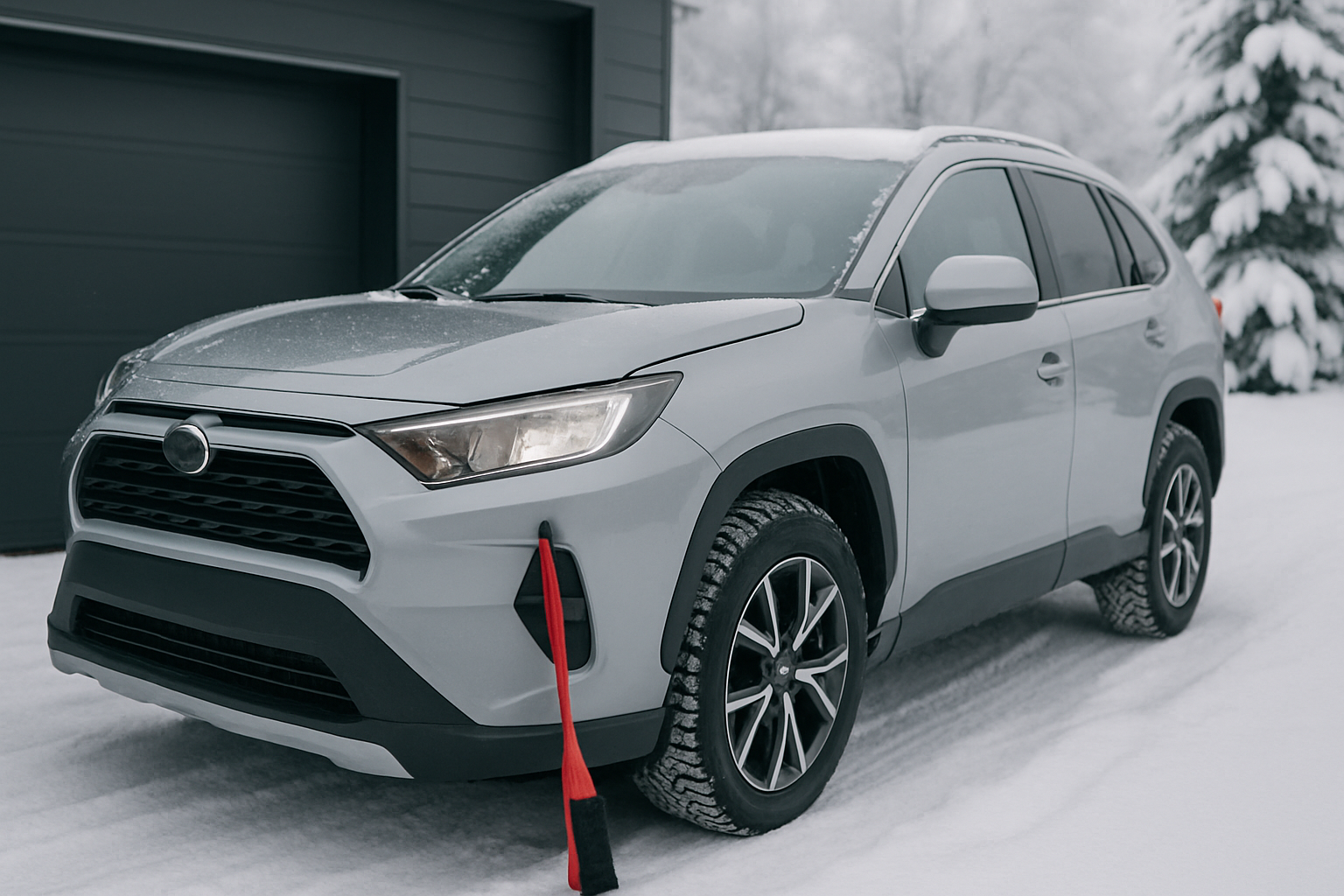
Winter weather can turn your daily commute into a dangerous situation if your car isn’t properly prepared. Cold temperatures, snow, and ice put extra stress on your vehicle’s systems, making winter maintenance essential for safety and reliability. Taking these five simple steps before the temperature drops will help ensure your car runs smoothly all winter long.
Step 1: Test Your Battery and Charging System
Cold weather is brutal on car batteries. When temperatures drop below freezing, your battery loses about 20% of its power, and at zero degrees Fahrenheit, it can lose up to 50% of its capacity. Meanwhile, cold oil makes your engine harder to turn over, requiring even more power to start.
Most auto parts stores will test your battery for free using a digital load tester. You want to see a reading of at least 12.4 volts with the engine off and around 13.5 to 14.5 volts with the engine running. If your battery is more than three years old or shows signs of corrosion around the terminals, consider replacing it before winter hits.
While you’re checking the battery, inspect the terminals for white or blue-green corrosion. Clean any buildup with a wire brush and apply a thin coat of petroleum jelly or battery terminal protector spray to prevent future corrosion. Loose connections can cause starting problems, so make sure the terminal clamps are tight.
Step 2: Check Your Tires and Consider Winter Rubber
Your tires are your car’s only contact with the road, making them critical for winter safety. All-season tires lose their flexibility and grip when temperatures drop below 45 degrees Fahrenheit. The rubber compounds literally harden up, reducing traction significantly.
Check your tire tread depth using the penny test. Insert a penny into the tread groove with Lincoln’s head pointing down. If you can see the top of Lincoln’s head, your tread is worn below 2/32 of an inch and the tires need replacement. For winter driving, 4/32 of an inch is really the minimum safe depth.
Cold air causes tire pressure to drop about one PSI for every 10-degree temperature decrease. Check your tire pressure at least once a month during winter, preferably when the tires are cold. Under-inflated tires reduce traction and fuel economy while increasing the risk of a blowout.
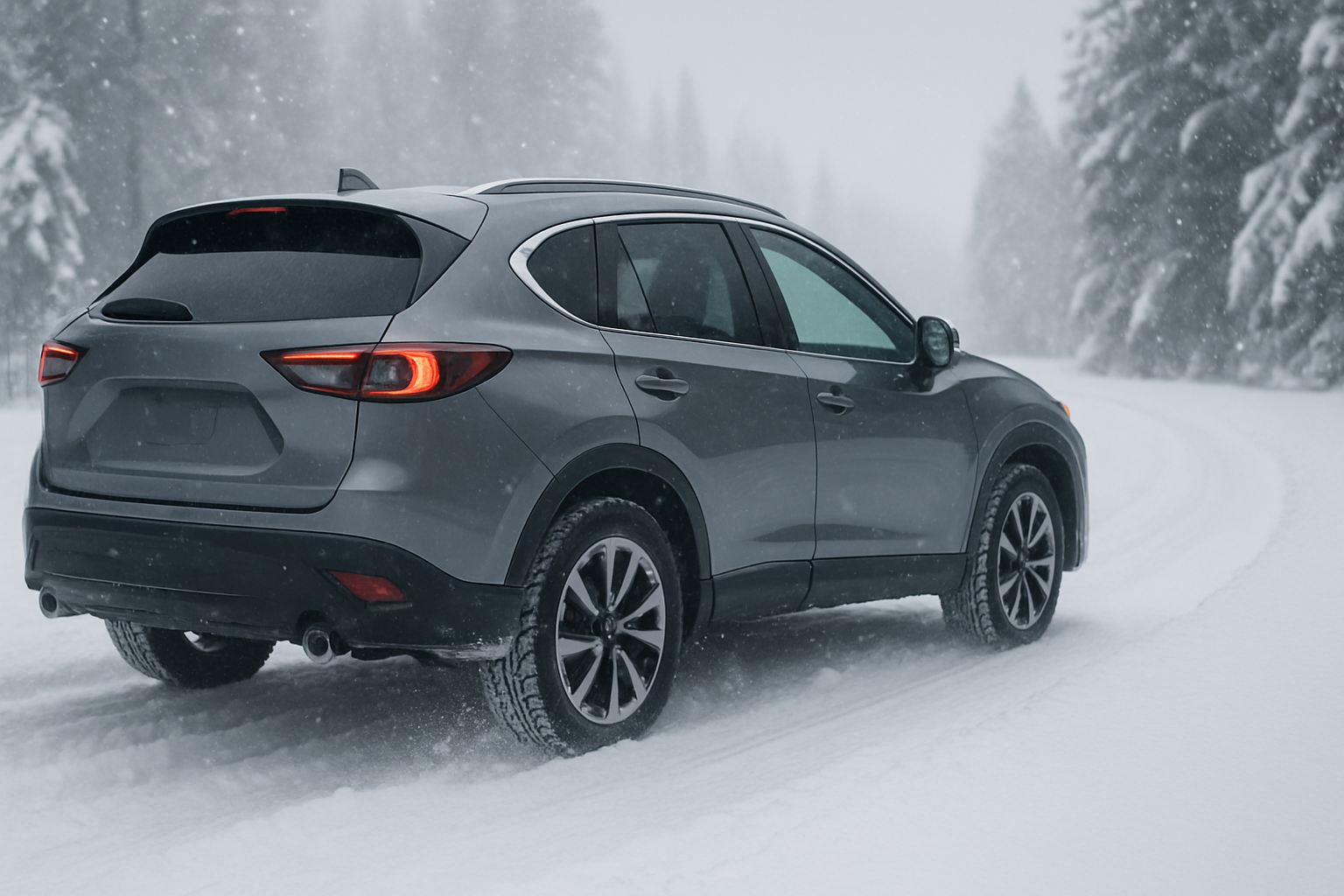
If you live in an area with heavy snow and ice, dedicated winter tires make a huge difference. Winter tires use special rubber compounds that stay flexible in cold temperatures and feature deeper tread patterns with more biting edges for grip on snow and ice.
Step 3: Check and Replace Engine Coolant
Your engine’s cooling system needs to handle both summer heat and winter cold. Old or diluted coolant can freeze in your engine block, causing expensive damage that could total your car.
Test your coolant’s freeze protection using an inexpensive antifreeze tester from any auto parts store. The floating balls or needle should indicate protection down to at least negative 30 degrees Fahrenheit in most climates. If you live in an extremely cold area, aim for negative 40 degree protection.
Coolant typically needs replacement every 30,000 to 60,000 miles, depending on your vehicle. Fresh coolant not only provides better freeze protection but also contains additives that prevent corrosion in your cooling system. Don’t just add straight antifreeze, most vehicles need a 50/50 mix of antifreeze and distilled water.
While you’re checking the coolant, inspect the radiator hoses for cracks, bulges, or soft spots. Cold weather can cause already-weakened hoses to fail, leaving you stranded with an overheated engine.
Step 4: Replace Windshield Wipers and Check Fluid
Good visibility is crucial for safe winter driving, but many drivers overlook their wiper system until they’re caught in a snowstorm with streaky, chattering blades.
Replace your wiper blades if they’re more than six months old or show signs of cracking, splitting, or leaving streaks. Standard rubber blades can freeze to the windshield, so consider upgrading to winter wiper blades with a rubber boot that covers the metal frame. These prevent ice buildup that can damage the blade or your windshield.
Fill your washer fluid reservoir with winter-grade fluid rated for your local temperatures. Summer washer fluid or plain water will freeze in the lines and reservoir, potentially cracking expensive components. Winter washer fluid contains methanol or other additives that prevent freezing and help remove road salt and grime.
Check that your windshield isn’t cracked or chipped. Small damage can spread quickly when the glass contracts in cold weather or gets hit with road debris from winter driving.
Step 5: Build a Winter Emergency Kit
Even the best-maintained car can have problems in winter weather. A well-stocked emergency kit could save your life if you get stranded in cold temperatures.
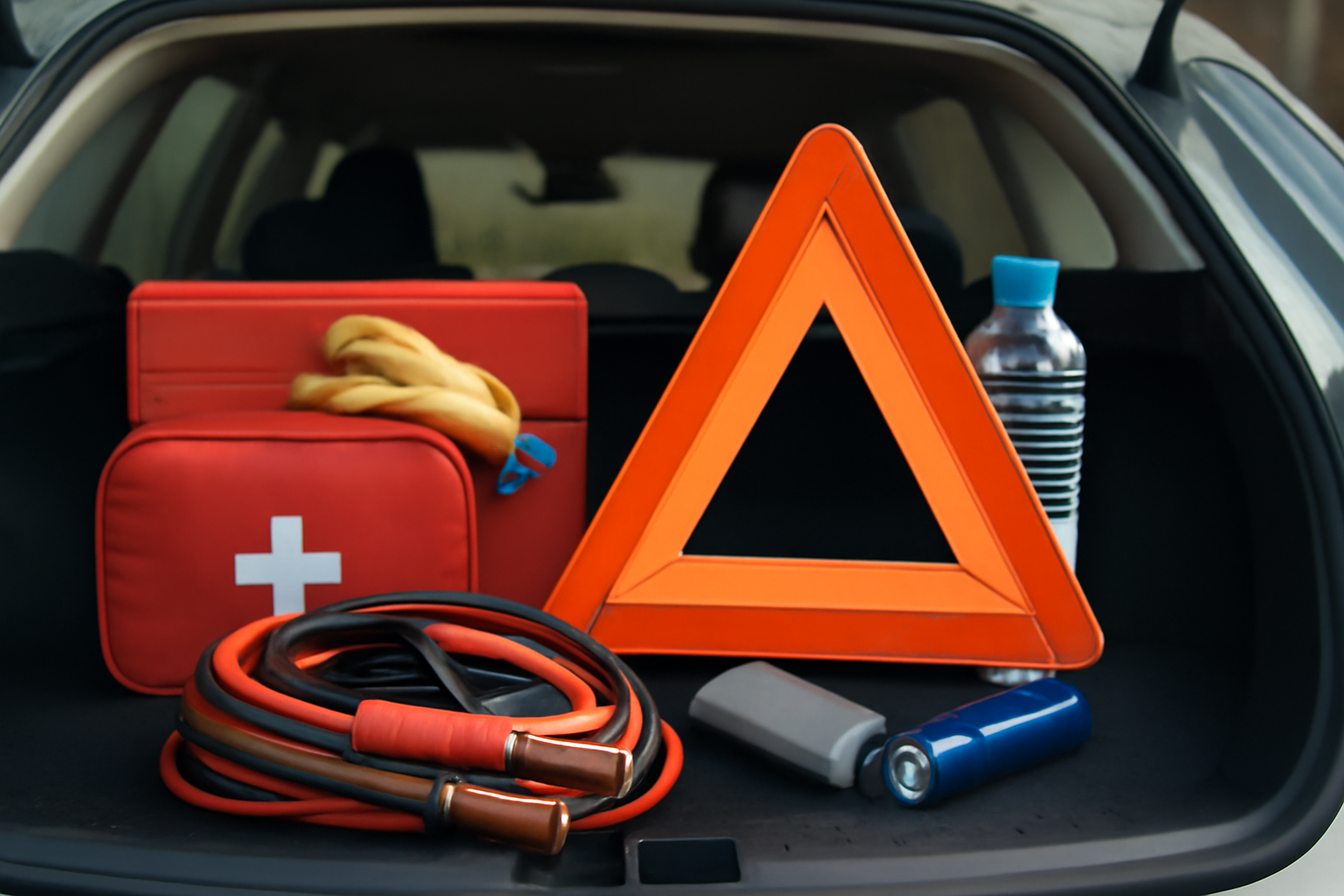
Your winter emergency kit should include warm blankets, extra clothing, waterproof gloves, and a warm hat. Pack non-perishable food like energy bars and bottled water. Include a flashlight with extra batteries, a first aid kit, and a portable phone charger or power bank.
For winter-specific items, add an ice scraper and snow brush, jumper cables, tire chains if required in your area, and a small shovel for digging out of snow. A bag of sand or cat litter can provide traction if you get stuck. Keep these supplies in a waterproof container or duffel bag in your trunk.
Consider adding emergency signaling devices like flares or reflective triangles to make your car visible to other drivers if you’re stuck on the roadside. A multi-tool or basic toolkit can help with minor repairs.
Recommended Winter Emergency Kits
You can build your own emergency kit or purchase a pre-assembled one. Many winter car emergency kits available online include most of the essential items you’ll need. These kits typically contain jumper cables, emergency blankets, first aid supplies, flashlights, and basic tools in a compact carrying case.
Pre-made kits offer convenience and ensure you don’t forget important items. Look for kits that include winter-specific items like hand warmers, traction aids, and emergency food supplies rated for cold temperatures.
Additional Winter Preparation Tips
Keep your gas tank at least half full during winter months. This prevents condensation from forming in the tank and gives you extra weight over the rear wheels for better traction in rear-wheel-drive vehicles.
Test your heating and defrosting systems before you need them. Replace the cabin air filter if it’s dirty, as a clogged filter reduces airflow and can cause your windows to fog up.
Check your car’s lights, including headlights, taillights, brake lights, and turn signals. Winter days are shorter and storms reduce visibility, making it essential that other drivers can see you clearly.
Frequently Asked Questions
When should I start preparing my car for winter?
Begin winter preparations in early fall, ideally before the first hard freeze. This gives you time to address any issues without dealing with cold weather and ensures you won’t be caught off guard by an early winter storm.
How often should I check my tire pressure in winter?
Check tire pressure at least once a month during winter, and always check it when temperatures drop significantly. Cold air causes pressure to drop, and under-inflated tires are dangerous in winter conditions.
Can I use regular windshield washer fluid in winter?
Regular summer washer fluid will freeze in winter temperatures and can damage your washer system. Always use winter-grade fluid rated for your local climate’s lowest expected temperatures.
Do I really need winter tires if I have all-wheel drive?
All-wheel drive helps with acceleration in snow but doesn’t improve braking or cornering. Winter tires provide better grip in all winter conditions, even on all-wheel-drive vehicles. The combination of winter tires and all-wheel drive offers the best winter performance.
Leave a Reply