
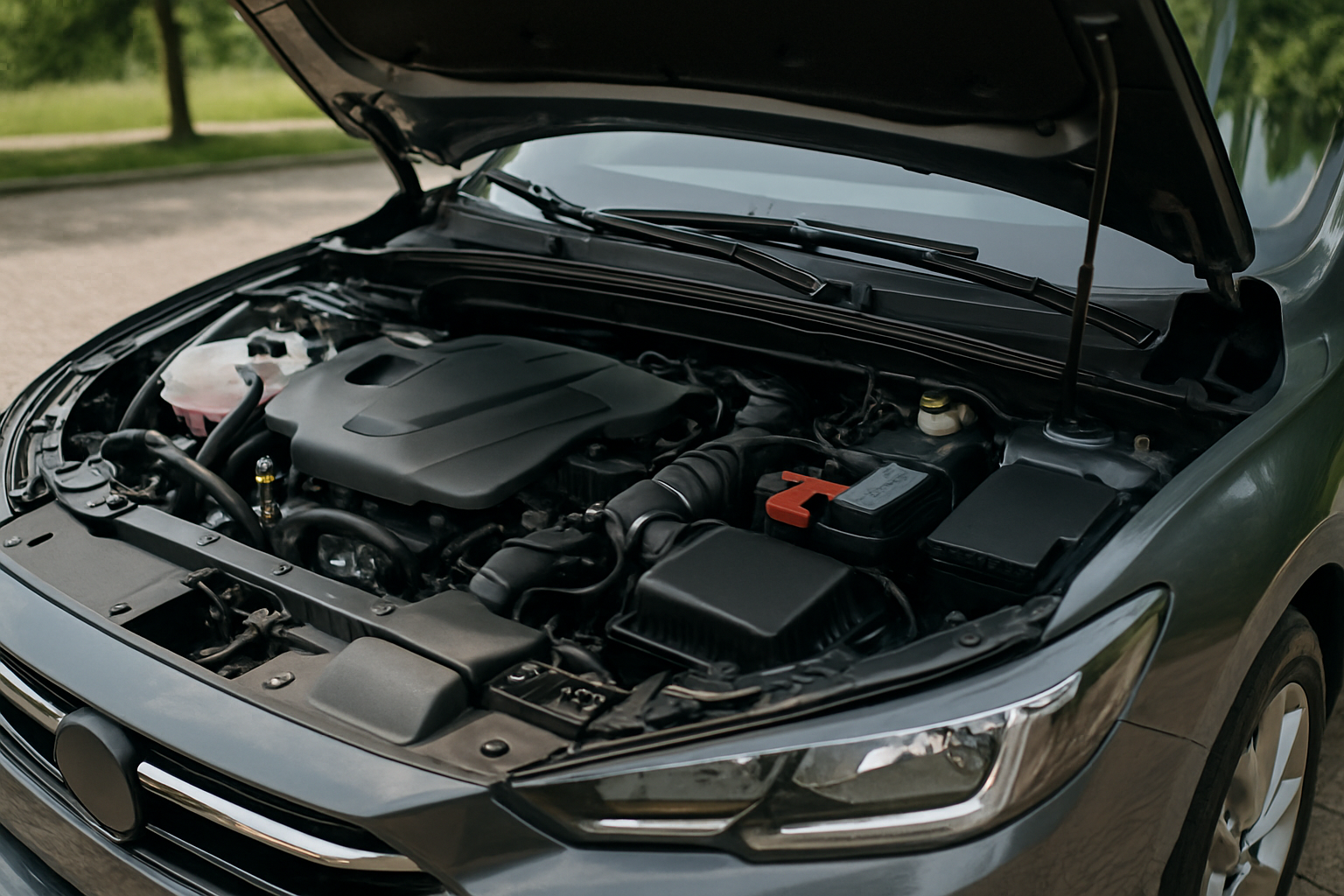
Breaking in a new car engine used to be a sacred ritual among drivers, but modern automotive technology has changed the game significantly. Many manufacturers now claim their engines come pre-broken from the factory, while traditional mechanics still swear by careful break-in procedures.
The truth lies somewhere in between, and taking a few precautions during your first thousand miles can help ensure your engine performs optimally for years to come.
Understanding Modern Engine Break-In
Today’s engines roll off the assembly line with much tighter tolerances than vehicles from decades past. Computer-controlled manufacturing processes create components that fit together more precisely, reducing the need for extensive break-in periods.
However, metal components still need time to properly seat against each other. Piston rings must conform to cylinder walls, bearing surfaces need to polish smooth, and various seals require time to settle into their final positions.
Most automotive engineers agree that some form of break-in period benefits engine longevity, even if it’s less critical than it once was. The key is following a sensible approach that protects your investment without being overly restrictive.
The First 500 Miles: Critical Foundation Period
Your engine’s first 500 miles represent the most important phase of the break-in process. During this period, you want to be particularly gentle while still ensuring all components get properly exercised.
Keep your RPMs below 4,000 during this initial phase. This doesn’t mean you need to drive like you’re in a funeral procession, but avoid redlining the engine or sustained high-RPM operation. Most daily driving situations won’t push you anywhere near this limit anyway.
Vary your engine speed regularly instead of maintaining constant RPMs for extended periods. Take different routes that include city streets, gentle hills, and moderate highway cruising. This variation helps different engine components break in evenly.
Avoid using cruise control during this period, especially on long highway trips. Cruise control maintains steady engine speeds that don’t provide the RPM variation your engine needs during break-in.
Miles 500-1000: Gradual Performance Increase
Once you’ve passed the 500-mile mark, you can start pushing your engine a bit harder. You can safely rev to about 75% of the redline occasionally, but still avoid sustained high-RPM operation.
This is a good time to include some moderate acceleration scenarios in your driving routine. Merge onto highways with purpose, climb hills without excessive caution, and generally drive the car more like you normally would.
Continue avoiding cruise control for long stretches, but short highway segments won’t hurt anything. The goal remains varying your engine speed and load conditions to ensure even break-in across all operating ranges.
Pay attention to your oil level during this period. New engines often consume slightly more oil as rings and seals settle, so check your dipstick weekly and top off as needed.
What Not to Do During Break-In
Several driving habits can potentially damage a new engine or prevent proper break-in. Avoiding these practices will help ensure your engine reaches its full potential.
Never use full throttle during the first 1,000 miles. While brief moments of moderate acceleration are fine, flooring the gas pedal puts excessive stress on components that haven’t fully seated yet.
Don’t tow heavy loads during the break-in period. Trailer towing or hauling heavy cargo forces your engine to work much harder than normal, potentially causing premature wear on fresh components.
Avoid engine braking down long grades. While engine braking is normally a good practice, it creates high vacuum conditions that can affect ring seating in new engines. Use your actual brakes instead during break-in.
Don’t ignore your scheduled maintenance during this period. Fresh engines generate more metal particles and debris than seasoned ones, making that first oil change particularly important.
The Great Oil Change Debate
When to perform your first oil change sparks considerable debate among automotive enthusiasts. Some advocate for changing oil as early as 500 miles, while others suggest following the manufacturer’s recommended schedule.
Most modern vehicles come with full synthetic oil from the factory, which handles break-in duties quite well. However, this oil also collects metal particles, carbon deposits, and other contaminants during the seating process.
A compromise approach involves changing your oil around 1,000 miles, regardless of what the maintenance schedule suggests. This removes break-in contaminants while still allowing the factory oil to do its job during the critical early period.
When you do change the oil, stick with the manufacturer’s recommended viscosity and specification. Don’t use heavier oils thinking they’ll provide better protection, as this can actually interfere with proper break-in.
Modern Engines: Less Critical But Still Beneficial
Today’s manufacturing precision means many engines will perform fine even without careful break-in procedures. Computer-controlled fuel injection, precise machining tolerances, and advanced metallurgy have reduced the importance of traditional break-in methods.
Some manufacturers actually recommend driving normally from day one, trusting their engineering and manufacturing processes to deliver a properly functioning engine immediately. These claims aren’t just marketing speak, they’re backed by real improvements in production quality.
However, following basic break-in procedures still provides benefits even on modern engines. Gentle treatment during the first thousand miles can improve fuel economy, reduce oil consumption, and potentially extend engine life.
Think of break-in as insurance for your investment. Even if your engine would be fine without it, taking these precautions costs you nothing and might save you money down the road.
Performance and Luxury Vehicle Considerations
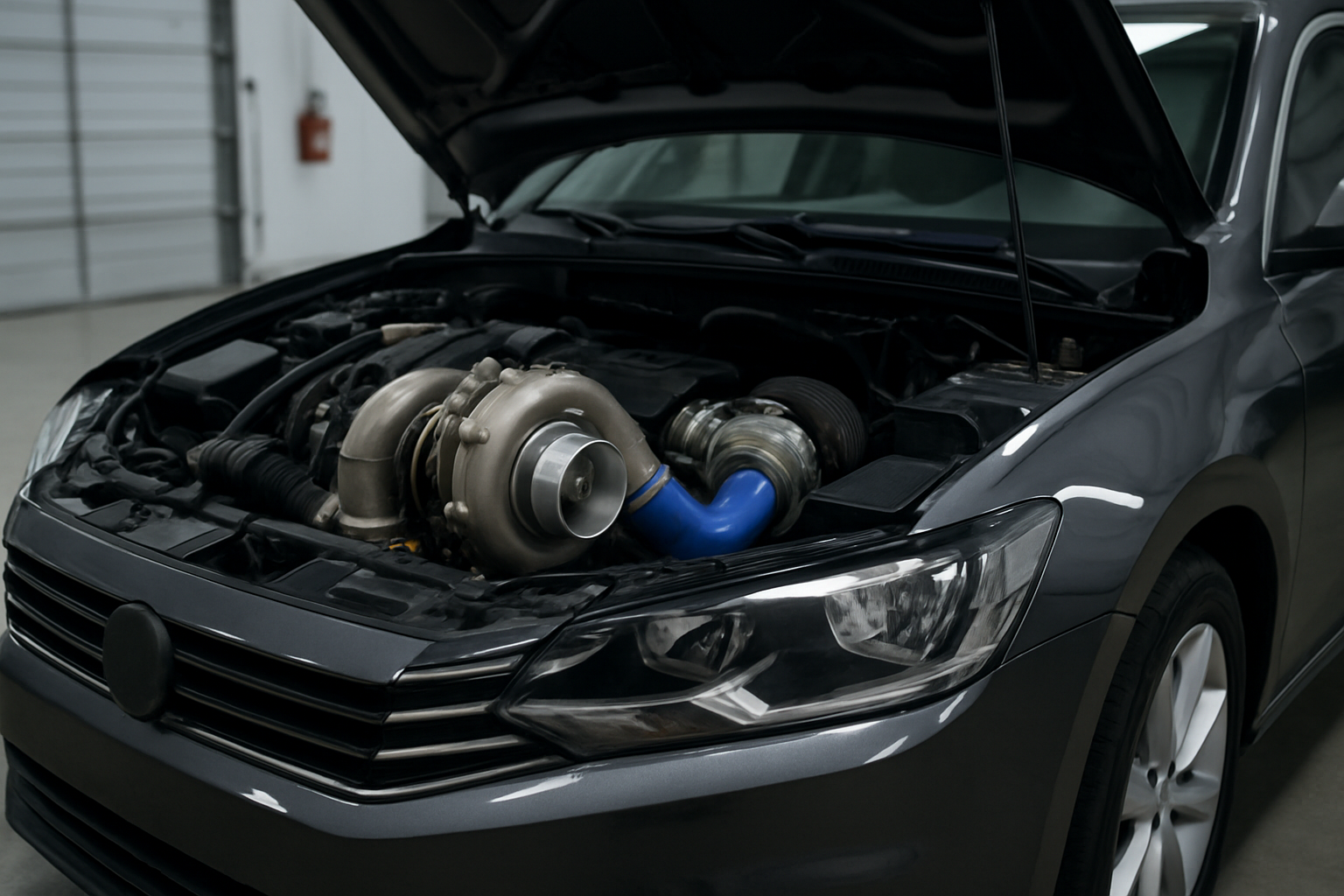
High-performance engines often require more careful break-in procedures than economy car powerplants. Turbocharged engines, in particular, benefit from gentle treatment during their first few hundred miles.
Turbo engines generate significant heat and pressure that can stress fresh components. Keep boost levels moderate by avoiding heavy acceleration, and always let the engine idle for a minute or two after hard driving to allow the turbo to cool down.
Luxury vehicles sometimes come with specific break-in recommendations from the manufacturer. BMW, for example, provides detailed break-in instructions for their M-series vehicles, while Mercedes-AMG has similar guidelines for their performance models.
Check your owner’s manual for any specific break-in procedures. When in doubt, err on the side of caution during the first thousand miles.
Monitoring Your Engine During Break-In
Keep a closer eye on your engine during the break-in period than you might normally. Check your oil level weekly, as new engines often consume small amounts of oil while components settle.
Watch your temperature gauge more carefully than usual. While modern cooling systems are quite reliable, new engines sometimes run slightly warmer until everything seats properly.
Pay attention to any unusual noises, vibrations, or performance characteristics. While some variation is normal during break-in, significant changes warrant a trip to your dealer for evaluation.
Document any concerns you notice during break-in. If problems develop later, having records of early symptoms can help technicians diagnose issues more effectively.
After 1,000 Miles: Full Performance Unlocked
Once you’ve completed the first thousand miles, you can drive your vehicle normally. Feel free to use the full RPM range, engage cruise control, and generally enjoy your car’s complete performance envelope.
Consider this a graduation ceremony for your engine. You’ve given it the best possible start, and now it’s ready for whatever driving challenges you can throw at it.
Continue following your regular maintenance schedule, but you no longer need to baby the engine or worry about RPM limits. Your patience during the break-in period should pay dividends in long-term reliability and performance.
Frequently Asked Questions
Do I really need to break in my new car engine?
While modern engines are more tolerant than older ones, following basic break-in procedures still provides benefits. The worst case scenario is that you’ve been slightly gentle with your car for a few weeks. The best case is improved longevity and performance.
Can I use synthetic oil during break-in?
Most new cars come with synthetic oil from the factory, which works perfectly fine for break-in. Don’t change to conventional oil thinking it’s better for seating rings, as modern synthetic formulations handle break-in duties quite well.
What happens if I accidentally push my engine hard during break-in?
A few instances of hard acceleration or high RPMs won’t destroy your engine. Modern powerplants are quite robust, and brief moments of enthusiasm during break-in rarely cause lasting damage. Just try to be more careful going forward.
Should I change my driving style permanently after break-in?
Once break-in is complete, drive your car normally. Engines are designed to handle full-throttle acceleration and high RPMs when needed. Continuing to baby your engine after break-in provides no additional benefits and prevents you from enjoying your vehicle’s full capabilities.
This article contains affiliate links. If you purchase through these links, we may earn a small commission at no extra cost to you.



Leave a Reply