
You’ve been a careful driver for years. No accidents, no tickets, maybe just the occasional parking stub. Yet when your car insurance renewal arrives, the premium has jumped by $200, $300, or even more per year. You’re left wondering what you did wrong when the answer is simple: probably nothing.
Insurance rates can rise for dozens of reasons that have nothing to do with your driving record. While it feels personal when you see that higher number, most rate increases stem from broader economic and industry factors that affect millions of drivers simultaneously.
The Hidden Cost of Everything Getting More Expensive
Inflation doesn’t just hit your grocery bill. Every component that goes into fixing your car costs more today than it did two years ago. A replacement bumper that cost $800 in 2021 might run $1,100 today. Labor rates at body shops have climbed from $85 per hour to $110 or more in many markets.
Your insurance company pays these inflated repair bills every time they settle a claim. When their costs go up across thousands of claims, they pass those increases along to everyone through higher premiums. Even if you never filed a claim, you’re sharing the cost burden of more expensive repairs for other policyholders.
This hits particularly hard with newer vehicles loaded with expensive technology. A minor fender-bender that once required basic bodywork might now involve recalibrating parking sensors, replacing LED headlight assemblies, or fixing cameras built into bumper covers.
Modern Cars Cost More to Fix Than Ever
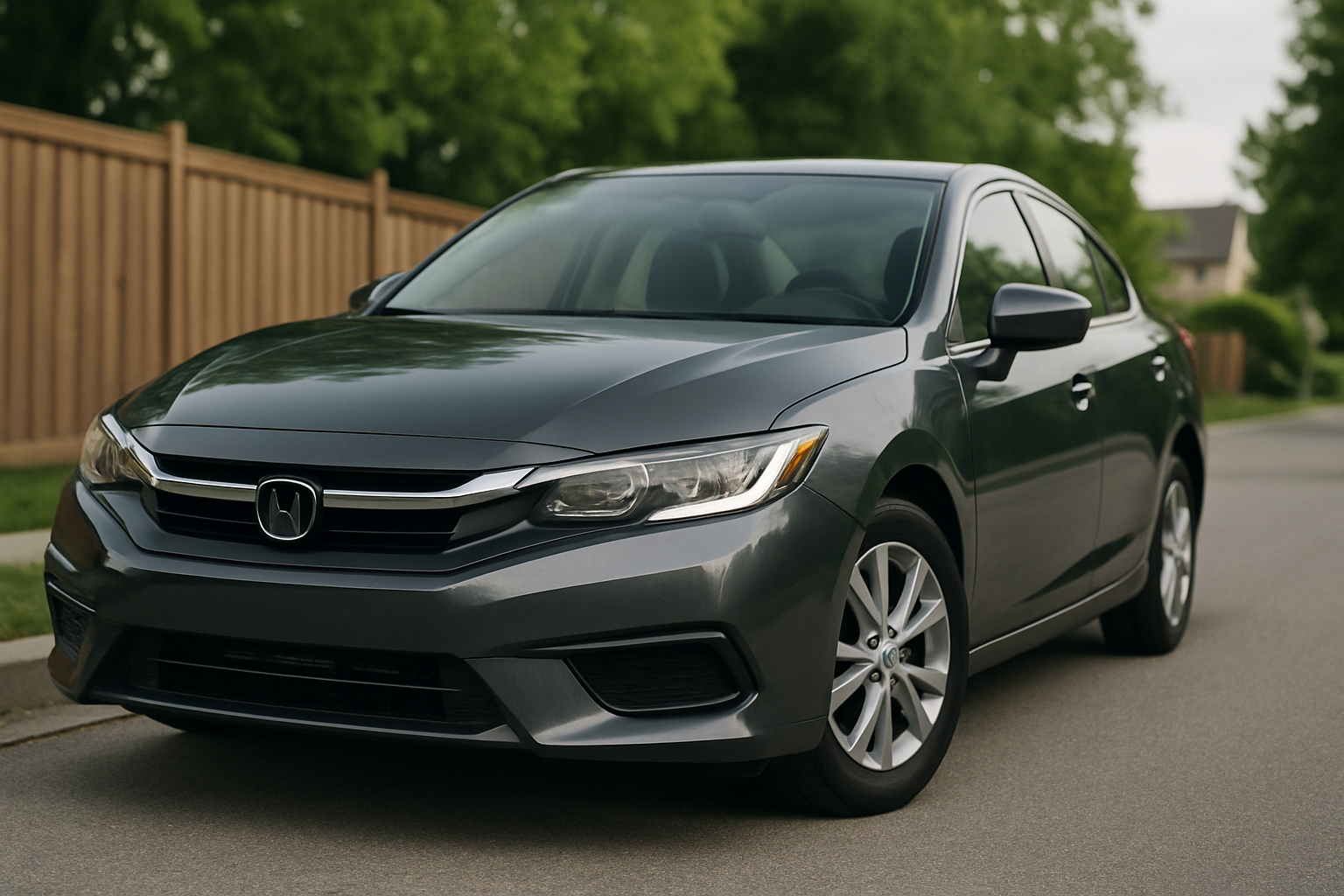
Today’s vehicles pack more technology into every square inch than cars from even five years ago. Your 2023 Honda Accord has safety systems, infotainment tech, and electronic components that didn’t exist on the 2018 model. All that technology makes cars safer and more efficient, but it also makes them expensive to repair.
Take a simple side-mirror replacement. On older cars, you might pay $150 for a basic mirror. Modern vehicles often integrate turn signals, blind-spot monitoring sensors, cameras, and heating elements into mirror assemblies. That same repair can easily cost $600 or more.
Insurance companies analyze repair costs constantly, and they’ve watched average claim payouts climb year after year. Higher claim costs mean higher premiums for everyone, regardless of individual driving records.
Supply Chain Problems Drive Up Parts Costs
Remember when you couldn’t find certain items in stores during 2021 and 2022? The automotive industry faced the same supply chain disruptions, and many of those problems persist today. When replacement parts are scarce, prices go up.
Body shops sometimes wait weeks for specific components, meaning rental car costs pile up while your vehicle sits in their lot. Some repairs that used to take three days now take three weeks. Insurance companies pay for every day of that extended rental period.
Even when parts are available, shipping costs have increased dramatically. A bumper cover that once shipped for $75 might now cost $150 to transport from the manufacturer to your local body shop.
Your Neighborhood Affects Your Rates
Insurance companies use incredibly detailed data about where you live to set your rates. They don’t just look at your specific address but analyze claim patterns in your ZIP code, your city, and sometimes even your specific street.
If vehicle thefts have increased in your area, everyone’s comprehensive coverage costs more. Rising vandalism claims, more frequent severe weather, or even increased traffic congestion can push rates higher for your entire region. You might be the most careful driver on your block, but you’re still grouped with your neighbors for rate-setting purposes.
Some factors seem completely unrelated to driving. Insurance companies have found correlations between local economic conditions, unemployment rates, and claim frequency. Areas experiencing economic stress often see increases in insurance fraud and questionable claims, which drives up costs for everyone.
Your Credit Score Might Be Working Against You
In most states, insurance companies can use your credit score as one factor in determining your rates. The insurance industry’s research shows a statistical correlation between credit scores and claim frequency, though the reasons for this relationship remain debated.
If your credit score dropped due to late payments, increased debt, or other financial challenges, your insurance premium might have increased even if your driving record stayed perfect. This factor affects millions of Americans who experienced financial difficulties during economic uncertainty.
Even small credit score changes can impact your rates. A drop from 750 to 700 might not seem significant, but it could move you into a different risk category for insurance pricing purposes.
Industry-Wide Rate Hikes Hit Everyone
Insurance companies regularly file for rate increases with state insurance departments. These requests affect entire categories of drivers across whole states or regions. When approved, these increases apply regardless of individual driving records.
Recent years have seen particularly large rate increase requests as insurance companies deal with higher claim costs, more frequent severe weather events, and increased vehicle values. Some states have approved average rate increases of 10-15% or more for certain insurers.
Your specific increase might feel personal, but you’re likely part of a much larger group of drivers all seeing similar rate adjustments. The insurance company isn’t targeting you individually but rather adjusting rates across their entire customer base in your state.
Weather and Natural Disasters Impact Everyone’s Rates
Climate change has led to more frequent and severe weather events, and insurance companies pay billions in weather-related claims each year. Even if you live nowhere near recent hurricanes, floods, or hailstorms, these events affect insurance rates nationwide.
When Hurricane Ian caused massive damage in Florida, insurance companies didn’t just raise rates for Florida drivers. The financial impact spreads across their entire customer base through reinsurance costs and overall company finances.
Severe weather also affects the supply chain for replacement parts and repair materials. After major storms, building supplies become scarce and expensive, which impacts auto repair costs even in unaffected areas.
More Drivers Mean More Claims
As population grows and more people return to regular commuting patterns, there are simply more vehicles on the road. More cars mean more accidents, even if individual drivers aren’t becoming less safe.
Many areas have seen traffic return to pre-pandemic levels while road infrastructure hasn’t kept pace. Increased congestion leads to more frequent minor accidents, which translate to more claims and higher costs for insurance companies.
Additionally, many drivers went months or years with reduced driving during the pandemic. Some studies suggest that extended periods of less frequent driving might have impacted overall driving skills, contributing to increased claim frequency as normal driving patterns resumed.
What You Can Do About Rising Rates
While you can’t control inflation or industry-wide trends, you’re not completely powerless against rising insurance costs. Start by shopping around with multiple insurers. Different companies weight risk factors differently, and you might find significantly lower rates elsewhere.
Review your coverage limits and deductibles. Increasing your deductible from $500 to $1,000 can reduce your premium substantially. Just make sure you can afford the higher out-of-pocket cost if you need to file a claim.
Ask about available discounts you might not be using. Many insurers offer reductions for defensive driving courses, low annual mileage, multiple policies, or safety features on your vehicle. Even small discounts can help offset rate increases.
Consider usage-based insurance programs where your rates depend partly on how you actually drive. If you’re a safe driver with low annual mileage, these programs might offer significant savings compared to traditional pricing models.
When to Consider Switching Insurers
If your rates have increased significantly, obtaining quotes from other insurers makes sense. Insurance companies often offer competitive rates to attract new customers, and you might find substantial savings by switching.
However, don’t switch based solely on price. Research the insurer’s claim handling reputation, financial stability, and customer service ratings. A lower premium won’t help much if the company handles claims poorly when you need them.
Time your shopping carefully. Most insurers provide quotes that are valid for 30-60 days, giving you time to compare options before your current policy expires.
Frequently Asked Questions
Will my rates go down if I don’t file claims?
Maintaining a clean driving record helps prevent additional rate increases, but it won’t necessarily cause your rates to decrease. Insurance pricing depends on many factors beyond your individual claim history, including the industry-wide trends discussed above.
How often do insurance companies raise rates?
Insurance companies typically review and adjust rates annually, though they may implement changes at any time with proper regulatory approval. Most drivers see rate adjustments at their annual renewal, but some companies spread changes throughout the year.
Do all insurance companies raise rates by the same amount?
No, rate increases vary significantly between insurers. Companies have different risk models, customer bases, and financial situations. One insurer might raise rates by 5% while another increases rates by 15% for similar coverage.
Is it worth switching insurance companies over a rate increase?
It depends on the size of the increase and what other insurers offer. Rate increases of 10% or more typically justify shopping around. However, consider the total value of your coverage, not just the premium cost, when making switching decisions.
This article contains affiliate links. If you purchase through these links, we may earn a small commission at no extra cost to you.

Leave a Reply