
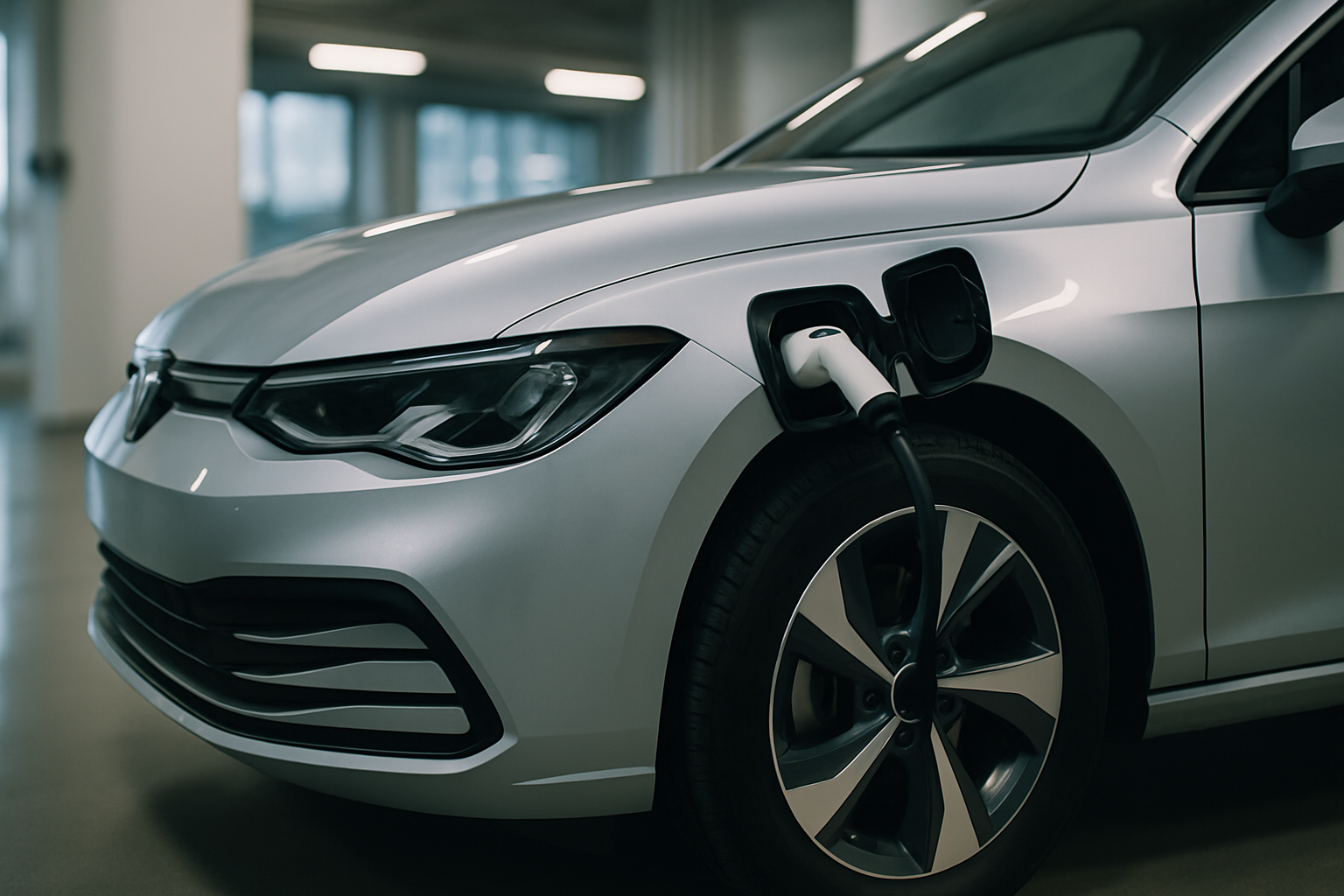
Electric vehicle batteries are sensitive to temperature, and extreme cold can dramatically reduce charging speed and overall performance. Battery preconditioning is your EV’s built-in solution to this problem, automatically preparing the battery pack for optimal operation before you even start driving.
What Is Battery Preconditioning?
Battery preconditioning is a thermal management process that heats or cools your EV’s battery pack to reach an optimal temperature range before charging or driving. Your vehicle’s battery management system automatically monitors the battery temperature and adjusts it when needed using built-in heating and cooling systems.
Most modern EVs start this process automatically when you plug in to charge, set a navigation destination to a fast-charging station, or schedule a departure time. The system draws power from the grid (when plugged in) or the battery itself to run heating elements or cooling fans throughout the battery pack.
The optimal temperature range for lithium-ion batteries typically falls between 68°F and 86°F (20°C to 30°C). When your battery operates within this range, the chemical reactions inside the cells work most efficiently, allowing for faster charging speeds and better overall performance.
How Preconditioning Improves Fast Charging
Cold batteries are the enemy of fast charging. When battery cells drop below about 50°F (10°C), their internal resistance increases significantly, which forces the charging system to reduce power delivery to prevent damage.
You’ll notice this effect when arriving at a DC fast charger on a cold day without preconditioning. Your charging speed might start at only 20-30 kW instead of the advertised 150 kW or higher. The charging rate will gradually increase as the battery warms up from the charging process itself, but this can take 15-20 minutes to reach optimal speeds.
With proper preconditioning, your battery arrives at the charging station already warmed to the ideal temperature. This means you can immediately access maximum charging speeds from the moment you plug in. On a Tesla Model 3, for example, preconditioning can mean the difference between starting at 25 kW or jumping straight to 150+ kW charging power.
The time savings add up quickly. A preconditioned battery might reach 80% charge in 30 minutes, while a cold battery could take 45-60 minutes to reach the same level.
Battery Health Benefits
Temperature extremes don’t just slow down charging, they can permanently damage your battery pack over time. Charging a cold battery repeatedly stresses the lithium-ion cells and can lead to lithium plating, which reduces capacity and shortens overall battery life.
Preconditioning helps preserve your battery’s health by ensuring charging always happens within the manufacturer’s recommended temperature range. This controlled environment reduces wear on the battery cells and helps maintain capacity retention over many years of use.
Hot weather presents its own challenges. Batteries that overheat during charging or driving can experience accelerated degradation. Your EV’s thermal management system will cool the battery pack when temperatures rise too high, protecting the cells from heat damage.
Many EV manufacturers report that proper thermal management, including regular preconditioning use, can help maintain 80% or more of original battery capacity even after 8-10 years of use.
When Your EV Preconditions Automatically
Modern EVs are smart about when to start preconditioning to maximize efficiency and convenience. Your vehicle will typically begin this process in several situations:
Navigation-Based Preconditioning: When you enter a DC fast-charging station as your destination in the navigation system, the car calculates travel time and starts warming the battery about 20-30 minutes before arrival. This ensures optimal charging speeds when you plug in.
Scheduled Charging: If you schedule your vehicle to charge at specific times (like during off-peak electricity hours), the system can precondition the battery just before charging begins for maximum efficiency.
Departure Scheduling: Many EVs allow you to set a departure time through the mobile app. The vehicle will precondition both the battery and cabin to your preferred temperature, timing the process to finish right when you leave.
Cold Weather Detection: Some vehicles automatically precondition when ambient temperatures drop below certain thresholds, especially if the car detects you’re likely to drive soon based on your usage patterns.
The Energy Cost of Preconditioning
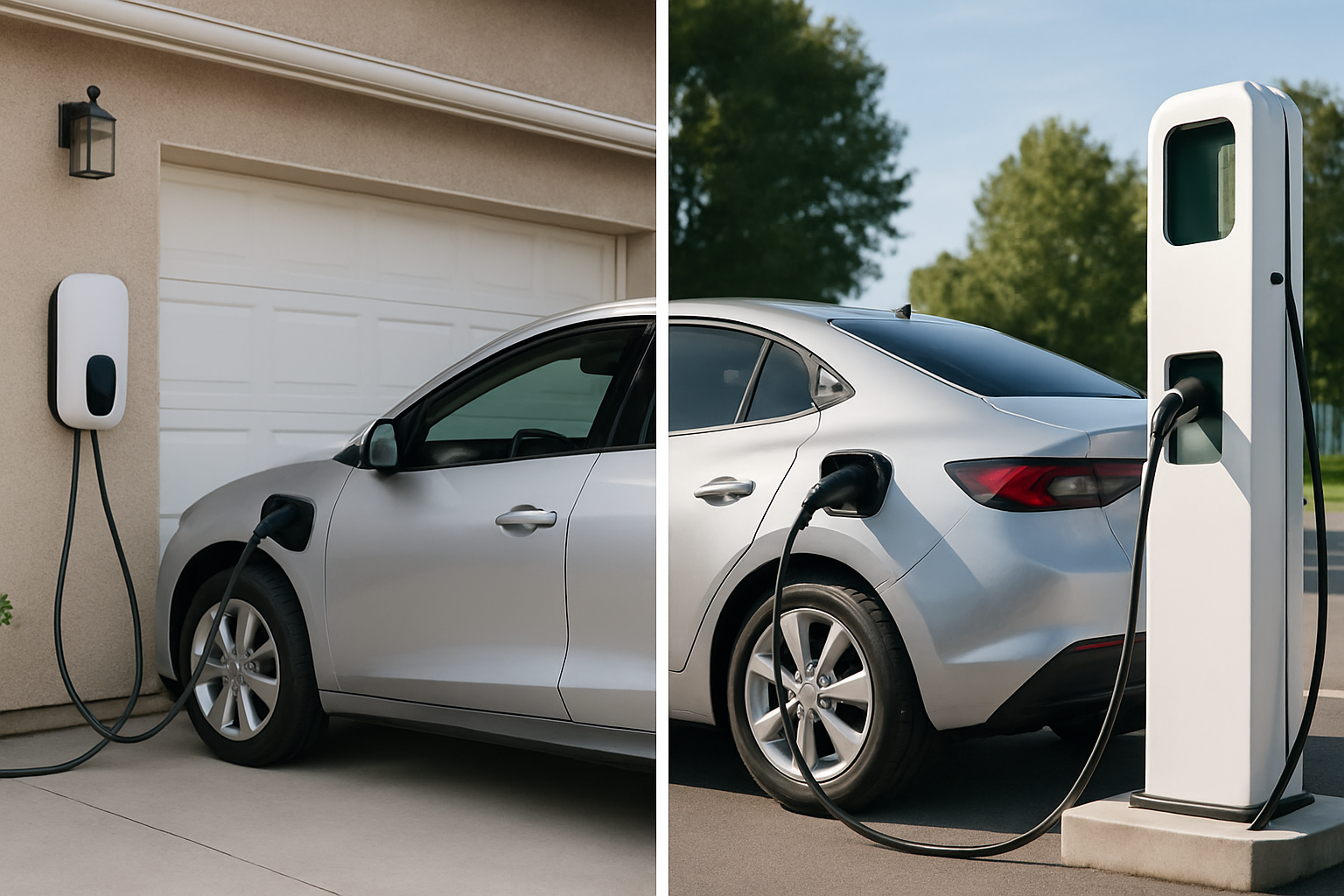
Preconditioning does consume energy, but the trade-offs usually make it worthwhile. When plugged in at home, the system draws power from the grid rather than depleting your battery, which is the most efficient approach.
A typical preconditioning session might use 2-5 kWh of energy, depending on outside temperature and how much heating or cooling is needed. At average electricity rates, this translates to about $0.25-$0.65 per session.
If you’re not plugged in, preconditioning will use battery power and reduce your driving range. However, the improved charging speed at your destination often more than makes up for this small range loss, especially on longer trips.
The key is timing. Preconditioning while plugged in at home costs less than preconditioning on battery power, and both options typically cost less than the time and money lost to slow charging speeds.
How to Optimize Preconditioning
You can maximize the benefits of preconditioning with a few simple strategies. First, always plug in your EV when parked at home, even if the battery doesn’t need charging. This allows the thermal management system to maintain optimal temperature without using battery power.
Use your vehicle’s mobile app or infotainment system to schedule departure times when possible. This gives the system advance notice to prepare both the battery and cabin temperature efficiently.
When planning trips to fast-charging stations, always use the vehicle’s built-in navigation system rather than your phone. The car’s navigation system can communicate with the thermal management system to trigger automatic preconditioning, while third-party apps cannot.
In extremely cold climates, consider keeping your EV in a garage when possible. Starting from a warmer ambient temperature reduces the energy needed for preconditioning and helps preserve battery life.
Common Preconditioning Myths
Some EV owners worry that frequent preconditioning will wear out their battery faster, but this is incorrect. The thermal management system is designed for regular use and actually helps preserve battery health by maintaining optimal operating temperatures.
Another misconception is that preconditioning only matters in winter. While cold weather creates the most dramatic effects, battery thermal management also prevents overheating in hot climates and during rapid charging sessions year-round.
You might hear that preconditioning wastes too much energy to be worthwhile. While the process does consume power, the improved charging efficiency and reduced charging time typically offset this cost, especially when preconditioning while plugged in.
Vehicle-Specific Features
Different EV manufacturers implement preconditioning with varying levels of sophistication. Tesla vehicles are particularly advanced, automatically starting preconditioning when you navigate to a Supercharger and displaying the process with a snowflake icon that disappears when ready.
Ford EVs like the Mustang Mach-E and F-150 Lightning use “Intelligent Range” features that factor in preconditioning energy usage when calculating trip planning and range estimates.
Many European vehicles from BMW, Mercedes, and Audi offer detailed preconditioning controls through their mobile apps, allowing you to set specific cabin and battery temperatures for different scenarios.
Some vehicles also learn your driving patterns over time and can automatically precondition based on your typical schedule, even without manual scheduling.
Frequently Asked Questions
How long does battery preconditioning take?
Preconditioning time varies based on outside temperature and your battery’s starting temperature. In mild weather, the process might take 10-15 minutes. In extreme cold, it could take 30-45 minutes to fully warm a cold-soaked battery pack.
Can I drive while the battery is preconditioning?
Yes, you can drive normally while preconditioning is active. The thermal management system will continue working in the background. However, preconditioning is most energy-efficient when the vehicle is stationary and plugged in.
Does preconditioning work if I’m not plugged in?
Most EVs can precondition using battery power when not plugged in, but this will reduce your available driving range. The system will typically limit preconditioning time to preserve range for driving when running on battery power alone.
Will preconditioning void my warranty?
No, preconditioning is a normal vehicle function designed and warranted by the manufacturer. Using preconditioning features as intended will not affect your vehicle warranty coverage.
Leave a Reply