
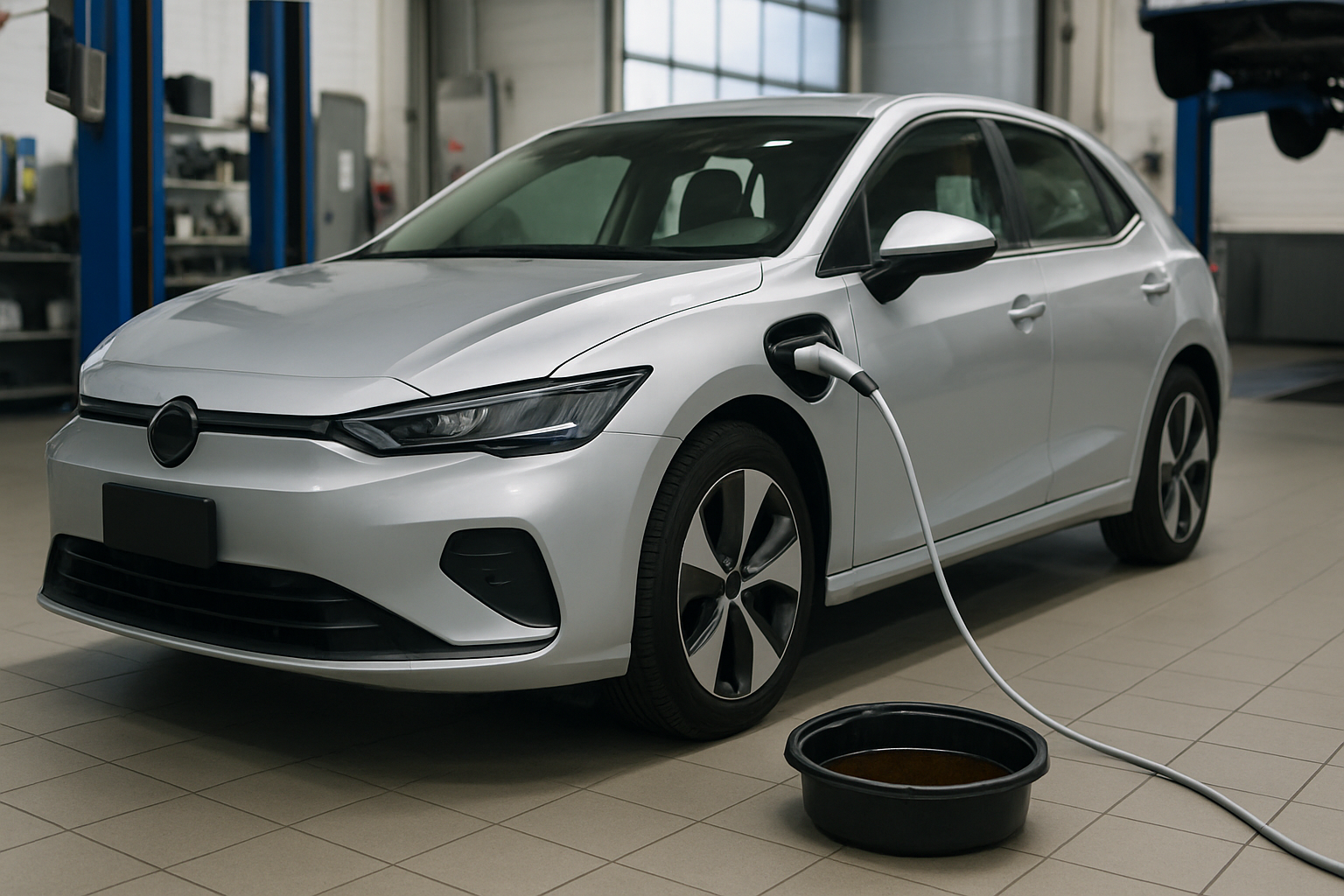
Electric car owners often wonder if they’re trading traditional oil changes for a maintenance-free experience. While EVs eliminate many routine service needs, they aren’t completely maintenance-free vehicles.
What Electric Cars Don’t Need
Electric vehicles eliminate several major maintenance headaches that plague gas-powered cars. You’ll never need another oil change because EVs don’t have internal combustion engines with moving pistons, crankshafts, or camshafts that require lubrication.
Most electric cars also skip transmission fluid changes. They typically use single-speed transmissions or direct drive systems that don’t require the complex multi-gear transmissions found in conventional vehicles. This means no more transmission fluid flushes every 30,000 to 60,000 miles.
You can also forget about spark plug replacements, air filter changes for the engine, fuel filter replacements, and exhaust system repairs. These components simply don’t exist in electric powertrains.
Electric Car Maintenance You Still Need
Don’t get too excited about going maintenance-free. Electric cars still have several components that need regular attention to keep them running safely and efficiently.
Tire Maintenance
Your EV’s tires need the same care as any vehicle. Electric cars are often heavier than comparable gas cars due to their battery packs, which can lead to faster tire wear. You’ll still need regular tire rotations every 5,000 to 8,000 miles and replacements when tread depth gets too low.
Many electric cars also come with low-rolling-resistance tires designed for maximum efficiency. These specialized tires can be more expensive to replace than standard tires, so proper maintenance becomes even more important.
Brake Service (But Less Frequent)
Electric cars still have friction brakes, but they don’t work as hard thanks to regenerative braking systems. When you lift your foot off the accelerator or press the brake pedal lightly, the electric motor reverses direction to slow the car while generating electricity.
This means your brake pads and rotors last much longer than in traditional cars. Instead of replacing brake pads every 25,000 to 50,000 miles, EV brake pads often last 75,000 miles or more. However, you’ll still need periodic brake inspections and eventual replacement.
One important note: because EV brakes are used less frequently, they’re more prone to corrosion and sticking. Some manufacturers recommend occasional “brake exercises” where you apply the friction brakes more aggressively to keep components clean and functional.
Brake Fluid Flushes
Even though your brakes get less use, brake fluid still absorbs moisture over time and needs replacement. Most manufacturers recommend brake fluid flushes every 2-4 years, regardless of mileage. This prevents internal corrosion in brake lines and maintains proper braking performance when you need it.
Cabin Air Filter
Your EV’s cabin air filter works just as hard as one in a gas car, filtering dust, pollen, and pollutants from outside air. Many electric cars actually have more sophisticated cabin filtration systems, including HEPA filters or bioweapon defense modes in some Tesla models.
Plan to replace your cabin air filter every 15,000 to 25,000 miles, or annually if you drive in dusty conditions. A clogged cabin filter reduces HVAC efficiency, which can impact your driving range.
Coolant System Maintenance
Electric cars use coolant, but not for an engine. Instead, coolant keeps the battery pack, electric motor, and power electronics at optimal temperatures. This thermal management system is critical for battery longevity and performance.
Most EVs need coolant flushes every 4-6 years or 50,000 to 100,000 miles. Some manufacturers use specialized coolants that cost more than traditional antifreeze, so check your owner’s manual for the correct specification.
Windshield Washer Fluid
This one’s obvious but worth mentioning. You’ll still need to top off washer fluid regularly, especially if you use features like automatic headlight washing found on some luxury EVs.
EV-Specific Maintenance Items
Electric cars introduce some unique maintenance needs that don’t exist in gas-powered vehicles.
Battery Thermal Management
Your EV’s battery cooling system requires periodic inspection. Some cars use air cooling with fans and filters that need replacement, while others use liquid cooling with pumps, hoses, and heat exchangers that can develop leaks.
Battery thermal management problems can severely impact range and battery life, making this one of the most important maintenance areas for EVs.
High-Voltage Safety Inspections
Electric cars operate at much higher voltages than traditional 12-volt automotive systems. Many manufacturers recommend periodic inspections of high-voltage connections, insulation, and safety systems.
These inspections typically require specialized training and equipment, so they’re usually performed by certified EV technicians rather than general automotive shops.
Software Updates
Unlike traditional cars, many EVs receive over-the-air software updates that can improve performance, add features, or fix bugs. While not exactly maintenance, staying current with software updates is important for optimal operation.
Some updates require the car to be plugged in and stationary for extended periods, so you’ll want to schedule them appropriately.
Maintenance Schedule Comparison
Here’s how EV maintenance typically compares to a traditional car over 100,000 miles:
Traditional Car: 20+ oil changes, 3-4 transmission services, multiple air filter changes, spark plug replacements, exhaust repairs, and all the standard items like tires and brakes.
Electric Car: Tire rotations and replacements, brake inspections (fewer pad changes), cabin filter changes, 1-2 coolant flushes, brake fluid flushes, and periodic high-voltage system inspections.
The difference in maintenance frequency and cost is substantial. Most EV owners report spending 40-50% less on routine maintenance compared to similar gas-powered vehicles.
When to Seek Professional Service
While EVs need less maintenance, certain issues require immediate professional attention. Any warning lights related to the battery, charging system, or high-voltage components should be addressed by certified EV technicians.
Similarly, if you notice reduced range, charging problems, or unusual noises from the motor or cooling systems, don’t attempt DIY repairs. High-voltage electrical systems can be dangerous without proper training and equipment.
Many routine maintenance items like cabin filters, washer fluid, and tire rotations can still be handled by general automotive shops or competent DIY mechanics.
Cost Considerations
EV maintenance costs vary significantly by manufacturer and model. Tesla owners often report lower maintenance costs due to the company’s direct-service model and over-the-air updates. However, when repairs are needed, parts can be expensive and harder to find.
Luxury EV brands like Mercedes, BMW, and Audi may have higher maintenance costs due to specialized parts and dealer service requirements. More mainstream brands like Nissan, Chevrolet, and Hyundai typically offer more affordable maintenance.
Factor in potential savings from reduced brake wear, no oil changes, and fewer moving parts when calculating the total cost of EV ownership.
Frequently Asked Questions
How often do electric cars need servicing?
Most electric cars need professional servicing every 12-24 months or 10,000-20,000 miles, compared to every 3,000-7,500 miles for oil changes in gas cars. The exact interval depends on your specific model and driving conditions.
Do electric cars need coolant changes?
Yes, electric cars use coolant to manage battery and motor temperatures. Coolant typically needs replacement every 4-6 years or 50,000-100,000 miles, though intervals vary by manufacturer.
Are EV brake pads different from regular brake pads?
EV brake pads are often similar to conventional brake pads but may use different compounds optimized for less frequent use. The main difference is they last much longer due to regenerative braking assistance.
Can I service my electric car at any shop?
Basic maintenance like tires, cabin filters, and brake inspections can be done at most shops. However, high-voltage system work, software updates, and specialized repairs typically require certified EV technicians with proper safety equipment.
This article contains affiliate links. If you purchase through these links, we may earn a small commission at no extra cost to you.

Leave a Reply