
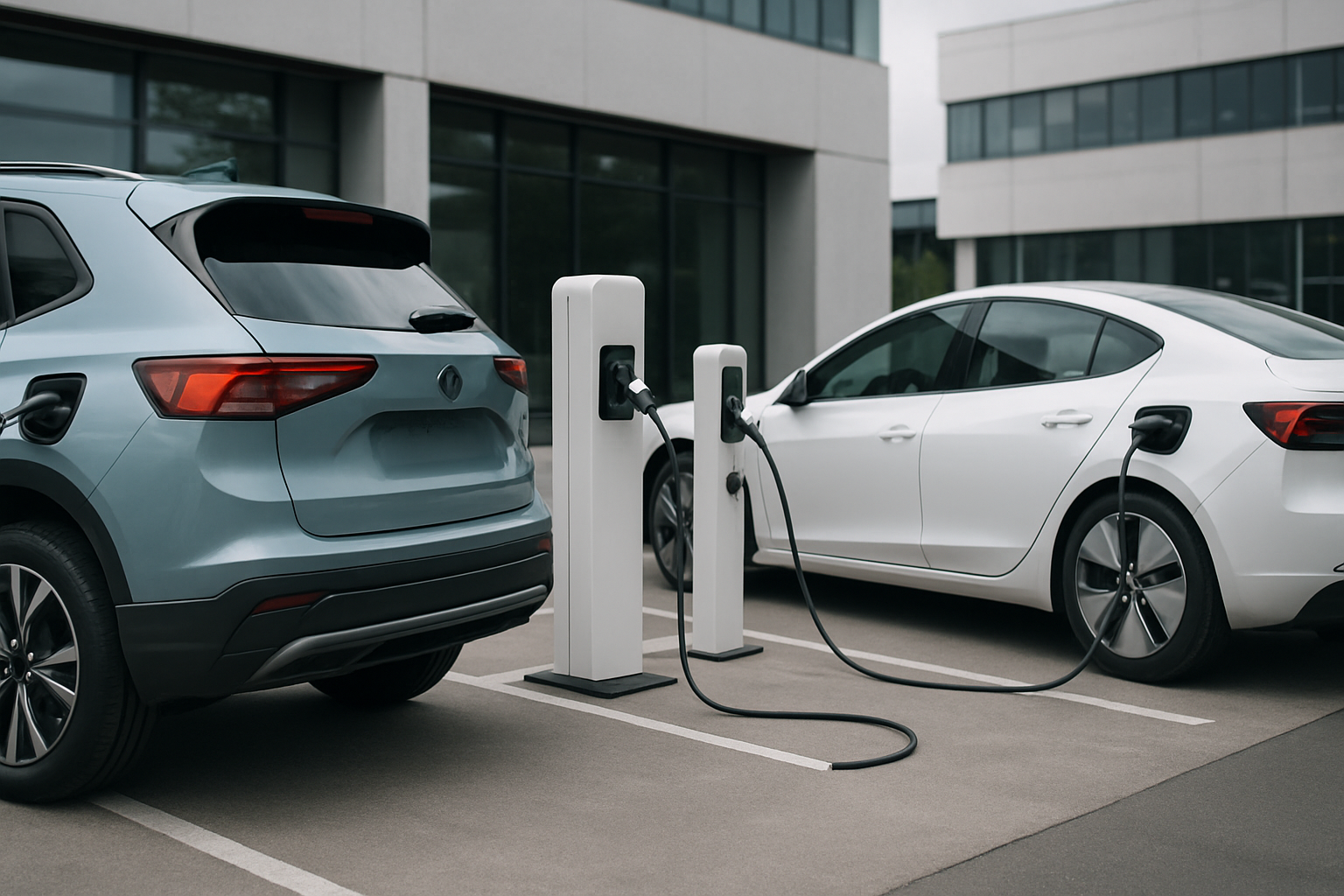
Choosing between a plug-in hybrid (PHEV) and a full electric vehicle (EV) might feel overwhelming, but the decision comes down to your specific driving habits and lifestyle. After years of watching both technologies mature, I’m convinced that most people would benefit more from a plug-in hybrid right now, despite the environmental appeal of going fully electric.
Understanding the Key Differences
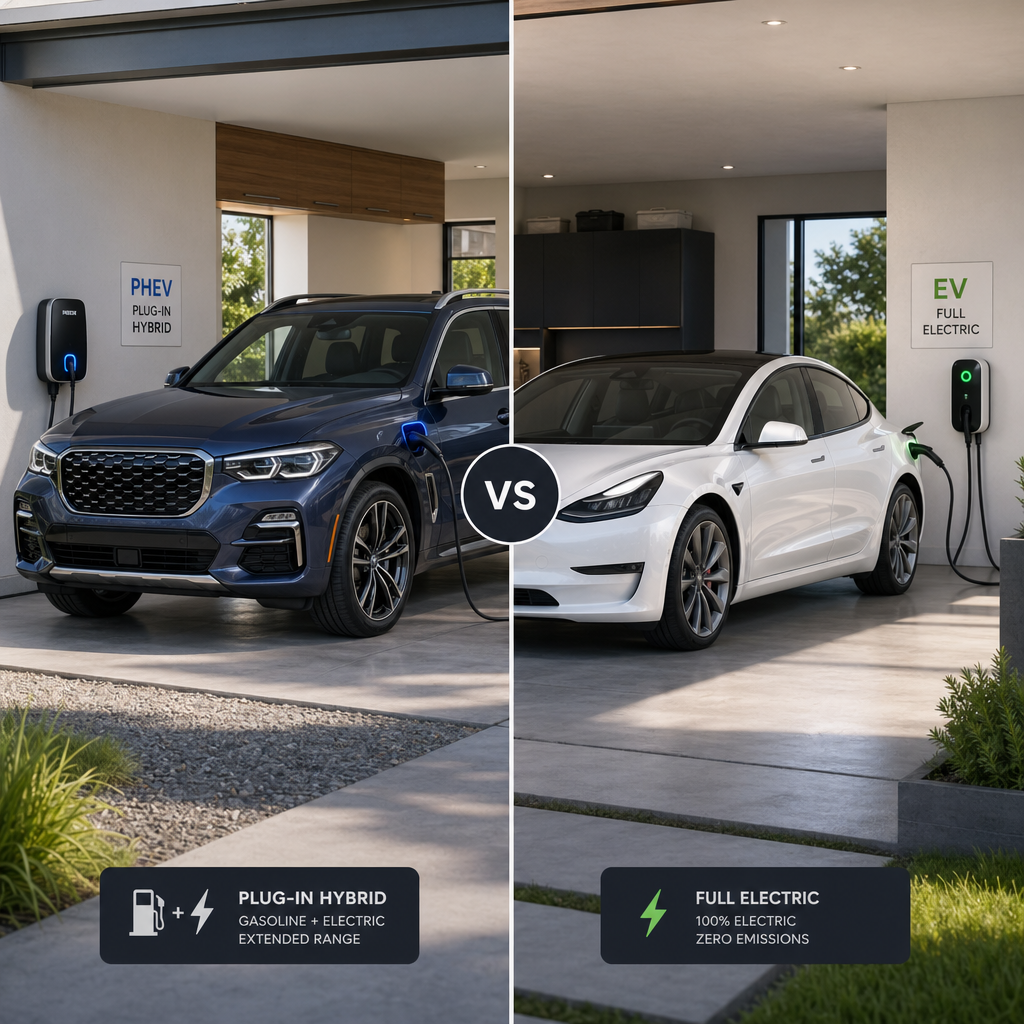
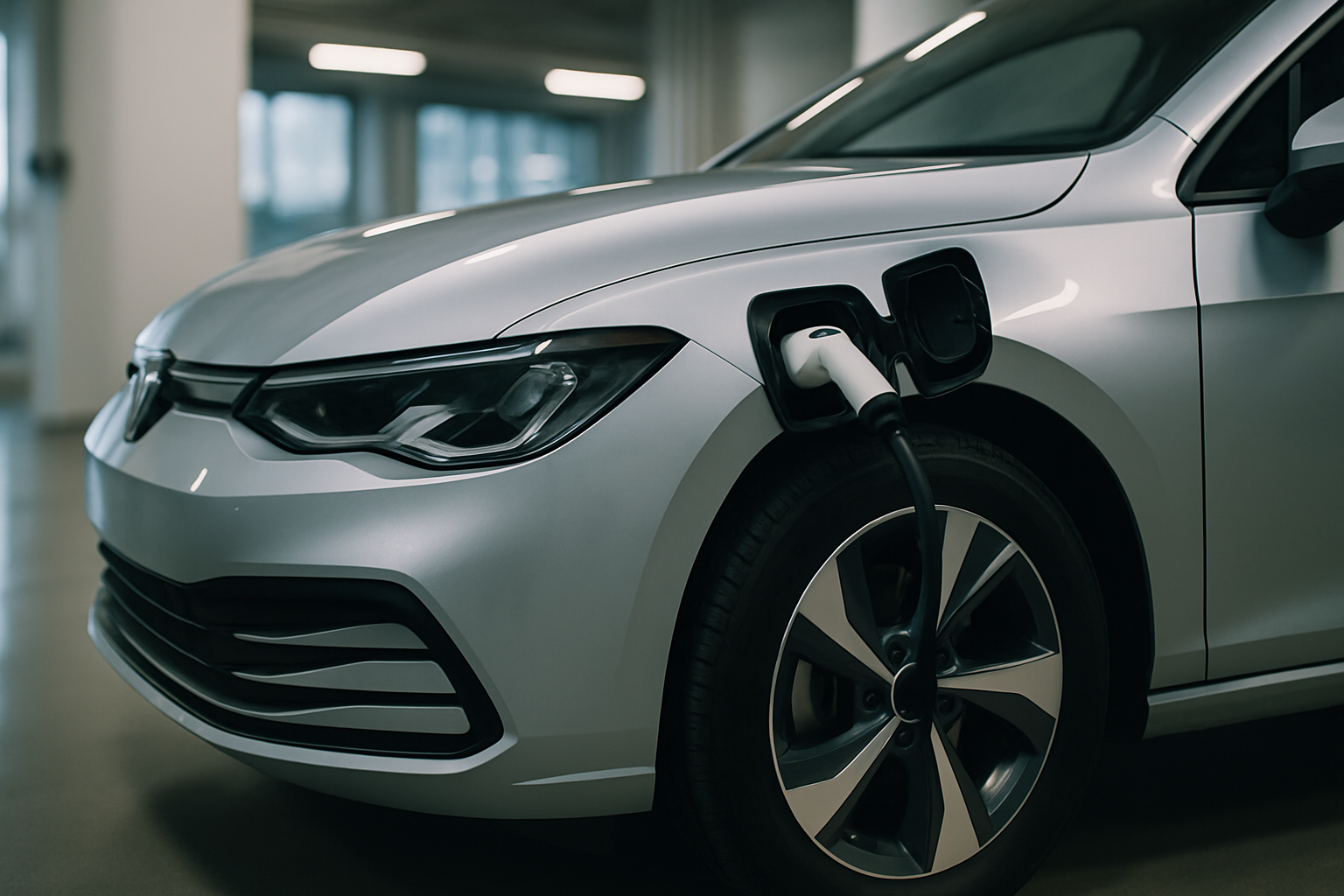
Plug-in hybrids combine a traditional gas engine with an electric motor and battery pack that you can charge from a wall outlet. Most PHEVs offer 25-50 miles of electric-only range before the gas engine kicks in. Full EVs rely entirely on battery power, typically providing 200-400 miles of range per charge.
The fundamental difference affects every aspect of ownership. PHEVs give you electric driving for daily commutes while maintaining the flexibility of gas for longer trips. Full EVs offer zero local emissions and lower operating costs but require more planning for road trips.
Daily Driving Reality Check
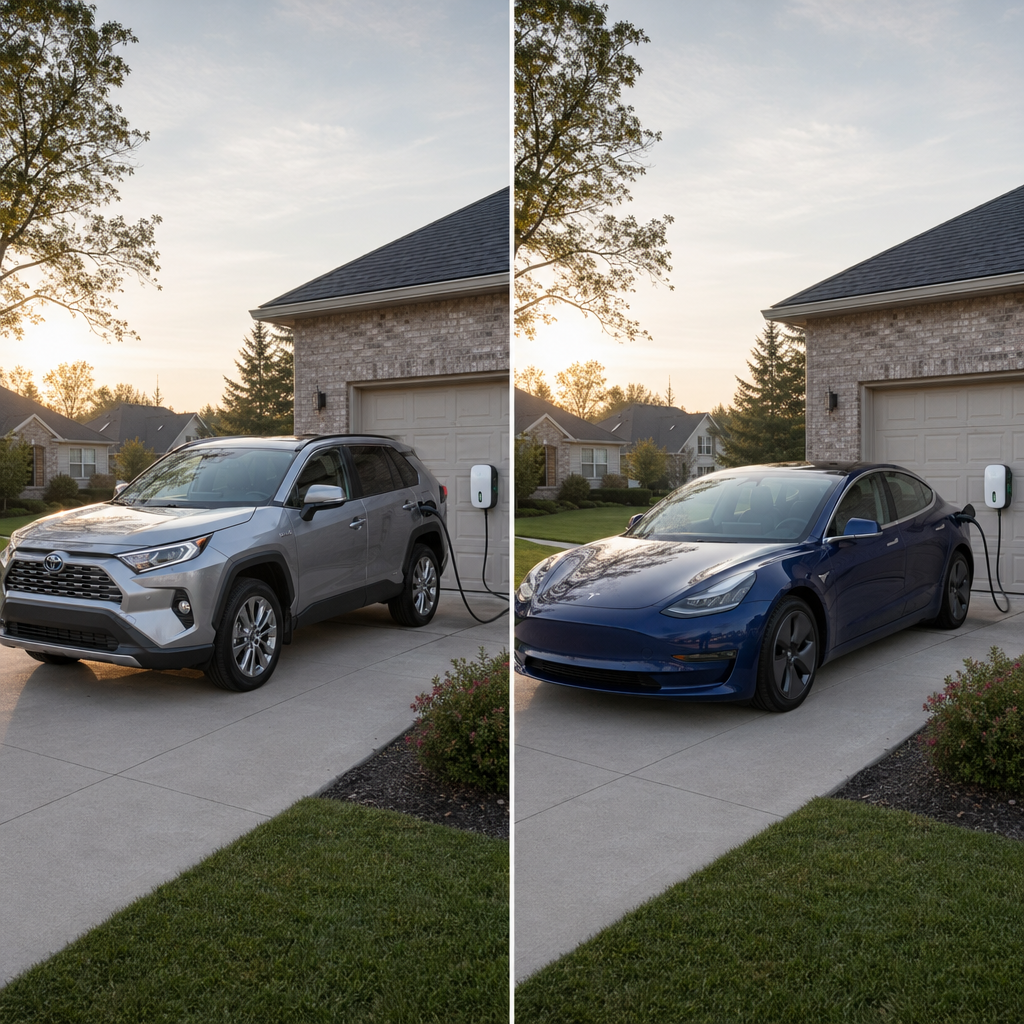
Most Americans drive less than 40 miles per day, which means a decent PHEV like the Toyota Prius Prime or Honda Clarity could handle your daily commute on electric power alone. You’d plug in at night, drive to work on battery power, and never burn a drop of gas during the week.
This setup works incredibly well if you have reliable home charging. You get the environmental benefits of electric driving for 80-90% of your miles while keeping the gas engine as backup for unexpected long trips or charging emergencies.
Full EVs excel for people with predictable routines and reliable charging access. If your daily driving stays well within your EV’s range and you can charge at home every night, you’ll enjoy lower fuel costs and minimal maintenance.
The Charging Infrastructure Problem
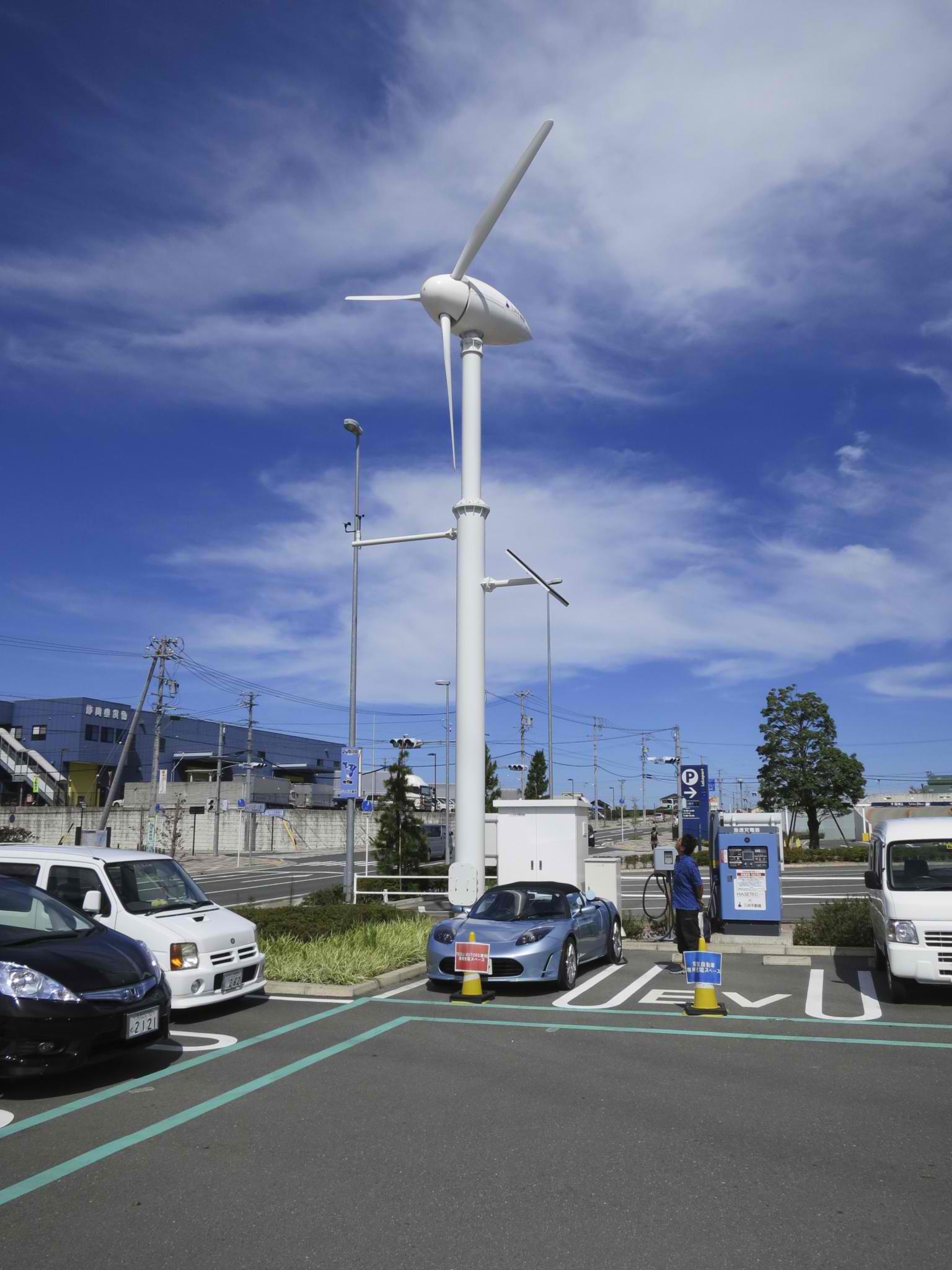
Public charging remains the biggest weakness of full EV ownership. While Tesla’s Supercharger network works reliably, other charging networks suffer from broken stations, slow speeds, and frustrating payment systems. I’ve seen too many EV road trips turn into multi-hour charging adventures.
PHEV owners sidestep this problem entirely. You can charge at home for daily driving, but if the charging station is broken or you’re running late, you simply drive on gas. This flexibility eliminates range anxiety and charging stress.
Urban apartment dwellers face particular challenges with EV charging. Many complexes still lack charging infrastructure, making overnight charging impossible. PHEVs work better in these situations since you’re not completely dependent on finding public charging.
Cost Considerations
PHEVs typically cost check current prices less than comparable full EVs. The Toyota RAV4 Prime starts around check current prices, while the Tesla Model Y begins near check current prices. Both qualify for federal tax credits, but the PHEV’s lower purchase price makes it more accessible.
Operating costs favor full EVs if you drive mostly on electricity. Charging at home costs roughly 3-4 cents per mile compared to 12-15 cents per mile for gas. However, PHEV owners who charge regularly can achieve similar efficiency for daily driving while maintaining gas capability for road trips.
Maintenance costs slightly favor PHEVs in the short term since you’re not completely dependent on specialized EV service centers. Most mechanics can handle the gas engine components, while the electric drivetrain requires less maintenance than traditional transmissions.
Real-World Use Cases
When PHEVs Make More Sense
PHEVs work best for commuters with home charging who occasionally take long trips. If you drive 30 miles to work each day but visit family 200 miles away every few months, a PHEV handles both scenarios effortlessly.
They’re also ideal for households with one car that needs to serve multiple purposes. Instead of worrying about charging stops on weekend getaways, you can drive like a traditional car when needed while still enjoying electric operation for daily errands.
People living in areas with harsh winters should consider PHEVs seriously. Cold weather reduces EV range by 20-40%, but PHEVs maintain full capability through their gas engines. You won’t get stranded because your battery lost capacity in freezing temperatures.
When Full EVs Win
Full EVs make sense for dedicated eco-conscious drivers with predictable routines. If you rarely drive more than 150 miles at once and have reliable home charging, you’ll save money and reduce emissions with a full EV.
They’re also better for people who want the latest technology and don’t mind planning trips around charging stops. Tesla owners often enjoy the road trip experience with Supercharger stops, treating charging time as built-in breaks.
Urban drivers who primarily use cars for city commuting benefit from full EVs. The instant torque and quiet operation make city driving more pleasant, while zero local emissions help air quality.
The Practicality Factor
Most people overestimate how often they need long-range capability, but when they do need it, they really need it. Emergency trips to see sick relatives, unexpected work travel, or evacuation situations don’t allow time to plan charging stops carefully.
PHEVs handle these scenarios without stress. You might not be as efficient as during normal electric driving, but you won’t get stranded or spend hours at charging stations when time matters most.
This flexibility extends to daily life too. If you forget to plug in, run errands longer than expected, or encounter a broken charging station, PHEVs adapt automatically. Full EVs require more discipline and planning to avoid inconvenience.
Environmental Impact Reality
Full EV advocates often claim superior environmental benefits, but real-world PHEV usage can be surprisingly clean. Studies show PHEV owners who charge regularly achieve 60-80% electric driving, dramatically reducing emissions compared to traditional vehicles.
The key is actually plugging in consistently. PHEV owners who treat their cars like regular hybrids without charging waste the environmental benefits. However, those who embrace electric driving for daily use while keeping gas for long trips often achieve the best of both worlds.
Manufacturing impacts also matter. PHEVs use smaller batteries than full EVs, reducing mining demands for lithium and cobalt. While full EVs eventually offset their manufacturing footprint through zero-emission operation, PHEVs start with lower environmental debt.
Technology Maturity
PHEV technology has reached impressive maturity. Modern systems like those in the Toyota Prius Prime or Ford Escape Hybrid seamlessly blend electric and gas operation. The transition between power sources happens smoothly without driver intervention.
Full EV technology continues advancing rapidly, particularly in charging speeds and battery chemistry. However, this rapid change means today’s EVs might feel outdated sooner than PHEVs, which can rely on proven gas technology alongside evolving electric components.
Battery degradation affects both vehicle types, but PHEVs handle aging batteries more gracefully. A PHEV with 20% battery degradation still functions normally on gas power, while an aging EV loses significant capability.
My Honest Recommendation
For most people reading this, a plug-in hybrid makes more practical sense than a full EV. You’ll get electric driving benefits for daily use while maintaining the flexibility and convenience of gas backup. This combination eliminates range anxiety and charging infrastructure frustrations that still plague EV ownership.
Full EVs work well for specific use cases, but PHEVs accommodate a wider range of lifestyles and driving patterns. They’re particularly valuable during the current transition period while charging infrastructure continues developing.
The ideal scenario involves buying a PHEV now and switching to full EV for your next vehicle in 5-7 years. By then, charging infrastructure should improve significantly, and EV technology will advance further. PHEVs let you start electrifying your driving immediately without the compromises of current EV ownership.
Frequently Asked Questions
Do PHEVs require premium gas?
Most PHEVs run fine on regular unleaded gas, just like their non-hybrid counterparts. Check your owner’s manual for specific requirements, but premium fuel usually isn’t necessary unless you’re driving a performance-oriented PHEV.
How often should I charge my PHEV?
Charge your PHEV every night if possible to maximize electric driving. Unlike phone batteries, PHEV batteries handle daily charging cycles well. Consistent charging helps you achieve the best fuel economy and environmental benefits.
What happens if my PHEV battery dies completely?
PHEVs continue operating normally on gas power even with dead batteries. You’ll lose electric driving capability but won’t get stranded. This differs from full EVs, which become inoperable when batteries are depleted.
Are PHEVs more expensive to maintain?
PHEVs typically cost slightly more to maintain than regular cars due to their dual powertrains, but less than full EVs that require specialized service. Most routine maintenance can be handled by regular mechanics, while the electric components generally need little attention.
This article contains affiliate links. If you purchase through these links, we may earn a small commission at no extra cost to you.


Leave a Reply