
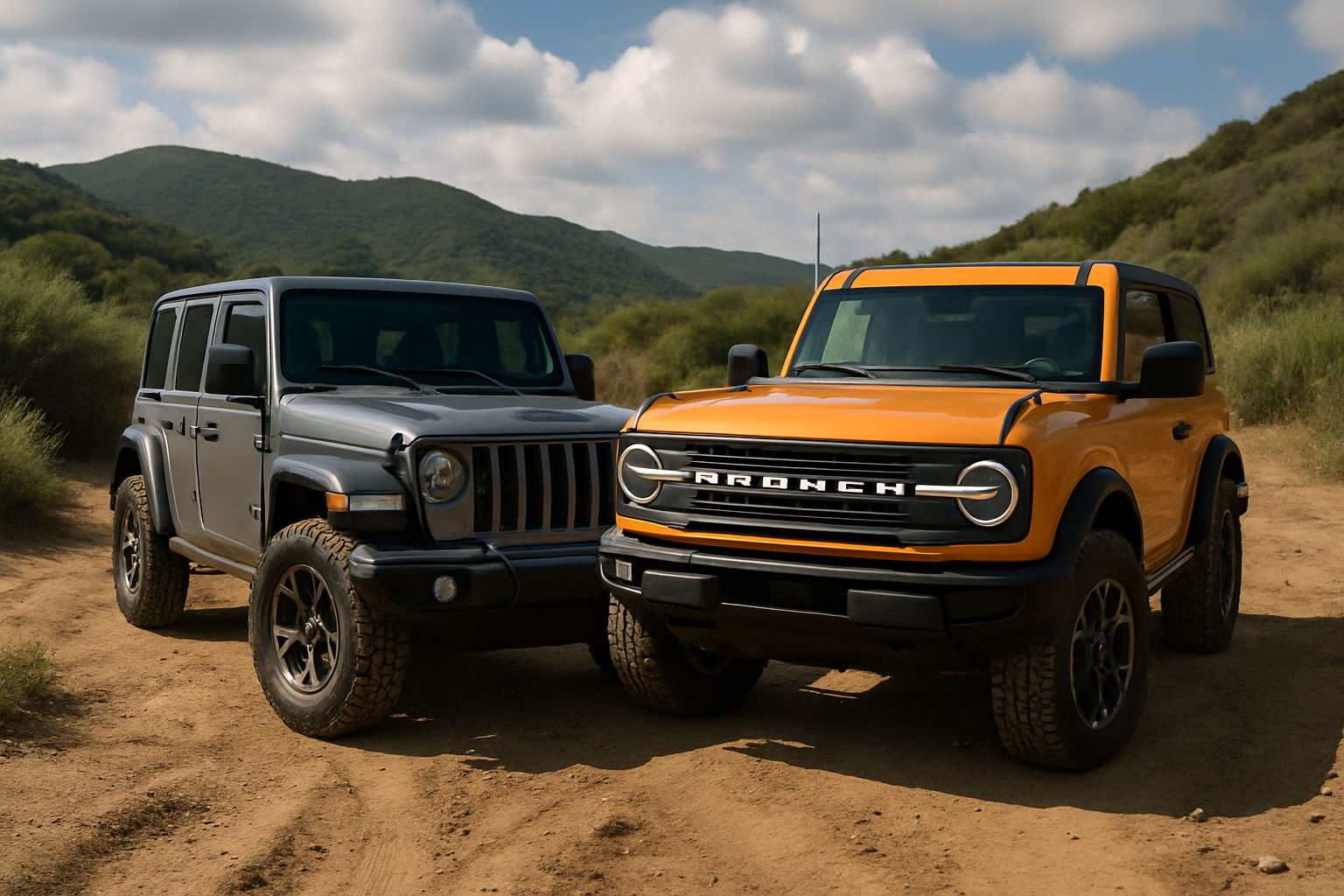
Choosing your first serious off-road vehicle can feel overwhelming, especially when it comes down to the two most iconic names in the game: the Jeep Wrangler and Ford Bronco. Both offer incredible capability straight from the factory, but they take different approaches to conquering trails and fitting into your daily routine.
Current Generation Rundown
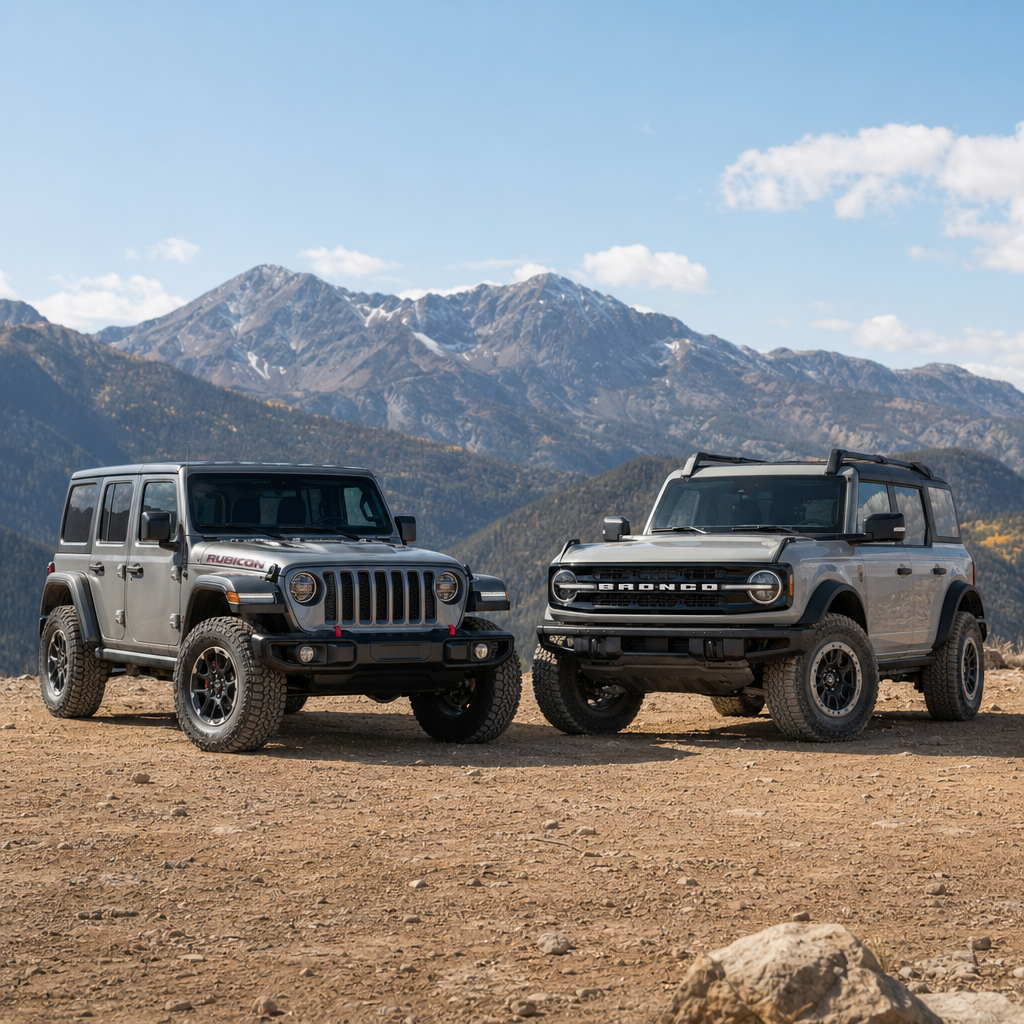
We’re comparing the current Jeep Wrangler JL (2018-present) against the new Ford Bronco (2021-present). Both represent the latest thinking in factory off-road capability, but they’ve evolved from different philosophies. The Wrangler builds on 80+ years of proven design, while the Bronco brings modern engineering to challenge Jeep’s dominance.
You’ll find four-door versions of both vehicles, though the Wrangler also offers a two-door variant if you prefer a more compact setup. The Bronco comes in multiple trim levels from the base model up to the hardcore Raptor, while Wrangler trims range from Sport to the trail-focused Rubicon.
Off-Road Capability: The Numbers That Matter
Approach and Departure Angles
Your approach angle determines how steep of an incline you can climb without scraping your front bumper. The Wrangler Rubicon delivers a 44-degree approach angle, while the Bronco Badlands manages 43.2 degrees. You won’t notice this 0.8-degree difference on real trails.
Departure angles matter when you’re backing down steep sections or climbing over obstacles. The Rubicon’s 37-degree departure angle beats the Bronco’s 33.1 degrees by a more noticeable margin. This extra clearance can save your rear bumper on rocky descents.
Ground clearance tells a similar story. The Wrangler Rubicon sits 10.8 inches off the ground, while the Bronco Badlands offers 11.6 inches. Both provide plenty of clearance for most beginner trails, though the Bronco’s extra height helps when crossing logs or rocks.
Four-Wheel Drive Systems
The Wrangler uses a traditional part-time 4WD system with a two-speed transfer case. You’ll manually select 2WD, 4WD High, or 4WD Low using a lever or electronic switch. This system is bulletproof and easy to understand, but you can’t use 4WD on dry pavement without binding up the drivetrain.
Ford’s Bronco offers both systems. The base G.O.A.T. (Goes Over Any Terrain) system provides selectable 4WD similar to the Wrangler. The available advanced 4WD system adds an auto mode that can send power to all four wheels when needed, even on dry roads. This makes daily driving more convenient but adds complexity.
Trail Technology: Modern Assistance
Both vehicles pack serious tech to help beginners navigate challenging terrain. The Bronco’s G.O.A.T. modes optimize the vehicle’s settings for different conditions: Sand, Slippery, Sport, Eco, Normal, Rock Crawl, and Mud/Ruts. Each mode adjusts throttle response, transmission shift points, and stability control.
Jeep’s approach centers around the Selec-Trac system with modes for Auto, Snow, Sand, Mud, and Rock. The Wrangler also includes hill descent control and electronic front and rear differential locks on Rubicon models. These lockers force both wheels on an axle to spin at the same speed, providing maximum traction when one wheel lifts off the ground.
The Bronco counters with an available front differential lock and rear differential locker on the Jeep Wrangler Rubicon. While not as aggressive as full lockers, this setup handles most beginner situations while being easier on drivetrain components.
Crawl Ratios and Gearing
Your crawl ratio determines how slowly you can move over obstacles while maintaining control. Lower gears let you pick your way through technical sections without riding the brakes. The Wrangler Rubicon achieves a 84.2:1 crawl ratio with its manual transmission, or 77.2:1 with the automatic.
The Bronco’s crawl ratio varies by configuration. With the Sasquatch package (35-inch tires and upgraded axles), you’ll get a 67.8:1 ratio. This difference means the Wrangler can move more slowly over obstacles, giving beginners extra control in technical situations.
Daily Drivability: Living With Your Choice
Your off-road vehicle needs to work for grocery runs and highway commutes, not just weekend adventures. Both vehicles make compromises for their trail capability, but in different ways.
On-Road Manners
The Bronco feels more civilized on pavement. Its independent front suspension smooths out road imperfections better than the Wrangler’s solid front axle. Highway cruising is quieter and more comfortable, with less wandering in crosswinds. The steering feels more precise at parking lot speeds.
Wrangler owners accept trade-offs for maximum off-road capability. The solid front axle creates a rougher ride on broken pavement, and the upright windshield catches wind noise at highway speeds. However, this same suspension setup provides incredible articulation and durability on trails.
Interior Space and Comfort
Both four-door versions offer reasonable rear-seat space for adults, though neither excels here. The Bronco’s seats provide better long-distance comfort with more adjustment range and support. The Wrangler’s more upright seating position gives you a better view of trail obstacles but can feel less relaxed on long drives.
Cargo space favors the Bronco slightly, with 35.6 cubic feet behind the rear seats versus the Wrangler’s 31.7 cubic feet. Both expand significantly when you fold the rear seats down.
Removable Tops and Doors: Open-Air Freedom
This category represents one of the biggest differences between these vehicles. The Wrangler pioneered the removable door and roof concept, and it shows in the execution.
Wrangler’s Proven System
Removing Wrangler doors takes about five minutes per door once you get the hang of it. You’ll lift each door up and off its hinges, then store them in your garage or truck bed. The process requires no tools, and aftermarket door storage solutions let you carry them on trail runs.
The soft top folds down in sections, giving you a convertible feel or full open-air experience. Hard tops require removal and storage, but aftermarket hoists make this manageable in your garage. You can also remove just the front sections for a targa-top feel while keeping rear passengers covered.
Bronco’s Modern Take
Ford designed the Bronco’s removable features around modern convenience. The soft top includes power-folding rear sections that retract at the push of a button. The front sections still require manual removal, but the process is more streamlined than older convertible designs.
The Bronco’s hard top features modular panels that come off individually. You can remove just the front sections for a sunroof effect, or take off additional panels for more open-air feeling. However, you’ll need to store these panels somewhere, and they’re not as easy to manage as the Wrangler’s simpler system.
Door removal on the Bronco requires tools and more time. Ford includes door storage bags, but the process feels less refined than the Wrangler’s tool-free approach. Most Bronco owners leave their doors on more often than Wrangler owners.
Aftermarket Support: Modification Potential
Aftermarket support can make or break your long-term enjoyment, especially as you develop specific preferences for different types of trails.
Wrangler’s Massive Ecosystem
The Wrangler enjoys decades of aftermarket development. You’ll find everything from simple bolt-on accessories to complete suspension overhauls. Companies like Quadratec, ExtremeTerrain, and 4WheelParts stock thousands of Wrangler-specific parts.
Popular modifications include lift kits from Rough Country, Fox, and AEV, bumpers from Smittybilt and Rugged Ridge, and lighting from KC HiLiTES. You can also find specialized rock sliders, differential covers, and armor plating for every vulnerable component.
The variety means competitive pricing and proven compatibility. Most modifications have been tested by thousands of users, so you can research real-world performance before buying.
Bronco’s Growing Selection
The Bronco’s aftermarket started from zero in 2021, but it’s growing rapidly. Companies like COBB Tuning, Ford Performance, and Roush offer factory-approved modifications. Independent manufacturers are developing bumpers, lights, and suspension components specifically for the Bronco platform.
However, selection remains limited compared to the Wrangler. Prices tend to run higher due to lower production volumes, and you’ll have fewer options for specialized applications. The good news is that Ford Performance offers factory-backed upgrades that maintain your warranty coverage.
Which Vehicle Fits Your Needs
Choose the Wrangler If:
You prioritize maximum off-road capability and don’t mind sacrificing some daily comfort. The Wrangler makes sense when you plan to modify your vehicle extensively or when you want the most proven off-road platform available. The removable doors and top system works better for frequent open-air driving.
New off-roaders appreciate the Wrangler’s simple, mechanical systems. When something breaks on the trail, you can often diagnose and fix it with basic tools. The massive aftermarket support means you’ll never lack for upgrade options.
Choose the Bronco If:
Daily driving comfort matters as much as weekend trail capability. The Bronco suits buyers who want modern refinement with their off-road ability. The more sophisticated four-wheel-drive system and better on-road manners make it easier to live with as an only vehicle.
You’ll also prefer the Bronco when you want the latest technology integration and don’t plan extensive modifications. The factory G.O.A.T. modes provide excellent off-road performance without requiring aftermarket additions.
Recommended Off-Road Recovery Gear
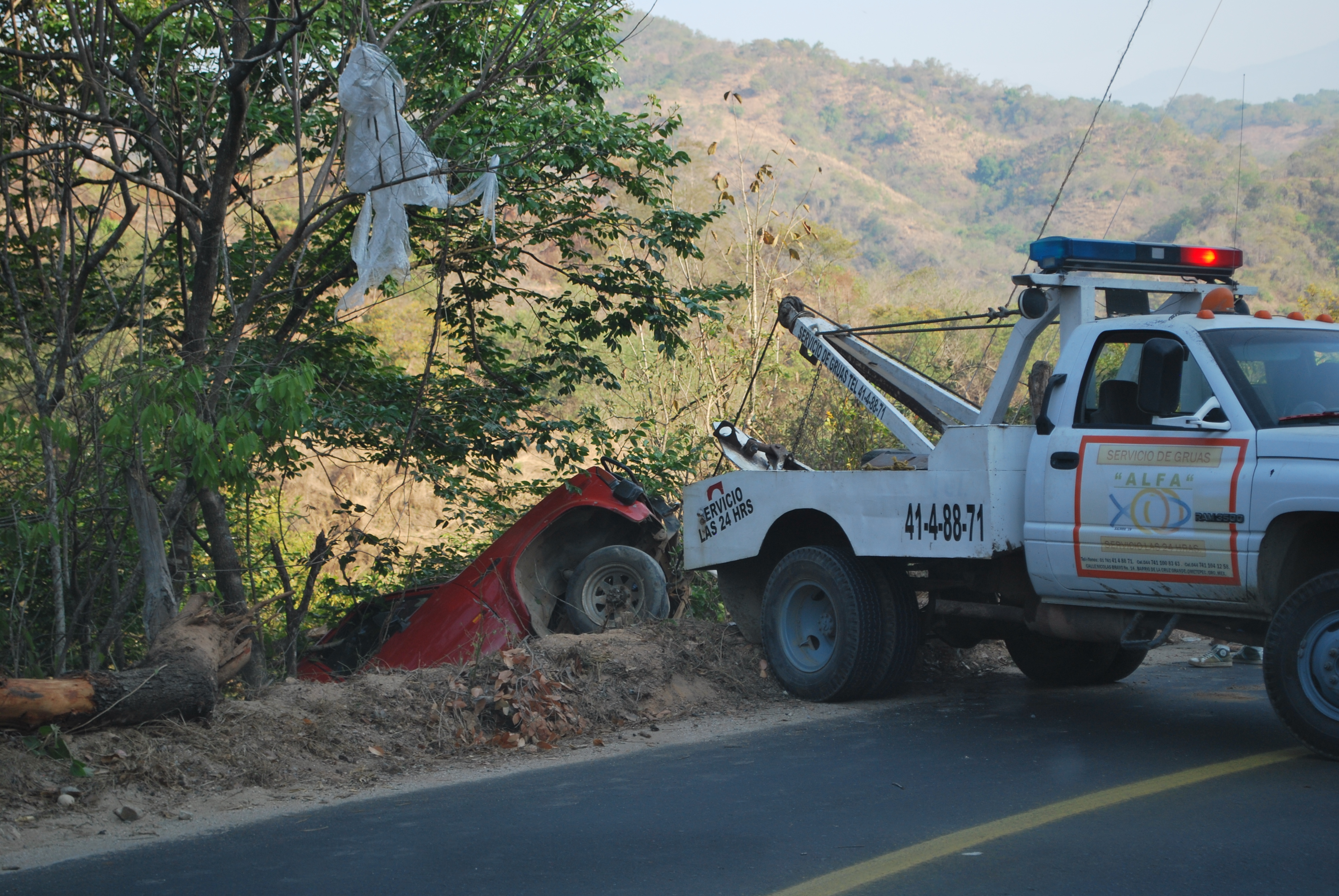
Regardless of which vehicle you choose, you’ll need proper recovery equipment for safe off-road adventures. A comprehensive off road recovery gear kit should include a kinetic recovery rope, soft shackles, and a basic tool set. These items can get you unstuck when you misjudge a trail obstacle or encounter unexpected conditions.
Quality recovery gear pays for itself the first time you need it. Brands like ARB, Smittybilt, and WARN offer reliable equipment that won’t fail when you’re miles from help.
Frequently Asked Questions
Which vehicle costs less to maintain?
The Wrangler typically costs less for routine maintenance due to its simpler mechanical systems and wider service network. Ford dealers are still learning Bronco-specific procedures, while Jeep service departments have decades of Wrangler experience. However, both vehicles should provide similar long-term reliability when properly maintained.
Can beginners handle these vehicles on difficult trails?
Both vehicles include enough electronic assistance to help beginners navigate challenging terrain safely. Start with easier trails to learn your vehicle’s capabilities before attempting more difficult routes. Consider taking a guided off-road course to develop proper technique and safety habits.
How do fuel economy numbers compare?
Both vehicles prioritize capability over efficiency, but the Bronco’s more aerodynamic shape and advanced transmission help it achieve slightly better highway fuel economy. Expect around 20-22 mpg highway from either vehicle under normal driving conditions. Off-road driving will significantly reduce these numbers.
Which holds its value better?
Wranglers have historically maintained excellent resale values due to their cult following and proven durability. The Bronco is too new to establish a resale track record, but early indicators suggest strong demand in the used market. Both vehicles should retain value better than most SUVs due to their specialized nature and loyal customer bases. For a deeper look at reliability and ownership costs compared between these vehicles, check out our comprehensive analysis.
Leave a Reply