
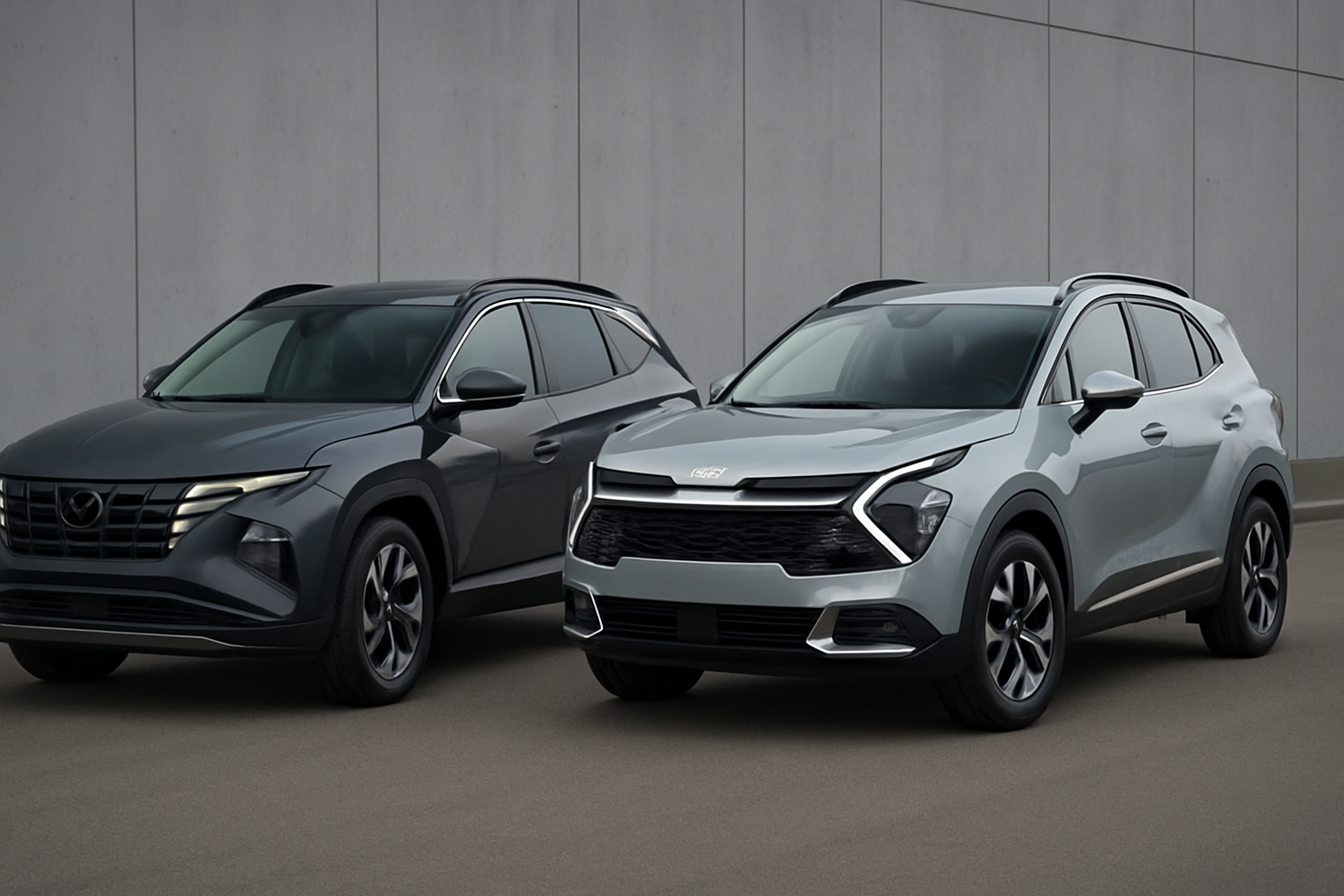
The Hyundai Tucson and Kia Sportage share the same underlying platform, but their differences go deeper than most buyers realize. Both SUVs roll off assembly lines as corporate siblings, yet each targets distinct buyer preferences through unique styling, feature sets, and pricing strategies.
Platform and Engineering: The Shared Foundation
Both the current-generation Tucson (2022+) and Sportage (2023+) ride on Hyundai Motor Group’s N3 platform. This shared architecture means identical wheelbase dimensions, similar suspension geometry, and the same basic structural components underneath.
You’ll find the same engine options across both models: a 2.5-liter naturally aspirated four-cylinder producing 187 horsepower, and a 1.6-liter turbocharged engine making 180 horsepower in standard form or 227 horsepower in hybrid configurations. The eight-speed automatic transmission is identical in both vehicles.
Despite this mechanical similarity, each brand tunes their suspension differently. Hyundai typically calibrates the Tucson for a slightly softer ride quality, while Kia often dials in a firmer setup that feels more connected to the road. These differences are subtle but noticeable during back-to-back drives.
Exterior Design: Where Personalities Diverge
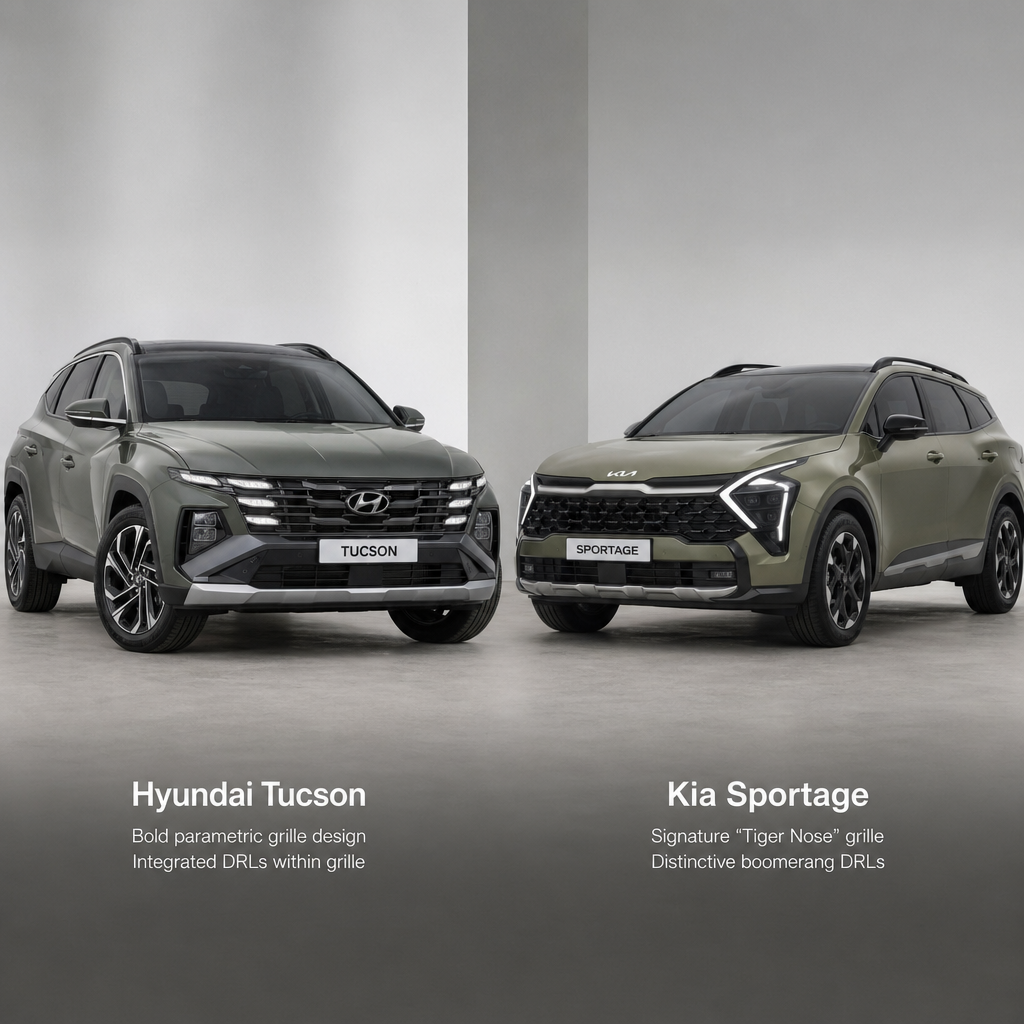
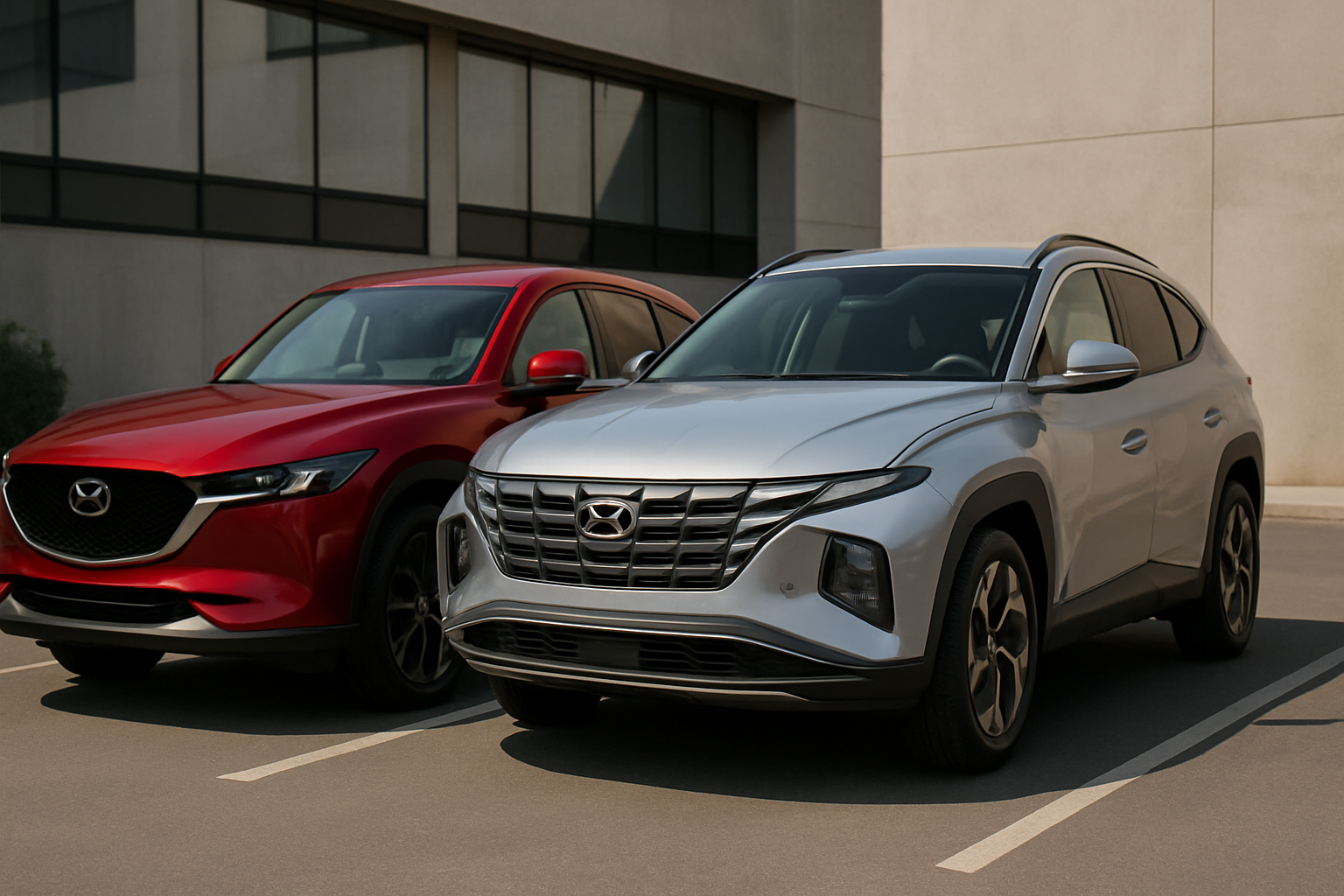
The styling represents the biggest visual separation between these siblings. Hyundai’s current design language emphasizes bold, angular lines with their signature parametric grille design. The Tucson’s front end features interconnected LED daytime running lights that create a distinctive light signature.
Kia takes a more conservative approach with the Sportage’s exterior. The design feels more traditionally SUV-like, with cleaner lines and less polarizing styling elements. The front fascia uses Kia’s updated tiger nose grille, which appears more conventional than Hyundai’s geometric approach.
Dimensionally, both vehicles measure nearly identical in length, width, and height. The Tucson stretches about an inch longer overall, but this difference won’t affect your parking or garage fit considerations.
Interior Design and Materials
Step inside either vehicle and you’ll notice distinctly different approaches to cabin design. The Tucson embraces a tech-forward aesthetic with its available dual 12.3-inch curved display setup. Physical climate controls hide beneath a touch panel that activates when you approach the center console.
Kia keeps things more straightforward in the Sportage with separate screens for infotainment and gauge clusters. Physical buttons and knobs remain easily accessible for climate and audio functions. Many drivers prefer this approach for its intuitive operation while driving.
Material quality feels comparable between both interiors, though each uses different textures and color schemes. The Tucson often features more dramatic interior color combinations, while the Sportage sticks to more traditional automotive color palettes.
Rear seat space and cargo capacity measure virtually identical due to the shared platform. Both offer around 38.5 cubic feet of cargo space behind the rear seats and similar rear passenger legroom.
Technology and Infotainment Systems
Both vehicles run their respective brand’s latest infotainment software, but the user experience differs significantly. Hyundai’s system emphasizes visual appeal with smooth animations and modern graphics. The interface responds quickly to inputs but requires learning new menu structures if you’re coming from an older Hyundai.
Kia’s infotainment feels more familiar to most users, with logical menu layouts and intuitive icon placement. The system includes similar connectivity features like wireless Apple CarPlay and Android Auto, but presents them in a more traditional format.
Standard safety features remain nearly identical across both models. Hyundai SmartSense and Kia Drive Wise packages include automatic emergency braking, blind spot monitoring, rear cross-traffic alert, and lane keeping assist. The systems use the same underlying sensors and operate with similar effectiveness.
Pricing and Trim Level Strategy
Pricing represents one of the most significant practical differences between these vehicles. Kia typically prices the Sportage about check current prices lower than comparable Tucson trim levels. This pricing gap has remained consistent across multiple model years.
Trim level naming and feature packaging differ between brands. Hyundai uses SE, SEL, N Line, and Limited designations, while Kia employs LX, S, EX, and SX Turbo nomenclature. Features don’t always align directly between trim levels, making direct comparisons more complex.
The Tucson offers an N Line variant with sportier styling elements and tuning, while Kia focuses on the SX Turbo for their performance-oriented model. Neither represents a true performance SUV, but both add visual appeal and slightly sharper handling characteristics.
Hybrid and Electrified Options
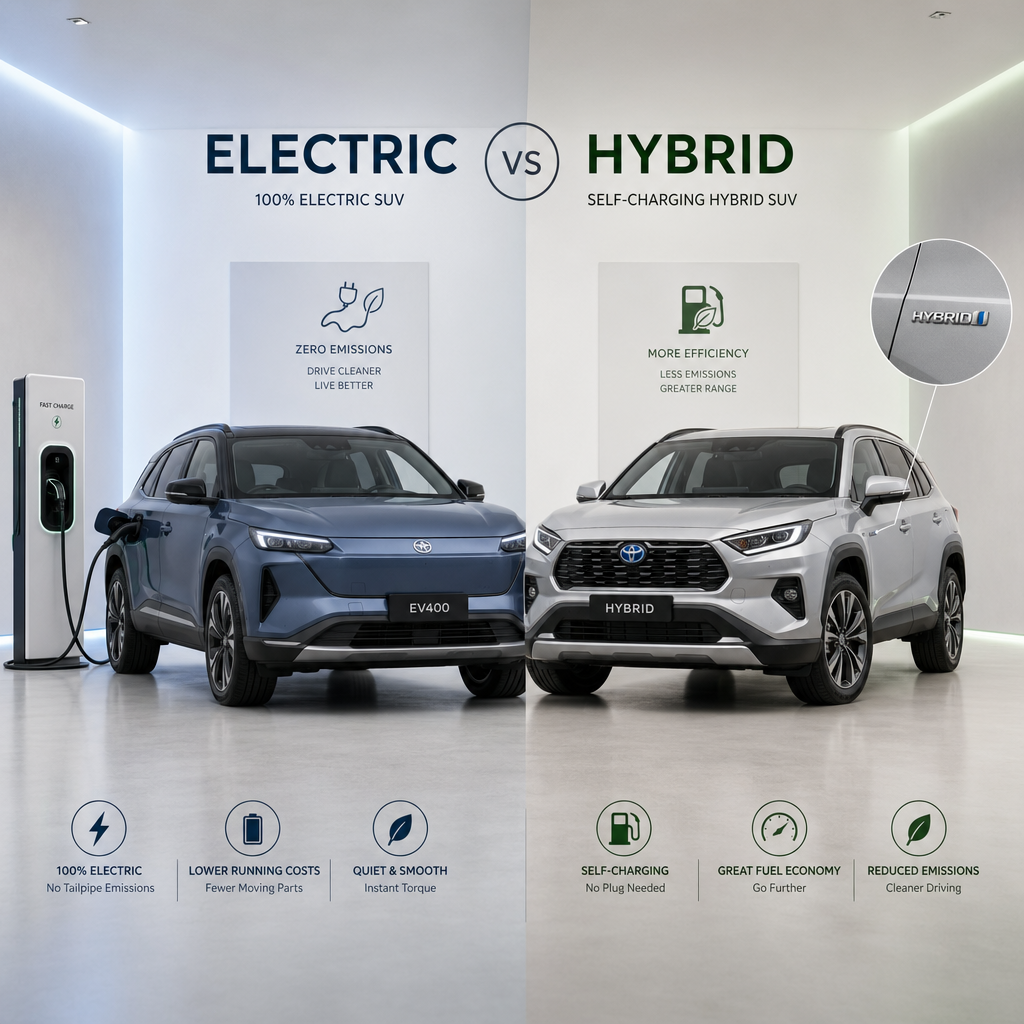
Both brands offer hybrid and plug-in hybrid versions using identical powertrains. The hybrid system combines a 1.6-liter turbocharged engine with an electric motor for 227 total system horsepower. EPA fuel economy ratings remain within 1-2 mpg between the two vehicles.
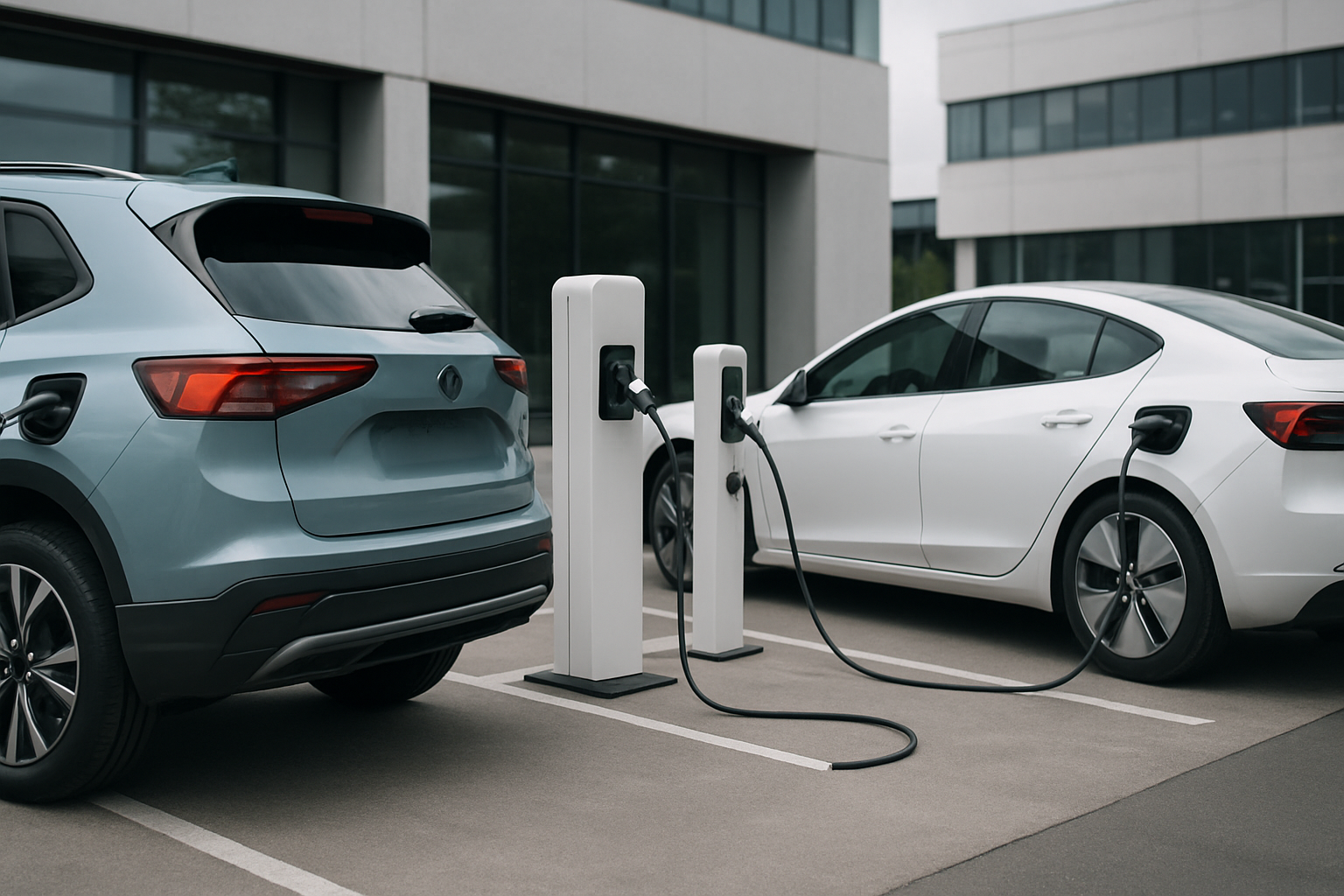
Plug-in hybrid models provide about 32 miles of electric-only range using a larger battery pack. Federal tax credits apply to both vehicles, though state incentives may vary depending on where the specific model is manufactured.
Charging capabilities and times remain identical between both plug-in variants. Both use the same 7.2 kW onboard charger and require about 2.5 hours for a full charge on a Level 2 home charging station.
Ownership Experience Differences
Warranty coverage creates a substantial difference in long-term ownership costs. Kia provides a 10-year, 100,000-mile powertrain warranty compared to Hyundai’s 10-year, 100,000-mile coverage. Both brands offer 5-year, 60,000-mile basic warranties and include complimentary maintenance for specific periods.
Dealer networks vary by region, but Kia generally maintains lower average service costs across most markets. Parts pricing between the two brands remains competitive, though some Hyundai-specific components may cost slightly more due to their more complex designs.
Resale values have historically favored the Tucson slightly, though this gap has narrowed significantly in recent years. Both vehicles depreciate at similar rates and maintain competitive positions in the used car market.
Real-World Performance Comparisons
Despite sharing engines and transmissions, real-world driving experiences differ subtly between these vehicles. The Tucson’s suspension tuning provides better ride comfort on rough pavement, while the Sportage feels more planted during cornering and highway merging.
Fuel economy differences remain minimal in actual driving conditions. Most owners report achieving EPA estimates or slightly better in both vehicles when driven similarly. The Sportage’s slightly lower curb weight may provide a small advantage in stop-and-go traffic situations.
Noise levels favor the Tucson slightly due to additional sound deadening materials in the doors and floor pan. Road noise and wind noise remain well-controlled in both vehicles, but the Tucson creates a quieter cabin environment at highway speeds.
Which Vehicle Makes More Sense for You
Your choice between these vehicles should focus on design preferences, pricing, and brand loyalty rather than mechanical differences. If you prefer bold styling and cutting-edge interior technology, the Tucson delivers a more distinctive ownership experience.
The Sportage makes sense if you prioritize value, traditional controls, and lower ownership costs. Kia’s pricing advantage and excellent warranty coverage provide tangible financial benefits over the ownership period.
Both vehicles deliver similar reliability, safety, and fuel economy. Your decision ultimately comes down to which brand’s approach better matches your preferences and budget requirements. If you’re looking at other SUVs for family use, both of these compact models offer competitive space and features.
Frequently Asked Questions
Do the Tucson and Sportage share the same engines?
Yes, both vehicles offer identical engine options including the 2.5-liter naturally aspirated four-cylinder and 1.6-liter turbocharged engines. Hybrid and plug-in hybrid powertrains are also shared between both models with identical performance specifications.
Which vehicle offers better value for money?
The Kia Sportage typically provides better value due to lower starting prices and Kia’s longer warranty coverage. However, specific trim level comparisons may favor either vehicle depending on your desired features and current incentives.
Are parts and service costs similar between both vehicles?
Many mechanical components are identical between both vehicles, but body panels, interior trim pieces, and some electronic modules differ. Kia generally maintains lower average service costs, though the difference varies by region and specific dealer pricing.
Which vehicle has better resale value?
Historically, the Hyundai Tucson has maintained slightly better resale values, though this gap has narrowed significantly in recent years. Both vehicles depreciate at competitive rates within the compact SUV segment, and specific trim levels or colors may perform differently in the used car market.
This article contains affiliate links. If you purchase through these links, we may earn a small commission at no extra cost to you.
Leave a Reply