
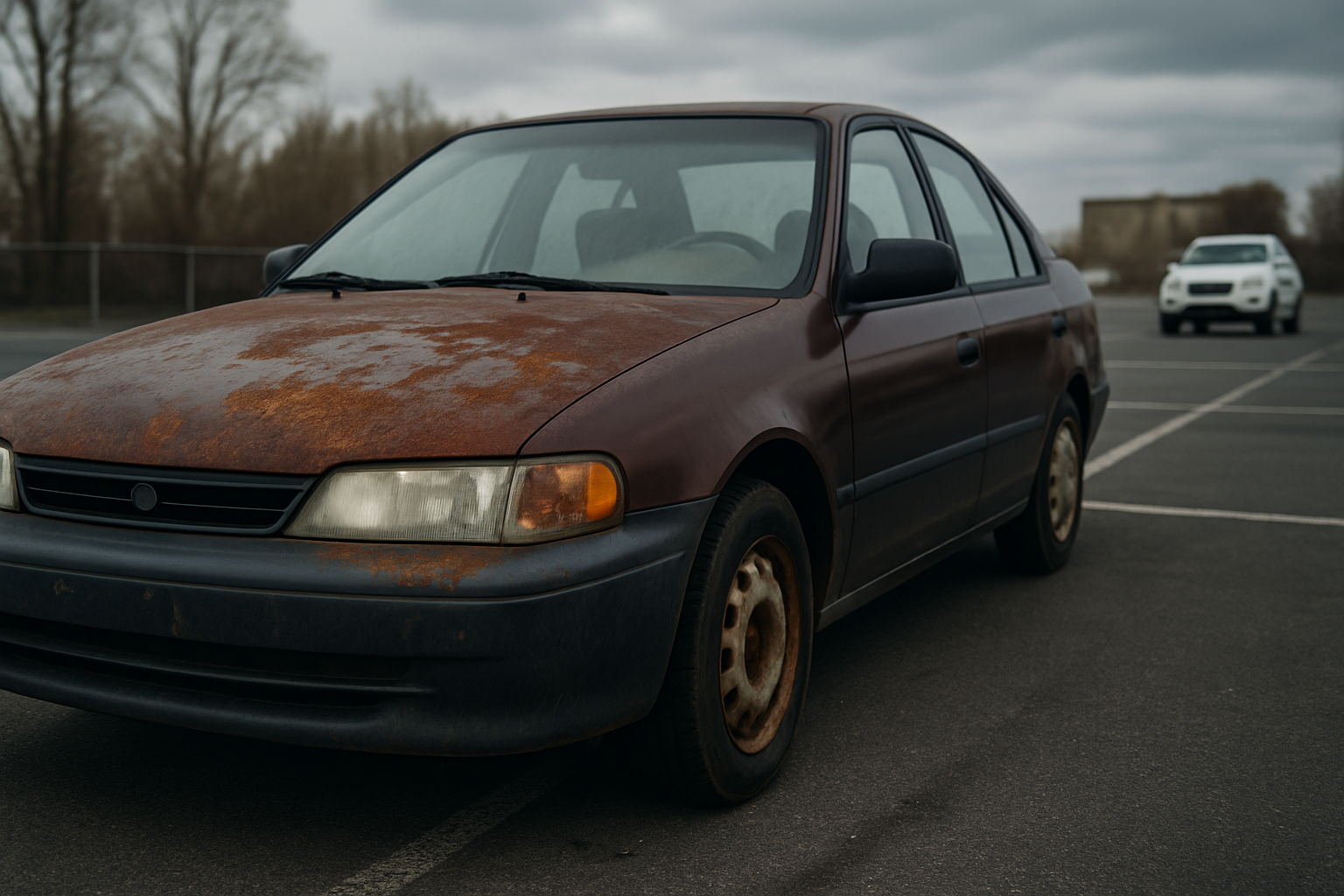
Buying a used car with high mileage can save you thousands upfront, but some vehicles turn into expensive headaches once the odometer climbs past 100,000 miles. Certain models develop predictable, costly problems that can drain your wallet faster than you’d expect.
Understanding which used cars to avoid at higher mileage helps you make smarter purchasing decisions and dodge potentially catastrophic repair bills.
Nissan CVT Nightmares: 2013-2018 Altima, Sentra, and Rogue
Nissan’s continuously variable transmissions from this era are ticking time bombs. The CVT fluid overheats, belts slip, and internal components fail prematurely. You’ll hear whining, feel shuddering during acceleration, or experience complete transmission failure.
Replacement costs range from $3,000 to $5,000. Many owners report failures between 60,000 and 120,000 miles, despite Nissan extending warranties on some models. The 2013-2018 Altima, Sentra, Rogue, and Pathfinder are particularly problematic.
Avoid any Nissan with a CVT from this period unless you can verify recent transmission replacement with documentation. Even then, you’re gambling on the same flawed design.
BMW Timing Chain Failures: 2007-2016 Models with N20/N52 Engines
BMW’s N20 turbocharged four-cylinder and N52 naturally aspirated six-cylinder engines suffer from timing chain stretch and guide failures. The plastic chain guides deteriorate, causing rattling noises during cold starts and potential catastrophic engine damage.
This affects the 2007-2016 328i, 335i, X3, X5, and many other models. Repair costs start at $2,500 and can exceed $5,000 if the chain jumps timing and damages valves or pistons.
Listen for rattling sounds during startup on any BMW from this era. Many owners report failures between 80,000 and 150,000 miles, though some occur earlier.
Audi/VW 2.0T Turbo Problems: 2005-2014 Models
The FSI and TSI versions of Volkswagen’s 2.0T engine plague multiple Audi and VW models with carbon buildup, timing chain stretch, and turbo failures. Direct injection causes carbon deposits on intake valves, reducing power and causing rough idle.
Affected models include the 2005-2014 Audi A3, A4, TT, and VW GTI, Jetta, and Passat. Carbon cleaning costs $800-1,200 every 40,000-60,000 miles. Timing chain replacement runs $2,000-3,500.
Turbo failures are common after 100,000 miles, with replacement costs exceeding $2,000. These engines require premium fuel and frequent maintenance to survive.
Jeep Compass and Patriot CVT Issues: 2007-2017
Jeep’s partnership with Nissan brought CVT transmissions to the Compass and Patriot, creating similar reliability nightmares. The Jatco CVT7 transmission suffers from overheating, belt slippage, and complete failure.
Owners report transmission shuddering, delayed acceleration, and total breakdown between 80,000 and 120,000 miles. Replacement costs range from $3,500 to $4,500.
These vehicles also suffer from electrical problems, suspension issues, and poor build quality. Avoid high-mileage examples completely.
Mini Cooper S Turbo Engine Problems: 2007-2016
The BMW-sourced N14 and N18 turbocharged engines in Mini Cooper S models develop timing chain stretch, carbon buildup, and turbo failures. The timing chain tensioner fails, causing chain rattle and potential engine damage.
High-pressure fuel pump failures are common, leaving you stranded with no warning. Turbo oil lines leak, and wastegate actuators stick. Repair bills easily exceed the car’s value on high-mileage examples.
Carbon cleaning costs $600-1,000, timing chain replacement runs $2,500-4,000, and turbo replacement costs $2,000-3,000.
Ford Focus Dual-Clutch Transmission: 2012-2016
Ford’s PowerShift dual-clutch automatic transmission in the Focus and Fiesta creates jerky shifts, shuddering, and premature clutch wear. The transmission control module software can’t properly manage clutch engagement.
Ford issued multiple software updates and extended warranties, but fundamental design flaws remain. Clutch replacement costs $2,500-3,500, and many cars need multiple repairs.
Avoid any 2012-2016 Focus or Fiesta with the PowerShift transmission. Manual transmission versions don’t share these problems.
Range Rover Evoque Air Suspension: 2012-2019
The Evoque’s air suspension system fails predictably after 80,000 miles. Airbags leak, compressors burn out, and height sensors malfunction. You’ll see suspension warning lights and experience uneven ride height.
Replacement costs for a complete system exceed $4,000. Individual components like air struts cost $800-1,200 each, and the compressor runs $1,500-2,000.
The 9-speed ZF automatic transmission also develops harsh shifting and failure. Combined with typical Land Rover electrical gremlins, high-mileage Evoques become expensive lawn ornaments.
Chrysler 3.6L Pentastar Engine Problems: 2011-2016
While generally reliable, early Pentastar V6 engines suffer from left cylinder head failures, rocker arm problems, and oil cooler housing leaks. The left cylinder head casting has weakness that causes cracks and coolant leaks.
This affects the Jeep Grand Cherokee, Wrangler, Dodge Charger, Challenger, and Chrysler 300. Head replacement costs $3,000-4,500 per side.
Oil cooler housing leaks are common around 100,000 miles, costing $800-1,200 to repair. Later model years addressed many issues, but 2011-2014 examples are risky.
Hyundai/Kia Theta Engine Failures: 2011-2019
The 2.0L and 2.4L Theta engines in various Hyundai and Kia models suffer from catastrophic bearing failures, often without warning. Metal debris circulates through the oil system, destroying internal components.
Affected models include the Sonata, Optima, Sorento, Santa Fe, and Tucson. Engines seize completely, requiring replacement at $8,000-12,000.
Multiple recalls and warranty extensions cover some cases, but high-mileage examples often fall outside coverage periods. Engine fires have also been reported due to oil leaks and overheating.
Subaru Head Gasket Issues: 2000-2009 Legacy and Outback
The 2.5L naturally aspirated boxer engine in Legacy and Outback models from 2000-2009 develops external head gasket leaks around 100,000-150,000 miles. You’ll see oil or coolant weeping from the sides of the engine.
Head gasket replacement requires complete engine removal and costs $2,500-3,500. Timing belt service is typically included since everything is already apart.
While not catastrophic like internal gasket failure, external leaks worsen over time and eventually require expensive repair. Budget for this maintenance on any high-mileage example.
Warning Signs to Watch For
When inspecting any used car with high mileage, pay attention to specific warning signs. Unusual noises during startup often indicate timing chain or tensioner problems. Transmission shuddering or delayed shifts suggest CVT or dual-clutch issues.
Oil leaks around the engine block point to head gasket problems. Dashboard warning lights, especially for transmission or engine management, indicate developing problems that will worsen.
Check maintenance records carefully. Cars with documented regular service have better survival odds, but can’t overcome fundamental design flaws in problematic models.
Better High-Mileage Alternatives
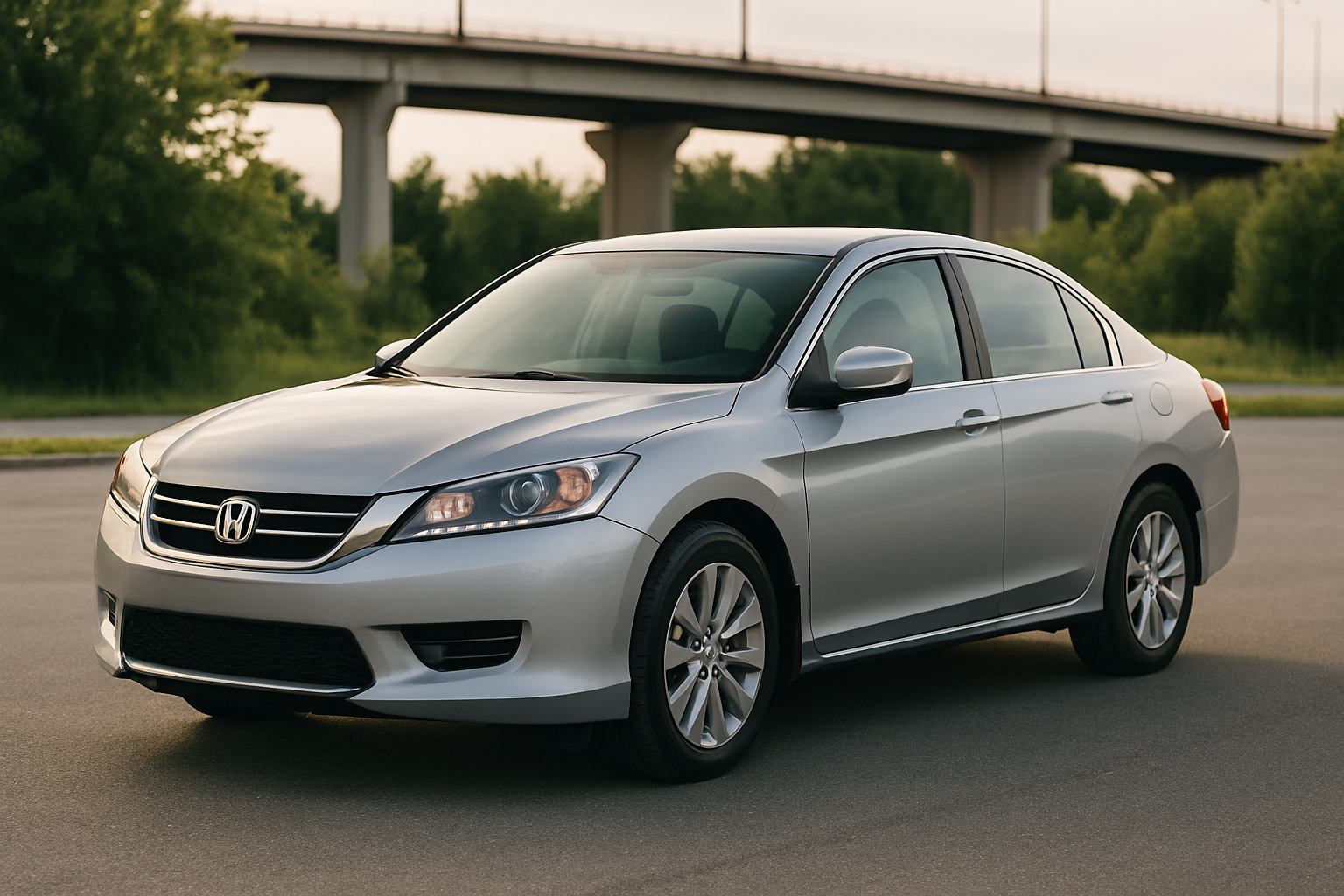
Focus on vehicles with proven longevity instead. Toyota Camry and Honda Accord from most years handle high mileage well with basic maintenance. The Mazda CX-5 offers SUV practicality without CVT problems.
Ford’s 3.5L V6 and 2.0L EcoBoost engines (non-dual-clutch transmission) prove reliable in the Fusion and Escape. Hyundai and Kia models from 2020 onward address most Theta engine problems.
Luxury buyers should consider Lexus models, which offer BMW-level refinement with Toyota reliability. The ES, RX, and GX maintain value and dependability even at higher mileages.
Making Smart High-Mileage Purchases
Research specific model years and known problems before shopping. Online forums, NHTSA recalls, and technical service bulletins reveal patterns of failure.
Budget extra money for immediate repairs on any high-mileage purchase. Even reliable cars need maintenance items like brakes, tires, and fluids.
Consider purchasing from dealers who offer limited warranties, even short-term coverage provides some protection against immediate failures.
Frequently Asked Questions
Can regular maintenance prevent these problems?
Proper maintenance helps but can’t overcome fundamental design flaws. CVT transmissions will fail regardless of fluid changes, and timing chains stretch due to material defects. Maintenance extends life but doesn’t eliminate risk in problematic models.
Are there any reliable high-mileage luxury cars?
Lexus models consistently outperform German competitors for high-mileage reliability. The LS, ES, and RX handle 200,000+ miles with routine maintenance. Genesis models from 2015 onward also show promise, though long-term data is limited.
How can I verify a car’s maintenance history?
Request service records from the seller and check with local dealers for warranty work. Carfax and AutoCheck show some service history, but aren’t comprehensive. Look for oil change stickers, recent receipts, and signs of proper care like clean fluids and good tire condition.
What’s the maximum mileage I should consider for these problematic models?
Avoid the listed problematic models entirely if you want reliability. If you must buy one, stay under 80,000 miles and budget heavily for repairs. Some issues like CVT failures occur well before 100,000 miles, making even lower-mileage examples risky.
This article contains affiliate links. If you purchase through these links, we may earn a small commission at no extra cost to you.


Leave a Reply