
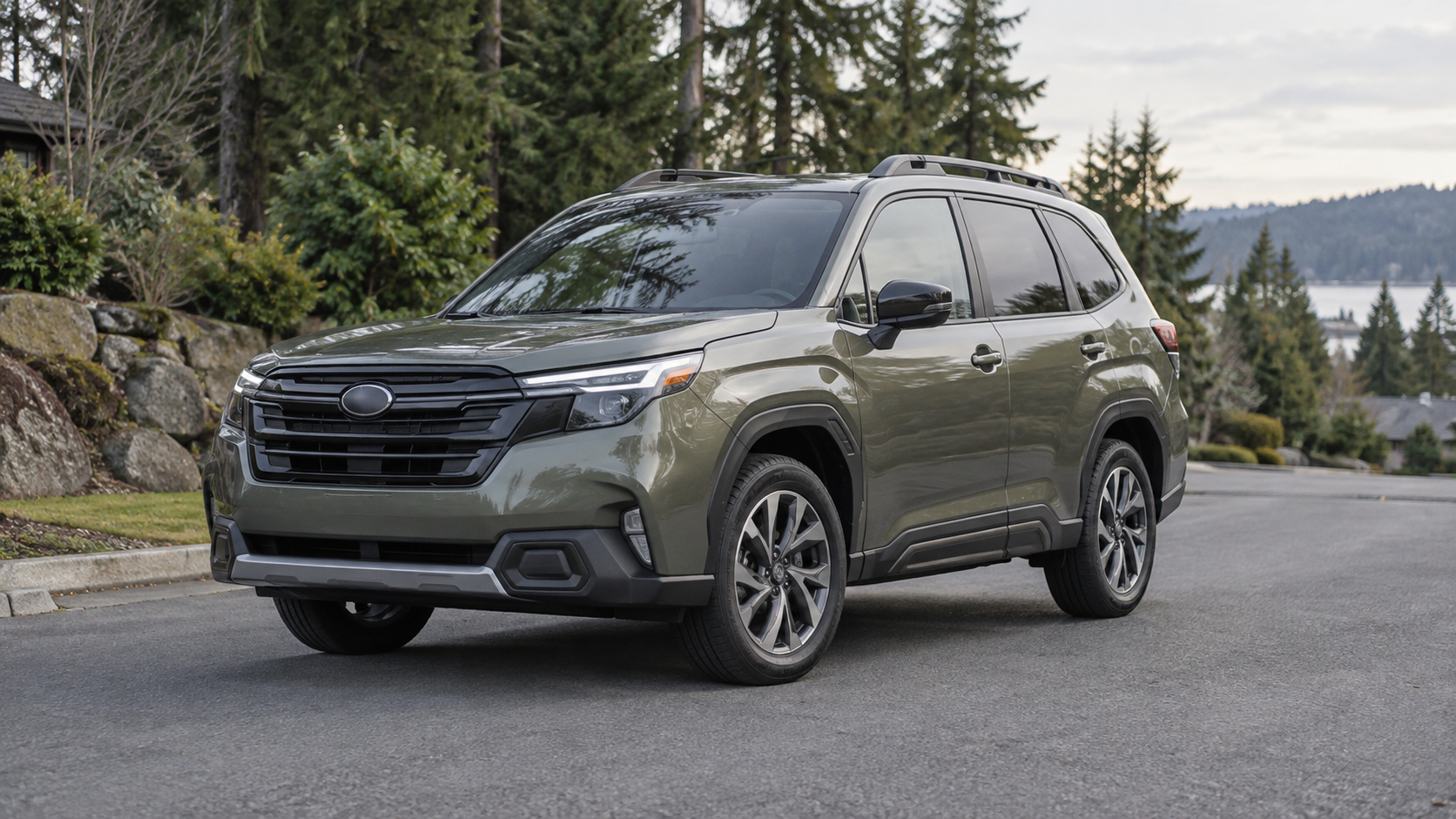
The auto start/stop system in your Subaru Forester might save a few drops of gas at traffic lights, but many drivers find it more annoying than helpful. The constant engine shutoffs and restarts can feel jerky, create delays when you need to move quickly, and add wear to your starter and battery over time.
The Bottom Line
A plug-and-play module can make your Forester remember your preference to keep Auto Start/Stop off, so you don’t have to press the button every time you start the vehicle.
Understanding Auto Start/Stop in the 2019-2026 Subaru Forester
Subaru’s auto start/stop system, officially called “Auto Engine Stop and Start,” automatically shuts off your engine when you come to a complete stop and the brake pedal is fully depressed. The engine restarts when you lift your foot off the brake or tap the accelerator.
While this feature aims to improve fuel economy and reduce emissions during city driving, it can be particularly intrusive in CVT-equipped Foresters. The system tends to be overly aggressive, shutting down the engine even during brief stops where you’d rather keep it running.
The CVT transmission in these models can also create a slight delay when the engine restarts, making the whole experience feel sluggish. Add in the vibration and noise of constant restarts, and you’ll understand why so many Forester owners want it gone permanently.
The Temporary Fix: Using the Dashboard Button
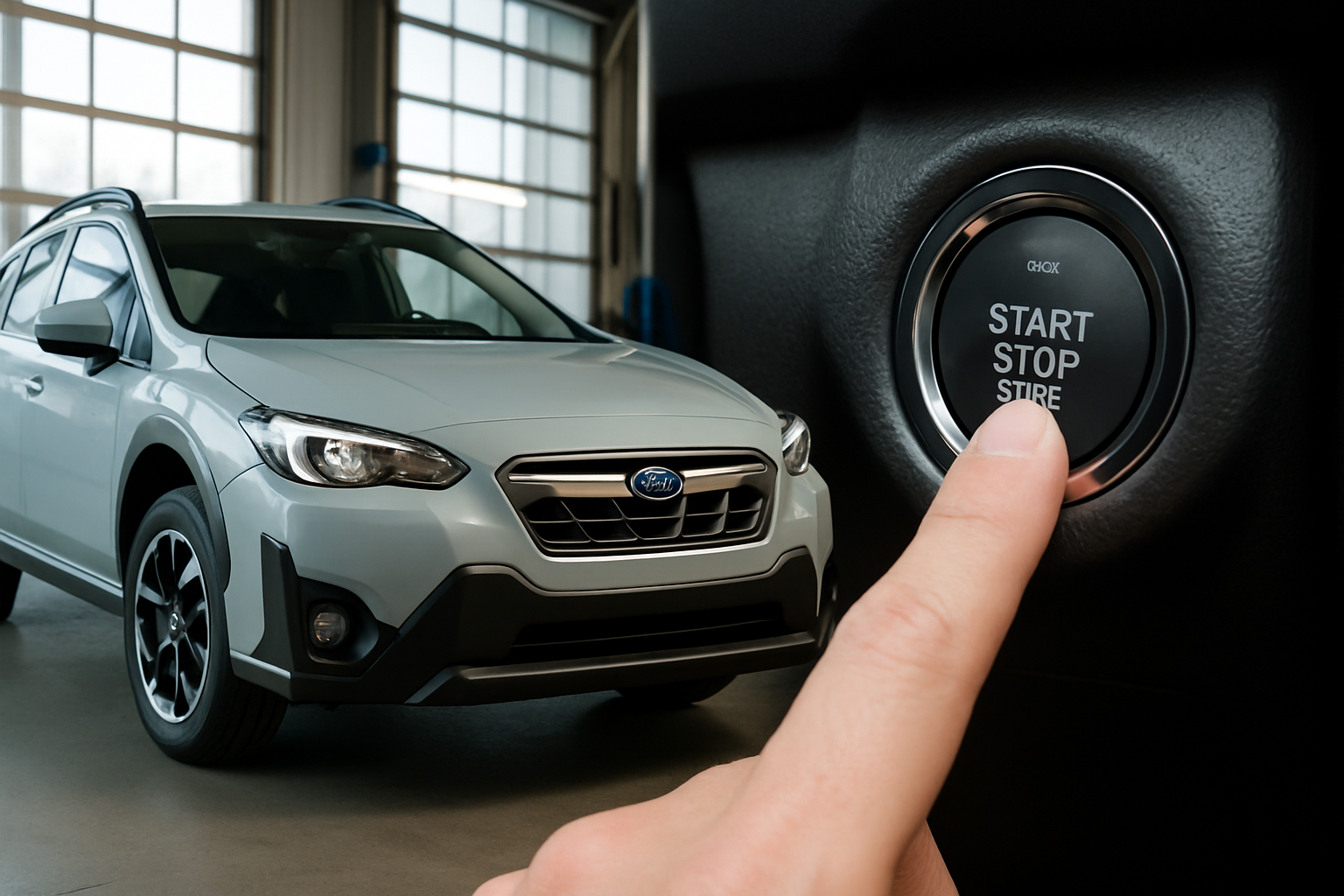
Every 2019-2026 Forester has a manual override button for the start/stop system. You’ll find it on the center console, usually to the right of the electronic parking brake button. The button shows a circular arrow with an “A” in the center and “OFF” underneath.
Press this button once, and you’ll see an indicator light on your dashboard that shows the system is disabled. Your engine will stay running at stops until you turn off the ignition.
This method works perfectly for individual trips, but it has one major drawback that drives most owners crazy.
Why the Manual Button Gets Old Fast
The temporary disable button resets every single time you turn off your Forester. Start the car tomorrow morning, and the auto start/stop system is back on again. You’ll need to press that button every time you drive.
For daily drivers, this becomes a ritual that gets old quickly. Some owners forget to press it and get surprised by the engine shutoff at the first traffic light. Others remember to press it but get frustrated by having to do the same thing every day for years.
This reset behavior is programmed into the car’s computer system and can’t be changed through normal settings menus. Subaru designed it this way to ensure the fuel-saving feature stays active by default.
Permanent Solutions: Aftermarket Eliminator Devices
Several companies make plug-and-play devices that permanently disable auto start/stop on CVT-equipped Foresters. These devices work by intercepting the signal between the dashboard button and the car’s computer, essentially making the system think you’ve pressed the disable button every time you start the car.
You have two main types of eliminator devices to choose from:
Behind-the-Switch Eliminators: These small modules plug into the wiring harness behind the start/stop button on your dashboard. They’re completely hidden once installed and require removing some interior trim pieces to access the wiring.
OBD2 Port Eliminators: These devices plug into your diagnostic port under the dashboard. They’re easier to install but remain visible and take up your OBD2 port, which you might need for other diagnostic tools or accessories.
Recommended Eliminator Devices
Several reliable auto start/stop eliminator devices work well with 2019-2026 Foresters. The Autostop Eliminator is one of the most popular options, offering both behind-the-switch and OBD2 port versions specifically designed for Subaru vehicles.
Start X Stop and GROM Audio also make compatible eliminators for these model years. When shopping for an eliminator, make sure it’s specifically compatible with CVT-equipped Foresters, as the wiring can differ from manual transmission models.
Installation Process Overview
Installing a behind-the-switch eliminator typically takes 30-45 minutes and requires basic hand tools. Here’s what the process looks like:
- Remove the center console trim pieces around the start/stop button
- Disconnect the wiring harness from the back of the button
- Plug the eliminator module between the button and the harness
- Secure the module with the included double-sided tape
- Reinstall the trim pieces
- Test the system by starting the car
OBD2 port eliminators are even simpler. You just plug them into the diagnostic port under your dashboard, and they automatically program themselves when you start the car.
Most eliminators include detailed instructions with photos specific to your Forester’s interior. The wiring connections are designed to be foolproof, with connectors that only fit one way.
Important Considerations Before Disabling
Permanently disabling auto start/stop won’t void your warranty, since you’re not modifying the engine or emissions components. However, you should understand a few things before making the change.
Your fuel economy will decrease slightly, especially in heavy stop-and-go traffic where the system was most active. Most owners report the difference is minimal in real-world driving, but it might show up if you track your gas mileage closely.
The system is part of Subaru’s emissions compliance strategy, so disabling it could technically affect your vehicle’s emissions output. This typically won’t cause problems with state inspections, since the car’s catalytic converters and other emissions equipment remain functional.
When it comes time to sell or trade your Forester, you can easily remove an eliminator device and return the car to stock condition. Keep the original packaging and instructions in case you need to reverse the modification.
Alternative Methods
Some tech-savvy owners have experimented with coding changes using tools like Subaru Select Monitor or third-party diagnostic software. However, these methods are more complex, require expensive software licenses, and risk triggering error codes if done incorrectly.
You might also see DIY modification guides that involve cutting wires or installing switches. These approaches can work but create permanent changes to your wiring harness and are harder to reverse cleanly.
For most Forester owners, a plug-and-play eliminator device offers the best combination of effectiveness, reversibility, and ease of installation.
Frequently Asked Questions
Will disabling auto start/stop hurt my engine?
Disabling the system won’t hurt your engine. In fact, some mechanics believe constant stop/start cycles create more wear on your starter motor and battery than normal driving. Your engine will simply run normally without the automatic shutoffs.
Can the dealership detect that I’ve installed an eliminator?
Most eliminator devices don’t trigger any diagnostic codes or leave traces in the car’s computer. They simply simulate pressing the disable button automatically. However, a technician might notice the device if they remove interior trim during service work.
Do eliminator devices work on all Forester trim levels?
All CVT-equipped Foresters from 2019-2026 use the same basic start/stop system, regardless of trim level. Sport, Premium, Limited, and Touring models all use compatible eliminator devices, though you should verify compatibility with your specific model year when ordering.
What happens if my eliminator device fails?
If an eliminator device stops working, your auto start/stop system will simply return to normal operation. The car won’t be damaged or develop any problems. You can remove the device and use the manual disable button while you replace it or decide on a different solution.
This article contains affiliate links. If you purchase through these links, we may earn a small commission at no extra cost to you.

Leave a Reply