
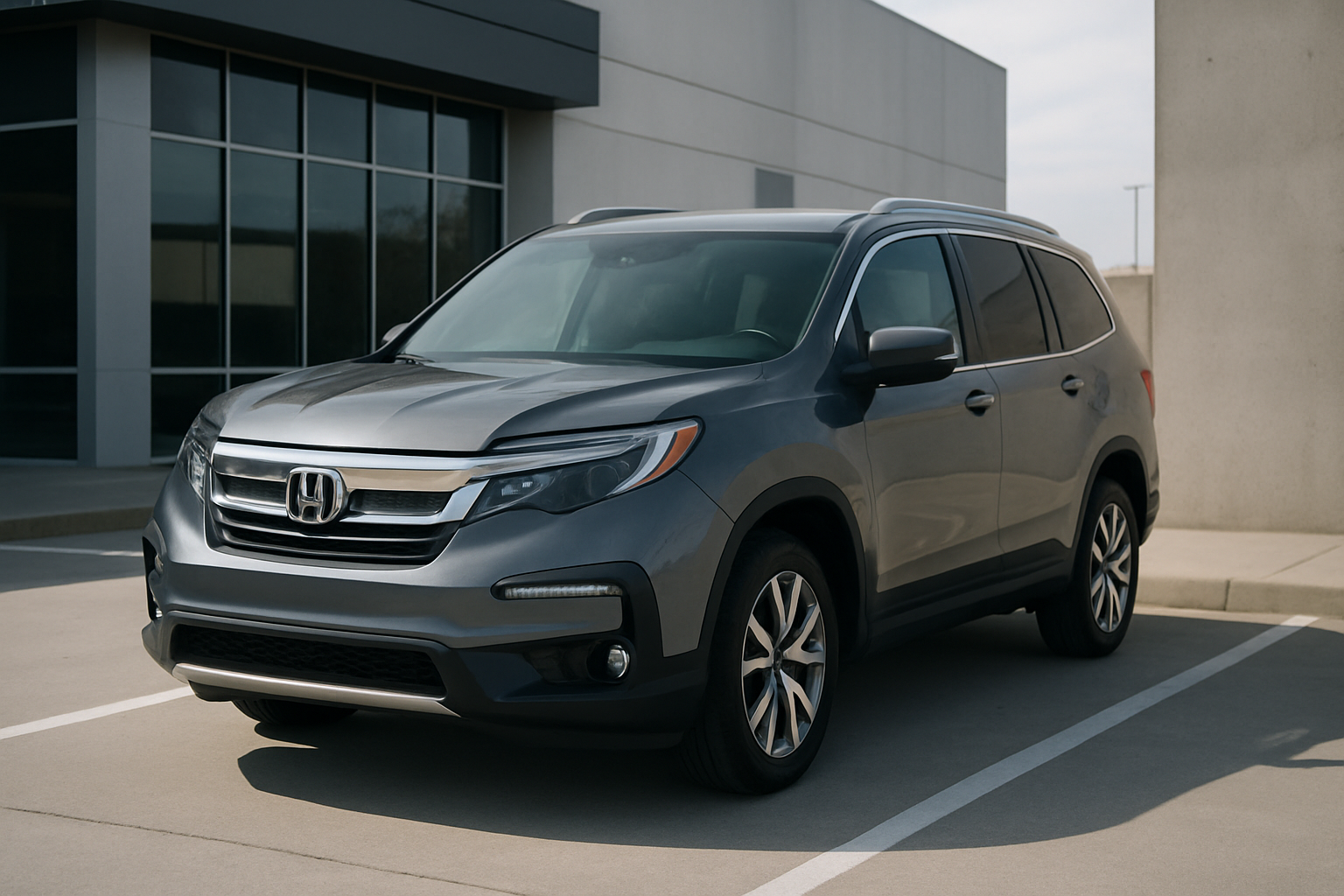
The auto start/stop system in Honda Pilots has become notorious among drivers for its aggressive shutoffs and sluggish restarts. Many owners find themselves frantically pressing the accelerator at green lights, waiting for the engine to wake up from its unwanted nap.
The Bottom Line
A plug-and-play module can make your Honda Pilot remember your preference to keep Auto Start/Stop off, so you don’t have to press the button every time you start the vehicle.
Understanding Honda Pilot’s Auto Start/Stop System
Honda’s Idle-Stop system automatically shuts off your engine when you come to a complete stop, like at traffic lights or in drive-through lines. The system is designed to save fuel and reduce emissions by eliminating idle time.
However, the 2023-2026 Honda Pilot’s implementation has drawn criticism for being overly sensitive. The engine cuts out even during brief stops, and the restart process can feel sluggish when you need to accelerate quickly. This creates an uncomfortable driving experience, especially in stop-and-go traffic or when making quick turns.
The system activates automatically every time you start your vehicle, regardless of your previous preference setting. This means you’ll need to manually disable it during every single drive if you don’t want the feature active.
The Temporary Solution: Dashboard Button Method
Your Honda Pilot includes a manual override button for the auto start/stop system. You’ll find this button on the center console, typically located near the electronic parking brake or drive mode selector.
The button displays an “A” with a circular arrow around it, often with “AUTO IDLE STOP” text nearby. When the system is active, the button light remains off. Press the button once, and you’ll see an indicator light come on, along with a message on your dashboard display confirming that auto start/stop is disabled.
This method works perfectly for individual trips. Your engine will stay running at stops, and you won’t experience those jarring restart delays. The system stays disabled until you turn off the ignition.
Why the Temporary Fix Gets Old Fast
Honda designed the system to reset to “on” every time you start your vehicle. This means you’ll press that button hundreds of times per year, creating a routine that many drivers find irritating.
The constant resetting becomes particularly frustrating during short errands when you might start and stop your vehicle multiple times. Each ignition cycle brings back the auto start/stop system, requiring another button press to disable it.
Honda implemented this reset behavior to ensure the fuel-saving feature remains active by default, supporting their EPA fuel economy ratings and emissions compliance requirements.
Permanent Solutions: Aftermarket Devices and Methods
Several aftermarket solutions can permanently disable your Honda Pilot’s auto start/stop system. These devices trick your vehicle’s computer into thinking the system should remain off, eliminating the need for manual button presses.
Plug-and-Play Eliminator Devices
The most popular permanent solution involves small electronic devices that plug into your vehicle’s wiring system. Two main types exist: OBD2 port devices and behind-the-button interceptors.
OBD2 Port Devices: These plug directly into your diagnostic port, usually located under the dashboard near your left knee. They’re easy to install but occupy your OBD2 port permanently, which can interfere with diagnostic scans or other accessories.
Behind-the-Button Devices: These connect directly to the wiring behind your auto start/stop button. They require more involved installation but don’t block your OBD2 port and remain completely hidden.
The Autostop Eliminator brand makes devices specifically designed for Honda vehicles, including the Pilot. Their products have gained popularity among Honda owners due to reliable performance and straightforward installation.
Software Coding Methods
Some Honda models allow start/stop system modification through diagnostic software, but the 2023-2026 Pilot’s system typically requires hardware solutions rather than software coding. Honda has made their newer systems more resistant to simple software modifications.
Professional diagnostic tools like Honda’s HDS system can sometimes modify these settings, but this requires dealer-level equipment and may void warranties.
Installation Overview for Behind-the-Button Devices
Installing a behind-the-button eliminator device requires basic automotive electrical knowledge. The process involves accessing the wiring behind your auto start/stop button and connecting the eliminator device inline.
- Remove the center console trim panel around the auto start/stop button
- Disconnect the wiring harness from the button
- Connect the eliminator device between the button and the vehicle’s wiring harness
- Secure the device in place and reassemble the trim panel
- Test the system to confirm the start/stop function remains disabled
The entire installation typically takes 30-60 minutes, depending on your experience level. Most eliminator devices include detailed instructions with photos specific to your vehicle model.
OBD2 port devices install much more simply. You just plug them into your diagnostic port, and they begin working immediately. However, you’ll want to position the device where it won’t interfere with your legs or other vehicle operations.
Recommended Auto Start/Stop Eliminator Devices
Several manufacturers produce auto start/stop eliminator devices for Honda Pilot vehicles. These plug-and-play solutions offer different installation methods and price points to suit various preferences.
Autostop Eliminator produces some of the most reliable devices for Honda vehicles, including specific models for the Pilot. Their devices connect behind the dashboard button and provide permanent disabling without affecting other vehicle systems.
When selecting a device, consider whether you prefer the simplicity of an OBD2 port connection or the clean installation of a behind-the-button unit. Both types provide the same functional result but differ in installation complexity and port availability.
Important Considerations Before Disabling
Warranty Implications
Installing aftermarket devices to modify your Honda’s systems could potentially affect warranty coverage for related components. While eliminator devices don’t typically cause mechanical problems, Honda might deny warranty claims for starter, battery, or engine management issues if they determine the device contributed to the problem.
Most eliminator devices can be easily removed if you need warranty service, allowing you to restore the original configuration temporarily.
Fuel Economy Impact
Disabling auto start/stop will slightly reduce your fuel economy, particularly in city driving conditions. The EPA fuel economy ratings for your Honda Pilot assume the start/stop system remains active.
The actual impact varies based on your driving patterns. If you spend significant time in stop-and-go traffic, you might notice a 1-2 MPG reduction in city fuel economy.
Resale Value Considerations
Some future buyers might prefer the fuel-saving capability of an active auto start/stop system. However, many drivers share your frustration with the system, making permanent disabling potentially neutral or even positive for resale value.
If you choose a removable solution like an OBD2 device, you can easily restore original functionality before selling your vehicle.
Frequently Asked Questions
Will disabling auto start/stop hurt my engine?
Disabling the system won’t harm your engine. Your Honda Pilot’s engine is designed to run continuously like vehicles without start/stop systems. The additional idling time won’t cause mechanical damage, though it will consume slightly more fuel.
Can I still use the manual button after installing an eliminator device?
Most eliminator devices prevent the auto start/stop system from activating regardless of the button position. The button typically becomes non-functional, with the system permanently disabled. Some devices allow you to retain button control while preventing the system from automatically re-enabling at startup.
Will my Honda dealer know I’ve installed an eliminator device?
OBD2 devices are visible when plugged into the diagnostic port, but behind-the-button devices remain hidden during routine service. However, diagnostic scans might show that the auto start/stop system isn’t functioning normally. Most service technicians won’t investigate further unless you’re experiencing related problems.
Does disabling start/stop affect my vehicle’s emissions or inspection?
Auto start/stop elimination doesn’t typically affect emissions system functionality or cause inspection failures. The system primarily reduces fuel consumption rather than controlling exhaust emissions. Your vehicle should pass standard emissions testing with the system disabled.

Leave a Reply