
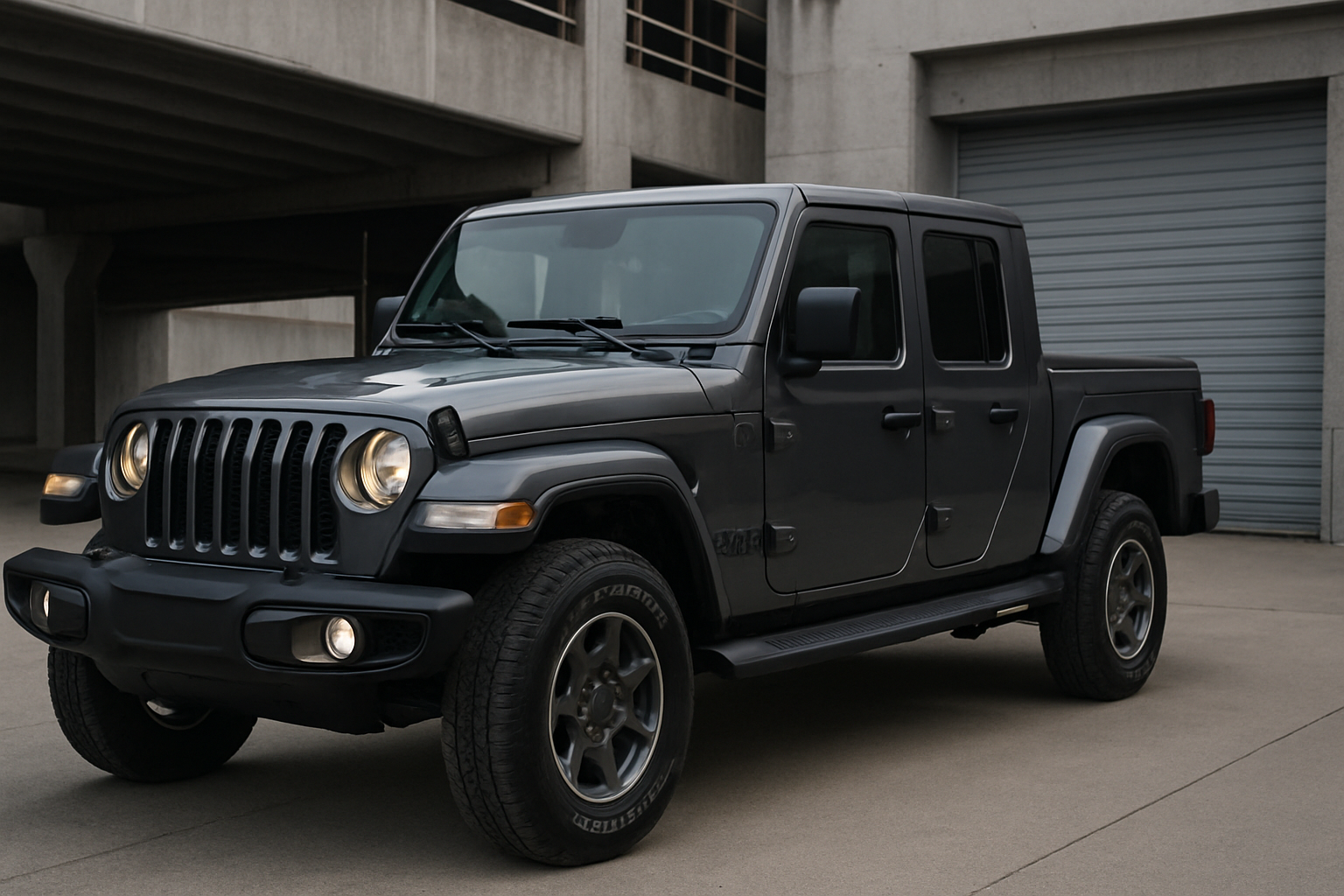
The auto start/stop feature on the 2020-2026 Jeep Gladiator can be incredibly frustrating for drivers who want their truck to stay running at red lights and drive-throughs. This system automatically shuts off your engine when you come to a complete stop, then restarts it when you lift your foot off the brake pedal.
The Bottom Line
A plug-and-play module can make your Jeep Gladiator remember your preference to keep Auto Start/Stop off, so you don’t have to press the button every time you start the vehicle.
Why Auto Start/Stop is Particularly Annoying on the Gladiator
The Gladiator shares the same JT platform as the Wrangler JL, and both vehicles suffer from the same auto start/stop issues. The system was designed to meet EPA fuel economy standards, but it creates several real-world problems for truck owners.
When you’re hauling a trailer or sitting in traffic, the constant engine cycling becomes incredibly disruptive. The air conditioning loses its cooling power during hot summer days, and the engine restart isn’t always smooth or immediate when you need to accelerate quickly.
Many Gladiator owners also report that the system seems overly aggressive compared to other manufacturers. Your engine will shut off even during brief stops, making simple maneuvers like backing up a trailer or navigating parking lots more challenging than necessary.
The Temporary Fix: Using the Dashboard Button
Every Gladiator comes with a manual override button for the auto start/stop system. You’ll find this button on your dashboard, typically located near the electronic stability control and other vehicle system buttons.
The button displays an “A” with a circular arrow around it, and when the system is active, you’ll see this same icon illuminated on your instrument cluster. Press the button once to disable auto start/stop for your current driving session.
When the system is turned off, the button will illuminate and stay lit. Your engine will then behave normally, staying running when you come to stops instead of shutting off automatically.
Why the Temporary Fix Gets Old Fast
The major frustration with the manual button is that it resets every single time you turn off your Gladiator. Federal regulations require the auto start/stop system to default back to “on” whenever you start your vehicle.
This means you’ll need to remember to press that button during every single drive, which becomes tedious quickly. If you forget to disable it, you’re stuck dealing with the engine cycling until you remember to hit the button again.
For daily drivers who consistently prefer to keep their engine running, this creates an unnecessary routine that adds frustration to every trip.
Permanent Solutions: Aftermarket Eliminators and Coding
Several aftermarket companies have developed solutions that permanently disable the auto start/stop system on Gladiators. These devices work by tricking your truck’s computer into thinking the system has been manually turned off.
The most popular options fall into two categories: plug-and-play elimination devices and software coding solutions. Each approach has its own advantages depending on your comfort level with vehicle modifications.
OBD2 Port Eliminators vs Behind-Switch Devices
OBD2 port eliminators plug directly into your diagnostic port, which is located under the dashboard on the driver’s side. These devices are completely reversible and don’t require any disassembly of your truck’s interior panels.
Behind-switch eliminators require you to remove the dashboard panel and connect the device behind your existing auto start/stop button. These tend to be more discrete since nothing remains visible in your cabin, but installation takes a bit more effort.
Both types work effectively on the Gladiator’s JT platform. The choice usually comes down to whether you mind having a small device plugged into your OBD2 port or prefer to do a slightly more complex installation for a cleaner appearance.
Software Coding Options
Some Gladiator owners have had success using coding software like AlfaOBD to disable the auto start/stop system through the vehicle’s computer. This method requires an OBD2 interface adapter and some technical knowledge.
The software approach works by changing parameters in your truck’s engine control module. While this can be effective, it requires more technical expertise and carries a higher risk of unintended consequences if settings are changed incorrectly.
Most Gladiator owners find the plug-and-play eliminators to be a more reliable and user-friendly solution, especially since they can be easily removed if needed for service appointments.
Step-by-Step Installation Overview
For OBD2 port eliminators, installation couldn’t be simpler. Locate your diagnostic port under the driver’s side dashboard, remove any protective cover, and plug the device in firmly. Most eliminators will have a small LED that illuminates to confirm proper connection.
Start your Gladiator and verify that the auto start/stop button on your dashboard shows the system as disabled. The device should automatically prevent the system from activating during your drive.
Behind-switch eliminators require removing the dashboard panel around your auto start/stop button. You’ll typically need to disconnect the factory wiring harness and connect the eliminator device inline with the existing wires.
Installation instructions vary by manufacturer, but most include detailed diagrams showing exactly which wires connect where. The process usually takes 15-30 minutes and requires basic hand tools.
Recommended Auto Start/Stop Eliminators
Several companies make reliable eliminators that work perfectly with the Gladiator’s JT platform. Auto start/stop eliminator devices designed for Jeep vehicles offer plug-and-play installation and permanent disabling of the system.
Popular brands include Autostop Eliminator, Start-X, and JScan. These devices typically range from $50-150 depending on features and installation method. Many come with warranties and customer support to help with any installation questions.
When choosing an eliminator, make sure it’s specifically compatible with 2020-2026 Gladiator models. Since the Gladiator uses the same JT platform as the Wrangler JL, eliminators designed for either vehicle will typically work on both.
Important Considerations Before Disabling
Disabling your auto start/stop system won’t void your Gladiator’s warranty, but dealerships might ask you to remove aftermarket devices before performing certain diagnostics or repairs. Keep your eliminator’s packaging and instructions in case you need to reinstall the factory behavior temporarily.
The system was designed to improve fuel economy numbers for EPA testing, so disabling it may result in slightly lower gas mileage during city driving. Most Gladiator owners find the improved driving experience worth the minor fuel economy impact.
Your truck will still pass emissions testing in most areas since the eliminator doesn’t affect actual emissions equipment. However, some states have specific regulations about modifying emissions-related systems, so check your local laws if you have concerns.
Consider resale value if you plan to sell your Gladiator in the future. While most buyers won’t care about auto start/stop modifications, returning the vehicle to stock configuration before selling can help avoid any potential issues.
Frequently Asked Questions
Will disabling auto start/stop hurt my engine?
Disabling the system won’t harm your engine in any way. Your Gladiator’s engine is designed to run continuously, and eliminating the constant stop/start cycling actually reduces wear on your starter motor and battery. Many mechanics believe that frequent engine cycling causes more wear than simply letting the engine run normally.
Can I still use the manual button with an eliminator installed?
This depends on the type of eliminator you choose. OBD2 port devices typically allow the manual button to function normally, giving you the option to temporarily re-enable auto start/stop if desired. Behind-switch eliminators usually disable the button entirely, keeping the system permanently off.
Will my dealership know I’ve installed an eliminator?
OBD2 port eliminators are visible if a technician looks under your dashboard, but they don’t typically cause diagnostic codes or other obvious signs. Behind-switch eliminators are essentially invisible unless someone specifically removes the dashboard panel to inspect the wiring. Most routine maintenance and warranty work won’t reveal the modification.
Do these devices work on other Jeep models?
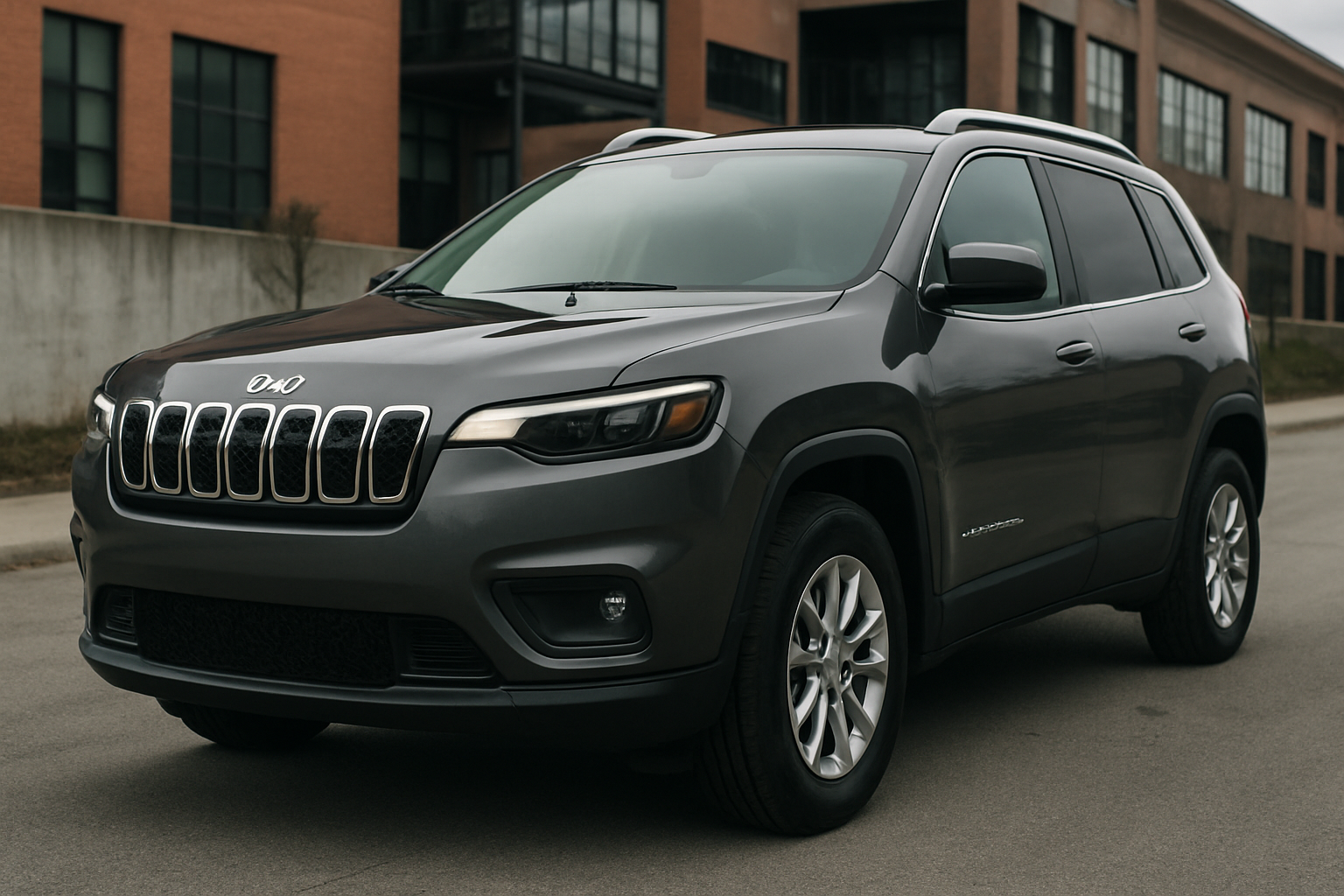
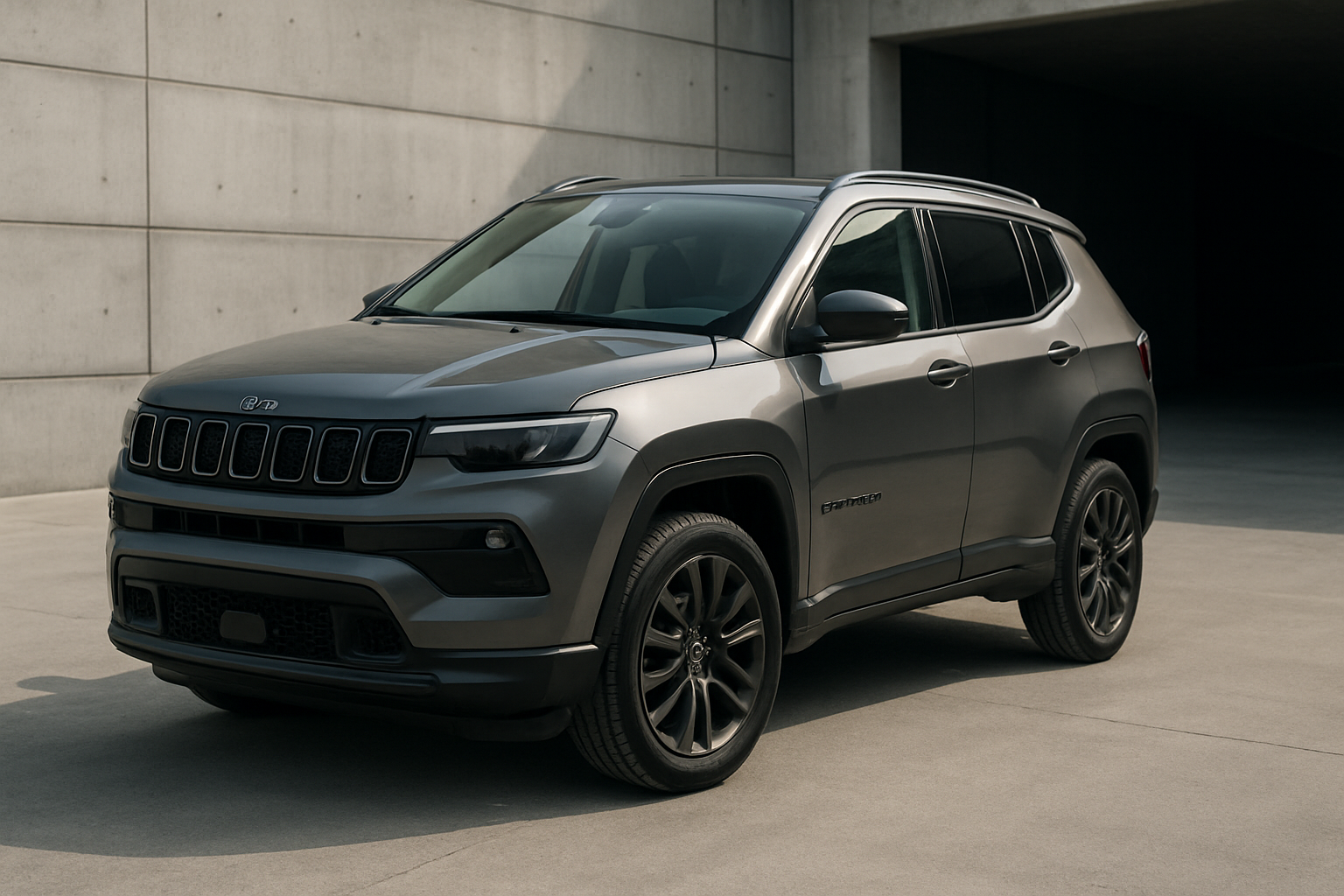
Since the Gladiator uses the same JT platform as the Wrangler JL, eliminators designed for either vehicle typically work on both. Many devices also work on other Jeep models like the Grand Cherokee and Compass, but always verify compatibility before purchasing. The electrical systems can vary significantly between different Jeep platforms.


Leave a Reply