
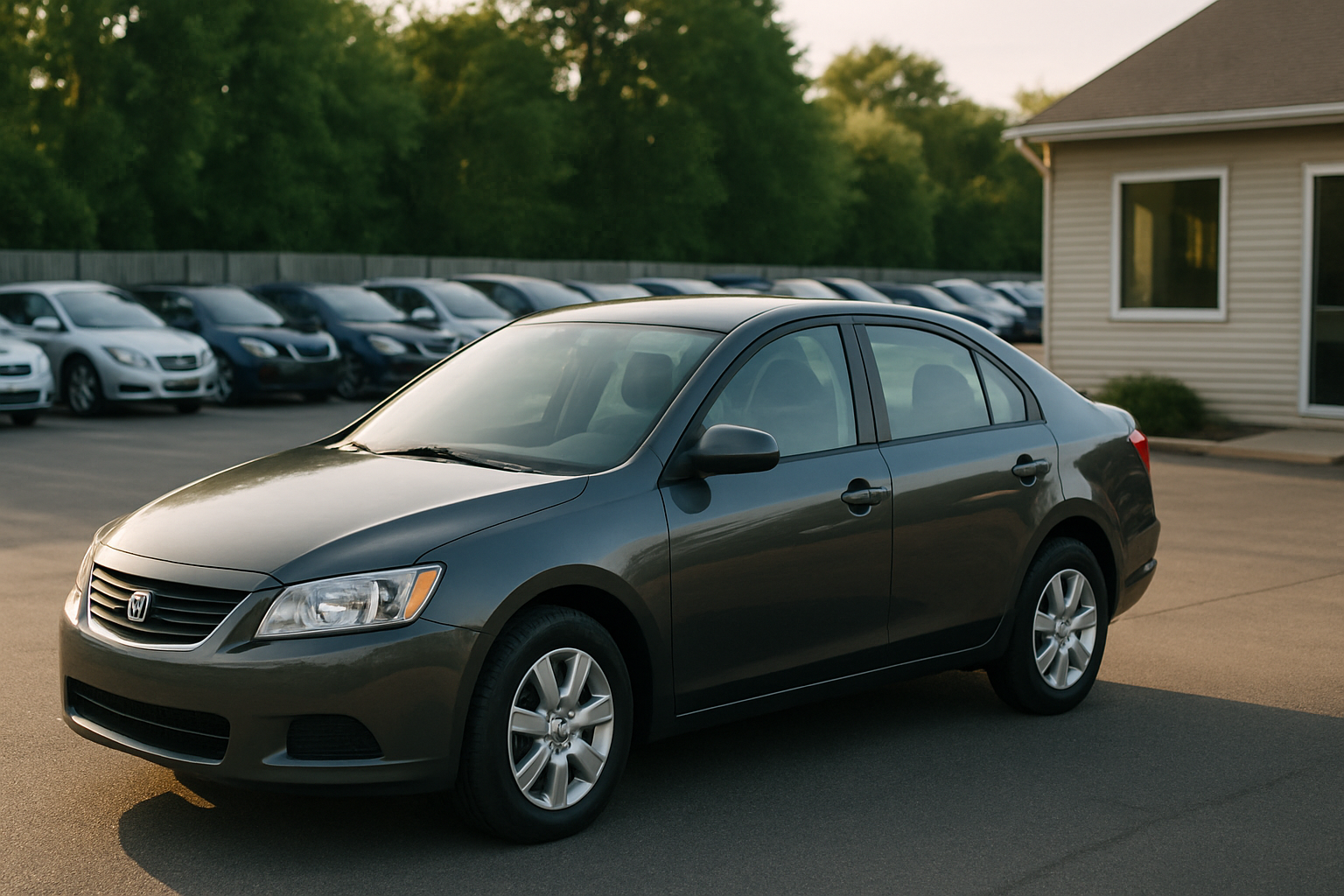
If you’re a young driver shopping for a used car, insurance costs can hit harder than the car payment itself. I’ve seen plenty of 18-year-olds buy a $5,000 Honda Civic only to discover their insurance runs $300 a month. That’s not a typo. Insurance companies see young drivers as high-risk, and certain vehicles make that premium even worse.
But here’s what most people miss: the car you choose makes a massive difference. Some used cars cost half as much to insure as others, even when they’re the same price on the lot. Knowing which models insurers favor can save you thousands over a few years.
Why Insurance Costs More for Young Drivers
Insurance companies use actuarial tables that show young drivers statistically get into more accidents. Fair or not, that’s the reality. Drivers under 25, especially males, pay the highest premiums. Adding a flashy or high-performance car to that equation makes things worse.
Insurers look at several factors when calculating your rate:
- Vehicle theft rates: Cars that get stolen frequently cost more to insure
- Repair costs: Expensive parts mean higher premiums
- Safety ratings: Cars with good crash test scores and advanced safety features get discounts
- Engine size and horsepower: High-performance engines signal risk to insurers
- Driver demographics: What kind of people typically drive this car? Young male in a Mustang? Premium goes up
The sweet spot is finding a safe, reliable car with low theft rates and modest performance. Boring wins when it comes to insurance costs.
Best Used Cars for Low Insurance Rates
These vehicles consistently show up with the lowest insurance premiums for young drivers. They’re not exciting, but they’re affordable to own and insure.
Honda CR-V (2012-2018)
The CR-V sits at the top of almost every cheap-to-insure list. It’s a small SUV with good safety ratings, reasonable repair costs, and a reputation for reliability. Insurance companies see it as a family vehicle, not something a 19-year-old is going to race around town. You can find decent examples from 2012-2015 for under $12,000, and insurance typically runs 20-30% less than a sporty sedan.
Subaru Outback (2010-2016)
Another wagon-style SUV that insurers love. Subaru’s all-wheel-drive system appeals to safety-conscious buyers, and the demographic skews older. The Outback has excellent crash test ratings and low theft rates. It’s practical, reliable, and won’t trigger red flags with your insurance company.
Honda Odyssey (2011-2017)
Yes, a minivan. Before you scroll past, consider this: minivans have some of the lowest insurance rates available. Insurance companies know minivans aren’t getting driven aggressively. The Odyssey is reliable, safe, and surprisingly useful if you ever need to haul friends or gear. Pride takes a backseat to saving $1,500 a year on insurance.
Mazda3 (2012-2016)
If you absolutely need a sedan, the Mazda3 offers decent styling without the insurance penalty of sportier cars. It has good safety scores and reasonable repair costs. The four-cylinder engine keeps premiums manageable. Avoid the MazdaSpeed3 variant, which has a turbo and will cost significantly more to insure.
Ford Escape (2013-2017)
Ford’s compact SUV checks the same boxes as the CR-V. Good safety ratings, modest performance, and a reputation as a practical family vehicle. Parts are readily available and inexpensive compared to luxury brands. The 2013 and newer models got better safety tech, which can qualify you for additional discounts.
Toyota Camry (2010-2015)
The Camry is vanilla personified, which makes it perfect for insurance purposes. It’s reliable, safe, and cheap to fix. Theft rates are relatively high for older Camrys, so stick with 2010 or newer models that have better anti-theft systems. Get the four-cylinder, not the V6.
Hyundai Elantra (2011-2016)
Hyundai doesn’t get enough credit for making sensible, affordable cars. The Elantra has low insurance costs, good reliability after 2011, and reasonable ownership costs. It’s another boring sedan that saves you money every month.
This video covers common mistakes when buying car insurance, which is essential knowledge when you’re shopping as a young driver:
Cars to Avoid If You’re Young
Some vehicles will absolutely destroy your insurance budget. Stay away from these categories:
Anything with a V8 or turbo. Mustangs, Camaros, Chargers, WRXs. These cars are magnets for speeding tickets and accidents in insurance company data. Your premium will reflect that.
Luxury brands under $10,000. That cheap BMW 3-series might seem like a deal until you get the insurance quote. Luxury cars cost more to repair, and insurers know it. Plus, old luxury cars break down constantly, which is another topic entirely.
High theft rate vehicles. Older Honda Civics and Accords get stolen frequently because parts are valuable. The Nissan Altima and Dodge Charger also top theft lists in many areas.
Small sports cars. Mazda Miata, Toyota MR2, anything two-door and nimble. Insurance companies assume you’ll drive these aggressively, and they’re often right.
How to Lower Your Insurance Costs Further
Picking the right car is half the battle. These strategies can drop your premium even more:
Take a defensive driving course. Most insurers offer 5-15% discounts for completing an approved driver safety course. It’s usually a weekend online class that pays for itself quickly.
Stay on your parents’ policy if possible. Being added as a driver on your parents’ insurance is almost always cheaper than getting your own policy. You lose some independence, but you save serious money.
Increase your deductible. Moving from a $500 to $1,000 deductible can drop your premium by 10-20%. Just make sure you can afford that deductible if you need to file a claim.
Ask about usage-based insurance. Programs like Progressive Snapshot or Allstate Drivewise track your driving habits and can reduce your rate if you drive safely. If you’re actually a careful driver, this can save 10-30%.
Maintain good grades. If you’re in school, most insurers offer good student discounts of 10-25% for maintaining a B average or better. Keep those transcripts handy.
Bundle policies. If you rent an apartment, bundling renters insurance with your auto policy usually saves money on both.
Shop around every year. Insurance rates vary wildly between companies. Getting quotes from 4-5 insurers annually ensures you’re getting competitive pricing. Don’t just stick with the first company that insures you.
What Coverage Do You Actually Need
Young drivers often get sold more coverage than necessary, or they skimp on important protections to save money. Finding the balance matters.
State minimum liability coverage is usually inadequate. If you cause an accident and only have $25,000 in coverage, you’re personally liable for anything beyond that. Medical bills from a serious accident can easily hit six figures. I’d recommend at least 100/300/100 coverage (that’s $100k per person for injuries, $300k per accident, and $100k for property damage).
Collision and comprehensive coverage on an older used car is trickier. If your car is worth $4,000 and you’re paying $800 a year for full coverage, you’re not getting good value. You’d recoup your premiums in five years even without an accident. For cars under $5,000, consider dropping collision and comprehensive if you can afford to replace the vehicle yourself.
Uninsured motorist coverage is worth having regardless of your car’s value. Too many drivers don’t carry insurance or have minimal coverage. This protects you when they cause an accident.
Real World Insurance Cost Examples
These are approximate annual premiums for a 20-year-old male driver with a clean record in a mid-sized city. Your rates will vary based on location and driving history, but the relative differences between vehicles stay consistent.
| Vehicle | Approximate Annual Premium |
|---|---|
| 2014 Honda CR-V | $2,100 – $2,600 |
| 2013 Subaru Outback | $2,200 – $2,700 |
| 2015 Honda Odyssey | $1,900 – $2,400 |
| 2014 Mazda3 | $2,300 – $2,800 |
| 2015 Ford Escape | $2,200 – $2,700 |
| 2012 Toyota Camry | $2,400 – $2,900 |
| 2015 Ford Mustang GT | $4,200 – $5,500 |
| 2013 BMW 328i | $3,800 – $4,800 |
| 2011 Dodge Charger V8 | $4,000 – $5,200 |
The difference between insuring a CR-V and a Mustang is around $2,500 per year. Over three years, that’s $7,500. You could buy another used car with that money.
Getting Insurance Quotes Before You Buy
Never buy a car without getting an insurance quote first. Call your insurance agent or use online quote tools with the specific VIN of the car you’re considering. I’ve watched people buy cars and then discover they can’t afford the insurance.
When comparing quotes, make sure you’re comparing the same coverage levels. A cheap quote with minimum liability isn’t comparable to a higher quote with better coverage.
Some insurance companies specialize in high-risk or young drivers. Companies like The General or Safe Auto might offer better rates for your situation than the big national brands.
The Long Game
Your insurance costs will drop as you get older and build a clean driving record. Most insurers significantly reduce rates at age 25, and every year without an accident or ticket helps. That sports car you want becomes more affordable in a few years.
In the meantime, driving something practical and affordable makes sense financially. A boring car with cheap insurance leaves more money for other things. Once you’re 30 with a solid driving record, insuring that Mustang or BMW becomes reasonable.
The used car market right now is still recovering from pandemic pricing, but deals exist if you’re patient. Focus on vehicles with the safety features and demographics that insurers favor. Test drive a few options, get insurance quotes on each, and run the total cost of ownership numbers before deciding.
Your friends might give you grief for driving a CR-V or an Odyssey, but you’ll be the one with extra money in your account every month. That matters more than looking cool in the parking lot.


Leave a Reply