
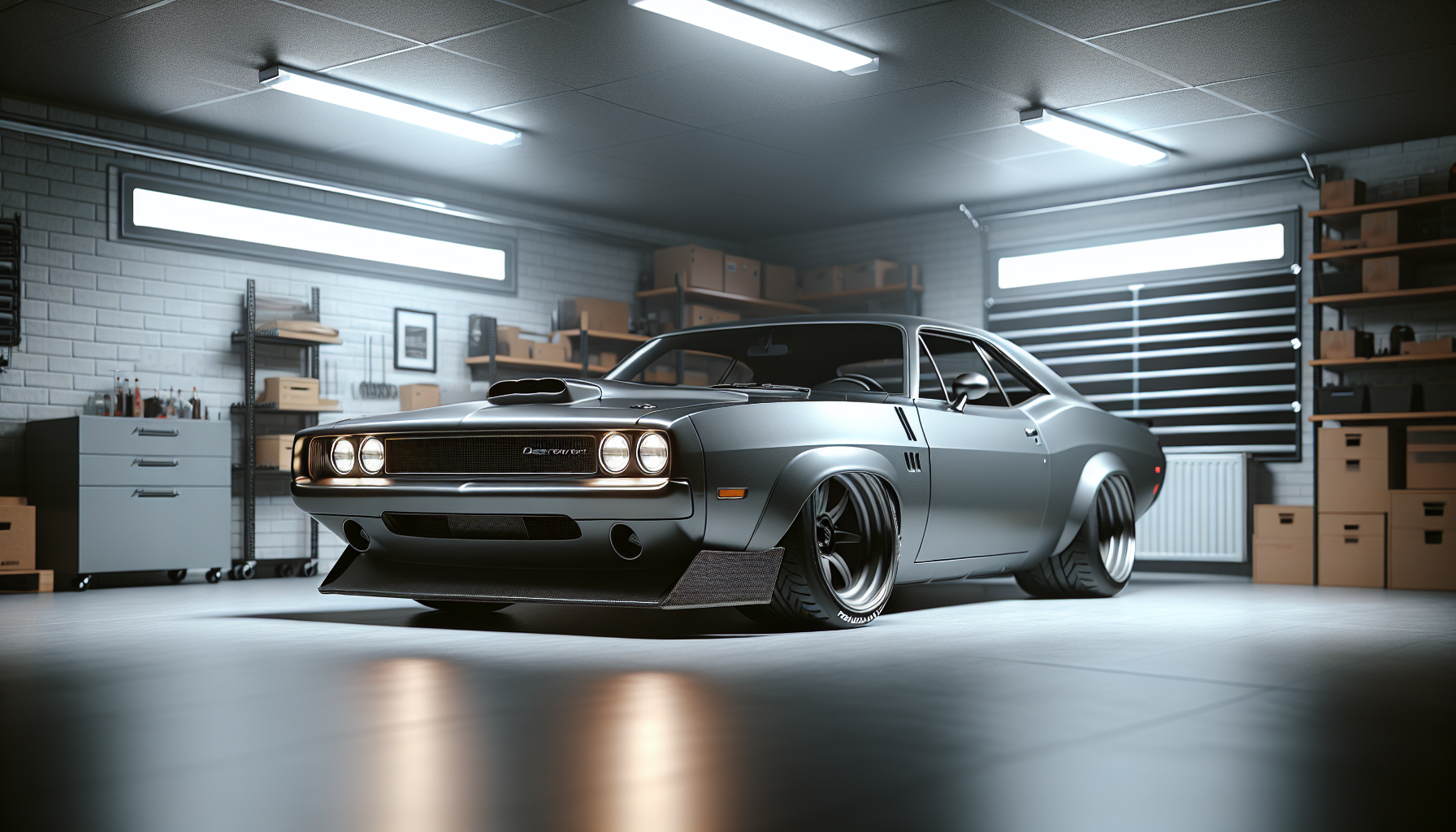
If you own a Dodge Challenger wide body and hear that unmistakable grinding or rubbing sound when cranking the wheel all the way over, you’re not alone. This is one of those issues that shows up more often than it should on these cars, especially if you’ve gone with aftermarket wheels, lowered the suspension, or even just have the factory wide body setup pushing the limits of clearance.
The wide body Challenger looks absolutely menacing with those flared fenders, but they come with a trade-off. The wider stance means less room between your tires and the inner fender liner, particularly at full steering lock. Sometimes it’s just poor design tolerances. Other times it’s something you did (or didn’t do) during a modification. Either way, that rubbing noise isn’t just annoying—it can wear through your fender liner, damage your tire sidewall, or even affect your steering if left unchecked.
Common Causes
Several things can trigger fender liner rubbing on the Challenger wide body. Sometimes it’s just one culprit, but often it’s a combination that pushes things over the edge.
Wheel offset and width issues are probably the most common cause. The factory wide body comes with specific wheel specs for a reason. If you’ve upgraded to aftermarket wheels with the wrong offset (too aggressive, meaning the wheel sits further out), the tire gets pushed closer to the fender liner. Even a few millimeters can make the difference between clearance and contact. Wider wheels compound this problem by moving the outer edge of the tire even closer to the fender.
Lowering springs or coilovers change the suspension geometry. When you drop the car, the tire doesn’t just move straight down—it also travels through a different arc during suspension compression and steering input. This can bring the tire into contact with the fender liner in ways that didn’t happen at stock height. I’ve seen people drop their Challenger two inches and suddenly have rubbing that wasn’t there before.
Tire size matters more than people think. Running a tire that’s too wide or has too much sidewall height will obviously eat into your clearance. But diameter plays a role too. A taller tire has more material that can make contact during steering.
Worn or sagging suspension components can also be the problem. If your control arm bushings are shot or your springs have settled over time, the whole geometry shifts. The car sits differently, and suddenly that marginal clearance you had becomes contact.
Sometimes it’s just debris or loose hardware. A fender liner clip that’s come undone can let the liner sag into the tire’s path. Mud or ice buildup in winter can also temporarily create interference where there normally isn’t any.
How to Diagnose the Problem
Before you start pulling parts off or spending money, you need to figure out exactly what’s rubbing and under what conditions.
Start with a visual inspection. Turn your steering wheel all the way to one side while the car is parked. Get down and look at the gap between your tire and the fender liner. You should be able to see if there’s contact or if it’s close. Do this on both sides—sometimes only one side rubs due to slight differences in suspension settling or alignment.
Now check for evidence of rubbing. Look at the fender liner itself for scrape marks, scuffing, or areas where the plastic looks melted from friction. Check your tire sidewall too. Fresh rubber marks or worn spots on the shoulder of the tire tell you exactly where contact is happening.
Do a full lock test while moving. In an empty parking lot, turn the wheel all the way over and slowly drive forward, then do it in reverse. Listen for the rubbing sound and try to pinpoint exactly when it happens. Is it only at full lock? Does it happen during compression (like going over a bump)? This tells you whether it’s a steering angle issue or a suspension travel issue.
Measure your wheel specs. If you’re running aftermarket wheels, confirm the actual offset, width, and tire size. Compare these to factory specs or known good fitments for the wide body. There are online fitment calculators that can show you how your setup compares to stock.
Check the fender liner mounting. Make sure all the clips and screws are tight and nothing is sagging. A loose liner can move several millimeters, which is sometimes all it takes.
If you’ve lowered the car, measure your ride height at all four corners. Uneven settling can cause one side to rub while the other is fine.
How to Fix It
Once you know what’s causing the rubbing, you’ve got several options depending on the severity and your willingness to modify things.
Adjust or trim the fender liner. This is often the quickest fix if the rubbing is minor. Many Challenger owners have successfully trimmed back the inner portion of the fender liner where it contacts the tire. You can usually remove 1-2 inches of material without compromising protection or creating an obvious visual change. Use a sharp utility knife or cutting wheel, and smooth the edges with sandpaper or a heat gun so you don’t have sharp plastic edges that could damage the tire. Just be conservative—you can always remove more, but you can’t put it back.
Install wheel spacers. If your offset is too aggressive and pushing the wheel outward, you might think spacers would make it worse. But actually, the right size spacer can sometimes help by changing the suspension geometry slightly. However, be really careful here—spacers can create other problems like increased bearing wear and can make rubbing worse on the outside of the fender. I generally don’t recommend spacers as a primary solution for inner fender rubbing unless you really know what you’re doing with suspension geometry.
This video covers some important considerations about wheel spacers:
Get wheels with the correct offset. If you’re running aftermarket wheels with bad fitment, sometimes the right answer is just different wheels. For the Challenger wide body, you generally want an offset in the +18 to +24mm range for a 20×9.5 or 20×10 wheel. Too far positive and you’ll rub the inside. Too negative and you’ll stick out past the fender or rub on the outside.
Downsize your tires slightly. Going from a 305-width tire to a 295, or reducing sidewall height, can give you that extra bit of clearance you need. It’s not the solution people want to hear because we all want the fattest tires possible, but sometimes it’s the practical answer.
Adjust your suspension height. If you’ve lowered the car and created the problem, you might need to raise it slightly. Even a quarter-inch can make a difference. If you’re on coilovers, this is easy. If you’re on lowering springs, you might need to go with a more moderate drop or return to stock height.
Rolling the fender lip usually addresses outer fender rubbing more than inner liner rubbing, but it’s worth mentioning. If you’re rubbing on the metal fender edge rather than the plastic liner, a fender roller can push that lip up and out to create more room. This requires some skill to avoid damaging your paint.
This video shows the fender rolling process, which might be relevant if you’re also dealing with outer fender contact:
Replace worn suspension components. If sagging springs or blown bushings are the cause, replacing them will restore proper geometry and clearance. This is more expensive but necessary if your suspension is actually worn out.
When to See a Mechanic
Most fender liner rubbing issues are DIY-friendly if you’re comfortable with basic tools and measurements. But there are times when professional help makes sense.
If you need to replace suspension components and don’t have the tools or space, a shop is the way to go. Coilovers, control arms, and bushings require proper tools and sometimes a press.
If you want fender rolling done right without risking your paint, pay someone who does it regularly. A botched fender roll can crack or peel your paint, and fixing that costs way more than just paying for professional rolling in the first place.
When you’re unsure about wheel fitment and offset calculations, a good wheel shop can measure everything and recommend proper specs. They can also check your alignment, which you’ll want after any suspension work anyway.
If the rubbing is accompanied by other symptoms like pulling to one side, uneven tire wear, or clunking noises, you might have alignment or suspension damage that needs professional diagnosis.
Estimated Repair Costs
| Solution | DIY Cost | Shop Cost |
|---|---|---|
| Trim fender liner | $0-20 (tools only) | $50-100 |
| Wheel spacers (pair) | $100-300 | $150-400 |
| New wheels (set of 4) | $800-2500+ | Same + $100 mounting/balance |
| Different tire size (set of 4) | $600-1500 | Same + $100 mounting/balance |
| Fender rolling (both fronts) | $100-200 (tool rental) | $200-400 |
| Coilover adjustment | $0 (your time) | $100-200 |
| Replace control arm bushings | $100-200 (parts) | $400-700 |
These costs vary based on location and specific parts quality. Labor rates differ significantly between independent shops and dealers.
Prevention Tips
The best way to deal with fender liner rubbing is to avoid it in the first place.
Research fitment before buying wheels. Use forums, fitment galleries, and calculators to verify that your wheel and tire combo will work. The Challenger community is huge, and someone has already tried whatever setup you’re considering. Learn from their mistakes.
Test fit before final installation. When you get new wheels, mount one and check clearance at full lock and over bumps before committing to all four. It’s easier to return wheels you haven’t mounted and driven on.
Lower your car gradually if you’re going that route. Don’t just slam it to maximum drop and hope for the best. Start conservative, check clearances, then go lower if you have room. Adjust your alignment after lowering too—this affects tire contact patterns.
Keep your suspension in good shape. Inspect bushings and springs periodically. Worn suspension not only causes rubbing but also hurts handling and tire wear.
Clean out your fender wells regularly, especially in winter. Ice and mud buildup can create temporary rubbing that damages your liner over time.
Don’t ignore minor contact. That little scraping sound you only hear occasionally will become constant rubbing, which becomes a hole in your fender liner, which leads to tire damage. Fix it when it’s small.
Final Thoughts
Fender liner rubbing on the Challenger wide body is frustrating but fixable. Most cases come down to clearance issues created by wheel fitment or suspension modifications. The fix might be as simple as trimming some plastic or as involved as buying new wheels, but you’ve got options at every budget level.
Start with proper diagnosis so you know exactly what’s making contact and why. Then choose the solution that makes sense for your setup and budget. If you’re planning to modify your Challenger, do the research upfront and you’ll save yourself the headache of dealing with rubbing after the fact.
That rubbing noise isn’t going to fix itself, and continuing to drive with tire-to-fender contact will eventually cost you more in damaged parts. Take an afternoon to sort it out properly and you’ll be back to enjoying that wide body stance without the grinding soundtrack.


Leave a Reply