
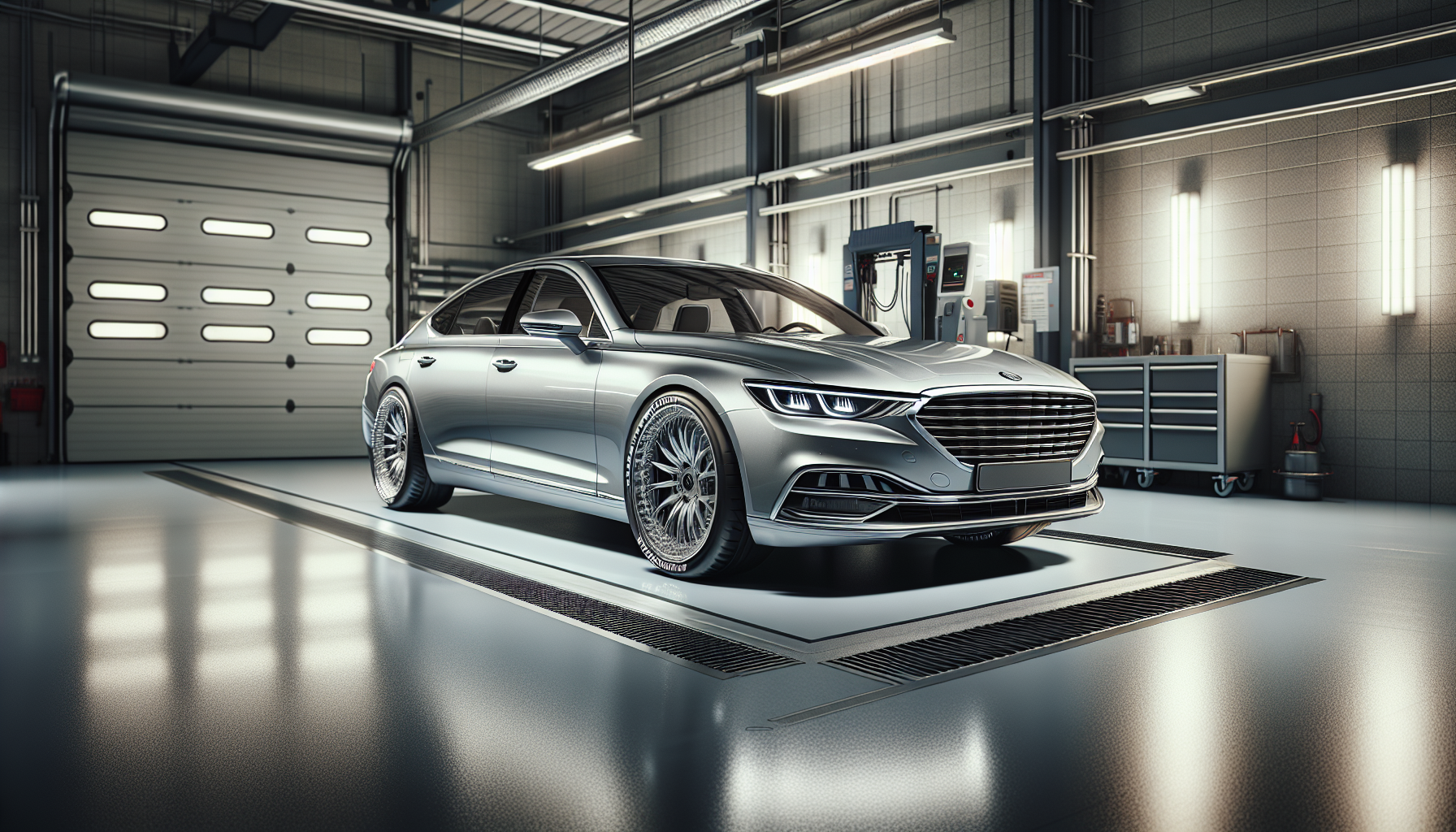
You walk out to your Mercedes E-Class in the morning, turn the key, and there it is: that dreaded “Airmatic” warning on your dash, maybe with a red “Stop” light or the car sitting noticeably lower on one side. Air suspension malfunctions at startup are frustratingly common on E-Class models, especially once they hit the 80,000-mile mark. The system works beautifully when it’s new, but age and moisture take their toll on components that were never designed to last forever.
The problem usually shows up at startup because the system runs a self-diagnostic check every time you fire up the engine. Cold temperatures make things worse, as seals contract and worn components that barely held together the day before finally give up overnight.
Common Causes
Air suspension failures don’t happen randomly. A few specific components cause most of the grief, and they tend to fail in predictable patterns.
Air strut leaks are the number one culprit. The rubber bladders inside the struts develop cracks over time, especially on the rear axle where they carry more weight. You’ll often see one corner of the car sagging overnight. The front struts can leak too, but they usually go bad later than the rears.
The air compressor eventually wears out from overwork. When struts leak slowly, the compressor runs constantly trying to maintain pressure. You might hear it cycling repeatedly even when the car is parked. A failing compressor often makes a grinding or whining noise that sounds different from the normal operation hum.
Valve block failures are sneakier. The valve block controls which strut gets air and when. Internal seals wear out and start leaking, causing the system to lose pressure overnight. The car drops evenly rather than on one corner, which makes people think the compressor is dead when the valve block is actually the problem.
Ride height sensors fail less often but cause bizarre symptoms when they do. A bad sensor tells the system the car is sitting at the wrong height, triggering endless adjustments. The car might bounce up and down randomly or throw error codes even though nothing is mechanically wrong.
Air line leaks happen at connection points where rubber hoses attach to metal fittings. Years of vibration and temperature cycles crack the lines. Sometimes you can hear a hissing sound when the suspension activates.
How to Diagnose the Problem
Start with the obvious stuff. Look at all four corners of the car when it’s been sitting overnight. If one corner is significantly lower, that strut is probably leaking. Check for visible cracks in the rubber bellows or wet spots that indicate active leaks.
Turn on the ignition without starting the engine and listen for the compressor. It should run for maybe 30-60 seconds then shut off. If it keeps running or cycles on and off repeatedly, something is leaking badly.
Get under the car with a flashlight. Spray soapy water on the struts, air lines, and valve block connections. Active leaks will bubble. Pay extra attention to where rubber lines meet metal fittings.
This video walks through the diagnostic process on Mercedes Airmatic systems:
You really need a scan tool to see what the system thinks is wrong. A basic OBD2 scanner won’t cut it here. You need something that reads Mercedes-specific codes. The Airmatic system stores fault codes that tell you exactly which component failed. Popular options like the iCarsoft MB II or Autel scanners work well for this.
Check stored fault codes even if the warning light isn’t currently on. The system remembers past issues. Common codes include things like “Front left air spring has a leak” or “Supply voltage too low” which points to compressor problems.
Listen when you first start the car in the morning. A healthy system should lift the car smoothly within 30-40 seconds. If it struggles, makes grinding noises, or takes several minutes, the compressor is probably on its way out.
How to Fix It
Replacing air struts isn’t as scary as it sounds if you have basic mechanical skills. The rear struts are actually easier than the fronts. You’ll need to safely lift and support the car, then disconnect the air line and electrical connector before unbolting the old strut. New aftermarket struts from Arnott or Strutmasters cost way less than OEM and work just as well.
Here’s the thing about replacing just one strut: don’t do it. If one rear strut failed, the other isn’t far behind. Replace them in pairs or you’ll be doing this job again in six months. The fronts can be done individually since they tend to last longer.
The compressor replacement is more involved but still DIY-friendly. It’s mounted under the car near the spare tire well. You need to disconnect the air lines carefully, unbolt the mounting bracket, and swap in the new unit. The trickiest part is getting the electrical connector off without breaking the plastic tabs. Afterview compressors from AMK or Wabco are solid choices.
Valve block replacement requires more patience. The valve block sits in the engine bay on most E-Class models, buried under covers and brackets. You have to disconnect multiple air lines and mark exactly which goes where. Take lots of photos before you start. The valve block itself isn’t expensive, but one wrong connection and you’ll chase electrical gremlins for weeks.
Air line repairs are simple if you catch them early. Cut out the cracked section and install a brass splice fitting with new hose clamps. Make sure you use the right type of air line rated for automotive suspension systems, not just random hardware store tubing.
This video shows common Airmatic problems and fixes:
After any repair, you need to clear the fault codes and recalibrate the system. Most scan tools have a function to run the suspension calibration routine. The car will cycle through different ride heights automatically. Don’t skip this step or the warning light might come back even though you fixed the actual problem.
When to See a Mechanic
If you’re getting multiple fault codes pointing to different components, let a shop diagnose it properly. Sometimes what looks like several failed parts is actually just one issue causing cascading problems. A good independent Mercedes specialist can pinpoint the real culprit without the parts-cannon approach.
Electrical issues in the suspension system get complicated fast. If you’re seeing codes about communication errors or control module faults rather than mechanical failures, you probably need professional help. These require specialized software to reprogram modules.
When the car drops completely flat overnight despite a new compressor and no visible leaks, the problem might be in the control module itself. These failures are rare but they happen. Module replacements require dealer-level programming in most cases.
If you don’t have a solid place to work or the right tools, this isn’t the job to attempt in an apartment parking lot. You need a good jack, jack stands rated for the car’s weight, and enough space to work safely underneath.
Estimated Repair Costs
| Repair | DIY Cost | Shop Cost |
|---|---|---|
| Single air strut replacement | $200-400 | $600-900 |
| Pair of air struts (rear) | $400-700 | $1,200-1,800 |
| Air compressor replacement | $300-500 | $900-1,400 |
| Valve block replacement | $250-400 | $800-1,200 |
| Air line repair | $20-50 | $200-400 |
| Complete system overhaul | $1,200-1,800 | $3,500-5,000 |
Those shop prices assume an independent Mercedes specialist. Dealer rates run 30-50% higher across the board. The labor costs add up because the system requires proper diagnosis, calibration, and testing after repairs.
Prevention Tips
Check your suspension regularly instead of waiting for a warning light. Walk around the car before you drive away each morning. If one corner looks lower than the others, investigate immediately. Catching a small leak early saves you from destroying the compressor.
Keep the air dryer element fresh. The Airmatic system has a small filter that removes moisture from the air. When it gets saturated, water gets into the system and accelerates wear on everything. Replace it every 40,000 miles or so. It’s a cheap part that most people ignore until major components fail.
Park in a garage when possible, especially in winter. Temperature swings and road salt are brutal on air suspension components. The rubber seals last noticeably longer when protected from extreme weather.
Don’t ignore small leaks hoping they’ll go away. That slow leak forces the compressor to run more often, burning it out prematurely. A $300 strut repair turns into a $1,500 job when you add a dead compressor to the mix.
Avoid loading the car beyond its rated capacity regularly. Yeah, the air suspension adjusts for heavy loads, but constantly maxing it out wears the struts faster. If you’re hauling heavy stuff weekly, you’re asking for premature failures.
Consider switching to coil springs if you’re tired of the air suspension game. Several companies make conversion kits that replace the entire Airmatic system with conventional coil springs and shocks. You lose the adjustable ride height feature, but you gain reliability. The ride quality is slightly firmer but perfectly acceptable. Kits run $600-1,000 and install in an afternoon.
Mercedes air suspension works beautifully when maintained properly, but it’s not a set-it-and-forget-it system. Budget for eventual repairs or plan your exit strategy before the bills pile up. Most E-Class owners face this decision somewhere between 80,000 and 120,000 miles. Neither choice is wrong, just different philosophies about what you want from your car.

Leave a Reply