

Few things are more frustrating than seeing that yellow coolant warning light pop up on your BMW X3 dash when you’ve just checked the reservoir and it’s sitting right at the proper level. You’re not losing your mind, and you’re definitely not alone. This is one of those quirky BMW issues that catches owners off guard because the obvious problem—low coolant—isn’t actually the problem at all.
The BMW X3 uses a sensor-based system to monitor coolant levels, and when that light comes on despite a full reservoir, you’re usually dealing with either a faulty sensor, air trapped in the cooling system, or a failing expansion tank. Sometimes it’s even simpler than that—just a loose connection or corroded wiring. Let’s walk through what’s actually going on and how to fix it without dropping hundreds at the dealer.
Common Causes
The coolant level sensor is the usual suspect here. BMW mounted this little float sensor inside the expansion tank, and over time it gets gunked up with coolant residue or simply wears out. When it fails, it sends a false low-level signal to your car’s computer even though there’s plenty of coolant sloshing around in there.
Air pockets in the cooling system cause similar symptoms. If someone recently topped off your coolant or did any cooling system work, air might have gotten trapped. The sensor reads the air pocket as low coolant, triggering the warning. This happens more often than you’d think, especially if the system wasn’t properly bled after maintenance.
Expansion tank cracks are sneaky. Sometimes you’ll have a hairline crack that lets air into the system but doesn’t leak enough coolant to be obvious. The tank looks full, but the sensor is picking up on pressure changes or intermittent air bubbles. Older X3s with the original plastic tanks are especially prone to this.
Wiring issues don’t get talked about enough. The connector at the sensor can corrode, especially if you live anywhere with road salt. A corroded or loose connector will give you intermittent warnings that seem to appear randomly. Sometimes just wiggling the connector makes the light go away temporarily, which tells you everything you need to know.
How to Diagnose the Problem
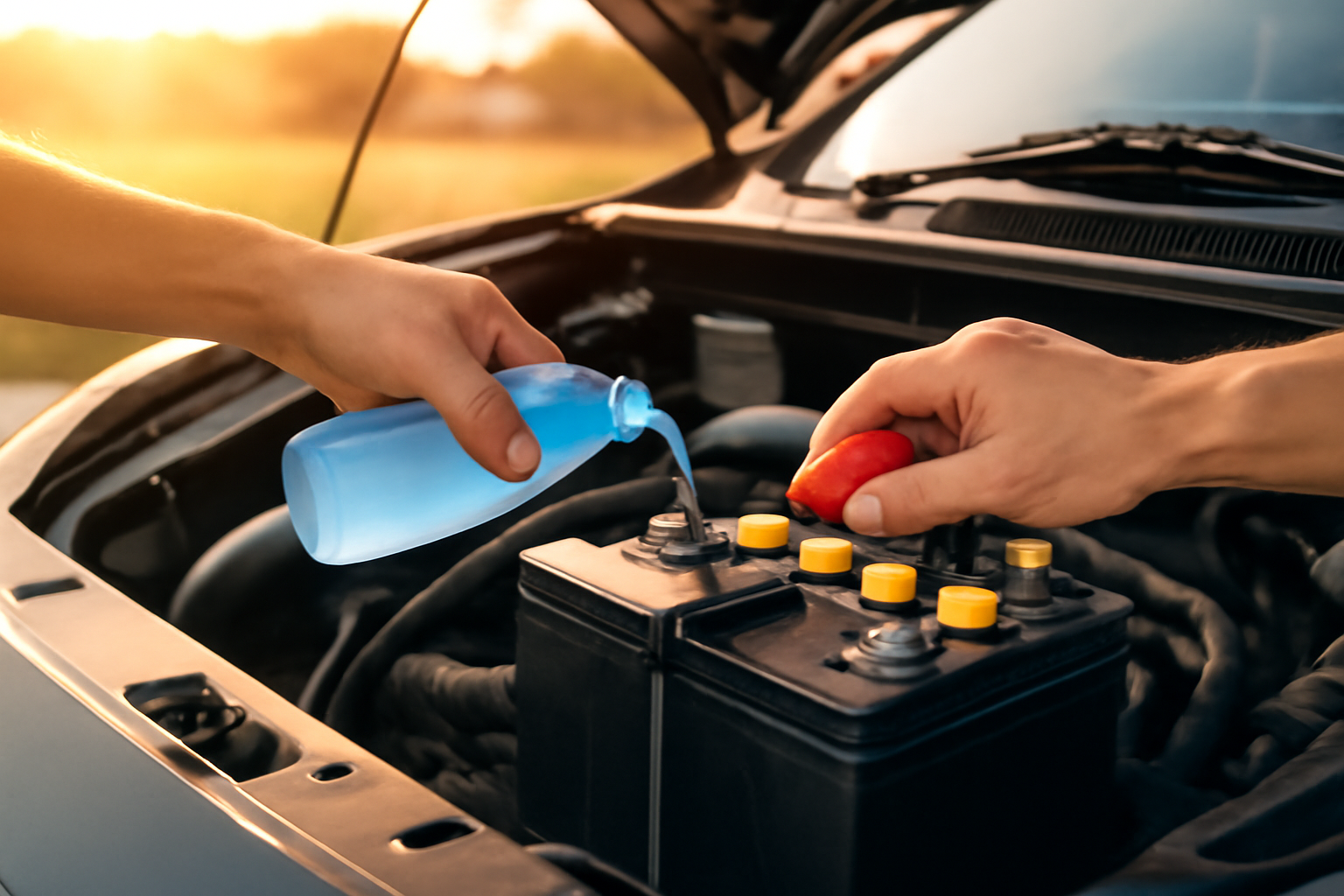
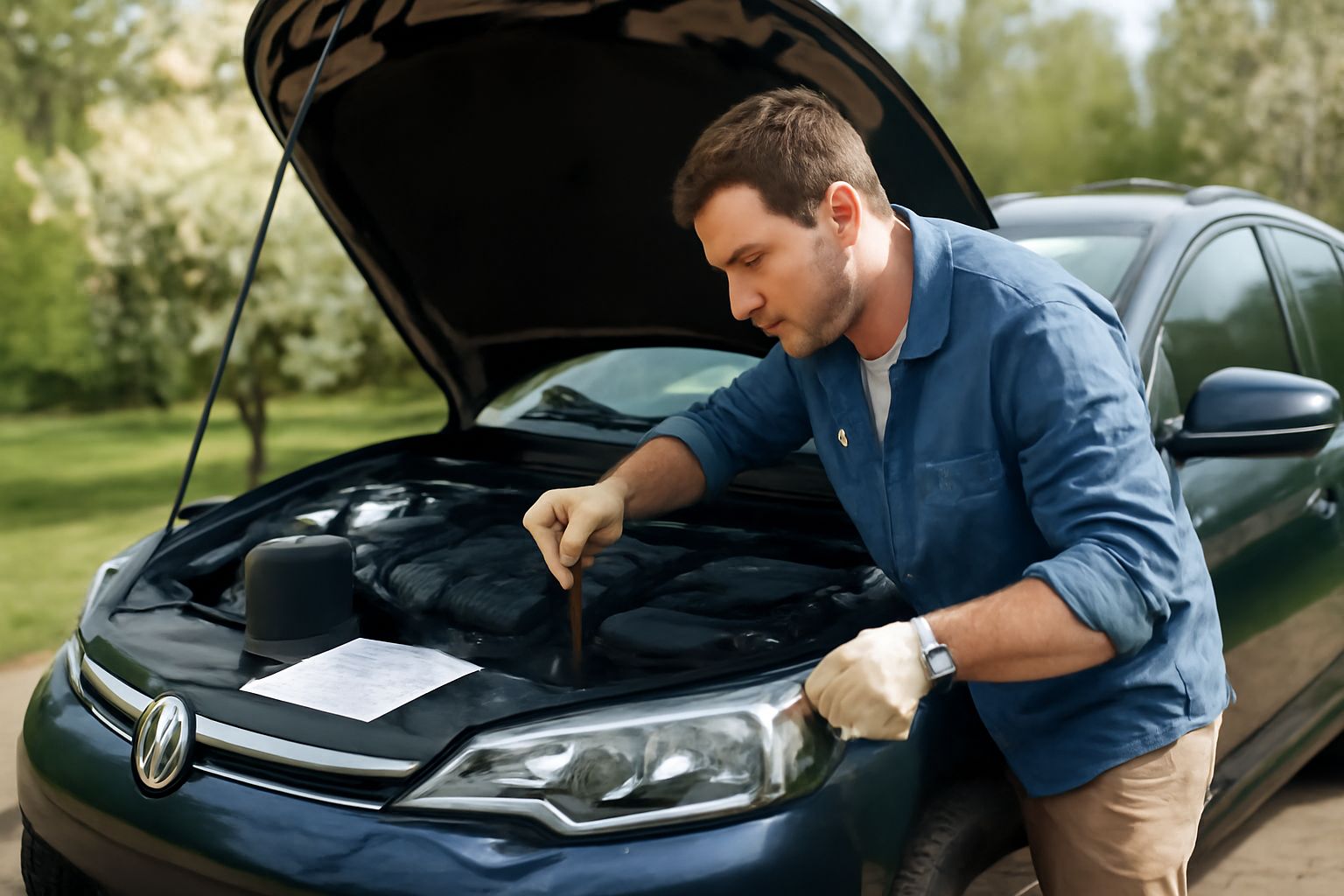
Start with the obvious stuff. Pop the hood when the engine is completely cold and check the expansion tank. The coolant should be between the min and max marks. If it’s low despite what you thought you saw before, top it off with the proper BMW coolant mix (50/50 with distilled water) and see if the light clears after a short drive.
Inspect the expansion tank carefully. Get a flashlight and look for any cracks, especially around the seams and where the sensor mounts. Squeeze the tank gently—if it feels brittle or you see any stress cracks, it’s on borrowed time. Also check if the tank looks discolored or the plastic seems chalky, which indicates UV damage and imminent failure.
Next, check the sensor connector. It’s located on the side of the expansion tank. Unplug it and look at both the male and female ends for any green corrosion or bent pins. If you see corrosion, that’s probably your culprit. Clean it with electrical contact cleaner and see if that solves it.
Test the sensor if you have a multimeter. With the ignition off, unplug the sensor and check for continuity. The sensor should show continuity when the float is down (simulating low coolant) and no continuity when it’s up. If it doesn’t change or shows weird readings, the sensor is toast.
Watch for patterns in when the light appears. Does it only come on when the engine is cold? When you’re turning? Going uphill? These patterns can tell you a lot. A light that only appears on turns suggests air pockets, while one that’s constant points to sensor failure.
This video shows how to properly bleed air from the cooling system, which often fixes false warnings:
How to Fix It
Replacing the coolant level sensor is the most common fix and honestly pretty easy. The part costs around $15 to $30 online. Let the engine cool completely, then relieve pressure by slowly opening the expansion tank cap with a rag over it. Unplug the electrical connector from the old sensor, then twist the sensor counterclockwise to remove it. Some coolant will spill out, so have a drain pan ready. Install the new sensor by twisting it clockwise until it locks, reconnect the plug, top off any lost coolant, and clear the warning with an OBD scanner or by disconnecting the battery for a few minutes.
Bleeding the cooling system fixes air pocket issues. With the engine cold, remove the expansion tank cap and the bleed screw (usually near the thermostat housing or on top of the radiator). Start the engine and let it idle. Add coolant as needed to keep the tank full. Squeeze the upper radiator hose a few times to help air escape. When you see steady coolant flow from the bleed screw with no bubbles, close it. Top off the tank, replace the cap, and let the car reach operating temperature while monitoring the level. You might need to repeat this process a couple times.
Cleaning corroded connectors often does the trick when the sensor itself is fine. Spray electrical contact cleaner into both sides of the connector and use a small wire brush or even an old toothbrush to scrub away corrosion. Let it dry completely, apply a tiny bit of dielectric grease to prevent future corrosion, and reconnect. This five-minute fix has saved many people from unnecessary sensor replacements.
Replacing the expansion tank becomes necessary when you find cracks or if the tank is original and over ten years old. This is more involved but still doable at home. You’ll need to drain the cooling system first, disconnect all hoses from the tank (take pictures first), unbolt it from its mount, and install the new one. Many aftermarket tanks come with a new sensor and cap included, which is a nice bonus. Refill with fresh coolant and bleed the system thoroughly.
When to See a Mechanic
If you’ve replaced the sensor and bled the system but the light keeps coming back, something else is going on. You might have a more serious cooling system issue like a bad water pump or thermostat that’s causing pressure fluctuations the sensor is picking up on. At that point, a proper pressure test and diagnostic scan is worth the money.
Overheating symptoms alongside the coolant warning are a red flag. If your temperature gauge is climbing into the red, you’re seeing steam, or the engine is running hot, stop driving immediately. You could have a blown head gasket, cracked head, or severe leak that needs professional attention before you cause expensive damage.
Persistent coolant loss that you can’t locate is another mechanic situation. If you’re constantly adding coolant but can’t find any visible leaks and the warning light won’t stay off, you might be losing coolant internally through a head gasket or into the transmission cooler. These problems require diagnostic equipment most DIYers don’t have.
Estimated Repair Costs
| Repair | DIY Cost | Shop Cost |
|---|---|---|
| Coolant level sensor replacement | $15 – $30 | $120 – $200 |
| Cooling system bleeding | $0 (just time) | $80 – $120 |
| Connector cleaning | $5 – $10 | $60 – $100 |
| Expansion tank replacement | $60 – $120 | $250 – $400 |
| Full cooling system diagnosis | N/A | $100 – $180 |
These prices assume you’re buying quality aftermarket parts, not dealer BMW parts which run about double. Labor rates vary wildly depending on where you live, but independent BMW specialists typically charge 30-40% less than the dealer for the same work.
Prevention Tips
Use only BMW-approved coolant or the exact equivalent. The blue stuff isn’t just marketing—BMWs are sensitive to coolant chemistry, and using the wrong type can cause sensor corrosion and seal degradation. Yes, it costs more than generic coolant, but it’s cheap insurance against future headaches.
Replace your expansion tank proactively around the 80,000 to 100,000 mile mark, or every 8 to 10 years if you’re a low-mileage driver. The plastic degrades over time regardless of miles, and a $80 preventive replacement beats a roadside overheating incident every time. When you do replace it, throw in a new sensor and cap too since you’re already in there.
Check your coolant level monthly when the engine is cold. Make it part of your routine when you’re checking oil. Catching small leaks or gradual loss early prevents bigger problems and keeps the sensor happy. Also peek at the hoses and connections while you’re at it—a little vigilance goes a long way.
Keep the sensor connector protected from the elements. A light coating of dielectric grease on the connection keeps moisture and salt out. If you live in the rust belt, this simple step can extend sensor life significantly. Just don’t glob it on—a thin film is all you need.
Avoid overfilling the coolant reservoir. More isn’t better here. When coolant heats up, it expands, and an overfilled system can burp excess coolant out through the cap, which introduces air. Stick to the max line and you’ll avoid creating problems that trigger false warnings.
Most BMW X3 coolant warnings with full reservoirs come down to a worn-out sensor that costs less than lunch for two. It’s one of those issues that seems mysterious until you understand how the system works, then becomes almost laughably simple to fix. Don’t let a dealer scare you into expensive diagnostics when a $20 part and 20 minutes of your time will probably solve it. That said, if you’ve tried the easy fixes and the light persists, don’t ignore it—your cooling system is trying to tell you something.


Leave a Reply