
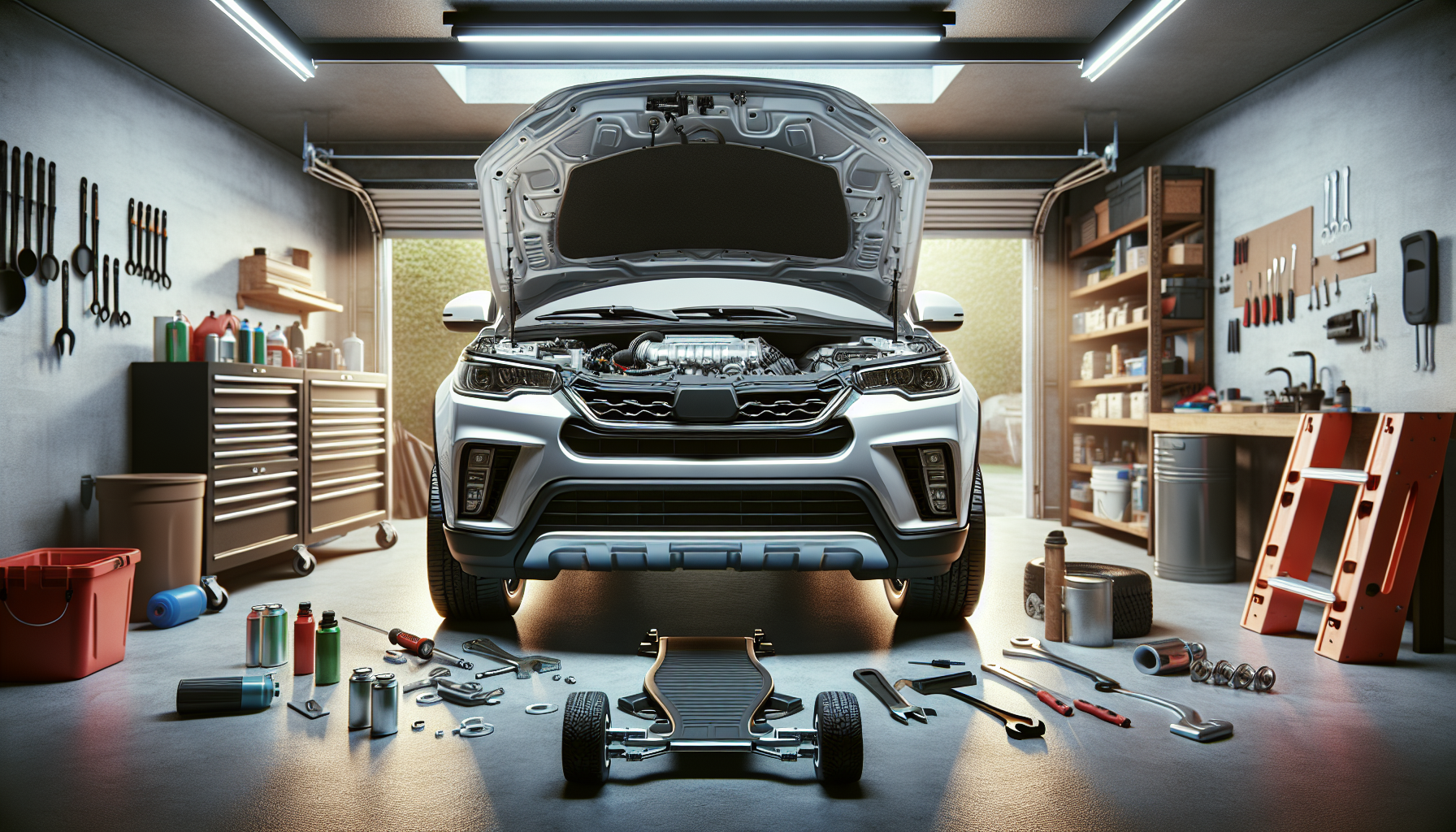
Few things are more annoying than a rattling noise when you hit the gas in your Kia Sorento. That metal-on-metal sound or loose clattering can make you wonder if something’s about to fall off. The noise might happen only when accelerating from a stop, or it could persist throughout your drive. Either way, it’s distracting and usually means something needs attention.
Rattling during acceleration typically points to a few culprits: heat shields, exhaust components, engine mounts, or timing chain issues. Sometimes it’s a $20 fix with a hose clamp. Other times, it signals a more serious problem that’ll cost you real money if ignored. Let’s figure out what’s going on with your Sorento.
Common Causes
The rattling sound in your Sorento is happening because something is vibrating or loose when engine load increases. Acceleration creates torque and vibration, which exposes weak points in various components.
Heat Shields: These thin metal shields protect other parts from exhaust heat. They’re held on with brackets that rust and break over time, especially if you drive in areas with winter road salt. When a heat shield comes loose, it vibrates against the exhaust pipe or chassis. This is probably the most common cause of rattling on acceleration, and it sounds exactly like someone shaking a tin can full of bolts.
Exhaust System Components: Your exhaust hangers, brackets, and even the catalytic converter can develop issues. Rubber hangers deteriorate and stretch, letting the exhaust pipe sag and contact the undercarriage. The catalytic converter’s internal honeycomb structure can also break apart, creating a rattling sound that gets louder under load.
Engine Mounts: These rubber and metal components keep your engine secured to the frame while absorbing vibration. When they wear out or crack, the engine moves more than it should during acceleration. This can cause metal-to-metal contact or make other components rattle. You’ll often feel this as much as hear it.
Timing Chain: Kia Sorentos, particularly models with the 2.4L GDI engine, have known issues with timing chain stretch and tensioner failure. If your Sorento has higher mileage or you’ve skipped oil changes, the timing chain can develop slack. This creates a rattling sound on cold starts that sometimes continues during acceleration. This one’s serious because timing chain failure means catastrophic engine damage.
Loose Covers and Shields: Under-engine skid plates, plastic covers, and splash guards can work loose over time. Even a loose oil pan bolt or transmission cover can create noise when the engine torques during acceleration.
VVT Actuator: The variable valve timing system uses actuators that can wear out, especially on 3.5L V6 engines. When these go bad, they create a rattling or grinding noise that’s most noticeable during acceleration or when the engine is cold.
How to Diagnose the Problem
Start with the easiest checks first. You don’t need fancy tools for most of this.
Listen Carefully: Try to pinpoint where the sound is coming from. Does it sound like it’s from under the car, from the engine bay, or from underneath near the front or rear? Have someone else accelerate while you stand outside the vehicle (in a safe area). This helps locate the general area.
Check Heat Shields: Get under your Sorento (safely supported on jack stands, not just a jack) and physically shake every heat shield you can find. There are usually several: one or more on the exhaust manifold, around the catalytic converter, and along the exhaust pipe. If one rattles when you touch it, you’ve found your problem. Look for rust, broken welds, or missing bolts.
Inspect Engine Mounts: Open the hood and have someone start the engine while in park. Watch the engine closely. Put the car in drive (with your foot firmly on the brake) and give it a little gas. The engine should move slightly but not excessively. If it rocks dramatically or twists more than an inch or two, you’ve got bad mounts. You can also visually inspect the mounts for cracks, oil saturation, or separation.
Cold Start Test: If the rattle is loudest when you first start the car and lessens as it warms up, this points to timing chain issues or VVT actuator problems. The timing chain needs oil pressure to maintain tension, and cold oil flows slower.
This video walks through the diagnostic process for timing chain issues on a Kia Sorento:
Exhaust Inspection: While under the car, check all exhaust hangers and look for contact points where the exhaust might be hitting the frame or crossmember. Shake the exhaust pipe and listen for rattles. Check inside the catalytic converter with a flashlight if possible – you might see broken pieces.
Test Drive: Pay attention to when the rattle happens. Only when cold? Only under hard acceleration? Does it happen in a specific gear or speed range? This information helps narrow it down. If it happens mostly in lower gears during hard acceleration, engine mounts are more likely. If it’s constant and speed-related, think exhaust or heat shields.
This front-end diagnostic video covers several common rattle sources:
How to Fix It
Once you’ve identified the source, many of these fixes are within DIY capability.
Heat Shield Repair: If a heat shield bracket has broken or rusted, you have options. The cheapest fix is using high-temperature hose clamps or stainless steel wire to secure the shield back in place. This costs about $5 and works surprisingly well. You can also buy replacement heat shield bolts and nuts, though you might need to drill out rusted hardware. If the shield itself is severely corroded and beyond repair, some people just remove it entirely. I wouldn’t recommend this for shields near fuel lines or wiring, but exhaust pipe heat shields can often be removed without issues.
Exhaust Hangers: Rubber exhaust hangers are cheap and easy to replace. They cost $5-15 each. Spray them with silicone lubricant, unhook the old one, and pop the new one in place. You might need to support the exhaust with a jack while doing this. If your catalytic converter’s internals have failed, that’s a bigger job requiring replacement of the entire cat.
Engine Mounts: Replacing engine mounts is moderately difficult. You need to safely support the engine weight while removing and installing each mount. The mounts themselves cost $50-150 each depending on which one (there are usually 3-4 on a Sorento). This is a job where an extra person or an engine support bar makes life much easier. If you’re not comfortable with this, skip to the mechanic section.
Loose Covers: Tighten or replace any missing bolts on under-engine covers, skid plates, or splash guards. Sometimes these plastic clips break and need replacing. Auto parts stores sell assortment packs of these clips for $10-20.
VVT Actuator: If you’ve confirmed the VVT actuator is bad, replacement isn’t terribly complex but requires removing valve covers. The part costs $100-200. You’ll need basic hand tools and a new valve cover gasket. Follow a service manual specific to your engine.
Timing Chain: I’m not going to pretend this is a simple DIY job. Timing chain replacement on a Sorento requires significant engine disassembly, special tools, and precise timing procedures. If you’ve never done this before, don’t start with your daily driver. Parts alone run $300-600, and the job takes 8-12 hours if you know what you’re doing.
When to See a Mechanic
Some situations definitely call for professional help.
If your diagnostic points to timing chain problems, take it to a mechanic unless you have serious experience with engine work. Timing chain failure destroys engines, and incorrect installation does the same thing. This isn’t the place to learn.
Catalytic converter replacement also warrants professional help in most cases. You need to ensure the new cat meets emissions standards for your state, and many areas require professional installation to maintain warranty coverage. Plus, the exhaust bolts are often rusted solid and require cutting tools.
If you can’t locate the source of the rattle after checking the common areas, a mechanic with a lift and experience can diagnose it faster than you burning several weekends on trial and error. Sometimes rattles come from unexpected places like loose transmission covers, flex plate bolts, or internal transmission issues.
When the rattle is accompanied by other symptoms – check engine lights, rough idle, loss of power, or oil leaks – get professional diagnosis. These indicate the rattle might be a symptom of a larger problem.
Estimated Repair Costs
| Repair Type | DIY Cost | Mechanic Cost |
|---|---|---|
| Heat Shield Repair/Securing | $5-20 | $50-150 |
| Exhaust Hanger Replacement | $10-40 | $80-150 |
| Single Engine Mount | $50-150 | $200-400 |
| All Engine Mounts | $200-500 | $600-1,200 |
| VVT Actuator Replacement | $100-200 | $400-700 |
| Catalytic Converter | $300-800 | $1,000-2,500 |
| Timing Chain Kit | $300-600 | $1,500-3,500 |
| Under-Cover Hardware | $10-30 | $75-150 |
These are ballpark figures. Prices vary by location, model year, and engine type. Dealer prices run higher than independent shops.
Prevention Tips
Most rattling problems develop gradually and can be prevented or caught early.
Regular Oil Changes: This is critical for timing chain longevity. Kia’s 2.4L GDI engines are particularly sensitive to oil quality. Use the recommended oil weight and change it every 5,000 miles maximum, even if the manual says longer intervals. Clean oil maintains proper timing chain tension and VVT operation.
Annual Undercarriage Inspection: Once a year, get under your Sorento and look around. Check heat shields, exhaust hangers, and look for rust developing on brackets. Catching a loose heat shield before it falls off completely saves hassle. If you live where they salt roads, spray undercarriage components with rust prevention coating.
Address Small Rattles Quickly: That tiny rattle that only happens sometimes? It gets worse. A loose heat shield eventually falls off and can damage other components. A slightly worn engine mount becomes a completely failed mount. Fix small problems before they cascade.
Avoid Excessive Cold Engine Load: Don’t floor it from a cold start. Let the engine warm up for a minute before driving, and drive gently until the temperature gauge reads normal. This reduces stress on the timing chain when oil pressure is still building.
Quality Parts Matter: When replacing mounts or engine components, don’t cheap out with the lowest-price parts. OEM or quality aftermarket parts last longer. That $30 engine mount might save you money now but fail in a year.
Your Kia Sorento’s rattling noise might be a simple fix or a warning sign of something more serious. The key is diagnosis before the problem gets worse. Most rattles fall into the simple category – heat shields and exhaust components – which are cheap and easy. But ignoring a timing chain rattle can turn a $2,000 repair into a $6,000 engine replacement. Start with the basic checks, fix what you can handle, and don’t hesitate to get professional help for the complex stuff.

Leave a Reply