
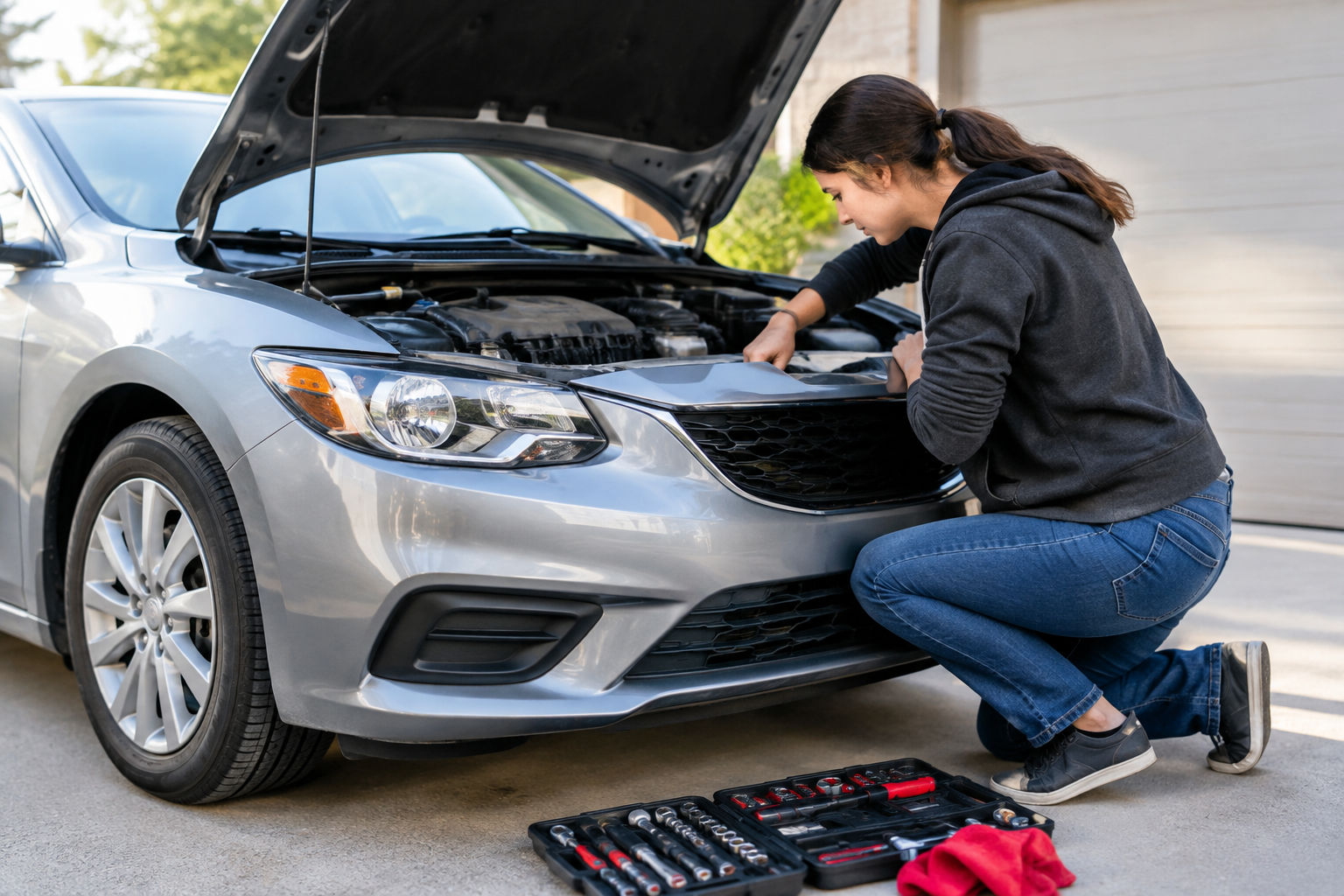
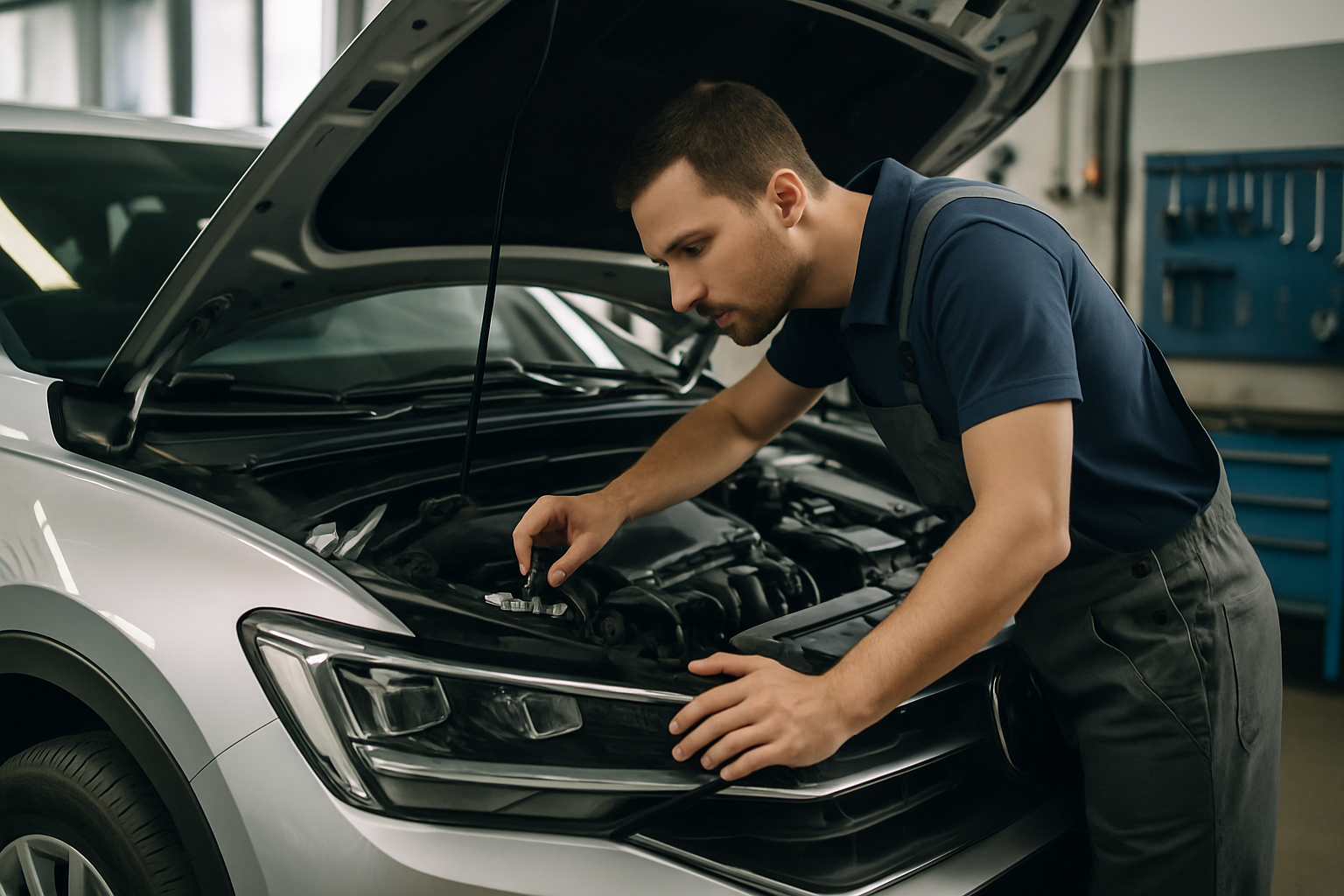
There’s a certain satisfaction in changing your own oil, swapping a battery, or replacing brake pads without paying someone else labor rates to do it. But not every car makes that easy. Some vehicles bury the spark plugs under intake manifolds, use star-shaped security bolts on everything, or require you to drop half the front end just to change a headlight bulb.
The cars on this list are the opposite. They’re built simply, parts are cheap and everywhere, and if you get stuck, there’s almost certainly a YouTube video showing exactly what bolt to turn. Here are 10 vehicles that make DIY maintenance genuinely doable in your own driveway.
10 Cars You Can Actually Wrench On Yourself
1. Honda Civic (2001-2005, 7th Gen)
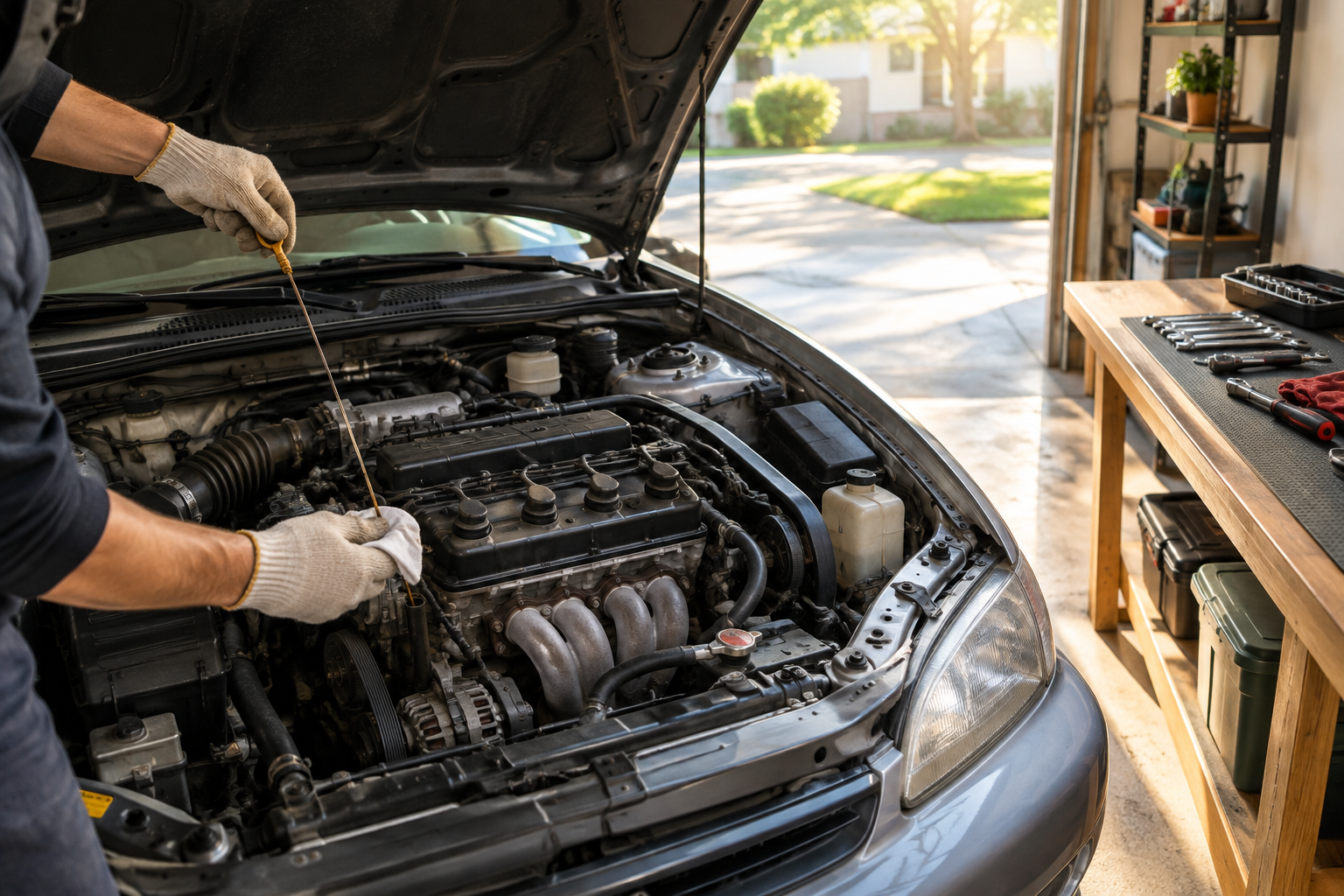
The D17 engine in these Civics has a wide open bay with the spark plugs sitting right on top, no coil packs blocking access. Timing belts, alternators, and starters are all reachable without pulling the intake. Skip the later Si and Type R variants if you’re new to this, they get tighter and more finicky.
2. Toyota Corolla (2003-2008, 9th Gen)
The 1ZZ-FE engine is about as forgiving as it gets. Oil changes take ten minutes, the battery and air filter are both accessible without tools, and the cabin air filter swaps in under a minute without touching the glove box. Parts are cheap because millions of these were sold.
3. Mazda MX-5 Miata (NA/NB, 1990-2005)
Small engine, small car, huge community. Spark plugs, belts, and the clutch are all accessible with basic hand tools, and the online forums (Miata.net especially) have documented literally every job imaginable. Later NC and ND generations are still decent but a bit tighter under the hood.
4. Ford F-150 (1997-2003, 4th Gen)
The 4.6L and 5.4L V8s in these trucks have massive engine bays with room to work standing over the fender. Brake jobs, alternators, and starters are all basic wrench-and-socket affairs. Once Ford moved to the EcoBoost turbo engines in 2011 and later, things got more complex with more sensors and tighter packaging, so stick to the older naturally aspirated trucks if simplicity is the goal.
5. Jeep Wrangler TJ (1997-2006)
Jeep built the TJ to be serviced in the field, and it shows. No plastic undertray to remove for an oil change, no proprietary fasteners, and the 4.0L inline six is legendary for being nearly bulletproof and easy to work on. The aftermarket support is enormous.
6. Chevy Silverado 1500 (1999-2006, GMT800)
The 4.8L, 5.3L, and 6.0L small block V8s in these trucks are some of the easiest engines in existence to maintain. Everything from spark plugs to water pumps is accessible with a basic socket set. If you own a newer Silverado, our guide on using tow/haul mode is worth a read too.
7. Subaru Outback (2000-2009, EJ25 Naturally Aspirated)
The older Outbacks with the naturally aspirated EJ25 are simple to maintain, with accessible plugs and a straightforward brake system. Just be aware that this generation has known head gasket issues, so check our guide on Outback years to avoid before you buy one to work on.
8. Honda CR-V (2002-2006, 2nd Gen)
Same DIY-friendly philosophy as the Civic of this era, just with more room in the engine bay. Cabin air filter, engine air filter, and battery are all tool-free access points. Brake jobs require nothing more than a jack, lug wrench, and C-clamp.
9. Toyota Tacoma (2005-2015, 2nd Gen)
The 2.7L four-cylinder and 4.0L V6 are both easy to service, with good clearance around the belts, plugs, and filters. Parts are everywhere because these trucks are famous for lasting past 300,000 miles, so owners keep them running with cheap OEM and aftermarket components.
10. Volkswagen Golf/Jetta Mk4 (1999-2005, 2.0L Gas)
The 2.0L eight-valve gas engine in the Mk4 is simple and well documented, even if VW’s reputation for reliability is mixed. Stick to the gas engine, not the TDI diesel variants, which need specialty tools for injector work. Newer VWs with the turbocharged EA888 engines are considerably more cramped and sensor-heavy.
Build a Starter Tool Kit Before You Start
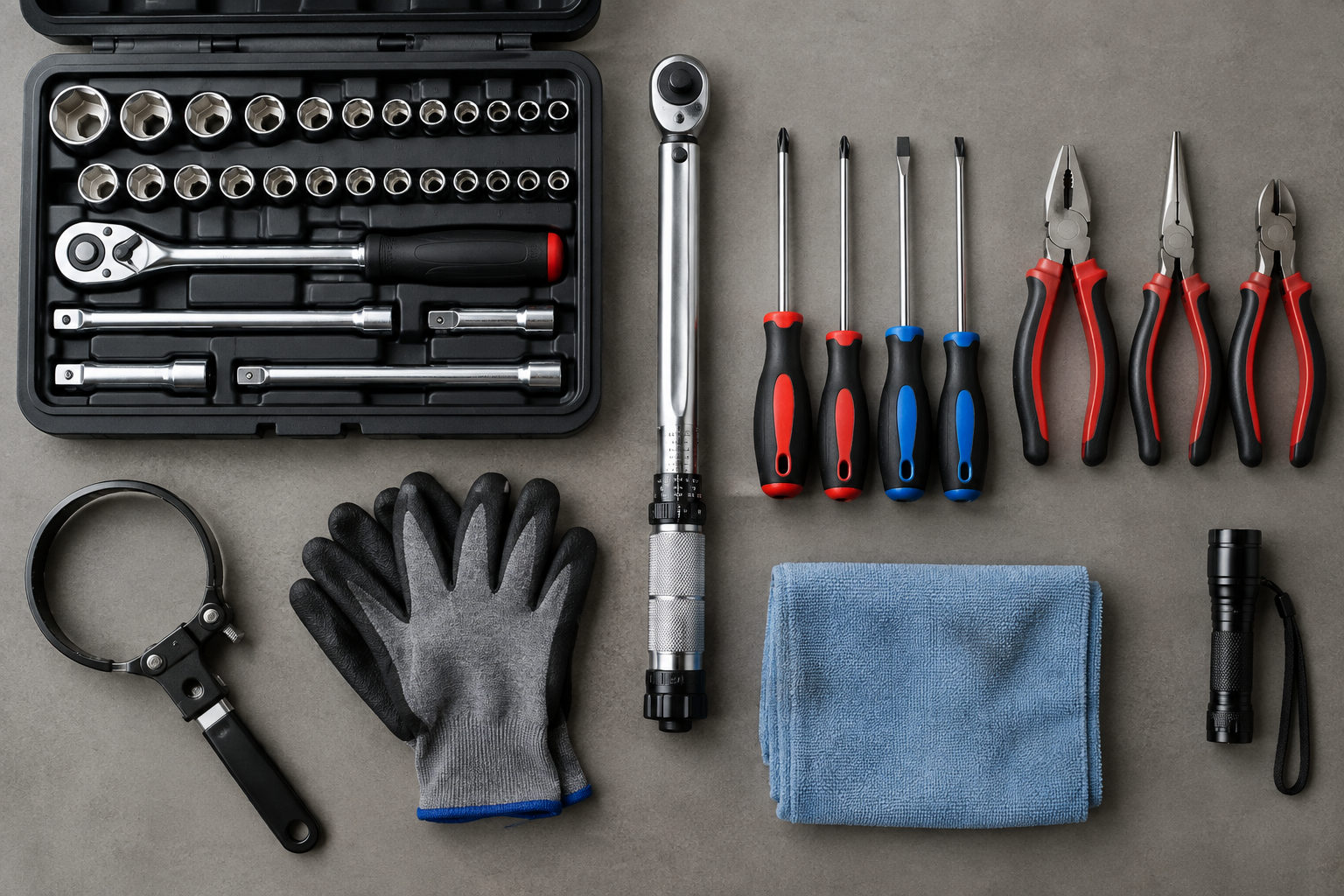
None of these jobs matter much if you don’t have the right tools sitting in the garage. You don’t need a professional shop setup, just a few reliable basics.

Mechanics Tool Set
A solid all-in-one set covers sockets, wrenches, and screwdrivers for nearly every job on this list.
You’ll also want a way to safely get the car in the air. Jack stands are non-negotiable for anything involving brakes or the underside of the car, and a set of car ramps makes oil changes even faster since you skip the jacking process entirely.
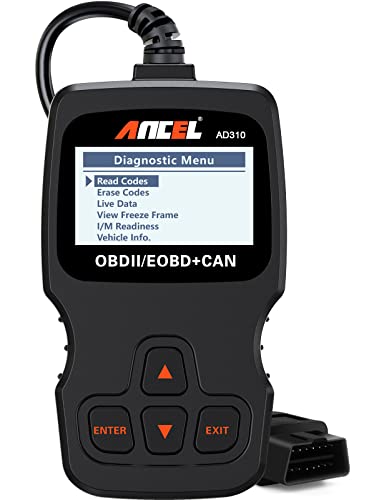
OBD2 Scanner
A cheap scanner tells you exactly what code triggered your check engine light before you buy a single part.
If you’re chasing down a noise or a warning light before diving into repairs, check our guides on diagnosing a soft brake pedal and tracking down a rear-end humming noise before assuming the worst.
FAQ
What’s the single easiest maintenance job for a beginner to start with?
Oil changes and cabin air filter swaps are the two best starting points. Both are low-risk, require minimal tools, and teach you how to safely get under the car or into the interior panels without breaking anything expensive.
Are newer cars really harder to work on than older ones?
In most cases, yes. Newer vehicles pack more sensors, plastic undershields, and turbocharged engines into tighter spaces, which means more steps and specialty tools for jobs that used to take minutes. That’s exactly why several vehicles on this list point you toward an earlier generation rather than the current model year.
This article contains affiliate links. We may earn a small commission at no extra cost to you.


Leave a Reply