
Some trucks get driven into the ground by 150,000 miles. Others just keep going, racking up mileage that makes odometers look broken. The difference usually isn’t luck. It’s a specific engine and drivetrain combination that was overbuilt from the factory, paired with an owner who didn’t skip oil changes.
This list isn’t about brands. It’s about the exact model years and engines that have a documented history of hitting 300,000 miles and beyond, backed by longevity studies like iSeeCars’ annual vehicle age reports and the kind of high-mileage owner stories that show up in truck forums and YouTube garages every week.
2007-2021 Toyota Tundra with the 5.7L V8 (3UR-FE)
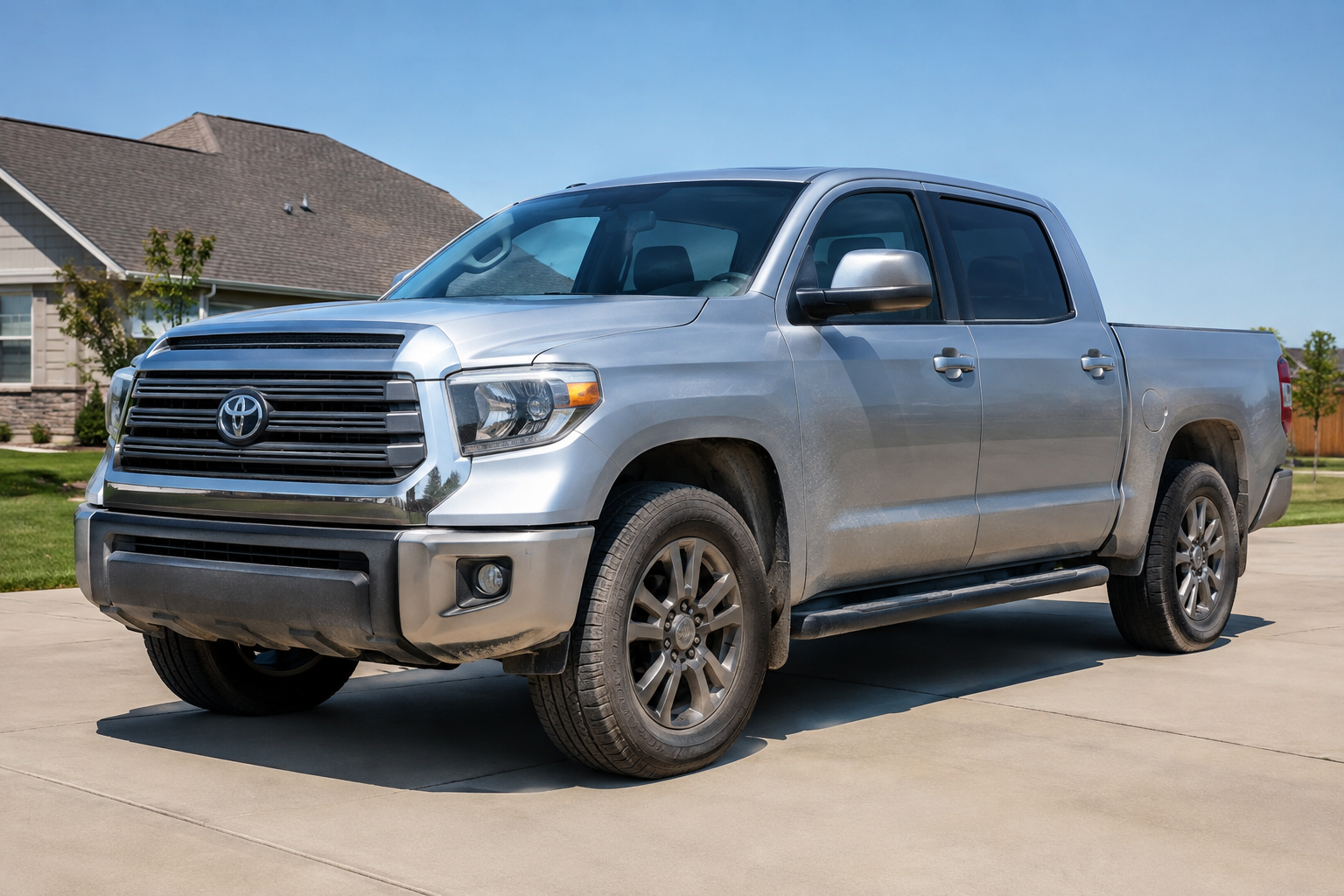
The 5.7L Tundra is the poster child for truck longevity. Victor Sheppard’s 2007 Tundra famously crossed one million miles on the original engine and transmission, and Toyota rewarded him with a new one on the spot. iSeeCars has repeatedly ranked the Tundra near the top of vehicles most likely to reach 200,000 miles and beyond.
The 5.7L uses a timing chain, not a belt, so there’s no scheduled replacement to worry about. The main maintenance items are transmission fluid changes every 60,000 miles even though Toyota calls it “lifetime” fluid, and keeping an eye on the water pump and exhaust manifold studs, which are the most common failure points. Stick to 2010 and newer if you can, since early 2007-2009 models had some cam tower oil leak issues that were later addressed.
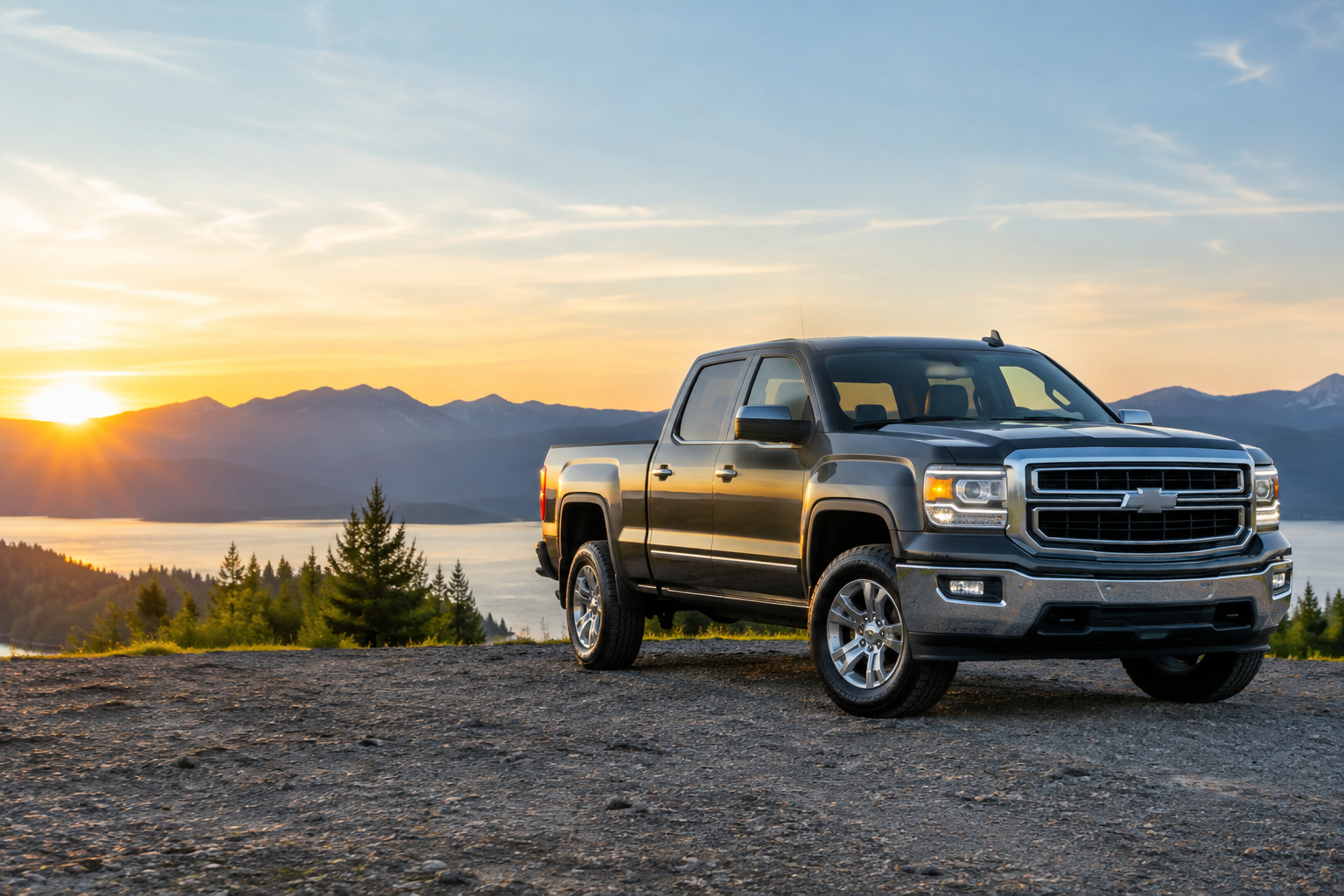
1999-2013 Chevrolet Silverado / GMC Sierra 1500 with the 5.3L Vortec V8
The Gen III/IV small block 5.3L is one of the most produced V8s in history, and that means decades of real-world data proving it’ll run to 300,000 miles with basic care. Fleet and delivery companies have used these engines for years specifically because they’re cheap to keep alive.
Watch the intake manifold gasket on 1999-2002 trucks, since the Dex-Cool coolant used back then was known to eat through the plastic manifold and cause leaks. AFM (Active Fuel Management) can cause lifter and cam issues on later trucks if oil changes get stretched too long, so don’t go past 5,000 to 7,000 miles between changes even with synthetic oil. If you’re pulling a trailer regularly, our guide on using tow/haul mode on the Silverado explains how to reduce transmission wear on long grades, which matters a lot if you want this truck to see six figures twice.
2003-2007 Dodge Ram 2500/3500 with the 5.9L Cummins (24-valve)
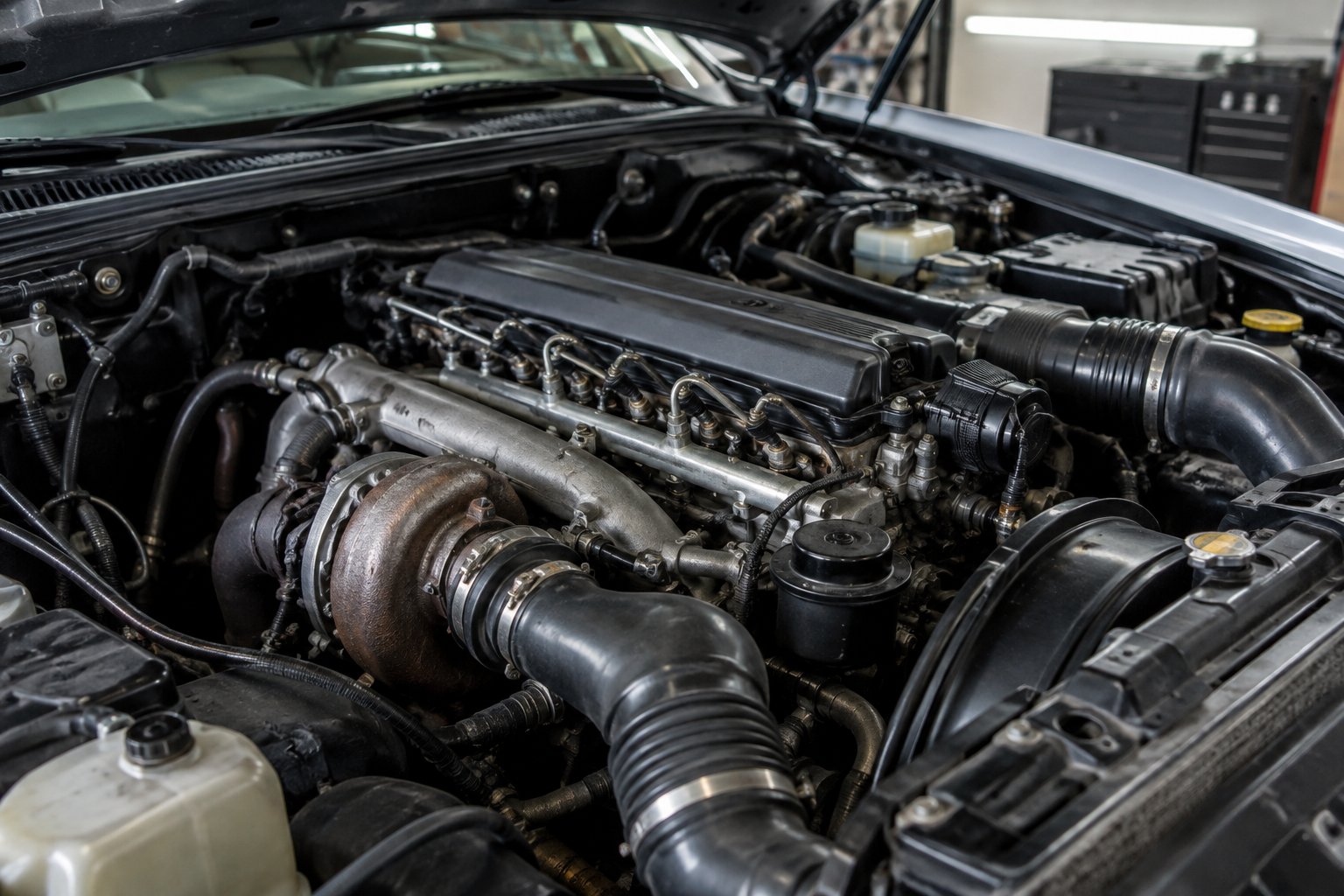
The 5.9L Cummins is the diesel enthusiasts point to when they talk about engines that outlast the truck around them. Commercial fleets routinely see these blocks hit 500,000 to 1,000,000 miles before a rebuild, and the 24-valve version from 2003-2007 fixed the “53 block” cracking issue that plagued some earlier 12-valve trucks.
The weak links are the injectors and the lift pump, both of which should be inspected proactively rather than waited on. Skip anything with the automatic transmission paired to heavy towing use without a cooler upgrade, since the 48RE gearbox is the truck’s real bottleneck, not the engine.
1999-2003 Ford F-250/F-350 with the 7.3L Power Stroke
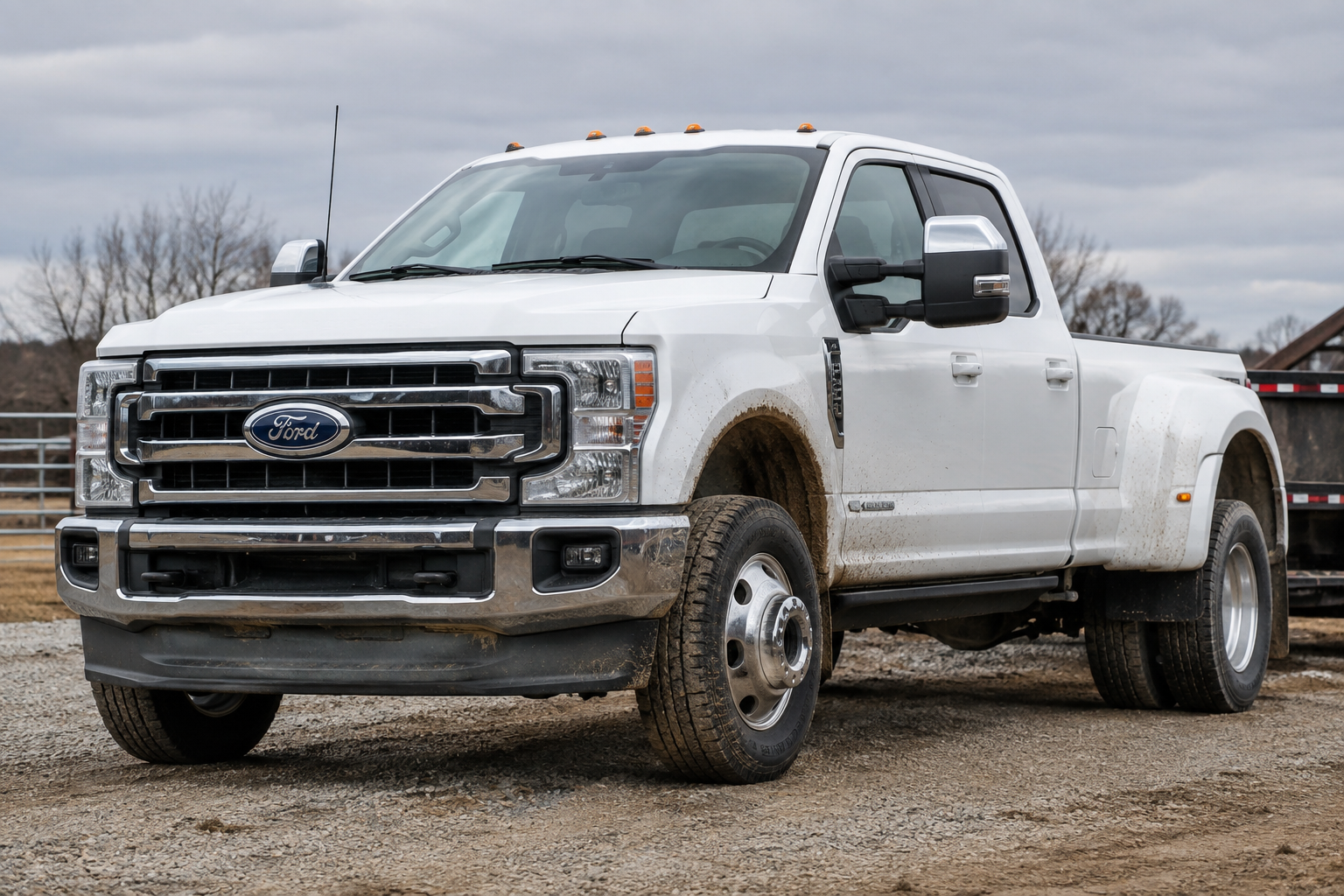
Ask any diesel mechanic which Ford to buy used and they’ll almost always say the 7.3L. It’s mechanically simple, doesn’t have the emissions complexity of later diesels, and has a well-earned reputation for running past 300,000 miles with nothing more than regular fuel filter and oil changes.
Avoid the 6.0L Power Stroke that replaced it in 2003, at least in stock form. It’s known for head gasket failures, EGR cooler problems, and injector issues that show up well before 300,000 miles unless it’s been heavily modified to fix the factory design flaws. The 7.3L simply doesn’t have those headaches.
2005-2015 Toyota Tacoma with the 4.0L V6 (1GR-FE)
The second-generation Tacoma is everywhere on used truck lots with 250,000-plus miles, and there’s a reason. The 4.0L V6 uses a timing chain instead of a belt, and iSeeCars has consistently listed the Tacoma among the longest-lasting vehicles on the road, trucks included.
The real threat to this truck’s lifespan isn’t the engine, it’s the frame. Rust was a big enough problem that Toyota ran a frame replacement program for affected trucks in rust belt states. Check the frame carefully before buying one, and if it’s clean, this drivetrain has plenty of life left in it.
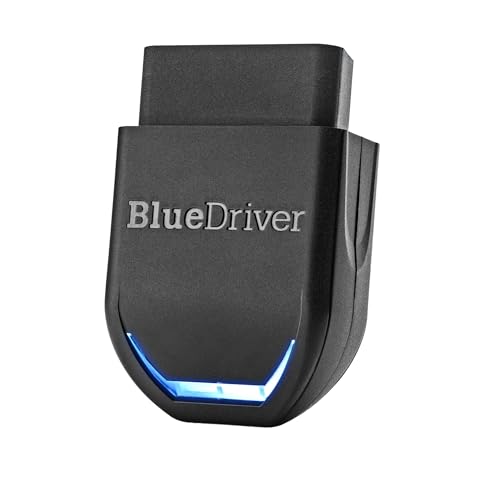
BlueDriver Bluetooth Pro OBD2 Scanner
Catches misfires and sensor issues early, before small problems turn into engine damage on a high-mileage truck.
A scan tool like this pays for itself the first time it flags a failing sensor before it turns into a limp mode drive home. It’s especially useful on older diesels where a lazy injector or a failing EGT sensor can quietly wear down other components if it goes unnoticed for months.
2006-2014 Honda Ridgeline with the 3.5L V6 (J35A)
The first-generation Ridgeline doesn’t get the same longevity attention as the truck-brand names, but it should. Honda’s J-series V6 has a long track record of reaching 250,000 to 300,000 miles in Odysseys and Pilots, and the Ridgeline shares the same basic architecture.
The catch is the timing belt. Unlike most of the trucks on this list, the early Ridgeline uses a belt instead of a chain, and it needs to be replaced around 100,000 miles along with the water pump. Skip that service and you’re risking a bent valve, so this is one truck where a missed maintenance interval can end its life early rather than just shorten it.
Maintenance Philosophy: Why These Trucks Last
Every truck on this list shares a few habits behind the scenes. Oil changes happen on a real schedule, not whenever the dashboard light finally comes on. Fluids get changed based on mileage and driving conditions, not just the “lifetime fluid” label some manufacturers use to sound low-maintenance.
Using quality synthetic oil matters more than most people think, especially in trucks that tow or see a lot of stop-and-go driving. A case of Mobil 1 Full Synthetic Motor Oil and a fresh filter every 5,000 miles is cheap insurance against the kind of engine wear that ends trucks well short of 300,000 miles.

Truck Maintenance Tool Kit
A solid basic kit makes it easy to handle filter changes, fluid checks, and small fixes yourself instead of paying shop labor for every little thing.
Resetting your oil life monitor correctly after a change also matters more than people realize, since a lot of trucks track engine hours and driving style to estimate wear, not just mileage. If you tow or haul often, checking your tow/haul mode habits and keeping tire pressure accurate with a proper TPMS reset process both reduce strain on the drivetrain over time, even though neither one feels like “real” maintenance.
Frequently Asked Questions
Which truck engine is most likely to reach 300,000 miles?
The 5.7L Toyota Tundra V8 and the 5.9L Cummins diesel have the strongest documented track records, with multiple verified examples exceeding 500,000 miles under normal ownership, not just fleet use.
Does regular oil changes really make that much difference?
Yes. Most engine failures before 200,000 miles trace back to oil that was changed too infrequently or a wrong oil weight being used, not a design flaw in the engine itself. Sticking to the interval your manufacturer recommends, or tightening it up if you tow or do a lot of short trips, is the single biggest factor in reaching high mileage.
Should I avoid diesel trucks if I want low maintenance costs?
Not necessarily, but you need to pick the right generation. Engines like the 7.3L Power Stroke and 5.9L Cummins are simple and reliable, while newer emissions-heavy diesels with DPF and EGR systems tend to need more attention and cost more to repair when something goes wrong.
This article contains affiliate links. We may earn a small commission at no extra cost to you.
Leave a Reply