
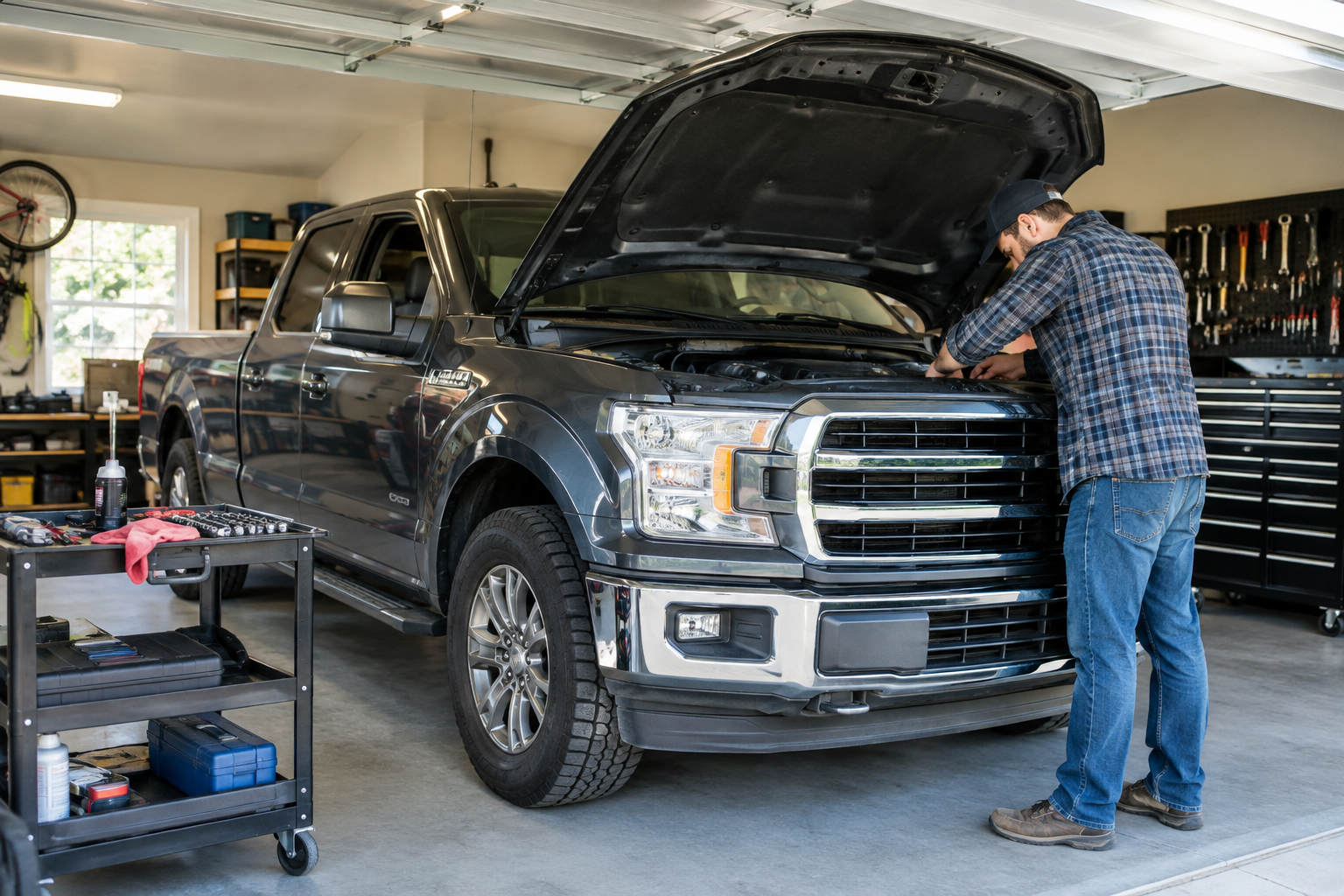
Working on a truck in your driveway sounds simple until you actually pop the hood and realize the intercooler is blocking the oil filter, or you can’t get a jack anywhere near the frame without a lift. Some trucks are built like they expect you to do your own wrenching. Others practically require a dealership appointment just to change a serpentine belt. If you’re trying to save money on maintenance and actually enjoy doing it, picking the right truck (or knowing your current one’s quirks) makes a huge difference.
This list covers ten trucks, full-size and midsize, that are genuinely easy to service in a home garage. We’re talking open engine bays, top-loading oil filters, generous ground clearance, cheap aftermarket parts, and mountains of DIY documentation from owners who’ve already done the job.
The 10 Best Trucks for DIY Maintenance
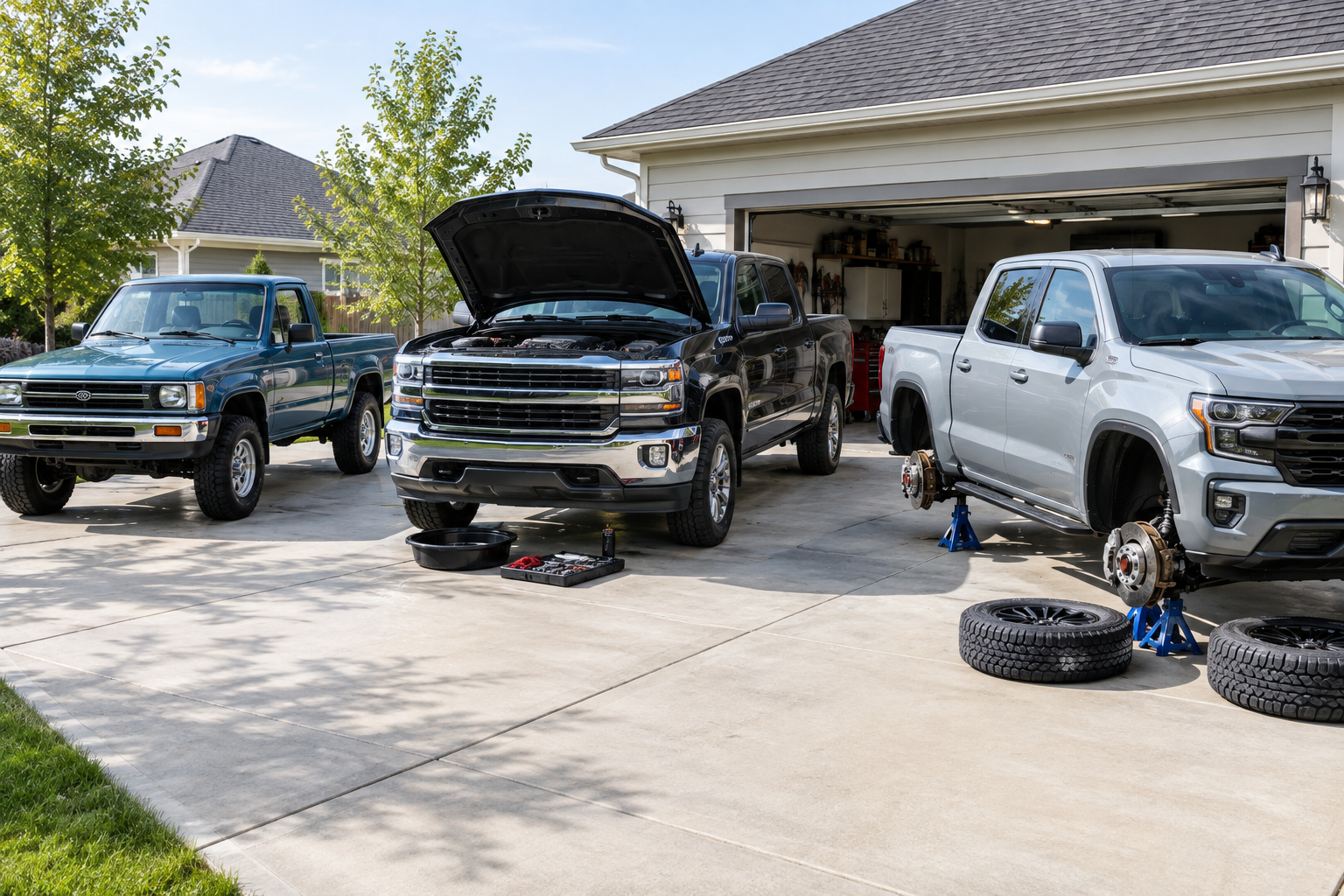
1. Ford F-150 (2015-2020, 5.0L Coyote V8 or 2.7L EcoBoost)
The Coyote-powered F-150 has one of the roomiest engine bays in the segment, and the oil filter cartridge sits right on top of the engine where you can reach it without contortion. Aftermarket parts are everywhere since this is the best-selling truck in America, and forums like F150Forum have documented nearly every job imaginable. Skip the early PowerBoost hybrid and the 3.0L Power Stroke diesel if you want to avoid dealer-only diagnostic resets.
If you own one of these trucks, it’s also worth knowing how to turn off the rear occupant alert and manage the driver attention systems that can get annoying during long garage sessions with the truck running.
2. Chevy Silverado 1500 (2019-2023, 5.3L V8)
GM’s small-block V8 has been around in one form or another for decades, so parts availability and documentation are about as good as it gets. The oil filter and air filter are both top-accessible, and ground clearance on standard trims is generous enough for most ramps. Avoid the early 3.0L Duramax diesel years if you’re new to DIY work, since some emissions components need a scan tool to reset properly.
Silverado owners doing their own maintenance should also check out how to use tow/haul mode correctly, since towing habits affect how often you’ll be under the truck for driveline service.
3. Ram 1500 (2019+ DT Generation, 5.7L Hemi)
The fifth-gen Ram has a wide-open engine bay and coil-on-plug ignition that makes tune-ups genuinely easy. Stick with the base coil-spring suspension trims rather than the air suspension option, since the air system adds sensors and height-control components that complicate underbody work. If you’re curious how the performance trims compare, our breakdown of the Ram RHO vs. TRX vs. Ford Raptor covers what changes mechanically once you move up the lineup.
4. Toyota Tundra (2007-2021, 5.7L V8 iForce)
The older Tundra is basically a mechanic’s dream truck. The engine bay is enormous, the cartridge oil filter sits on top, and factory ground clearance means most ramps work without a running start. Avoid the 2022+ twin-turbo i-Force Max hybrid unless you’re comfortable with more complex electronics under the hood, since the hybrid battery and turbo plumbing eat up a lot of the working room the older trucks had.
5. GMC Sierra 1500 (2019-2023, 5.3L V8)
The Sierra shares its platform and drivetrain with the Silverado, so everything said above applies here too, including parts interchangeability. That shared parts bin means aftermarket filters, brake pads, and belts are cheap and easy to find. Sierra owners should also know how to handle the rear seat reminder since it can trigger during long garage sessions with doors opening and closing.
6. Toyota Tacoma (2005-2015, 4.0L V6)
Second-gen Tacomas are famous for their reliability and their community documentation. TacomaWorld has step-by-step threads for nearly every repair, and the 4.0L V6 has plenty of room around it. Ground clearance is solid stock, though you’ll want longer ramps if you’ve added a lift kit. The newer turbocharged 2024+ i-Force engine is more compact and less beginner-friendly, so stick with the older V6 if garage access is your priority.
7. Chevy Colorado / GMC Canyon (2015-2022, 3.6L V6)
The gas V6 Colorado and Canyon are easy to work on, with accessible filters and a manageable ride height for ramps. The 2.8L Duramax diesel option is the one to avoid here, since its emissions equipment often needs a dealer-level scan tool to reset service intervals correctly.
8. Ford Ranger (2019+, 2.3L EcoBoost)
The current Ranger’s engine bay is tighter than the old first-gen trucks, but everything is still reachable without pulling bumpers or intake plumbing. Ground clearance is decent on the base trim, and the turbocharged 2.3L is shared with the Mustang and Bronco, so parts and guides are widely available.
9. Nissan Frontier (2005-2021, VQ40DE V6)
The old-body Frontier stuck around for 16 years with barely any changes, which means there’s an enormous used parts market and a ton of forum documentation. The engine bay is refreshingly simple. The redesigned 2022+ Frontier is tighter under the hood but still far more accessible than most modern turbocharged trucks.
10. Honda Ridgeline (2017+, 3.5L V6)
The Ridgeline’s unibody design means lower ground clearance than a traditional body-on-frame truck, so you’ll want low-profile ramps or a floor jack with a longer reach. Once it’s up, the engine bay is well laid out and the V6 is shared with several Honda and Acura models, keeping parts costs down.
Garage Setup Tips
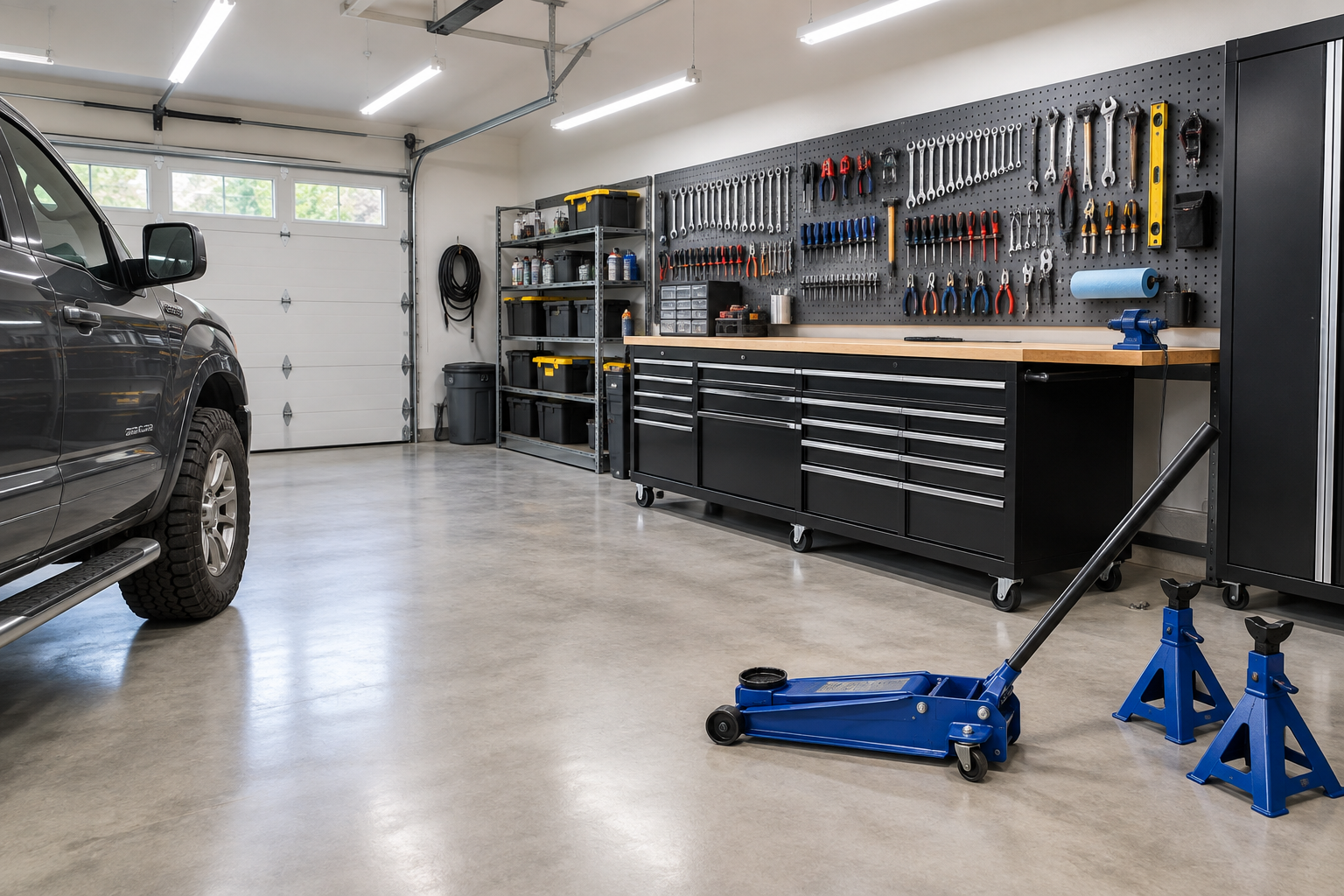
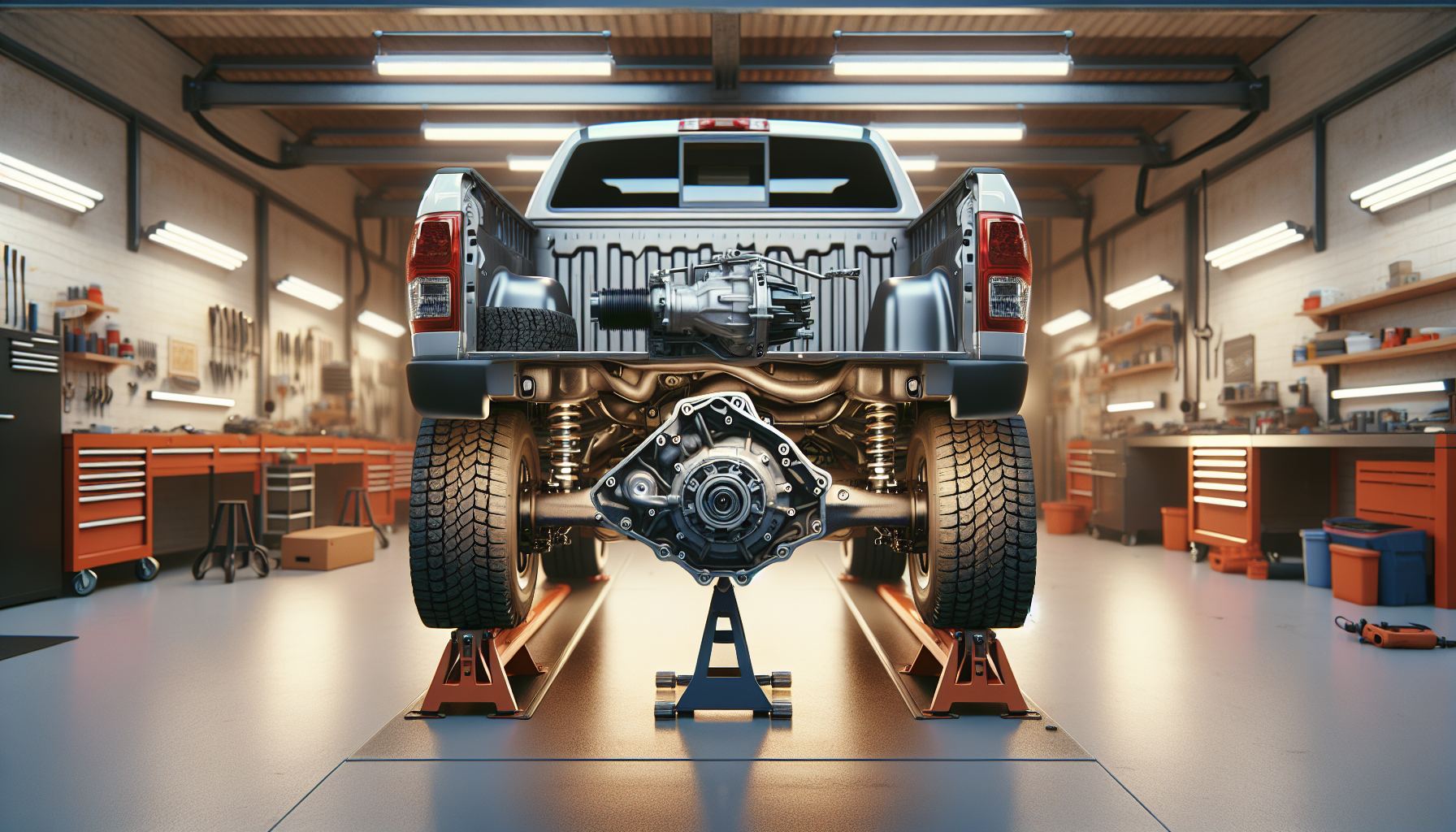
Full-size trucks need ramps rated for real weight. Look for a set rated at a combined capacity high enough to cover your truck’s front or rear axle weight with margin, not just the total curb weight split evenly. Midsize trucks and unibody models like the Ridgeline do fine with lower-profile ramps, while lifted full-size trucks need longer ramp runs to avoid scraping the front air dam.
For jack placement, always use the frame rails near the front crossmember or the factory-marked pinch welds, never the oil pan or a plastic underbody panel. On solid rear axles, the axle housing itself is a safe jacking point. Always follow the jack with jack stands rated for the truck’s weight before sliding underneath, even for a quick oil change.
Recommended Tools
A solid set of ramps is the first investment worth making. Look for a heavy-duty pair rated for truck weight, not the lighter-duty ramps meant for sedans.
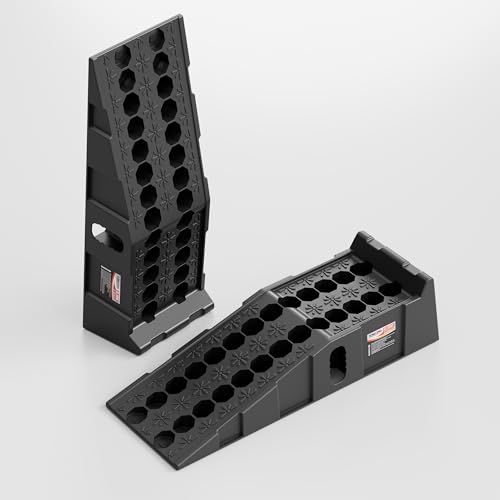
Rhino Gear Ramps
A heavy-duty ramp set built for the higher weight of full-size trucks, with enough length to keep the front air dam clear.
A quality floor jack makes a bigger difference than most people expect, especially when you’re lifting a truck with a solid rear axle or working on brakes. Look for one with a low profile and a lift range that clears full-size truck frames.
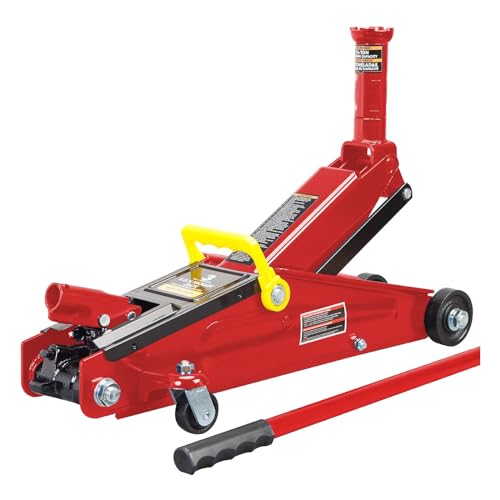
Torin Big Red Floor Jack
A reliable hydraulic jack with enough lift height and weight capacity for full-size and midsize trucks alike.
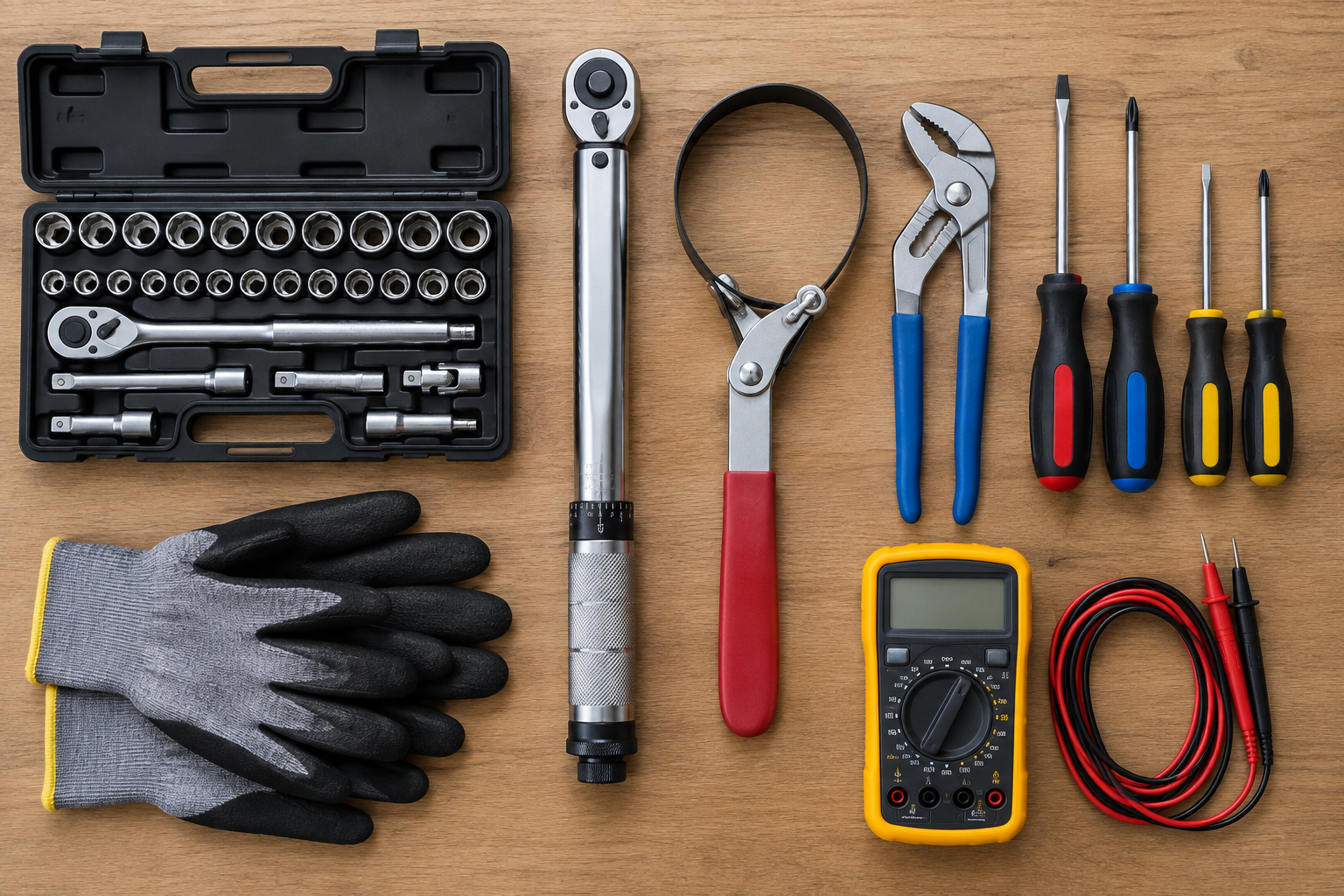
An oil drain pan with a built-in spout saves you from spilling old oil all over your garage floor, and a basic truck mechanic tool set covers most of the sockets and wrenches you’ll need for filters, drain plugs, and brake work.

Truck Mechanic Tool Set
A well-rounded tool kit that covers the common socket and wrench sizes used across most domestic and import truck engines.
Don’t forget jack stands rated for your truck’s weight, along with a good pair of wheel chocks. Skipping either one is how driveway repairs turn into emergency room visits.
Frequently Asked Questions
Which truck is easiest for a first-time DIYer?
The older Toyota Tacoma and Toyota Tundra are usually the best starting points. Both have simple naturally aspirated V6 or V8 engines, wide-open bays, and huge amounts of forum documentation covering nearly every job.
Do I need a lift or just ramps for basic maintenance?
Ramps and a floor jack combined with jack stands cover almost everything a home mechanic needs, including oil changes, brake jobs, and filter replacements. A full lift is only necessary if you’re doing frequent transmission or transfer case work.
Are diesel trucks harder to service at home?
Generally yes, especially newer diesel emissions systems that require a dealer-level scan tool to reset service intervals or recalibrate sensors after repairs. Gas-powered trucks are almost always the more garage-friendly choice unless you’re prepared to buy specialized diagnostic equipment.
This article contains affiliate links. We may earn a small commission at no extra cost to you.
Leave a Reply