
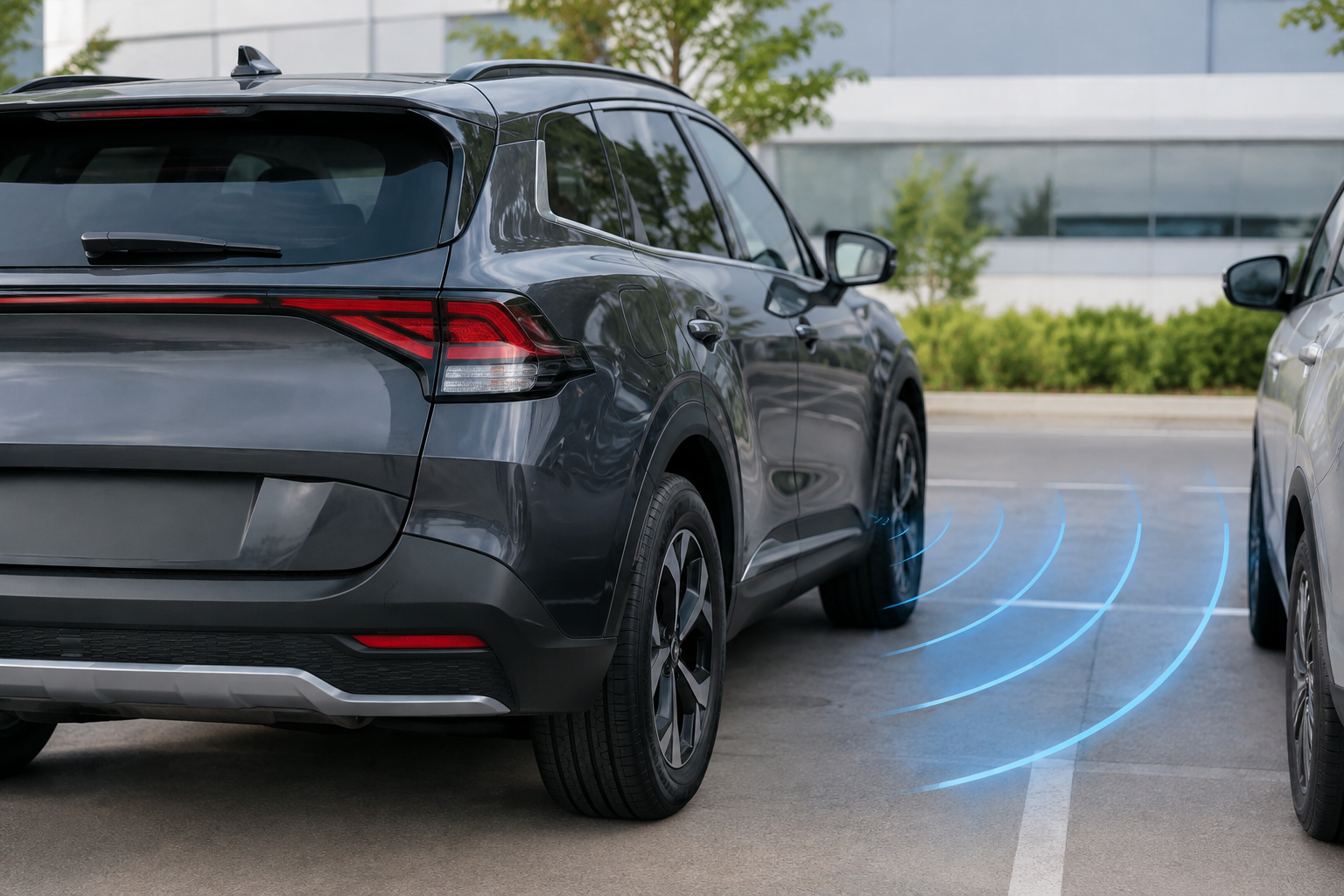
You’re backing out of a parking spot at the grocery store, glance at the dash expecting that familiar chime and warning icon, and nothing happens. Or maybe you get a message that Rear Cross-traffic Collision-avoidance Assist is unavailable, right when you actually need it to catch a car cutting across the lot behind you. Either way, it’s unsettling, because this is one of those safety features you don’t think about until the moment it doesn’t work.
The good part is that most rear cross-traffic problems on the Kia Sportage trace back to a handful of common causes, and almost none of them require a trip to the dealer. Let’s walk through what’s actually going on behind that bumper and how to get the system back to working the way it should.
What Kia Actually Calls This System
Kia’s marketing name has shifted over the years, and that matters when you’re trying to look up your specific manual or a service bulletin. On older Sportage models (roughly 2017 through 2022, the QL generation), you’ll see it listed as Rear Cross-traffic Alert, or RCTA. On the current NQ5 generation Sportage (2023 and newer), Kia rebranded it as Rear Cross-traffic Collision-avoidance Assist, or RCCA, which adds automatic braking on top of the visual and audible warning.
That distinction isn’t just semantics. RCTA only warns you. RCCA can apply the brakes automatically if it thinks you’re about to back into cross traffic. If your Sportage suddenly seems to be reacting differently than it used to, or a software update changed how aggressive the warnings feel, that’s likely why. Trim availability also varies. On most model years, rear cross-traffic detection comes bundled with blind-spot monitoring as part of a mid or upper trim package (LX Technology, EX, and X-Line/X-Pro trims), not the base LX.
Where the Sensors Actually Live
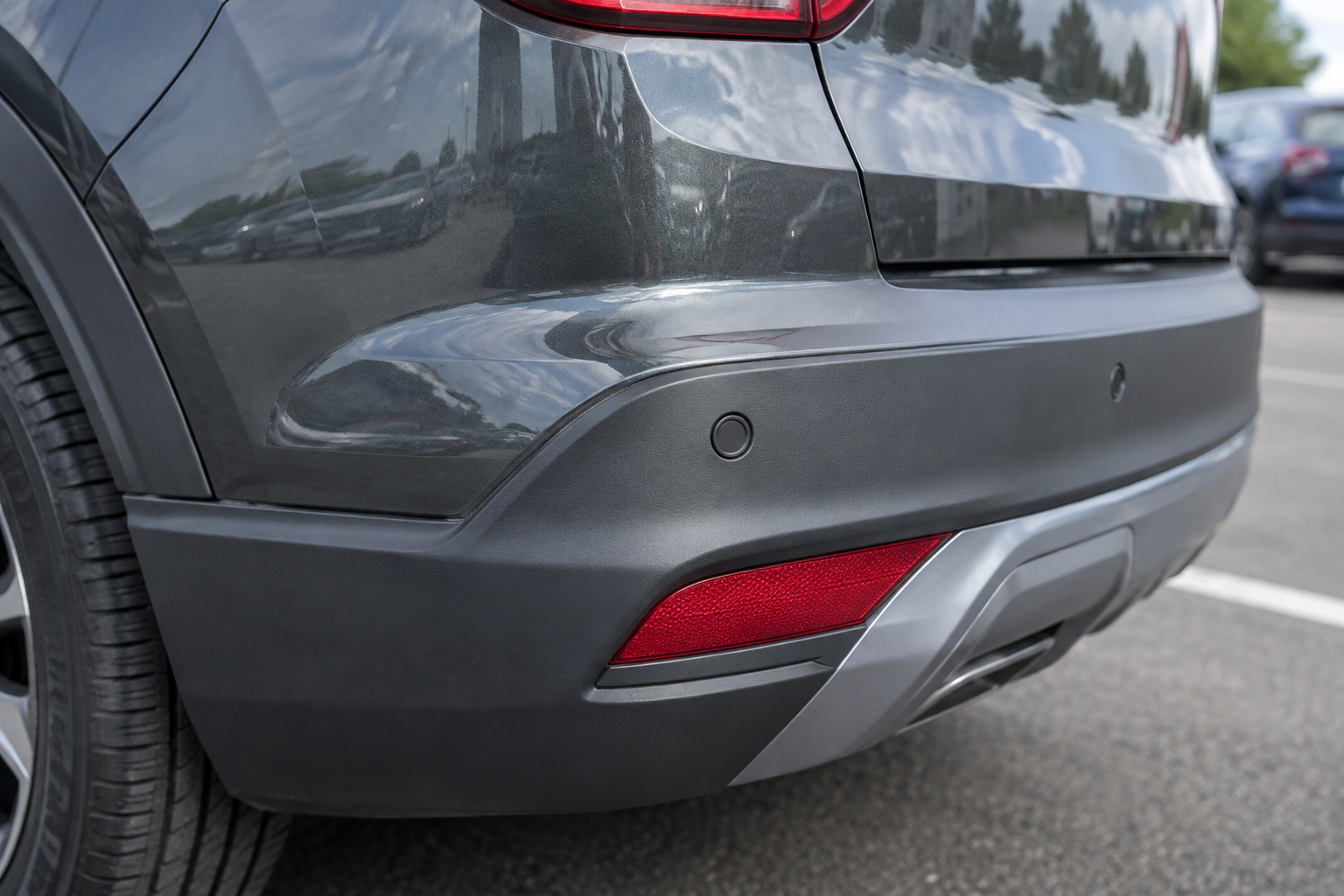
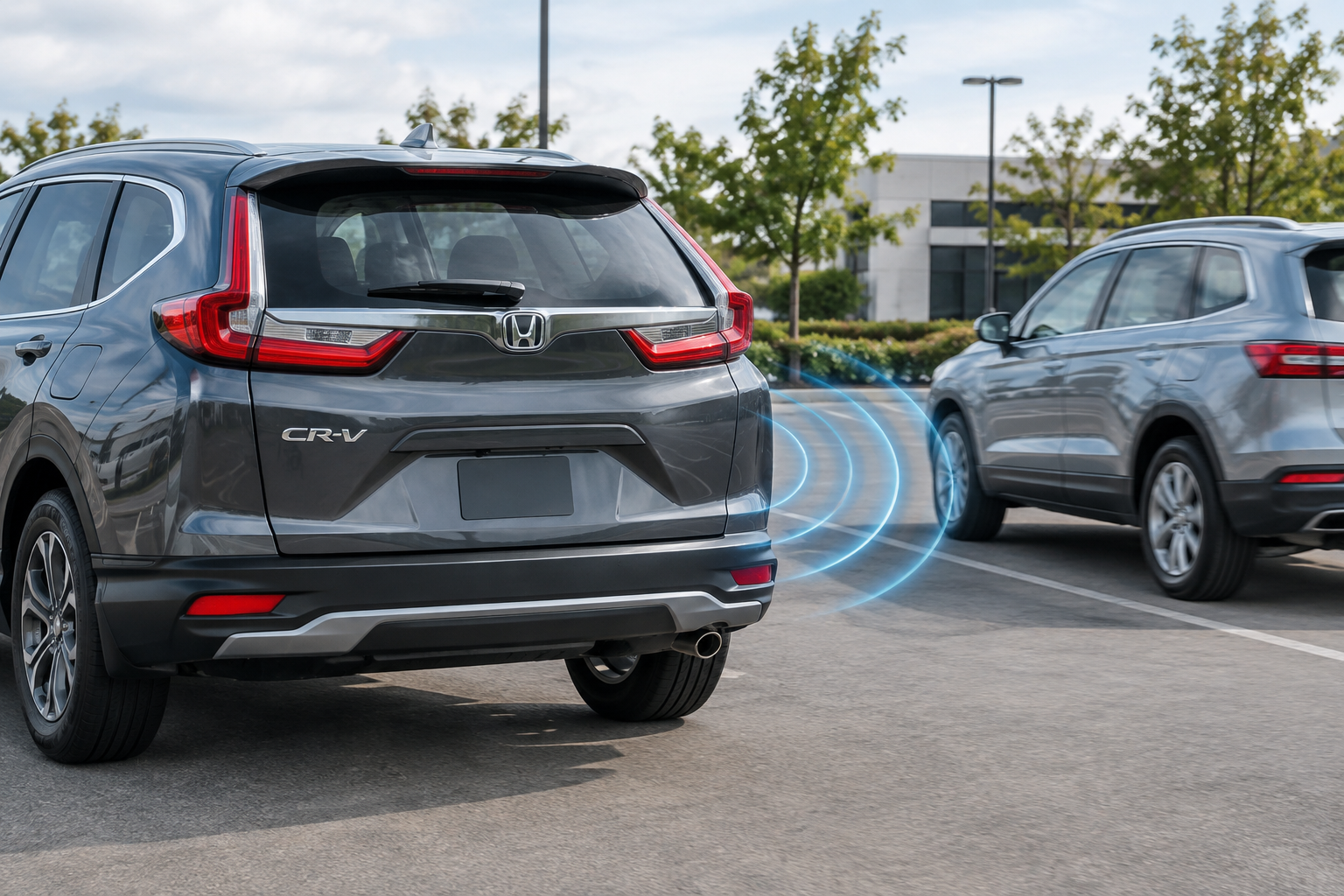
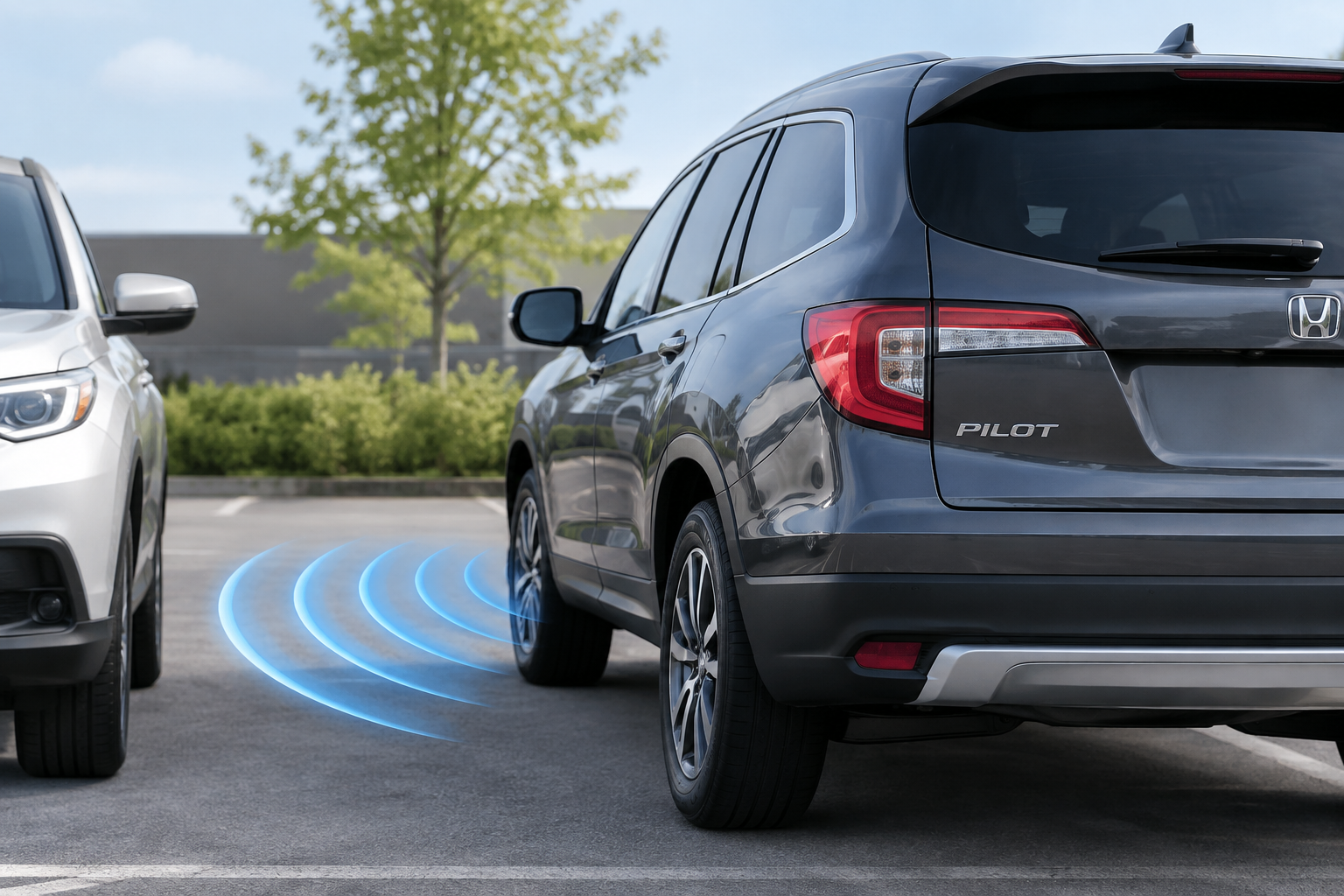
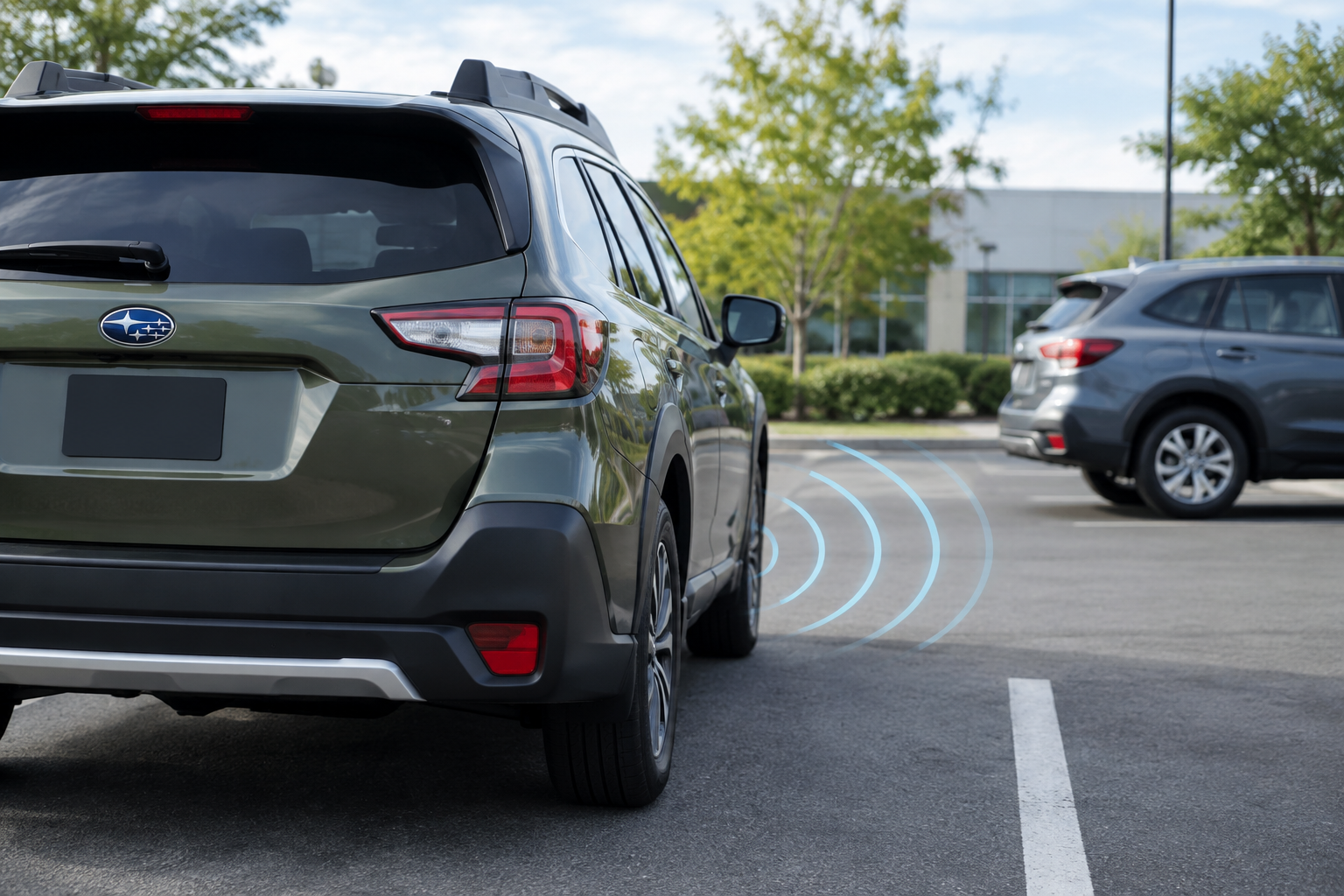
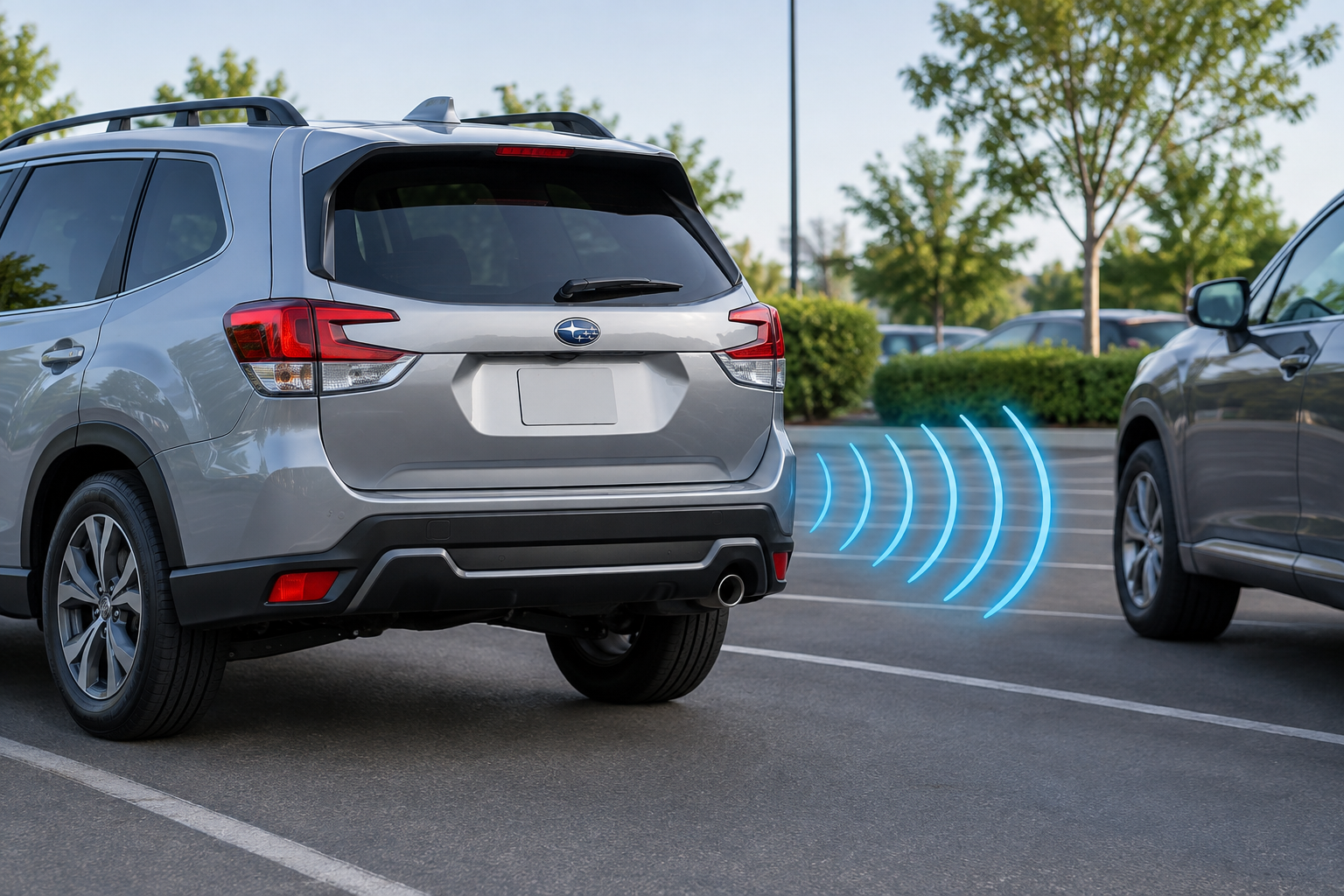
The Sportage uses two short-range radar units mounted in the rear bumper, tucked in behind the plastic fascia near each rear corner, usually just inboard of the taillights. These are the same radar modules responsible for blind-spot monitoring, which is why problems with one system often show up in both at the same time.
Because they’re radar and not cameras, they don’t need a clear “line of sight” the way a backup camera does. But they do need an unobstructed path through the bumper cover, and they need to be aimed correctly. Anything that changes the shape, angle, or material in front of those corners, even slightly, can throw off detection or knock the system offline entirely.
Dirt, Snow, Ice, and Road Grime
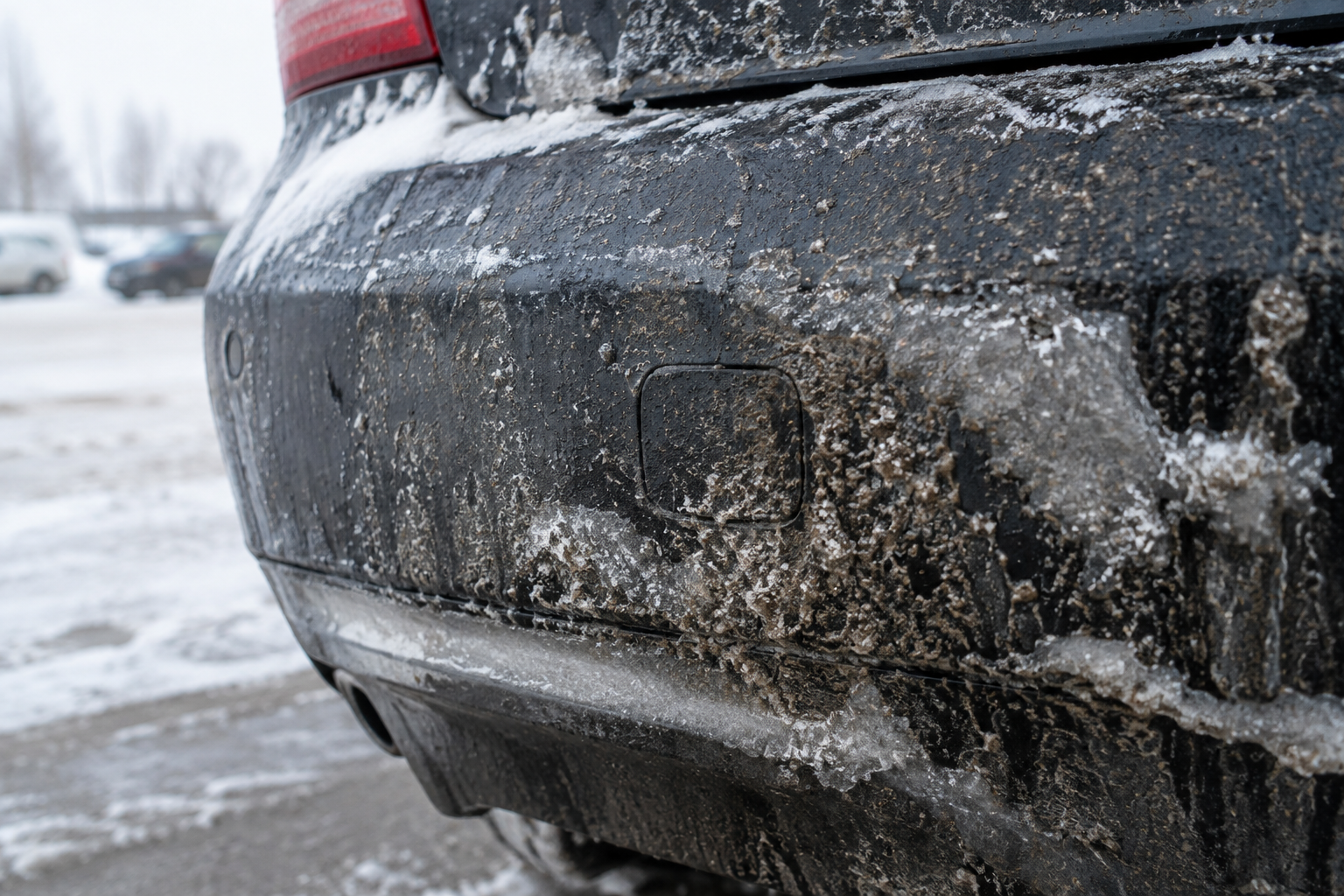
This is the number one cause of a rear cross-traffic warning that suddenly disappears, and it’s also the easiest to fix. A thick layer of road salt, mud, or packed snow over the bumper corners can absorb or scatter the radar signal enough that the system flags itself as blocked and shuts off.
You’ll usually get a message on the cluster or infotainment screen saying the system is temporarily unavailable, sometimes with a small icon showing a blocked sensor. Before you assume anything’s actually broken, pull over somewhere safe and wipe down both rear corners of the bumper with a clean, damp cloth. In winter climates, this can become a near-daily chore, especially if you’re driving through slush-covered lots.
If you live somewhere with harsh winters, it’s worth keeping a set of sensor-safe cleaning supplies in the car. A soft microfiber towel and a bottle of plastic-safe cleaner will get grime off without scratching the bumper finish or leaving a film that attracts more dirt.
Microfiber Detailing Towels
A soft, lint-free towel is the safest way to clear road grime off radar sensor covers without scratching the bumper.
Trailer Hitches, Bike Racks, and Cargo Interference
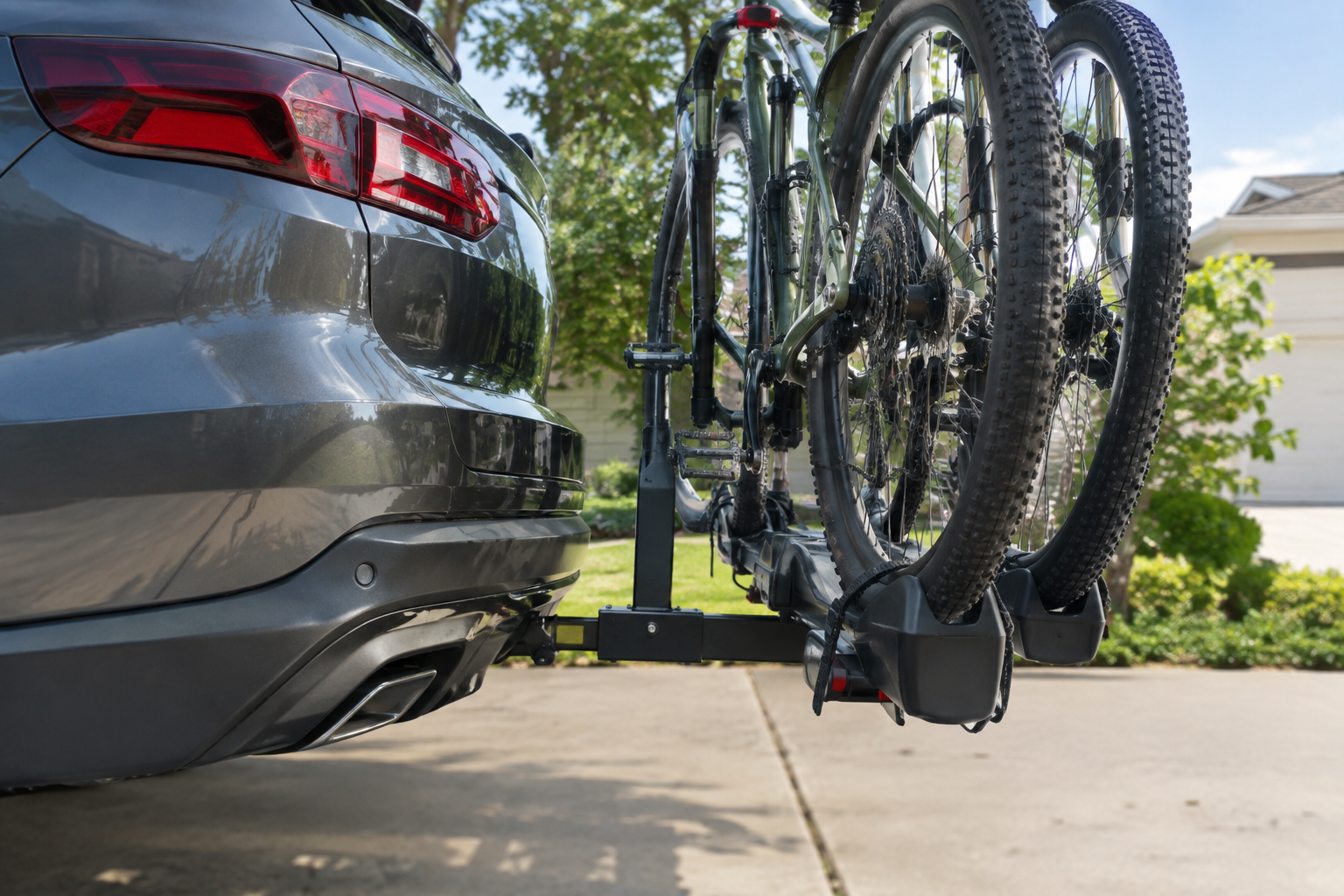
If you tow a small trailer, run a hitch-mounted bike rack, or carry a cargo box on a rear rack, you’ve probably already noticed your Sportage gets touchy about rear cross-traffic alerts. Metal objects positioned directly behind or beside the radar sensors can reflect the radar signal back at itself, confusing the system into thinking something is constantly present, or blocking real objects from being detected accurately.
Kia’s owner’s manual actually calls this out directly for hitch-mounted accessories. Depending on the model year, towing a trailer may automatically disable rear cross-traffic and blind-spot monitoring altogether, since the system can’t reliably tell the difference between the trailer and an actual threat. If you’ve recently installed a hitch, rack, or even a trailer wiring harness with a metal connector plate, that’s worth checking first.
Some owners solve this by removing the rack or hitch attachment when it’s not actively in use, since a bare hitch receiver typically causes fewer problems than one with a rack or trailer connected. If you’re shopping for a rear cargo carrier, look for one built with detection-friendly hardware, and keep it removed on trips where you don’t need it.
Bumper Damage and Aftermarket Parts
A minor parking lot bump or a low-speed tap can crack the plastic bumper cover or shift it slightly out of alignment, even when there’s no visible dent. Because the radar signal needs to pass through that plastic at a specific angle, any warping, cracking, or gap changes how the signal travels and can either block it or cause false readings.
This also applies to aftermarket bumper covers, trailer hitch installations that required drilling near the sensor area, or body shop repairs that didn’t account for radar calibration. If your Sportage had bodywork done on the rear end and the rear cross-traffic alert stopped working (or started acting erratic) right afterward, that’s not a coincidence. Radar-equipped bumpers require recalibration after any repair or replacement, and it’s a step that’s easy for a general body shop to miss if they’re not familiar with Kia’s ADAS requirements.
If you suspect bumper damage is the culprit, a visual inspection can tell you a lot. Look closely at both rear corners for hairline cracks, paint that’s slightly bulging, or a fascia panel that doesn’t sit flush anymore.
Settings That Limit or Disable the System
Before assuming a hardware fault, check the settings menu. On the Sportage, rear cross-traffic alert (or RCCA) is toggled through the Driver Assistance or Safety menu on the touchscreen, and it’s possible to accidentally switch it off, or turn off just the automatic braking portion while leaving the warning chime active.
There are also speed thresholds built into the system that catch people off guard. Rear cross-traffic detection is designed to work specifically while reversing at low parking-lot speeds, generally under about 6 mph. It’s not meant to function while driving forward or at higher reverse speeds, so if you’re testing it in a situation outside those parameters, it’s working exactly as designed even though it looks “off.”
This is similar in spirit to how Kia’s other driver assistance systems work on a mix of automatic activation and manual toggles. If you’ve had to dig through menus before to adjust Kia’s driver attention warning settings on the Sportage, the process for finding RCCA controls will feel familiar, since Kia groups most of these features in the same area of the infotainment system.
Low Battery Voltage and Electrical Faults
Radar modules are sensitive to voltage. If your Sportage’s 12-volt battery is weak, aging, or not holding a full charge, the rear radar units may not get enough stable power to initialize properly, especially right after startup. This often shows up as the system working fine most of the time but occasionally flashing “unavailable” for no obvious reason, particularly in cold weather when battery output naturally drops.
A quick way to rule this out is checking your battery’s voltage and age. If it’s more than three or four years old, or if you’ve noticed slower engine cranks, dimming interior lights, or other electrical quirks, a weak battery could be the root cause of your radar issues rather than anything wrong with the sensors themselves.
NOCO Boost Plus Jump Starter
A reliable jump starter to keep in the trunk in case a weak battery is causing intermittent radar or ADAS warnings.
If you want to check things yourself before paying for a diagnostic, a basic OBD2 scanner that reads manufacturer-specific codes can pull stored fault codes related to the radar modules. Not every cheap scanner reads Kia’s ADAS-specific codes, so look for one that explicitly lists compatibility with advanced driver assistance systems, not just generic engine codes.
Sensor and Calibration Faults
If cleaning the bumper, checking your settings, and ruling out battery issues doesn’t fix it, you’re likely dealing with an actual radar fault or misalignment. This can happen from a hard impact, corrosion inside the connector, or a module that’s simply failed with age. In these cases, the warning light or message tends to be persistent rather than intermittent, showing up every time you drive rather than only in bad weather or after towing.
A dealership or qualified shop can run Kia’s diagnostic software to check for stored radar fault codes and verify aiming. If a sensor needs replacement, it also needs to be recalibrated afterward using proper alignment targets, not just swapped in and left alone. This isn’t a job most people can do in a driveway, so once you’ve ruled out the simpler causes, it’s worth booking a service appointment rather than guessing further.
How This Relates to Blind-Spot Monitoring
Since rear cross-traffic alert and blind-spot monitoring share the same two radar units, a problem with one very often means a problem with the other. If you’re noticing your blind-spot warnings acting up at the same time your rear cross-traffic alert goes unavailable, that’s a strong sign the issue is with the sensor hardware or bumper itself rather than a software glitch specific to one feature.
That said, they don’t always fail identically, and Kia’s software doesn’t necessarily treat them the same way across every model year. Some Sportage trims allow you to disable blind-spot monitoring independently while keeping rear cross-traffic active, and vice versa, so don’t assume that fixing one automatically restores the other. If you’re comparing notes with a similar Kia or Hyundai model, it’s also useful to read how Kia and Hyundai’s driver assistance systems generally operate, since the two brands share a lot of the same underlying hardware and software architecture, including on vehicles like the Hyundai Tucson.
If you’re shopping for replacement or upgraded radar-safe accessories, whether that’s a hitch cover, a new bumper protector, or a diagnostic tool to keep on hand, it’s worth browsing Kia Sportage blind spot radar sensor options on Amazon to see what’s compatible with your model year before buying anything from a third-party retailer.
FIXD OBD2 Scanner
A budget-friendly way to pull stored fault codes at home before committing to a dealership diagnostic fee.
Frequently Asked Questions
Why does my Kia Sportage say rear cross-traffic alert is unavailable?
This usually means the radar sensors are blocked, dirty, or covered in snow or ice, or that the system has detected interference from a hitch-mounted accessory. It can also appear briefly after a cold start if battery voltage is low. Clean the rear bumper corners first, then check your settings and towing accessories before assuming it’s a hardware failure.
Does towing a trailer disable rear cross-traffic alert on the Sportage?
On many model years, yes. Kia’s system can automatically disable or limit rear cross-traffic and blind-spot detection while a trailer is connected, since the trailer itself can confuse the radar. Check your owner’s manual for your specific model year, since this behavior isn’t identical across every Sportage generation.
Can I fix rear cross-traffic alert myself, or do I need a dealer?
Cleaning the sensors, checking your settings menu, and testing your battery are all things you can handle yourself. But if the system needs recalibration after bumper damage or a sensor replacement, that requires dealership or specialty shop equipment and shouldn’t be attempted at home.
Is rear cross-traffic alert the same as blind-spot monitoring on the Sportage?
No, but they’re closely related. Both systems use the same two rear radar sensors, so problems often affect both at once. However, they’re controlled separately in the settings menu on most trims, and a fault with one doesn’t automatically mean the other is broken too.
Leave a Reply