
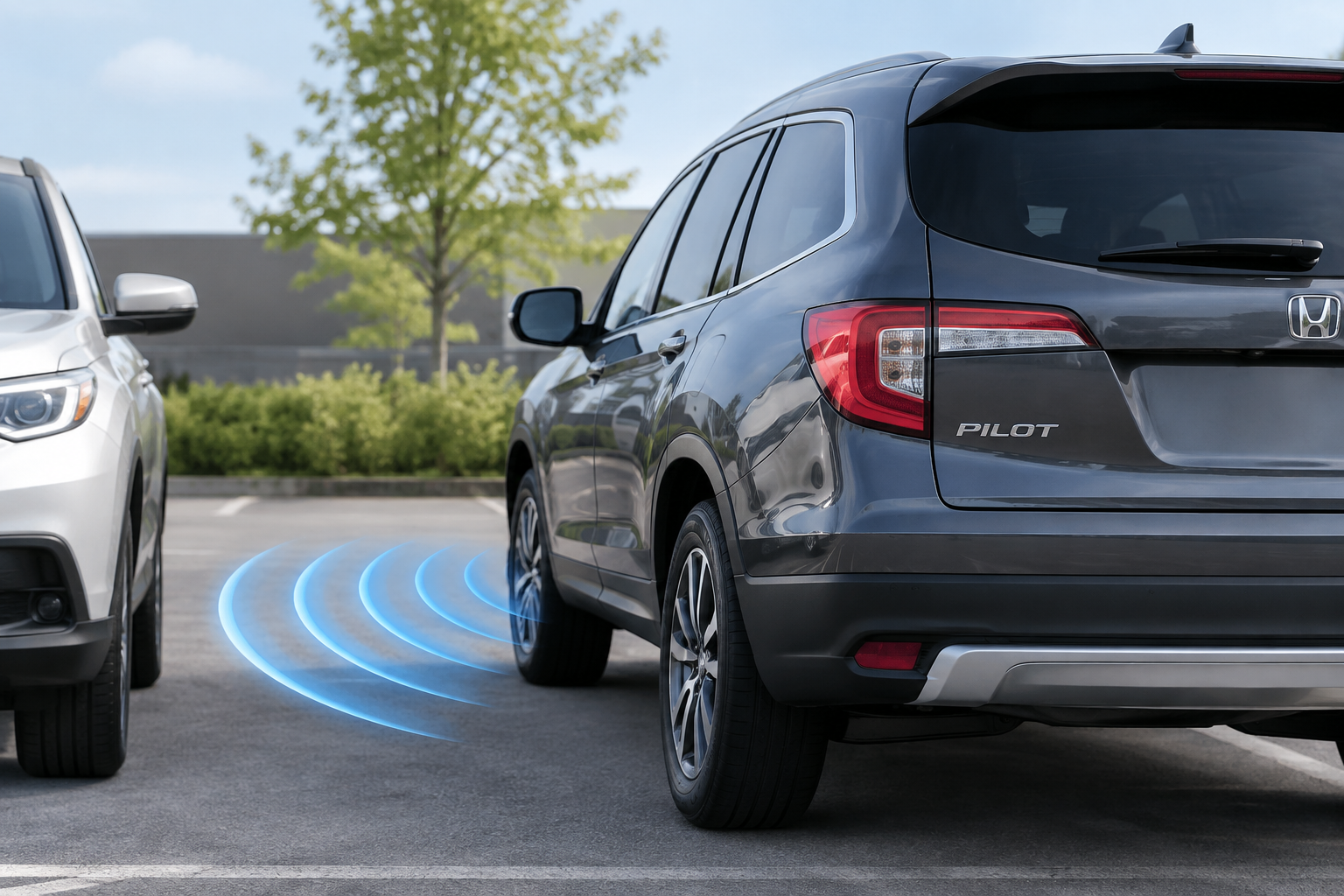
Backing out of a parking spot at a busy shopping center is exactly when you want that rear cross traffic warning to work. If your Honda Pilot suddenly stops chiming when a car approaches from the side, or the system shows as unavailable on the dash, it can feel like you lost a safety net you’d come to rely on. The good part is that most causes are simple to diagnose once you know where to look.
What Honda Calls This System (And How It Ties to Blind Spot Monitoring)
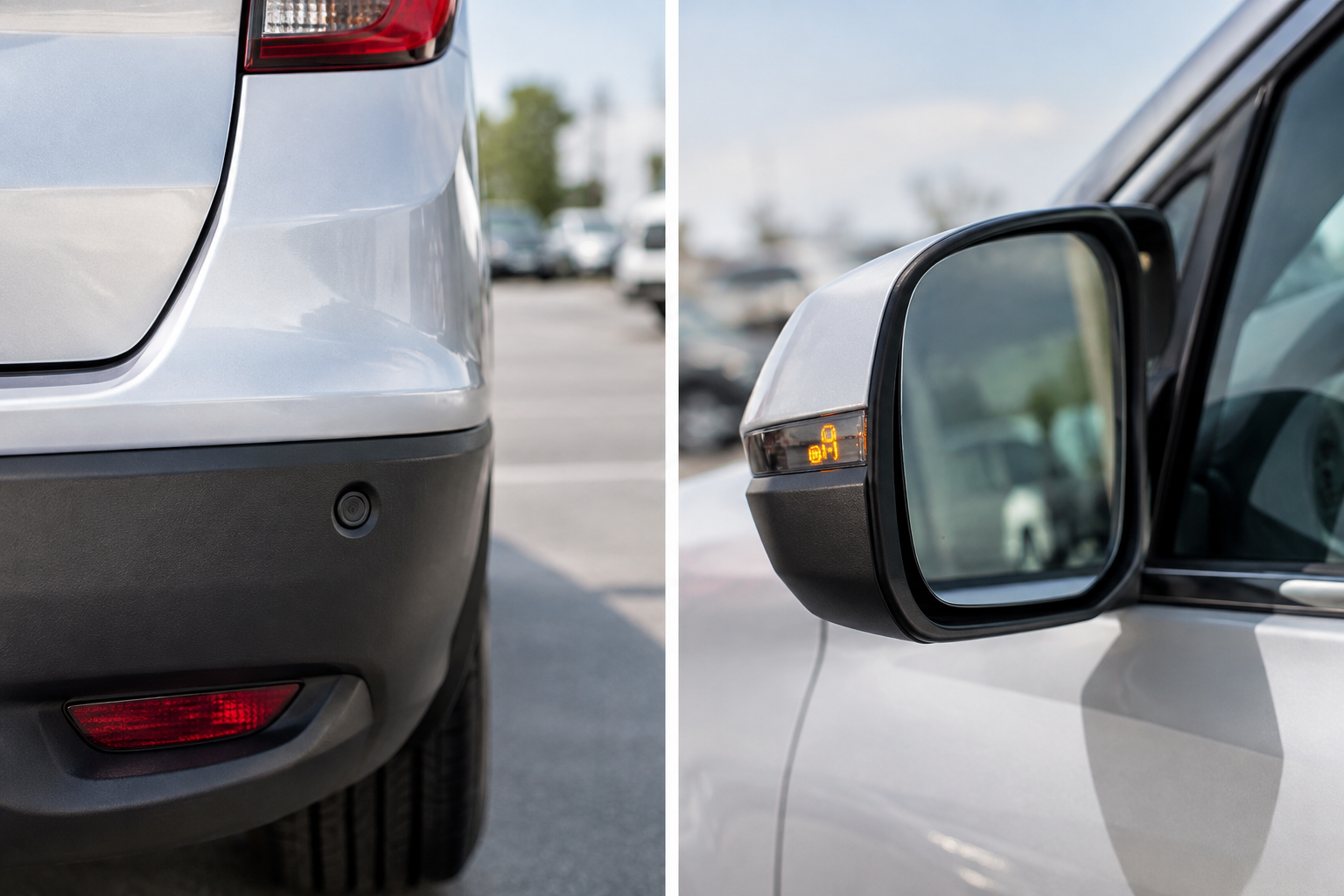
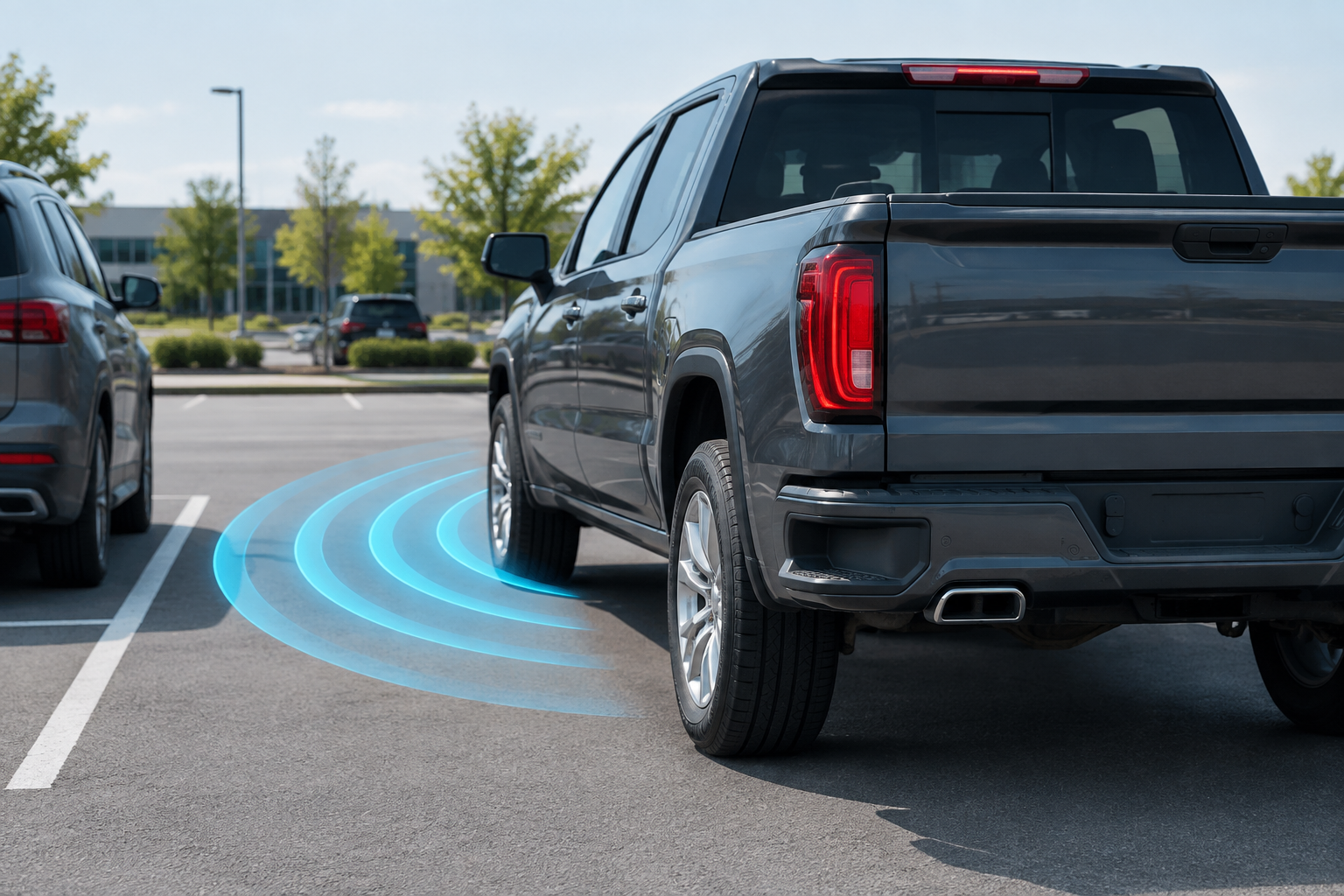
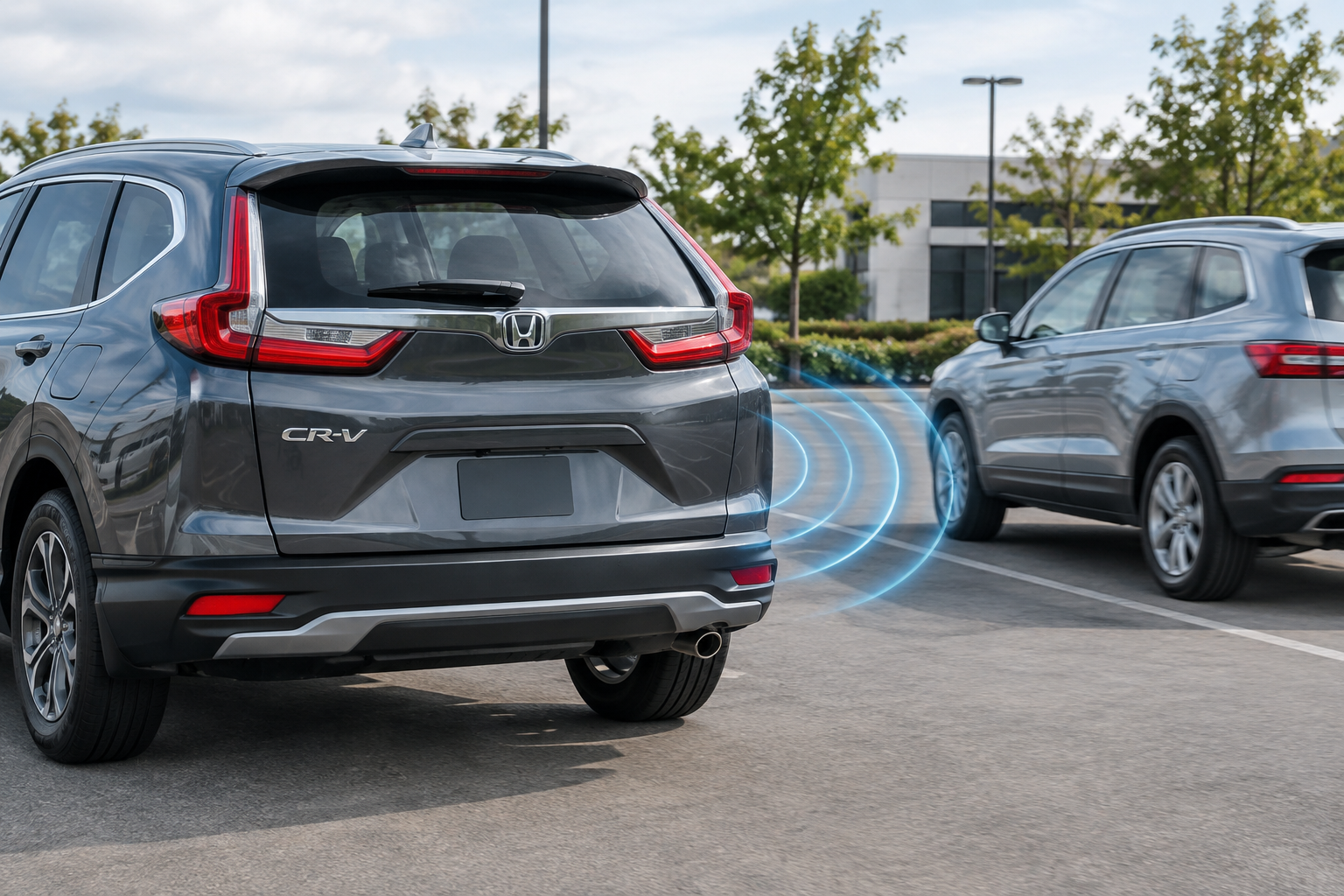
Honda’s name for this feature is Cross Traffic Monitor. It’s designed to warn you about vehicles approaching from either side when you’re backing out of a parking space or driveway. On most Pilot model years, it shares hardware with the Blind Spot Information (BSI) system, both rely on radar sensors tucked into the rear bumper corners, one on each side.
Because the two systems use the same physical sensors, a problem on one side of the bumper often affects both features at once. If your blind spot indicator light is also acting up or disappearing from the mirror, that’s a strong clue the issue is with the sensor itself rather than a software setting.
Trim availability and exact naming have shifted across Pilot generations. On the 2016-2022 Pilot, Cross Traffic Monitor and BSI were bundled together and standard starting around the EX-L trim, while the redesigned 2023 and newer Pilot folds more of this technology into higher trims and Honda Sensing 360 packages. Check your owner’s manual or window sticker for your specific model year, since Honda has changed which trims get this feature standard versus optional.
If you’re also troubleshooting other driver assist features on your Pilot, it’s worth reading through our guide on how lane assist behaves on the Honda Pilot, since several of these systems share fuses, wiring runs, and even diagnostic trouble codes.
Common Reasons Cross Traffic Monitor Stops Working

Before assuming you need a repair, run through these possibilities. Most of them are things you can check or fix yourself in a few minutes.
- Blocked or dirty sensors: Mud, road salt, snow, or even a thick layer of dust over the rear bumper corners can block the radar signal enough to trigger a temporary “system unavailable” message.
- Bike racks or cargo carriers: Anything mounted on a hitch-mounted bike rack, cargo box, or trailer tongue sitting near the bumper corners can interfere with radar coverage, especially metal racks positioned close to the sensor housing.
- Trailer interference: Towing a trailer often disables Cross Traffic Monitor automatically, since the system can’t distinguish your own trailer from an approaching vehicle. This is expected behavior, not a fault.
- Bumper damage: Even a minor parking lot ding or a bumper that’s been repainted with thick body filler can throw off the radar’s field of view or angle.
- Settings turned off: It sounds obvious, but a passenger or a dealer loaner swap can accidentally toggle the feature off in the settings menu without you noticing.
- Low battery voltage: Weak batteries or a failing alternator can cause radar modules to lose calibration or drop offline intermittently, especially in cold weather when voltage sags further. If you’ve also noticed other electrical quirks lately, like dash warnings appearing after sitting overnight, it may point to a broader charging system issue similar to what we cover in our piece on diagnosing problems that show up after a vehicle sits overnight.
- Sensor or calibration faults: A sensor that’s been bumped out of alignment, even slightly, after a body shop repair may need a formal recalibration with Honda’s diagnostic tools.
Quick Fixes You Can Try Yourself
Start by wiping down both rear bumper corners with a clean microfiber cloth, especially after driving in snow, slush, or heavy rain. Check the settings menu on your infotainment screen to confirm Cross Traffic Monitor and BSI are both switched on. If you’re running a bike rack or cargo carrier, try removing it and see if the warnings return, since that alone solves the issue more often than people expect.
Honda Pilot Rear Bumper Radar Sensor
A direct-fit replacement sensor is worth having on hand if a body shop repair or minor collision knocked yours out of alignment.
If cleaning and settings checks don’t help, pull up the actual fault codes. A basic Honda-compatible OBD2 scanner can read radar-related trouble codes without a trip to the dealer, which saves diagnostic fees if you just want to confirm whether it’s a sensor problem or a wiring issue.
For battery-related glitches, a simple battery load tester takes a few minutes to use and tells you whether your battery is holding voltage under load, which rules out (or confirms) low voltage as the culprit behind intermittent radar dropouts.
When to See a Dealer or Body Shop

If the system stays unavailable after cleaning the sensors, confirming settings, and ruling out battery issues, it’s time for a professional look. Bumper damage that’s affected sensor angle usually needs a body shop to properly realign or replace the sensor mount, followed by a dealer-level calibration using Honda’s diagnostic software. Trying to eyeball a sensor angle adjustment yourself can leave the system technically “working” while giving you false alerts or missed detections, which defeats the purpose of having it.
Honda OEM Bumper Sensor Bracket Kit
Useful if your bracket was cracked or bent in a low-speed impact and needs replacing before recalibration.
FAQ
Does towing a trailer always disable Cross Traffic Monitor on the Pilot?
In most cases, yes. Honda’s system is designed to shut off automatically when it detects a trailer connection, since the radar can’t reliably tell the difference between your trailer and an actual approaching vehicle. This is intentional and not a malfunction, though it does mean you’ll need to rely on mirrors and a backup camera while towing.
Can cold weather cause Cross Traffic Monitor to stop working temporarily?
Yes. Snow, ice buildup, and road salt residue on the bumper corners are among the most common causes of temporary “system unavailable” messages in winter. Cold temperatures can also reveal a marginal battery that was otherwise getting by, so if the issue only shows up on cold mornings, it’s worth having your battery and charging system tested.
Leave a Reply