
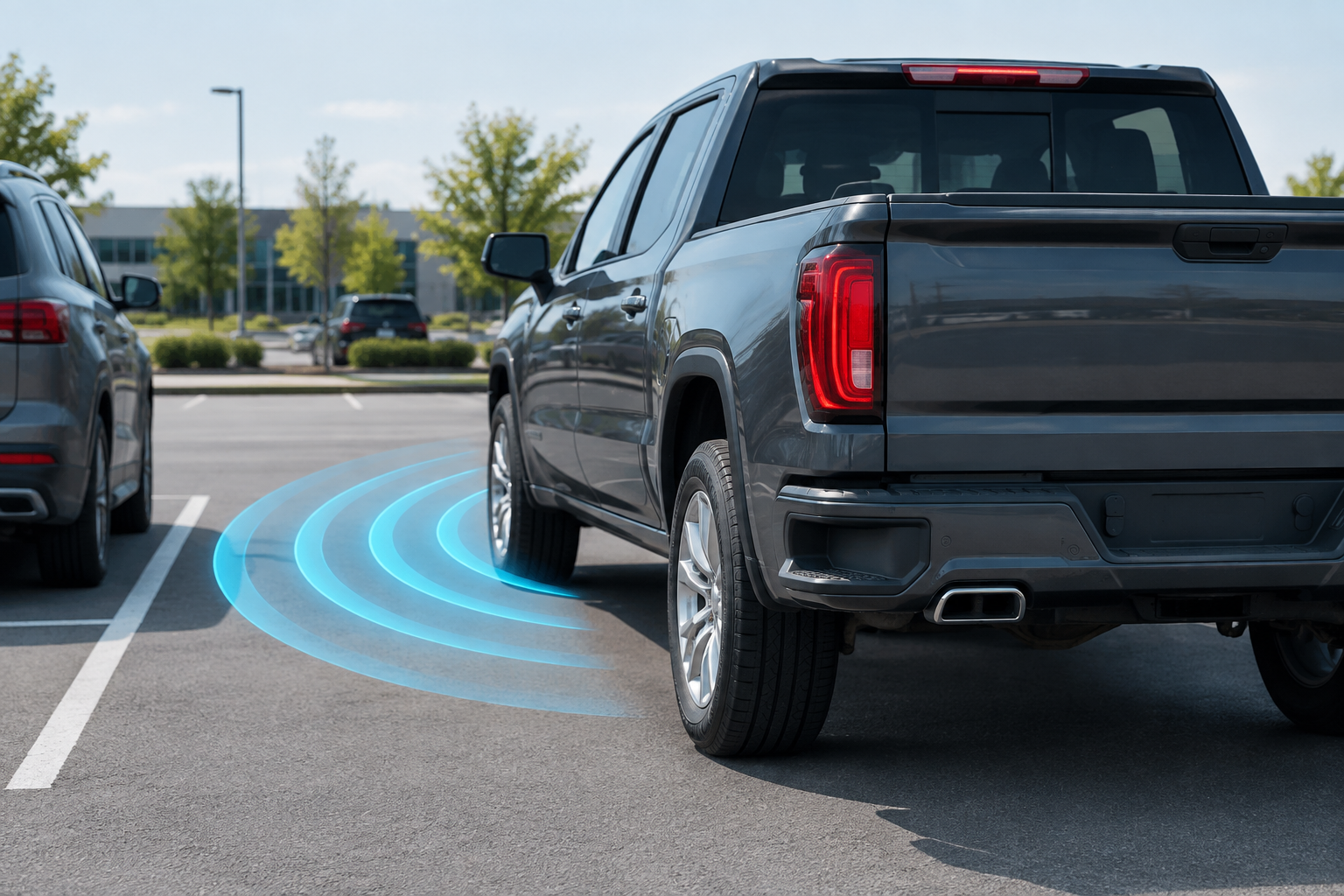
Backing out of a busy parking lot with your GMC Sierra 1500’s Rear Cross Traffic Alert acting up is a bad time to find out the system isn’t working. One day it’s beeping right on cue when a car crosses behind you, and the next day the icon on the dash reads “Rear Cross Traffic Alert Unavailable” with no explanation. Before you assume the worst, there’s a good chance the fix is something simple you can check in your driveway.
What GMC Calls This System (and Where the Sensors Actually Are)
GMC’s official name for this feature is “Rear Cross Traffic Alert,” and it’s typically bundled with “Rear Park Assist” and “Side Blind Zone Alert” on the Sierra 1500’s options sheet. It’s not standard on every trim. On most model years, it comes as part of the Driver Alert Package or is bundled into higher trims like SLT, AT4, Denali, and Denali Ultimate, while base and entry-level SLE trucks often need to add it as a package.
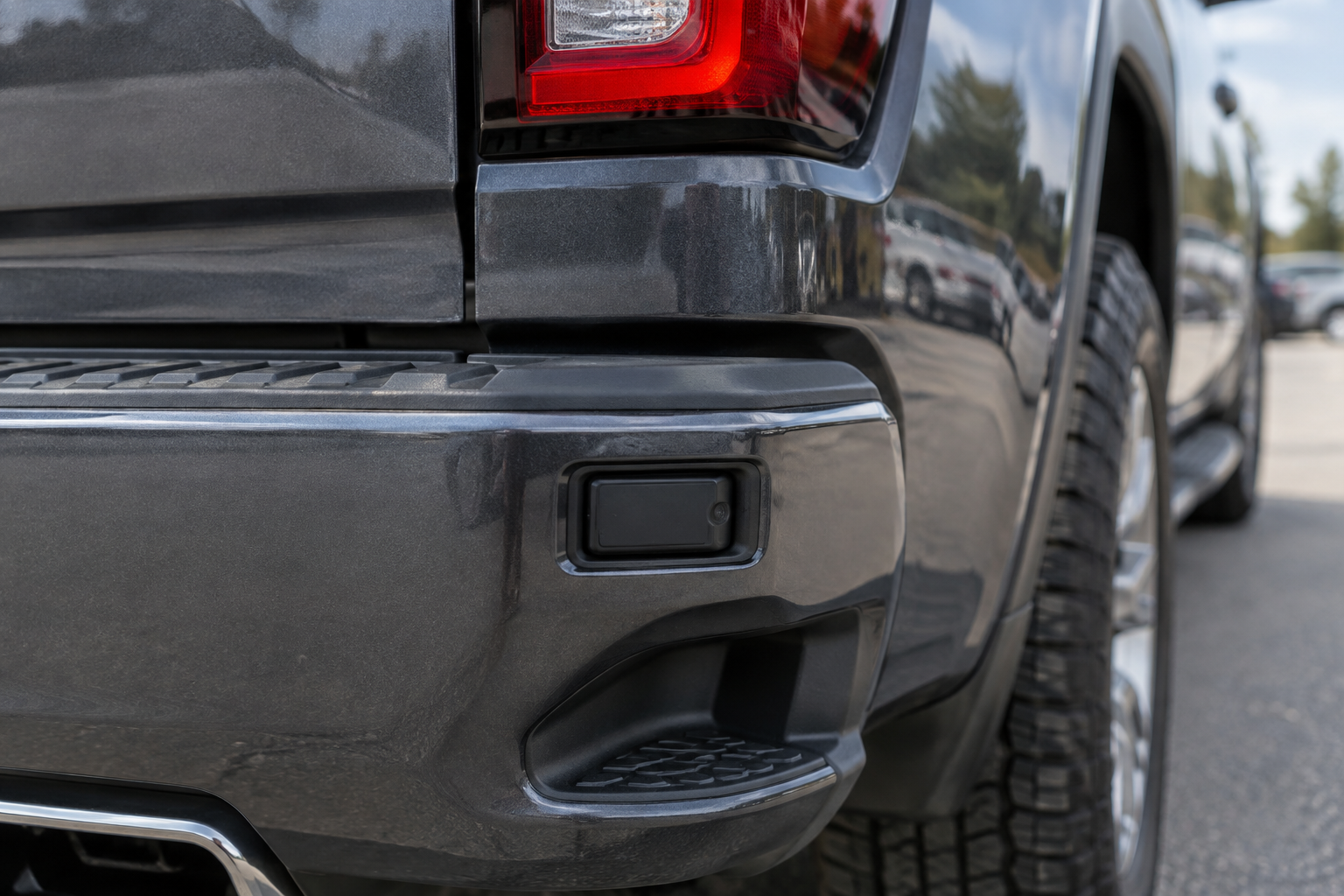
The hardware lives in two radar modules tucked behind the rear bumper fascia, one on each corner. These same radar units also handle Side Blind Zone Alert, which is GMC’s name for blind spot monitoring. The system only activates when the truck is in Reverse and typically only functions at very low speeds, generally under 3 mph, since it’s designed for parking lot and driveway situations, not highway driving.
Model year matters here. Sierra 1500s from the 2019 redesign onward use a more refined radar and camera fusion system than earlier GMT K2-based trucks, and GMC has tweaked the alert thresholds and false-positive filtering across model years. If you’re comparing notes with a friend who has an older or newer Sierra, don’t assume your trucks behave identically, even if both have the same feature name on the window sticker.
Why Rear Cross Traffic Alert Stops Working or Shows Unavailable
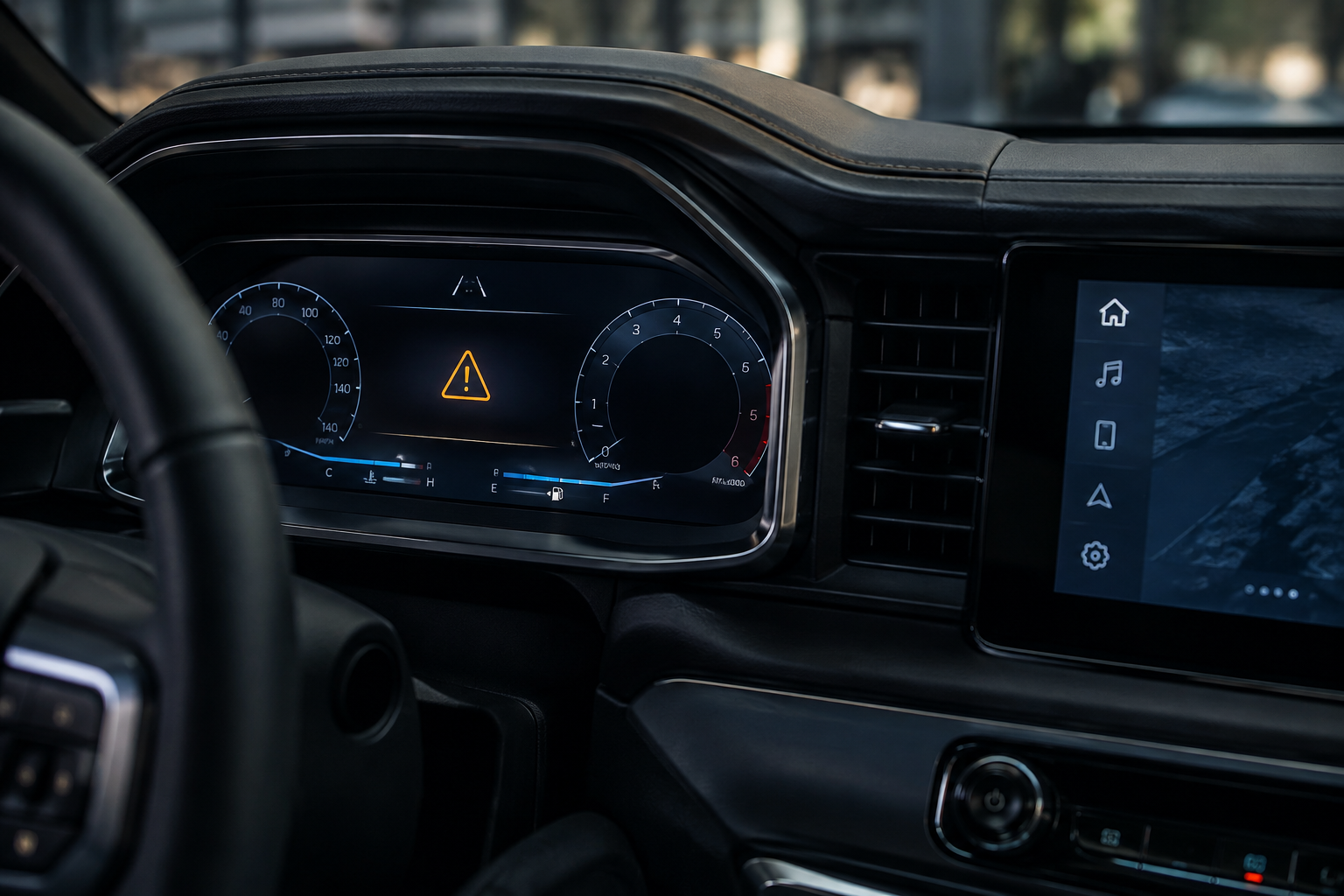
Most of the time, this isn’t a wiring problem or a failed module. It’s something physically or electrically interfering with the radar’s ability to see. Here’s what to check first, in order of how often it’s the actual culprit.
Blocked or Dirty Radar Sensors
Mud, road salt, ice, and even a thick layer of dust on the bumper corners can be enough to make the radar throw up its hands. The sensors need a relatively clean, unobstructed surface to send and receive their signal. Wipe down both rear corners of the bumper with a microfiber cloth and mild soap, then dry them completely before testing the system again.
Chemical Guys Microfiber Detailing Cloths
A soft, lint-free cloth is the safest way to clean radar sensor covers without scratching the paint or bumper trim.
Snow packed into the bumper seams is a classic cold-weather cause of “Rear Cross Traffic Alert Unavailable” messages. If you’ve just come out of a snowstorm, check behind the bumper corners before assuming there’s a hardware fault.
Trailer Hitches, Bike Racks, and Aftermarket Accessories
A hitch-mounted bike rack, cargo carrier, or even a trailer ball mount sitting at the wrong angle can sit directly in the radar’s field of view. GMC’s system is smart enough to disable itself with a trailer plugged in on some model years, since it can’t reliably tell a real threat from your own trailer wandering slightly in the lane. If you’ve got an accessory installed, pull it off and retest before you chase anything else.
Bumper Damage
Even a minor low-speed parking lot tap can knock a radar sensor out of alignment behind the fascia. The bumper cover might look fine to the eye, but if it’s been bent, cracked, or pushed inward even slightly, the sensor’s aim shifts enough to trigger a fault code. This is a case where a body shop or dealer with alignment tools needs to get involved rather than something you can eyeball.
Settings Turned Off
It sounds obvious, but it happens constantly. Someone borrows the truck, disables the feature in the settings menu because the beeping bothered them, and never turns it back on. Go to the truck’s infotainment screen, find the Driver Assistance or Safety settings menu, and confirm Rear Cross Traffic Alert is toggled on. While you’re in there, it’s worth reviewing how the rear seat reminder settings work too, since GMC groups a lot of these alerts in the same menu structure.
Low Battery Voltage
Radar modules and their control units are sensitive to voltage drops. A weak or aging battery, corroded terminals, or a failing alternator can cause the system to intermittently drop out, especially in cold weather when battery output is already reduced. If your Sierra also has other electrical quirks lately, dim lights, slow window motors, hesitant start, a voltage issue is a strong suspect.
NOCO Boost Plus Jump Starter and Battery Tester
Handy for checking battery health at home before you spend money diagnosing sensors that might be perfectly fine.
Sensor or Module Faults
If you’ve cleaned the sensors, removed any hitch accessories, confirmed settings are correct, and checked the battery, and the system is still unavailable, you’re likely looking at an actual radar module fault or a wiring connector issue at the bumper. A scan tool that reads GM-specific codes will pull the fault stored in the Object Sensing Control Module, which tells you exactly which side is affected instead of guessing.
BlueDriver Bluetooth Pro OBDII Scan Tool
Reads manufacturer-specific codes, which is what you need to pinpoint a failed radar sensor rather than a generic check-engine code.
How This Connects to Blind Spot Monitoring
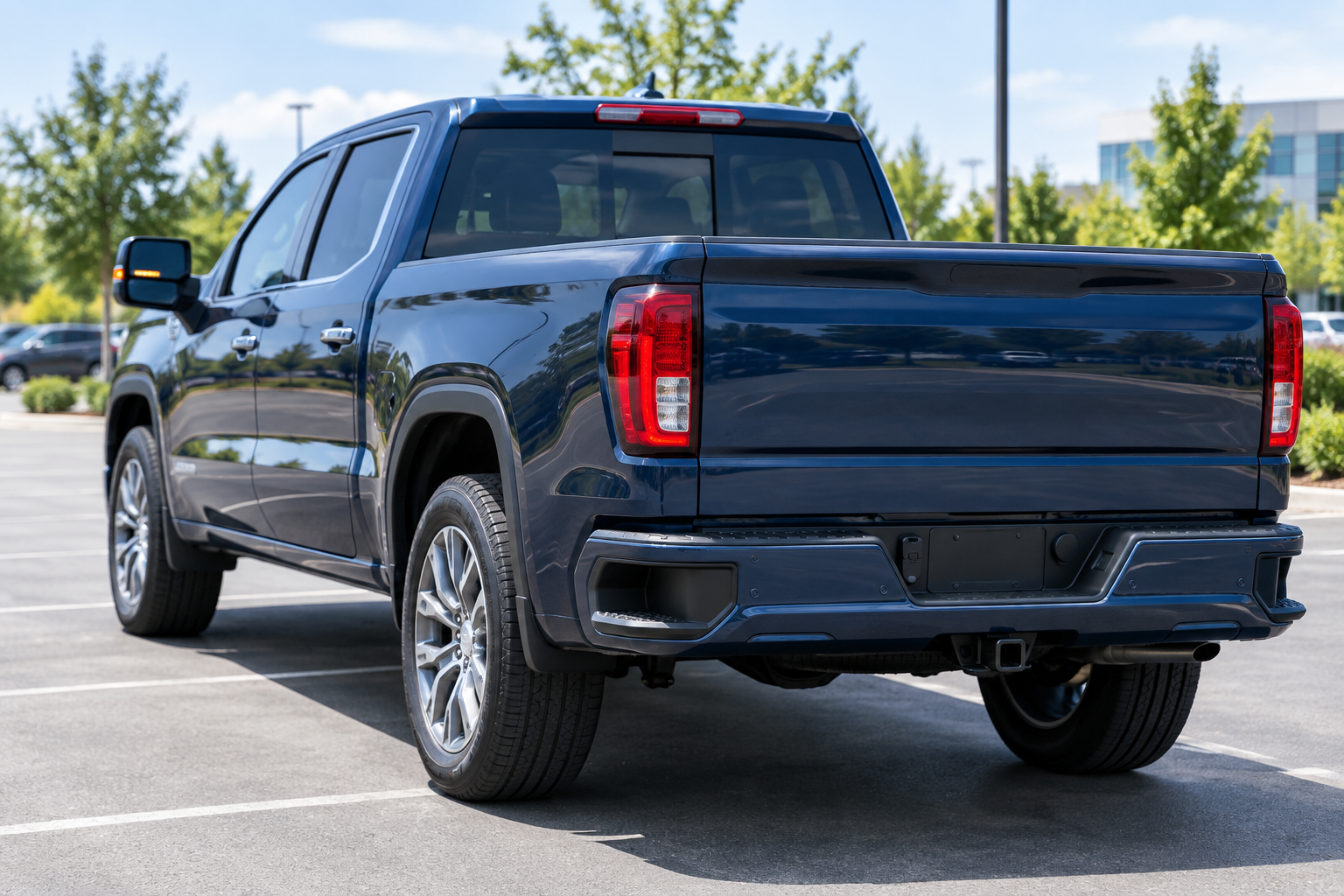
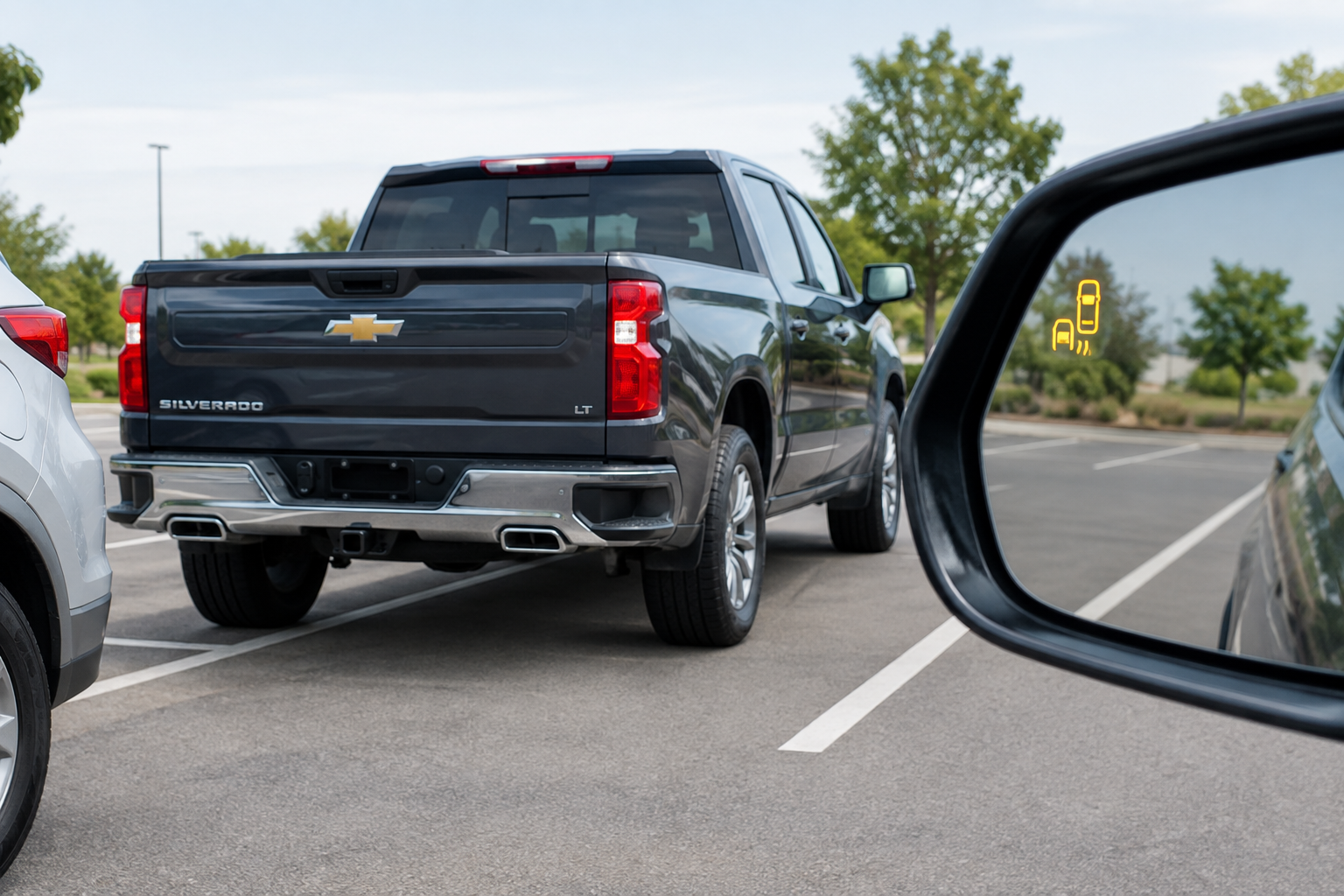
Because Rear Cross Traffic Alert and Side Blind Zone Alert share the same corner radar sensors, a problem with one often shows up in the other. If you’re also seeing blind spot warning lights flicker or disappear from your side mirrors, that’s a strong sign the issue is with a shared sensor rather than something specific to reverse gear logic.
That said, don’t assume the two systems fail identically. Blind spot monitoring runs constantly while driving forward at speed, while cross traffic alert only wakes up in reverse at low speed. It’s possible for one to work fine while the other throws a fault, especially if the issue is related to reverse-specific wiring or a backup camera module that’s separate from the blind spot hardware on certain model years.
If you’re shopping for a replacement radar sensor because a dealer or independent shop confirmed a hardware failure, you can compare current listings for GMC Sierra 1500 blind spot radar sensors to get a sense of what’s available before booking an appointment. Just know that GM often requires these modules to be relearned or calibrated with a scan tool after installation, so factor that into your repair plan.
When to Just Take It to the Dealer
If you’ve worked through the cleaning, settings, and battery checks and the alert is still unavailable, it’s time to stop guessing. A dealer technician has access to GM’s calibration procedures and can confirm whether you’re dealing with a simple connector issue or a sensor that needs replacing and relearning. Trying to force a fix without the right diagnostic tools usually just burns time and doesn’t get you closer to a real answer.
While you’re getting familiar with your Sierra’s driver assistance features, it’s also worth reading up on how Lane Assist behaves on the Sierra 1500, since GMC’s driver assistance suite shares menu structures and some sensor logic across features. If you’re comparing this truck to other GM SUVs in the family, the GMC Yukon’s rear seat reminder settings are laid out almost identically.
Frequently Asked Questions
Does Rear Cross Traffic Alert work with a trailer attached?
On many Sierra 1500 model years, the system automatically disables itself when it detects a trailer connected through the factory wiring harness. GM does this because the radar can’t reliably separate your own trailer’s movement from an actual crossing vehicle. This is normal behavior, not a fault, though it can be confusing if you’re not expecting it.
Why does the alert only work sometimes and not consistently?
Inconsistent behavior usually points to something environmental rather than a hard failure, like partial dirt buildup, a marginal battery voltage issue, or a loose bumper corner that only interferes with the radar at certain angles. True hardware failures tend to be consistent and repeatable, not intermittent.
Can I drive safely without Rear Cross Traffic Alert working?
Yes, but it removes a layer of protection you’ve gotten used to relying on, especially in blind parking situations. Treat a disabled system the same way you’d treat a truck that never had the feature: check your mirrors, use the backup camera, and back out slowly until you get it repaired.
Leave a Reply